

15 Best TV Seasons Of All Time, Ranked
The best stories always either surprise or move their audiences; by the end, people should feel like they've gotten something from it that they didn't have before. It's easier to provide catharsis with movies than TV. Movies are designed to be imbibed as full, self-contained works of art, even in a world that has developed an entire typology to describe different kinds of sequel films. When it comes to TV stories, shows dating as far back as the '70s can be cited as precursors to today's prestige class of television, but TV didn't become a medium for the purpose of high, artistic catharsis until the early 2000s with shows like "The Sopranos" and "The Wire." Nowadays, many creators have embraced the TV medium, and some of the best stories ever written for the screen have come to viewers via television.
There are some shows, like "Six Feet Under" or "The Americans," that are best taken in as a whole story — all of their individual seasons are excellent, but none stronger than any other, nor the show as a whole. Shows like these always have impeccable endings, but never the kind of finale that takes a viewer's breath away. This article covers the best seasons of TV from shows with more variable quality from season to season, or at least one season that stands above the rest. We used critical response, writer opinions, and cultural legacy to determine what made the cut.
15. Westworld, Season 1
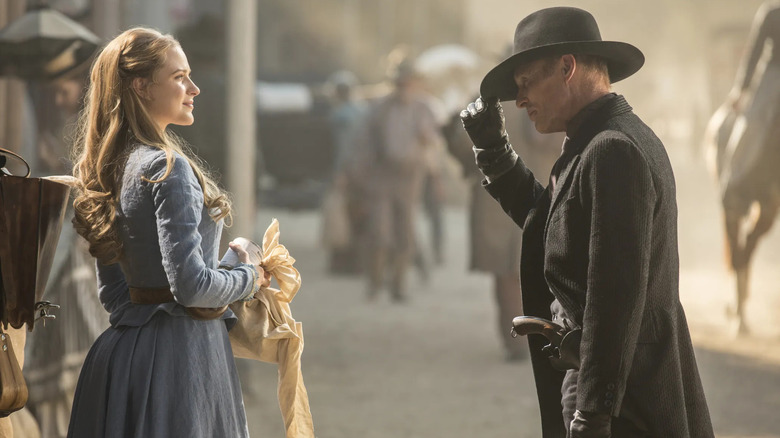
When the premiere season of "Westworld" aired on HBO, sci-fi fans were ecstatic to see a potential successor to the epic visuals and intricate plots of HBO's fantasy juggernaut, "Game of Thrones." The Westworld aesthetic offered an interesting contrast between the sterile metallics of traditional science fiction and the richly textured earth tones of a wild western U.S. landscape, and Season 1 finds a perfect balance between the two. Season 1 also granted audiences meta-consciousness within the story alongside the show's many mistreated, android hosts, and utilized a smoldering sort of patience in its storytelling that allowed for all of its many twists to both satisfy and surprise.
Unfortunately, "Westworld" lost its elegance with a clunky follow-up season and eventually became a very different, more complicated show. Though Season 4 was received with tentative appreciation from many critics and fans, HBO pulled the plug on "Westworld" Season 5. Despite the series' unceremonious ending, "Westworld" Season 1 is still worth watching as a story about exploitation, humanity, and the ever-present tension between technological advancement and ethics.
14. The Rehearsal, Season 2
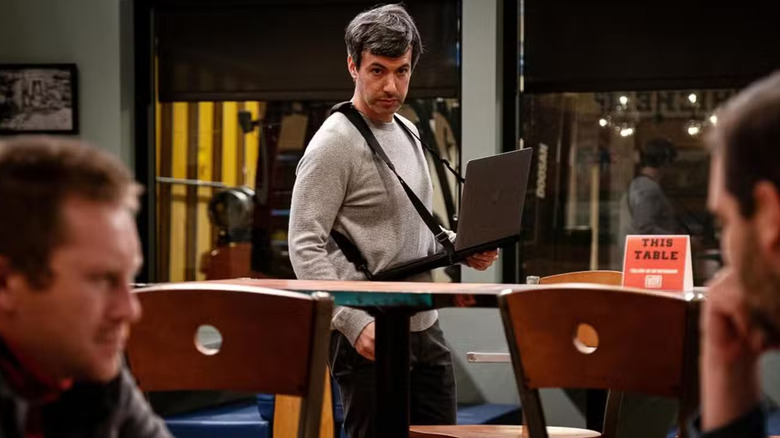
Season 1 of "Survivor" introduced a new level of intimacy and realism into the burgeoning reality TV genre, and there's no doubt that it changed the course of popular television. More than 20 years and dozens of reality shows later, Nathan Fielder brought a new kind of reality to TV with "The Rehearsal." It's not always clear what is real on "The Rehearsal," and this is an intentional element Fielder cultivates in his show. In running different rehearsal scenarios for situations ranging from uncomfortable conversations with friends to raising kids, Fielder forces participants and viewers alike to ask themselves what is real, not just on "The Rehearsal," but also in their own lives.
Season 1 brought "The Rehearsal" to the world, but Season 2 succeeds in truly probing the persona of Nathan Fielder. In Season 2, Fielder explores and exposes the many restrictions placed on airline pilots via a close examination of many different pilots, including that of Sully Sullenberger, the famous pilot who made a successful emergency landing on the Hudson. Pilots cannot admit to any mental deficit, even though they can't solve it without admitting it. Fielder explores this alongside a charged evaluation of his own neurodivergence.
13. Buffy the Vampire Slayer, Season 7
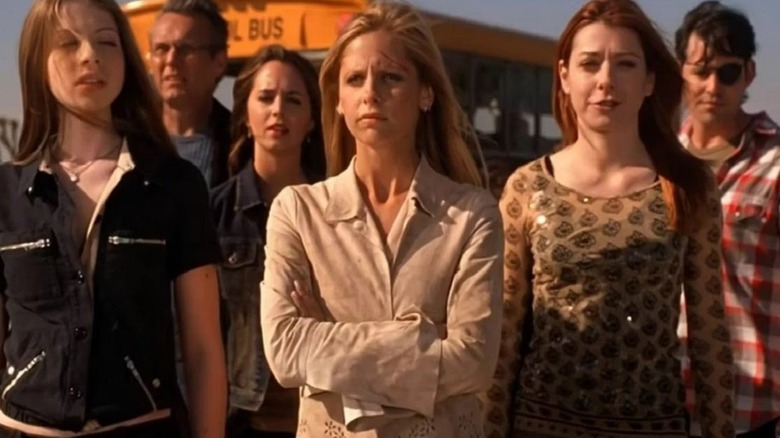
There aren't many TV shows that can boast its final season as its best, but "Buffy the Vampire Slayer" makes a good case with Season 7. Season 7 doesn't give the best episode of the show — that honor belongs to Season 4's "Hush" — and it doesn't offer the most interesting plot, as Season 5 does. It is a final season, though, that ties up loose ends and reverently subverts the defining mechanisms of the show, as Buffy (Sarah Michelle Gellar) does in smaller ways throughout the whole series.
Slayers have always been young women exploited and chosen against their will to protect fearful men; when the first evil targets potential slayers, Buffy, Willow, and the rest of the Scooby gang decide to change all the rules. With the return of Eliza Dushku's Faith, an ever-evolving Spike (James Marsters), one of the most terrifying and effective villains of the series, Caleb (Nathan Fillion), and many other flourishes, Season 7 doesn't disappoint.
12. M.A.S.H., Season 4
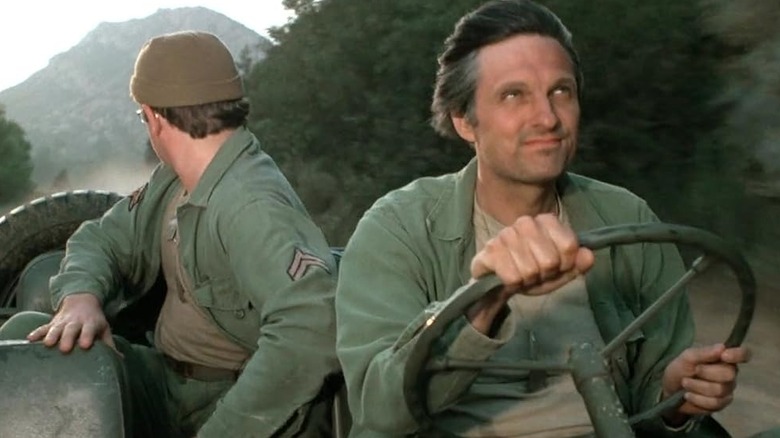
As far as 20th-century television shows go, "M.A.S.H." actually holds up better than most. "M.A.S.H." is about medical officers serving during the Korean War, and despite its bleak premise, it is a beloved comedy. "M.A.S.H." made Alan Alda a household name thanks to his wry, lackadaisical main character, Hawkeye Pierce, and Hawkeye's dynamics were perfected early on with characters like Radar (Gary Burghoff) and Hot Lips (Loretta Swit). In the series' first three seasons, though, Hawkeye failed to find the perfect partner in crime.
Season 4 is the best season of "M.A.S.H." largely because it marks the entry of B.J. Hunnicutt (Mike Farrell). Hunnicutt is not only the replacement for Hawkeye's former tent mate, Trapper (Wayne Rogers), but he also serves as a perfect, good-natured foil to Hawkeye for the rest of the series; together, they make up one of the best TV friendships ever. Hunnicutt's slightly softer disposition is the element that "M.A.S.H." was missing for its first three seasons, and he's the reason the whole series ends on a bittersweet, poignant note.
11. Ted Lasso, Season 1
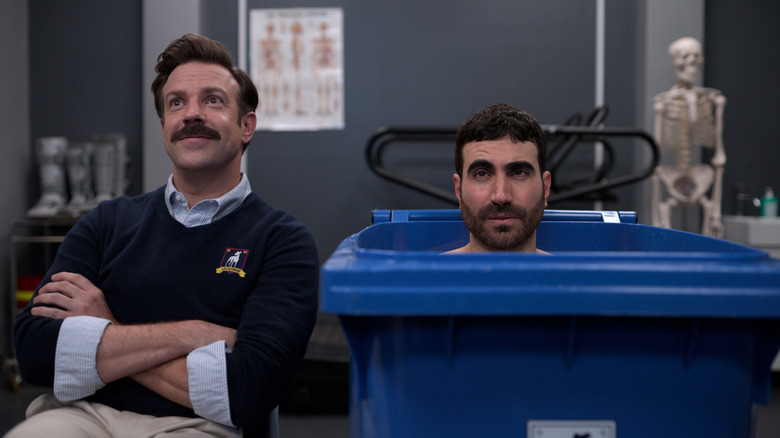
Sometimes, a season of TV is epic not just because it's well-crafted and enjoyable, but also because it comes out at a particularly relevant time in reference to the real world. "Ted Lasso" Season 1 came out right around most of the quarantining that arose as a result of the COVID-19 pandemic in 2020. The reason people really loved "Ted Lasso" Season 1 is that it offered a refreshing brand of optimism at a time when people felt largely isolated, fearful, and fatigued.
This isn't to say the show can't stand on its own merits, independent of the times. "Ted Lasso" is very, very funny and offers a fresh take on the "fish out of water" trope with Ted's mission to coach football in England. The cast is stellar; Brett Goldstein's Roy Kent is one of the most iconic TV characters ever, and supporting performances from excellent actors like Juno Temple, Hannah Waddingham, and Toheeb Jimoh combine to stellar effect. No one succeeds more than Jason Sudeikis, who manages to breathe life and depth into a character that could easily chafe on the viewer.
10. Game of Thrones, Season 6
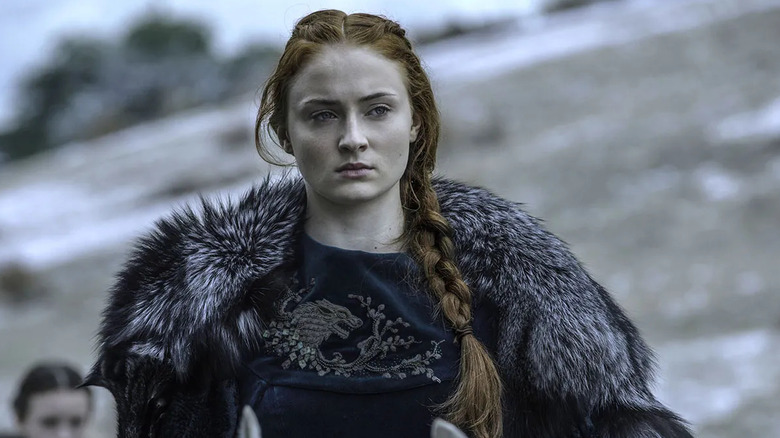
There was a time, before things went wrong, when "Game of Thrones" was the most popular and praised show in the world. It was the kind of series that unified audiences from all over and established fantasy as a genre that can appeal to the mainstream. While Season 5 was a little uneven thanks to bleak circumstances for many characters and the proper bungling of the Dorne storyline, Season 6 was actually the best installment of the whole series (with Season 4 coming in a close second).
Season 6 feels like the turn of the tide, the season in which every character is carefully positioned for the many epic, final battles sure to come in the saga's culmination. Viewers get to see the first reunion between two of the Stark children— who have been separated since Season 1— when Brienne (Gwendoline Christie) escorts Sansa to the Wall to find Jon (Kit Harington). Season 6, Episode 9, "Battle of the Bastards," is one of the best television battle sequences ever filmed, and few villains have ever pulled a more iconic move than Cersei's cold, calculated explosion of the Sept of Baelor.
9. Gilmore Girls, Season 5
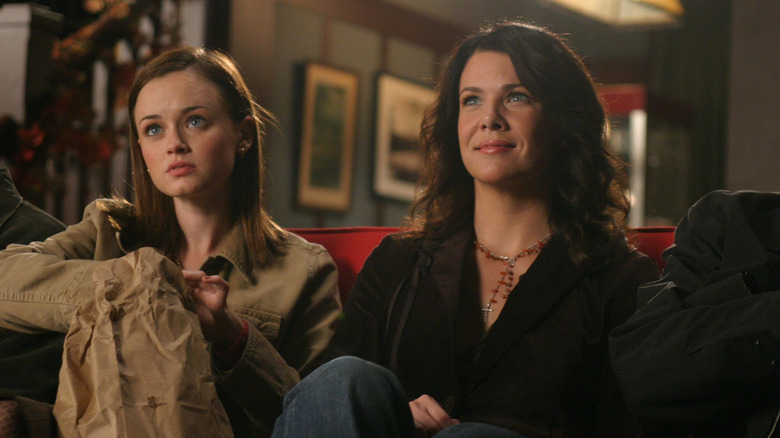
"Gilmore Girls" might not seem like a particularly cutting-edge show nowadays, but back when it premiered in 2000, there weren't many shows on TV featuring a majority female ensemble of main and secondary characters. From the jump, it was impossible not to be charmed, at least a little bit, by mother-daughter duo Lorelai (Lauren Graham) and Rory Gilmore (Alexis Bledel) as they sped through meals and conversations in pursuit of joyful moments and lives. The early seasons are wonderful, but Season 5 is the best of the series because it shows Rory's real transition into adulthood and Lorelai's transition into life as a successful, single woman.
Season 5 offers up some of the best episodes in the series, including "You Jump, I Jump, Jack" and "Wedding Bell Blues," and whether you love him or hate him, there's no denying that Logan Huntzberger (Matt Czuchry) (introduced in Season 5) is a monumental part of Rory's life. Fans get the usual laughs and banter across Gilmore generations, along with a new kind of fragile tension between Rory and Lorelai that was inevitable with Rory's increasing independence. The best part of Season 5, though, is that Luke (Scott Patterson) and Lorelai are finally together as a happy, romantic couple.
8. Lost, Season 1
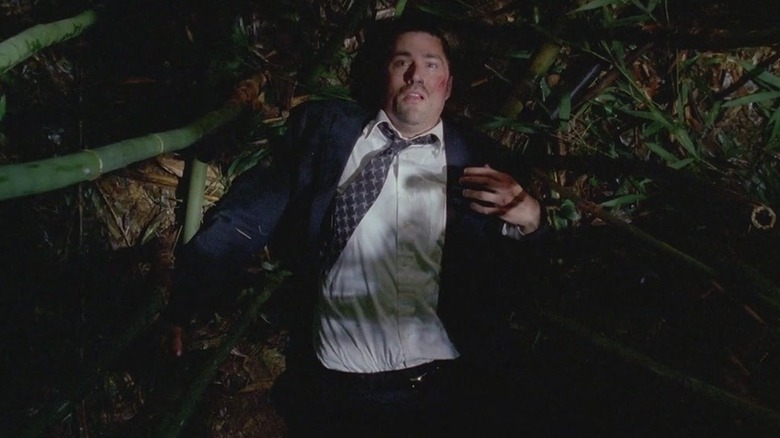
Like "Game of Thrones" after it, another show that enjoyed near-universal appeal almost as soon as it aired on TV was ABC's "Lost." Despite the fact that its two-hour pilot episode was one of the most expensive that has ever been produced for television, "Lost" stuck the landing with the rocky crash of Oceanic Flight 815 onto a seemingly uninhabited tropical island. The series' first season is still its best, though it maintained a fair level of quality for several seasons afterward. Season 1 introduced every compelling element of the show and had viewers falling in love with its ensemble of complex characters.
Thanks to its format, which steadily switched between the survivors of the crash trying to make sense of their circumstances in the present and flashbacks pertaining to the show's main characters and the skeletons in their closets, every week offered a trove of juicy tidbits and questions to discuss with fellow viewers. Why was Kate wearing handcuffs? What's the big monster tearing down trees in the jungle? Where do the Others come from? Season 1 posed all these questions and more to a rapt audience, and even though the series didn't pan out the way many people wanted, it still gave its viewers many delicious thrills and heartfelt pangs.
7. Atlanta, Season 2
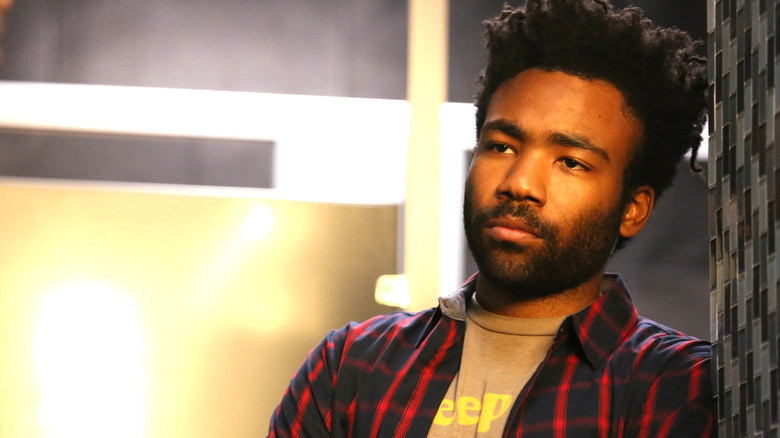
Donald Glover sort of tricked FX into producing his subversive comedy "Atlanta," and it's unlikely FX regretted the decision after the series' proven, creative success. Much like "Community" — a comedy that starred Glover for 4.5 seasons before he left to pursue other projects — "Atlanta" quickly abandoned the standard relationship to time and reality that most sitcoms have traditionally utilized. Many of the series' episodes are experimental in form and/or plot, often stepping away from the lives of its main characters to focus on other stories.
Every Season has merit, but Season 2 is the strongest, not least because it includes the best ever episode of "Atlanta" (according to IMDb), "Teddy Perkins," which marks the moment the series began to explore its most uncanny and absurd moments. The series also explores the trajectory of Earn (Glover), Paper Boi (Bryan Tyree Henry), and Darius (Lakeith Stanfield) as they navigate murky, ethical waters in pursuit of fame and success. With Glover's detailed attention to the city of Atlanta and the Black American experience, Season 2 is near-perfect.
6. The Simpsons, Season 5
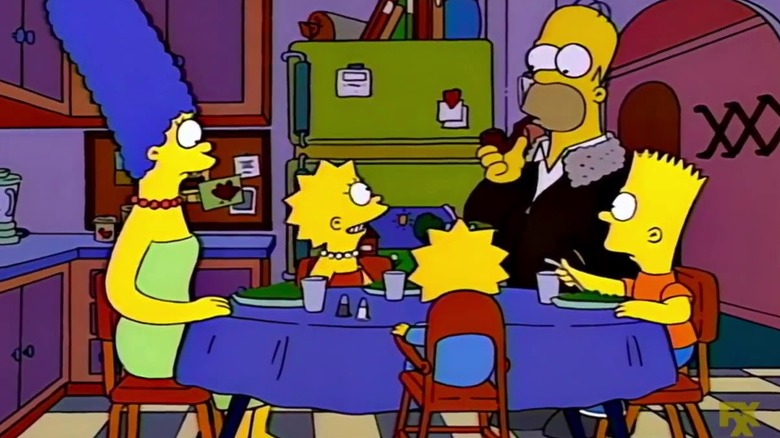
It feels a little diminishing to call "The Simpsons" a TV series because, over the course of its 30+ seasons of animated comedy and satire, it has transcended the medium to become something more like a cultural touchstone. "The Simpsons" has aired hundreds of episodes and addressed nearly as many cultural and societal topics, and it has also seemed to eerily predict the future in many cases. It's hard to narrow down one best Season, but Season 5 is probably the one.
When Season 5 of "The Simpsons" ran, it was still a relatively young show. Its characters were still understated enough to feel relatable, and its comedy was some of the sharpest of its time. It marks the series' transition into a more experimental, fast-paced style without having lost touch with its more grounded roots, and some of the best episodes of the series come from Season 5, including "Cape Feare" and "Deep Space Homer."
5. The Office, Season 3
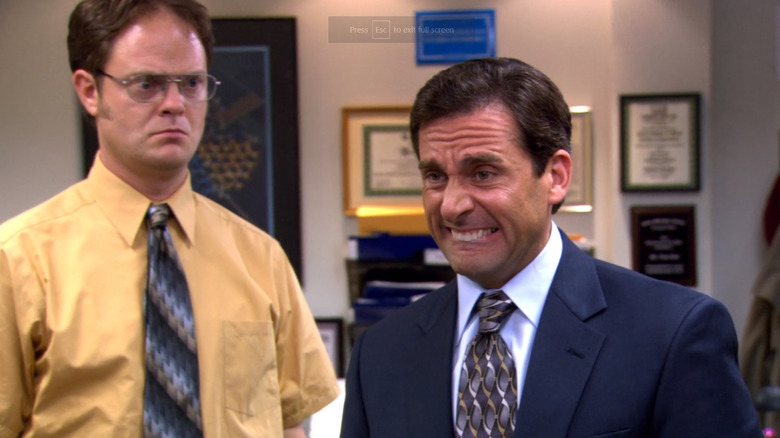
When the American adaptation of the U.K.'s "The Office" first hit TV, it was largely a facsimile of its British counterpart. Thanks to the talent of performers like Steve Carell and writers like Mike Schur, though, the series quickly found its identity as a harmonious merging of cringe comedy and imperfect yet lovable characters. Season 2 is the height of "The Office" as a cringe comedy, but Season 3 is the best season of the show because audiences have had a chance to become invested in the characters at Dunder Mifflin's Scranton branch.
It's satisfying to see Pam (Jenna Fischer) forced to accept some of the pain and cringe that comes with loving someone who's in a relationship with someone else, and the developments in the romances between Dwight (Rainn Wilson) and Angela (Angela Kinsey) and Michael (Carell) and Jan (Melora Hardin) create real stakes that play out through Season 4. Season 3 also introduces one Andy Bernard (Ed Helms) to the main cast, and even though his character is unevenly written over the course of the series, Helms' comedic skill is synonymous with "The Office."
4. The West Wing, Season 2
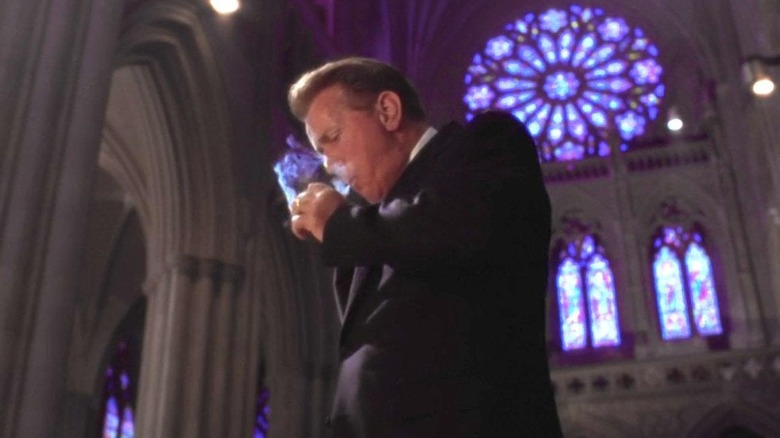
In a poll of TV viewers, 23% named Jed Bartlett (Martin Sheen) the best U.S. president in the history of television, and that probably has a lot to do with Sheen's incredible performance in "The West Wing" Season 2. Sheen brought skill and gravitas to the role in all seven seasons of the series, but Season 2 was a perfect storm. It merged the benefits of a more established cast of characters — sans the widely disliked Mandy (Moira Kelly) — with Aaron Sorkin's prowess as a dramatic writer and gave Sheen the kind of plot that most TV actors could only dream of at the time.
Season 2 resolves the aftermath of Season 1's terrifying assassination attempt (which includes an iconic scene wherein Bartlett schools a far-right radio host on Bible scripture) only to launch into a long storyline surrounding President Bartlett's secret multiple sclerosis diagnosis. Season 2's finale, "Two Cathedrals," provides a stunning character study of Jed as president and Jed when he first met his longtime friend and executive secretary, Mrs. Landingham (Kathryn Joosten). The season (and series) is required viewing for fans of political fiction.
3. The Good Place, Season 1
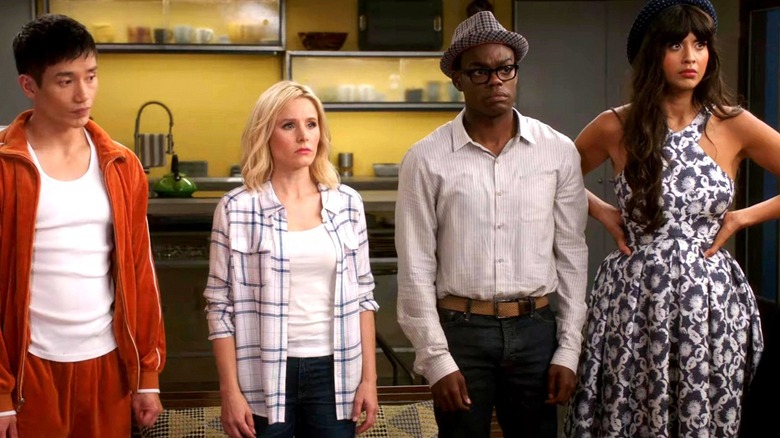
It's not easy to surprise modern audiences. Now that people can connect from around the world via the internet, it's easier than ever for fans to purvey insightful plot predictions or even collaborate to build sprawling theories. Season 1 of "The Good Place" is good not only because it's a pristine premiere sitcom season filled to the brim with jokes, but also because it pulls off one of the best TV plot twists ever.
On "The Good Place," the Good Place has a clear aesthetic vibrancy buffeted by corny residents and clever fro-yo flavors. It also enjoys one of the most superb comedic ensembles to ever grace television, including talented newcomers like William Jackson Harper (Chidi) and D'Arcy Carden (Janet) and universally beloved TV vets like Ted Danson (Michael) and Kristen Bell (Eleanor). The twist at the end of Season 1 is so good that we don't want to risk spoiling it for anyone, even all these years later.
2. Breaking Bad, Season 5
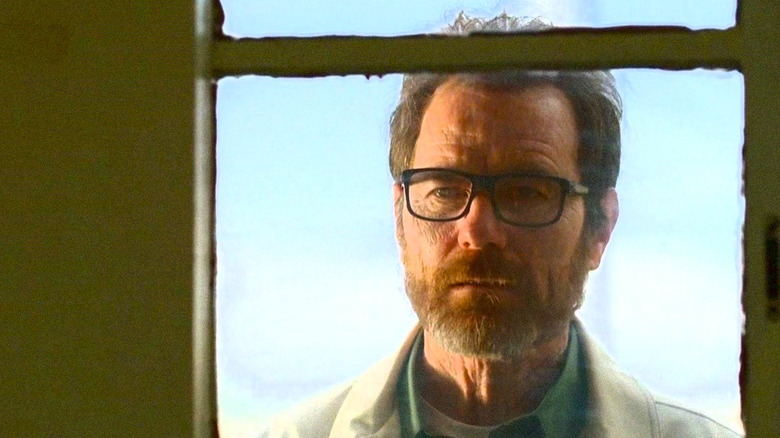
While "Breaking Bad" could certainly be considered one of those shows that is best as a full saga rather than one with distinct seasons that can be more easily digested as individual parts, it's not exactly without a best season. It's one of the best TV shows ever made (and some would argue it's the best, period), largely thanks to intricate, decisive plotting from the show's creator, Vince Gilligan. Because of this, Season 5 is its best season as the culmination of a symphonic TV series.
All five seasons of "Breaking Bad" are high-quality — gripping, tense, and filled with masterful acting from lead Bryan Cranston (Walter White). But Season 5 isn't just an ending, it's an ending that was planned and built up to. Every part of Season 5 works well thanks to four seasons of story and character building, and it's a treat to see all of it come together.
1. Fleabag, Season 2
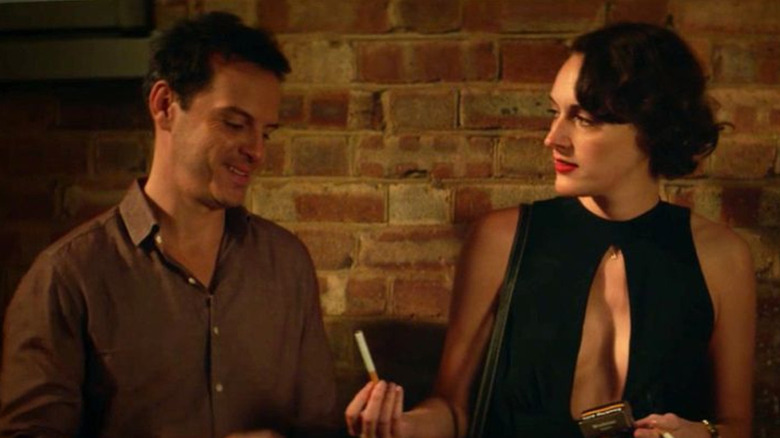
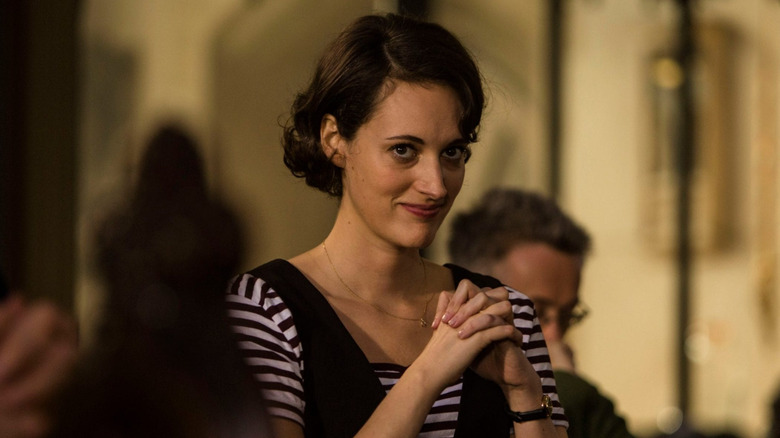
Season 1 of "Fleabag" is about a woman who is so muddled in a frenzy of grief, guilt, self-loathing, and sorrow that she can hardly function. Season 2 of "Fleabag" is about that woman finding her way back to a life and self she's proud of, wherein she finally clarifies her priorities and forgives herself for the many ways she has failed as a daughter, sister, friend, and partner. Fleabag (Phoebe Waller-Bridge), the woman in question, who can only practice self-reflection via the fourth wall, also learns to forgive how others have failed her.
It sounds drippy and boring, but Season 2 of "Fleabag" is just as outrageous and hilarious as the first, if not more so. Fleabag finds herself in an emotional situationship with an Irish Catholic priest, referred to as Hot Priest (Andrew Scott). He's extraordinary, and he proves that she is lovable and capable of love. Their relationship ends with a bittersweet goodbye, but it also allows Fleabag to embrace vulnerability with her sister, Claire (Sian Clifford), and to move forward without the fourth wall as a crutch.