

5 Controversial Ways Disney Rewrote Star Wars Canon
It's been over a decade since George Lucas sold the entire Star Wars universe to the Walt Disney Company, ushering in a new era of the galaxy far, far away. At the time, fans had a very complicated relationship with George (which is putting it nicely), following years of tinkering with the films and the Star Wars universe as a whole.
First was the Star Wars special editions, which replaced the original films' practical effects with CGI in an attempt to modernize them with what were then cutting-edge digital spaceships and explosions. These special editions also affected the narrative of the film, like reviving "A New Hope" deleted scene with the villainous Jabba the Hutt or the infamous "Greedo shot first" that attempted to make our favorite scruffy nerf herder Han Solo (Harrison Ford) a little less amoral.
With Disney now in charge, expectations were sky high for what the future of Star Wars would look like, but to chart that new path, Disney rewrote some core parts of the Star Wars canon, and ended up on the receiving end of many of the same criticisms that Lucas had faced decades earlier. And in this list we'll map out five of the most controversial ways Disney rewrote the Star Wars canon, for better and for worse.
Adding shades of grey to the Rebel Alliance
The Rebel Alliance is the focal point on which the entire original trilogy focuses, and they are invariably portrayed as the good guys, with a single-minded focus on restoring peace and justice to the galaxy that has spent decades under the grip of the tyrannical Empire.
However, despite how important the Rebel Alliance is to the history of Star Wars, we don't see much of it in Lucas' prequel films, with only one deleted scene from "Revenge of the Sith" offering the briefest glimpse of Padme Amidala's (Natalie Portman) attempt to organize the resistance against the powerful Emperor Palpatine (Ian McDiarmid).
When Disney took over, it plunged into this 30 year span of galactic history with "Rogue One," which brought shades of grey to the Rebel Alliance, depicting them as willing to do nefarious acts in order to defeat the Empire. And then there's "Andor."
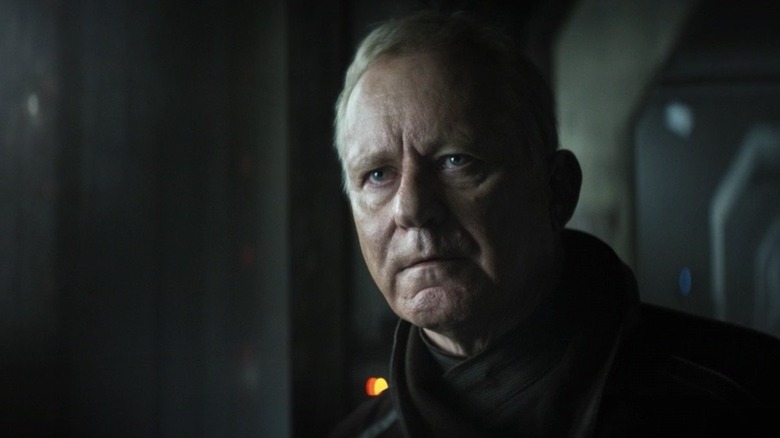
The "Rogue One" prequel takes place five years before the original film, and series creator Tony Gilroy said that while he respected the sanctity of the Star Wars canon, he still found ways to rewrite the history of the galaxy in his own voice. Characters like Luthen Rael (Stellan Skarsgård) are rebels just like Luke, but they are willing to get their hands dirty in a way no one other Star Wars character ever had before.
These changes caught many fans off guard, but "Andor" is now a critically beloved show, showing that something controversial can still make for great storytelling.
Somehow Palpatine returned
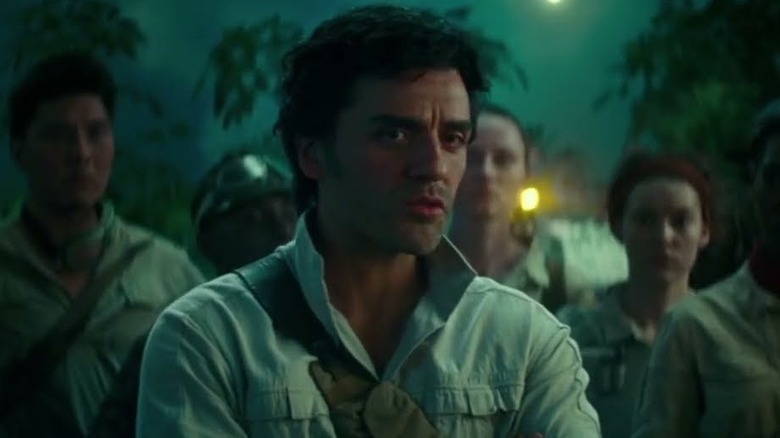
There are many iconic lines from the Star Wars saga, but the most infamous is from "Episode IX: The Rise of Skywalker." It happens at the beginning of the movie, after the opening crawl reveals that the evil Dark Lord Palpatine has risen from the dead, and Poe Dameron (Oscar Isaac) delivers the bad news to the Resistance forces with three words: "Somehow, Palpatine returned."
This line is controversial for a couple major reasons: The first and biggest was that Palpatine was, as far as Star Wars characters go, definitively dead, what with Darth Vader chucking him into the Death Star's energy reactor at the end of "Return of the Jedi." But then again, the Sith are famous for experimenting with the boundaries between life and death, as Palpatine explains to Anakin (Hayden Christensen) in "Revenge of the Sith" when he recounts the story of his master Darth Plagueis.
So, there's precedent in the Star Wars canon for Palpatine discovering how to bring himself back to life, but what really made this revision of the canon controversial was that it happens off-screen. While there have been teases of his resurrection technology in spin-off projects like "The Bad Batch" and "The Mandalorian," the actual reveal of Palpatine's resurrection was only visible in a Fortnite preview.
While some fans might have hated this, Ian McDiarmid thought it fit with Palpatine's grand ambitions. "I felt that Palpatine always had a plan B — probably a plan C, D, E, and F as well. And he was an expert in cloning," he said in an interview with Empire magazine.
Boba Fett & the Mandalorians
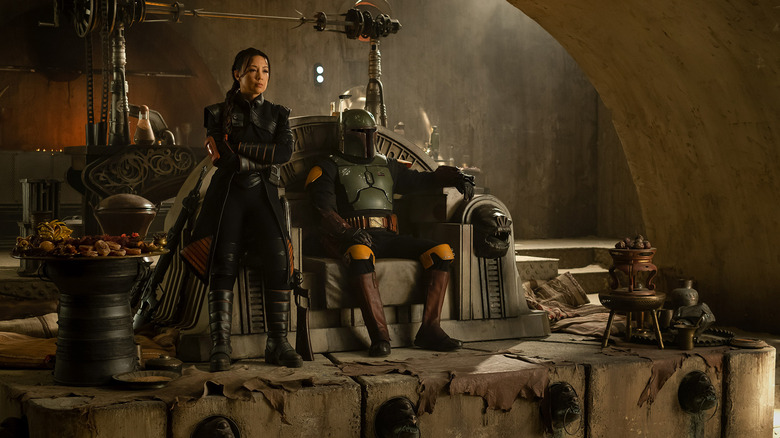
Boba Fett (played by Temura Morrison) may only be on screen for a handful of minutes in the original Star Wars trilogy before he was unceremoniously kicked into the maw of the Sarlacc Pitt, but that only made fans clamour to know more about him and where he got that wicked set of armor, and they got exactly what they asked for with the Disney+ series "The Mandalorian" and its spin-off "The Book of Boba Fett."
But sometimes what you wish for isn't what you thought, and these shows introduced a slew of new concepts centered on Din Djarin (Pedro Pascal) and his cult of Mandalorian warriors who never remove their helmets, a heretofore new concept to the Star Wars canon. And then there is the story of Boba Fett himself, who was revealed to have crawled his way out of the Sarlacc pitt to live with the Tusken Raiders and fight his way to become the Daimyo of Mos Espa.
These questions were the subject of endless speculation from the moment Boba Fett appeared in the original films, and now that we have our answers, we only have more questions.
The Skywalker Family (or lack therof)
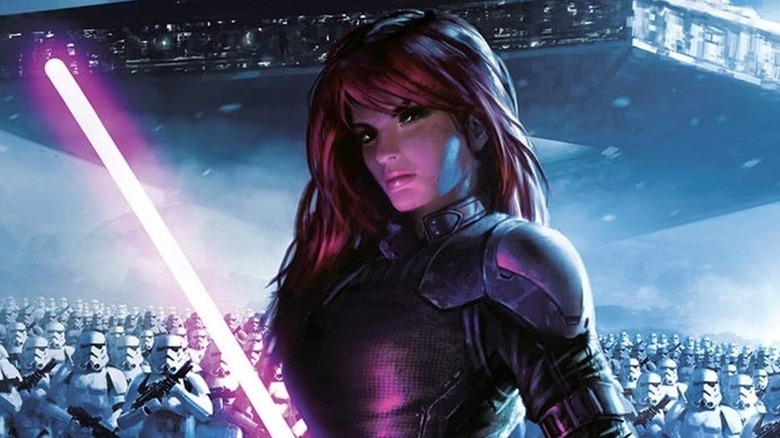
Both the original and prequel trilogies focus on the story of the Skywalker family, and the subsequent novels and comic books showed us how that family tree would grow from then on.
Timothy Zahn's Thrawn trilogy introduced a new character who would become a central to Luke's life. Mara Jade follows an enemies-to-lovers arc, going from one-time hand of the Emperor to wife of Luke Skywalker, and eventually giving birth to his child Ben Skywalker. Both Mara Jade and Ben Skywalker go on to become Jedi masters in Luke's quest to restart the Jedi Order (more on that in just a moment).
With Luke transitioning firmly into the afterlife as a force ghost at the end of "Episode IX," the door has been definitively closed on one of the Legends Canon's most important characters. However, while Mara didn't make it from the page to the screen, Ben did, albeit with different parents. Ben Solo (Adam Driver) would carry on his name, though his story would more closely resemble that of Ben's cousin Jacen Solo, who in the novels falls to the Dark Side of the force, much like Kylo Ren.
Luke's attempt to restart the Jedi Order is wildly different
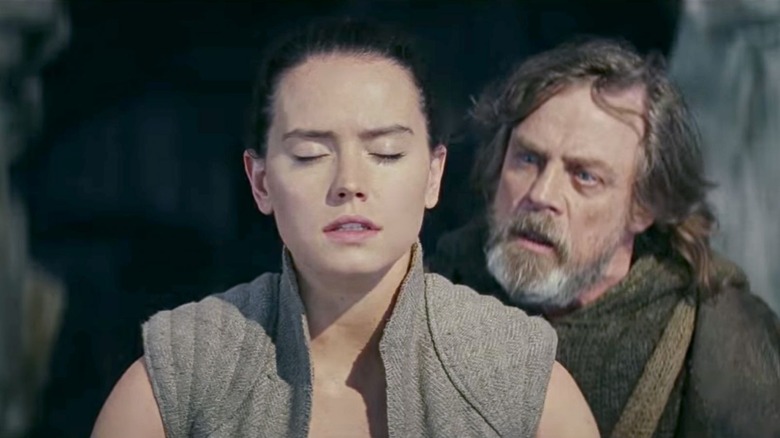
Ever "Return of the Jedi" came out, fans speculated about what happened to Luke after becoming a full-fledged Jedi Master. In the sequel novels, Luke restored the Jedi Order and took on a number of padawans in his pursuit of bringing peace and order back to the galaxy after the fall of the Empire. He ultimately led them in battle against the Yuuzhan Vong to thwart the deadly creatures' conquest of the galaxy. There are ups and downs, but the New Jedi Order eventually succeeds in restoring the place of the Jedi in the galaxy. Not quite how it goes in Disney's sequel trilogy.
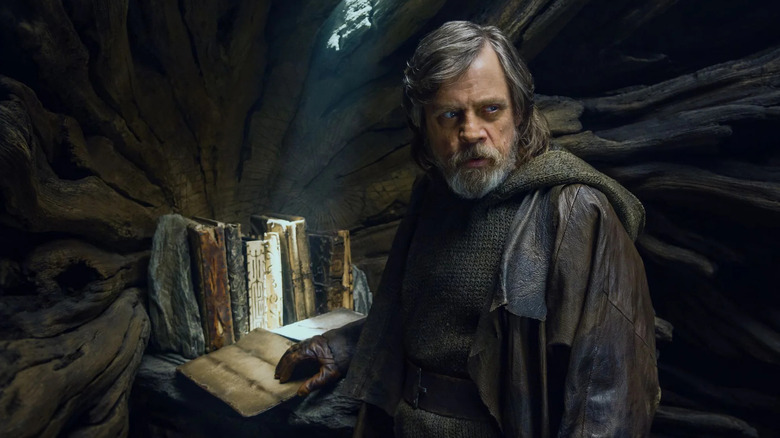
"The Force Awakens" opens with Luke's attempt to restart the Jedi Order having already failed, leaving the one-time Jedi Master in hiding. Then "The Last Jedi" goes on to explore exactly why Luke had abandoned the galaxy, shuttering the Jedi Order after he failed to save his nephew Ben from the Dark Side. Now living as a hermit like his former master Yoda, this version of Luke was far from the heroic leader fans expected. Even Mark Hamill himself had misgivings about this radical new take on the character.
In the end, Luke succeeds in restarting the Jedi Order, though he leaves it in the hands of his disciple, Rey (Daisy Ridley), with an ending scene that shows us that the future of the Jedi is very much still alive across the galaxy. A film dedicated to Rey's efforts to build the New Jedi Order was announced in 2023, and we still don't know just how it might rewrite the canon of Star Wars yet again.