

5 Superhero TV Shows That Got Worse With Every Season
A decade ago, it seemed that superhero television shows were a dime a dozen. Almost every major network aired some sort of comic book-inspired program, and streamers eventually caught up to the craze. While there was once a time when superheroes on television were somewhat hard to come by, that all changed in the 2010s. Comic book fans everywhere were delighted that their favorite heroes could now be revisited on the small screen, be they DC Comics or Marvel — but some shows were more consistent than others.
While we've already highlighted the five biggest superhero shows that changed the genre forever, this time around, we're putting a spotlight on five series — both live-action and animated — that failed to stick the landing. Over the course of every new season, the quality of these once-promising programs diminished, straying away from what made them great to begin with and leading to an inevitable cancellation that (often) is somewhat tragic looking back.
From traditional superhero fare to alternate universe shenanigans, and to the exploration of how superpowers might interact with our world, these are the shows that struggled to maintain the high quality they offered at the beginning. Make no mistake, we still love them for what they are. But there's also no denying that they got worse with every new season.
Supergirl
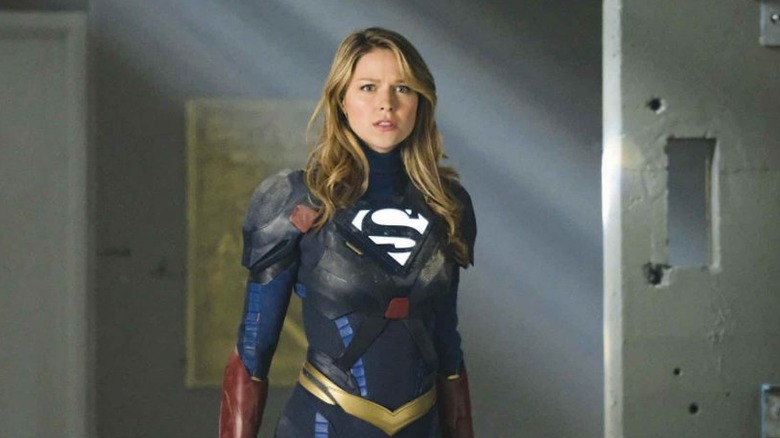
When "Supergirl" first aired on CBS, it was its own thing, divorced from the growing trend of the superhero shared universes on "Arrow," "The Flash," and "DC's Legends of Tomorrow." Meant to be a modern reinterpretation of the Maiden of Might, the series showed promise from the start, even after giving in and crossing over with "The Flash" after 18 episodes. But once the network pulled the plug, The CW took over — and it was all downhill from there.
Aside from introducing frustrating romances and sidelining the Man of Steel himself (played by Tyler Hoechlin, who would later headline his own unrelated but superior series, "Superman & Lois"), "Supergirl" continued to spiral into what essentially amounted to a mixture of self-parody and constant virtue signaling. The longer the series ran, the more overtly preachy it got, trading in most of the fun superheroics that drew us to Melissa Benoist's Supergirl in the first place for a half-baked attempt to "say something" about the world on the other side of the TV screen.
"Supergirl" held a boatload of potential, and while it still had its moments in future seasons (like Jon Cryer's Lex Luthor), it ultimately failed to live up to its own expectations. The first season was fun, cheerful, and perfectly embodied the youthful optimism of the comic book character. The last season, well, let's just say there was a reason "Supergirl" ended when it did.
Young Justice
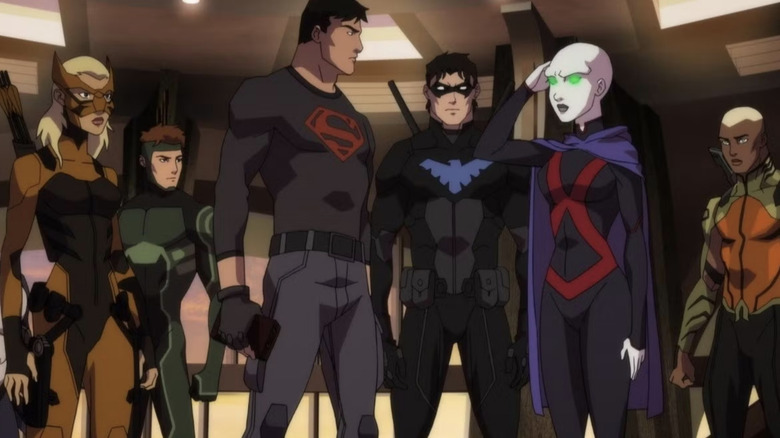
When it comes to animation, DC leads the charge with some of the best animated programs out there. From "Batman: The Animated Series" and "Justice League Unlimited" to "Super Friends" and "Batman: The Brave and the Bold," if you're watching a DC animated series, you're in for a treat. The same is true, of course, for "Young Justice," which kicked off with a stellar first season on Cartoon Network. Although we weren't as "whelmed" with Season 2, subtitled "Invasion," it largely maintained the same high quality. Unfortunately, when the show was later revived on streaming, it lost something special.
Part of what was so appealing about "Young Justice" was the show's focus on the original team. Robin (Jesse McCartney), Aqualad (Khary Payton), Superboy (Nolan North), Kid Flash (Jason Spisak), Artemis (Stephanie Lemelin), and Miss Martian (Danica McKellar) were the core of the series, and their friendship and foundation kept us with the series even through the second season's impromptu time-jump. But when Season 3, subtitled "Outsiders," shifted further away from the core characters by adding to the already large roster, it fell flat for many.
Admittedly, Season 4, subtitled "Phantoms," attempted to course-correct back to the surviving core cast members, but it did so by focusing on one or two of them at a time rather than having the whole unit together. Although a step in the right direction in some ways, it failed to recapture that "Young Justice" magic that hooked us on the show to begin with. Whether the show will be revived again remains to be seen, but at this point, it seems unlikely.
The Flash
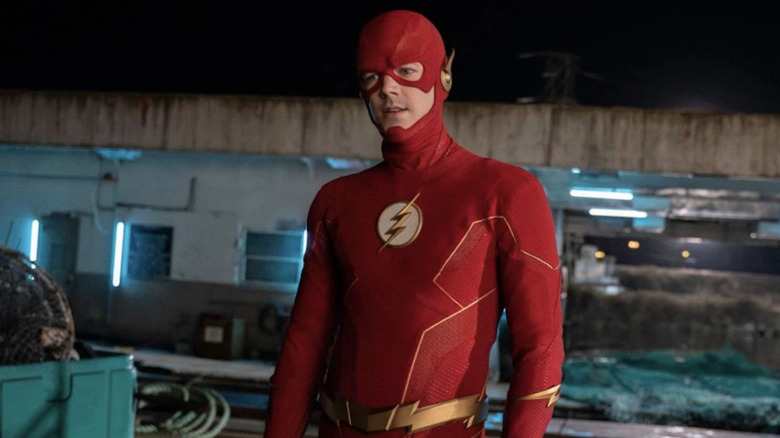
When you look back at the nine years that "The Flash" was on the air, there is absolutely no doubt that the show peaked in its first season. Folks fell instantly in love with Grant Gustin's Barry Allen, and his early days as the Fastest Man Alive were full of action, romance, and plenty of DC Comics flair that kept us on the edge of our seat. With a strong supporting cast and a fascinating mystery surrounding Harrison Wells (Tom Cavanagh), "The Flash" was an instant hit that rivaled "Arrow." Until it wasn't.
While the second and third seasons still had potential, the series was bogged down by making every new "Big Bad" a speedster. By the time the fourth season came around (introducing a new type of antagonist at last), many had already tuned out. Save for some of the larger Arrowverse crossovers, the show continued to lose its focus, making the Flash identity more of a team effort than highlighting the solo heroics of the show's lead. And need we even bring up the fact that nearly everyone in the main cast gets superpowers? While there is some debate as to which season is the worst, Season 1 is undoubtedly still the best.
By the time "The Flash" was winding down with Season 9, many were happy to see it go. While the Scarlet Speedster started off strong, a gradual decrease in viewership ultimately led to the show's cancellation. As the longest running Arrowverse program, "The Flash" is an important piece of superhero television, but, of course, quantity does not always equal quality.
What If...?
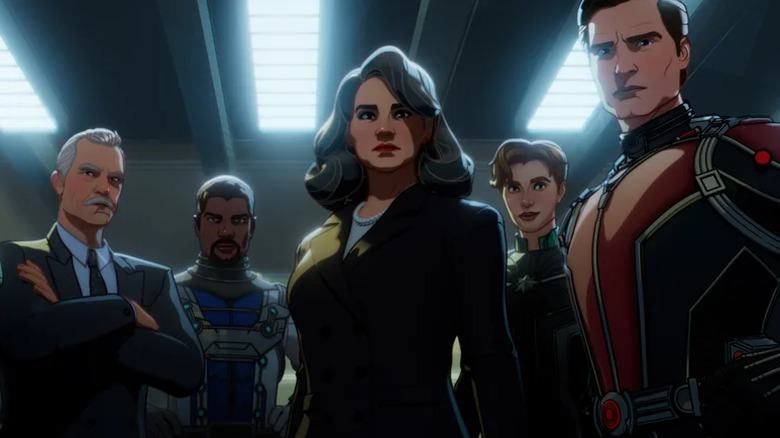
While most animated Marvel television productions don't last long enough to warrant several renewals, those that do are usually a cut above. DC may be the bigger contributor to this list (DC produces the most TV, after all), but Marvel Studios has its fair share of television duds as well. However, when it comes to multi-season programs that got progressively worse with every new batch of episodes, we'd be remiss not to mention the animated Disney+ series "What If...?"
What started as an amazing way to honor the Marvel Comics series of the same name while shaking things up for longtime Marvel Cinematic Universe fans quickly turned sour when the second season decided to build on the first rather than sticking to the core concept. Sure, it was fun to see some of the alternate heroes assemble against an uber-powerful Ultron (Ross Marquand) in Season 1, but nobody wanted to continue with those same characters into Season 2. If anything, the brilliance of "What If...?" is that the show didn't need to be shackled by continuity or recurring characters and cameos.
By the time the third season came around, many were disheartened by the direction of the animated series — and especially the over-reliance on characters like Captain Carter (Hayley Atwell). It was cool once, but seeing the character shoehorned into every season (not to mention live-action) got old quick. It didn't take long for this concept to lose its charm.
Heroes
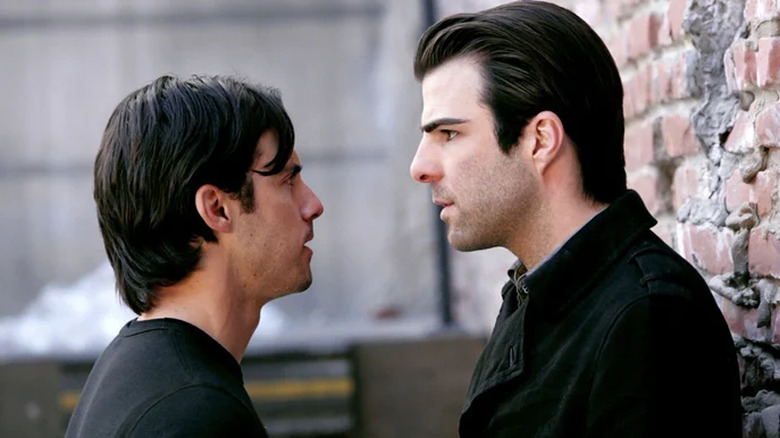
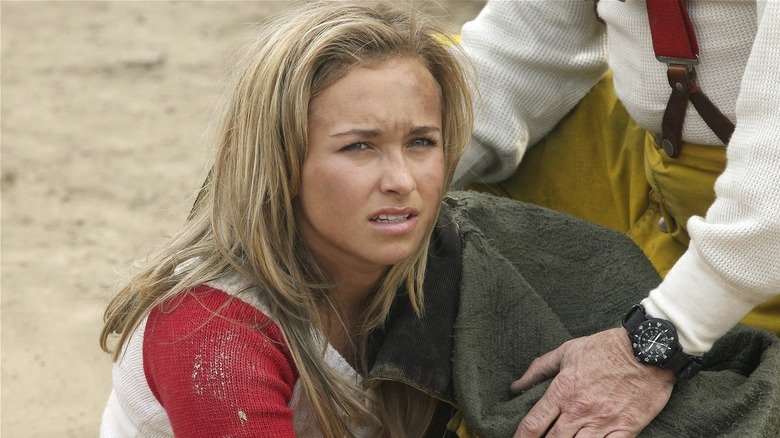
"Heroes" is notorious for its egregious dip in quality over time. While the first season is a modern television classic that ought to go down in the Superhero TV Hall of Fame (if there is such a thing), the second season suffered miserably from the 2007-08 Writers Strike that took the television industry by storm. By the time the show came back for Season 3, it split the narrative in two and failed to live up to its long-anticipated promises — and that's not to mention Season 4.
A show about random and unconnected individuals who discover that they have superpowers only to come together to stop an attack on New York City (only a few years after 9/11) was a novel idea. There's a reason that "save the cheerleader, save the world" became an important pop culture touchstone, and why many look back fondly on that first 23-episode season. It's phenomenal television that sucks you in with compelling characters and a fascinating world you can't wait to uncover.
Of course, the cautionary tale of "Heroes" — and NBC's incredibly short-lived "Heroes Reborn" revival — should remind networks that a stellar idea for a first season does not a successful television series make. Had "Heroes" pivoted to new characters for its second season or, at the very least, followed up the plot without resurrecting (and then redeeming) its most powerful villain, it could have been remembered better today. As it stands now, mixed feelings dominate the conversation about "Heroes."