

5 Superhero TV Shows That Changed The Genre Forever
It's hard to turn on your TV or poke around on the home screen of a streaming service and not see an avalanche of superhero TV shows. Whether it's small-screen programs adapting long-beloved comic characters or original superhero fare, the television landscape is full of superhero productions. While there have been plenty of duds in this creative space (hello, "Inhumans" and "The Cape"), the artistic highs have made it clear why audiences gravitate towards these shows. Productions like the 15 best superhero TV shows ever made still rate highly with television devotees of all stripes. No wonder audiences and artists alike are eager to see if that kind of quality has transpired once more.
In the pantheon of superhero programming, though, some of the most important shows aren't necessarily the ones with the highest Rotten Tomatoes scores. Instead, that honor goes to the five superhero TV shows that changed the genre forever. These five programs all redefined what was possible for superhero programming in a slew of different ways. Some put certain networks on the map. Others established tones and aesthetics that countless subsequent programs would imitate for decades to come. Still others spawned sprawling shared universes that would prove inescapable.
However, these superhero shows immensely impacted the wider subgenre; their various legacies are fascinating to unpack. Come put your best super suit on and let's look at the five superhero TV shows that forever changed the small-screen space.
Smallville
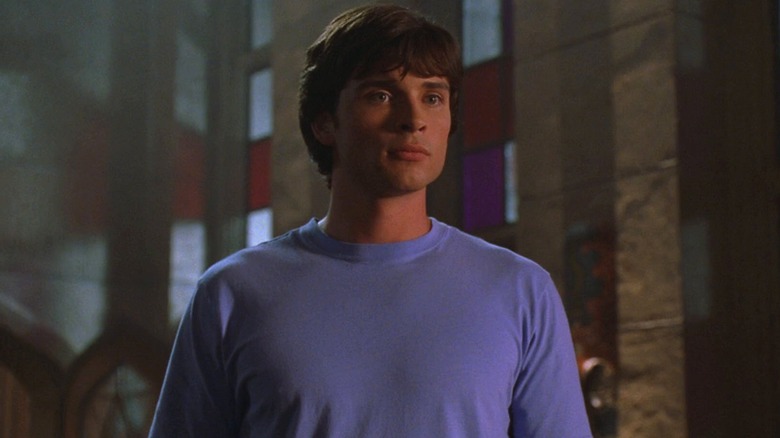
There had been multiple TV shows based on DC Comics properties before 2001, like "Batman" and "Lois & Clark: The New Adventures of Superman." However, "Smallville" was a game-changer for DC TV shows that all further forays into this field would be compared to. Launching in October 2001, "Smallville" used episodic television to gradually depict Clark Kent growing up from a Smallville, Kansas teenager into Superman. Smashing viewership records for the WB network the moment it began airing, "Smallville" was an instant hit that got people reinvested in live-action Superman media.
With the benefit of hindsight, many subsequent superhero shows have taken serious cues from the successes of "Smallville." Most notably, various Arrowverse programs, which also ran for countless seasons, mimicked this show's successful realization of slow-burn character arcs over multiple seasons. Meanwhile, its more intimate scale compared to the typical superhero movie reaffirmed that audiences didn't need massive spectacle to get invested in comic book adaptations. They just needed compelling stories and engaging actors. For so many viewers, "Smallville" constantly delivered on both those fronts and more.
To boot, "Smallville" and its 30 best episodes established The WB/The CW as a lucrative launchpad for superhero television. The network would subsequently release more programs in this space, particularly in the 2010s when the Arrowverse dominated the airwaves. In countless ways, "Smallville" was a game-changer for superhero shows and television programming writ large. What a fitting achievement for a show about a superhero titan like Superman.
X-Men: The Animated Series
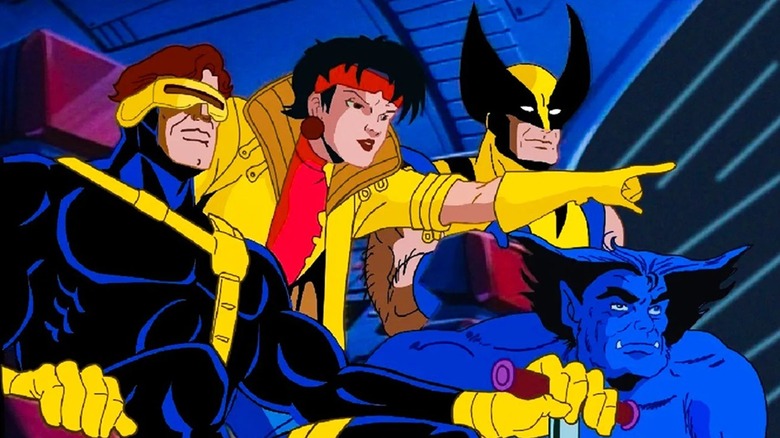
If you have any fondness for the various Marvel cartoons that hit the small screen in the '90s, you owe a massive debt of gratitude to "X-Men: The Animated Series." This tremendously successful animated show paved the way for further animated Marvel shows in the 20th century's final decade. Programs like "Spider-Man: The Animated Series," "Silver Surfer," "Iron Man," and more were all riding the high wave that "X-Men: The Animated Series" had launched. Some of these shows, like "Spider-Man," even existed in the same continuity as "X-Men," which only further amplified the legacy of this mutant-focused program.
Meanwhile, the creative team behind the "X-Men" sequel series "X-Men '97" have often pointed out another key element of the original show that helped it become so influential: its embrace of the bombastic. "X-Men: The Animated Series" fully leaned into character drama and plot turns as grandiose as the most outlandish mutant superpowers. This entertaining storytelling approach would undoubtedly underpin subsequent, supremely confident over-the-top superhero shows like "The Avengers: Earth's Mightiest Heroes." Meanwhile, merging those narratives with ruminations on very real ruminations of real-world struggles echoes the balance between the sensational and raw in modern programs like "Legion."
The very existence of a hit show like "X-Men '97" in the modern cultural landscape speaks volumes to the enduring popularity and influence of "X-Men: The Animated Series." Spawning more animated Marvel shows in the '90s was just the beginning of this show's gargantuan artistic impact.
Arrow
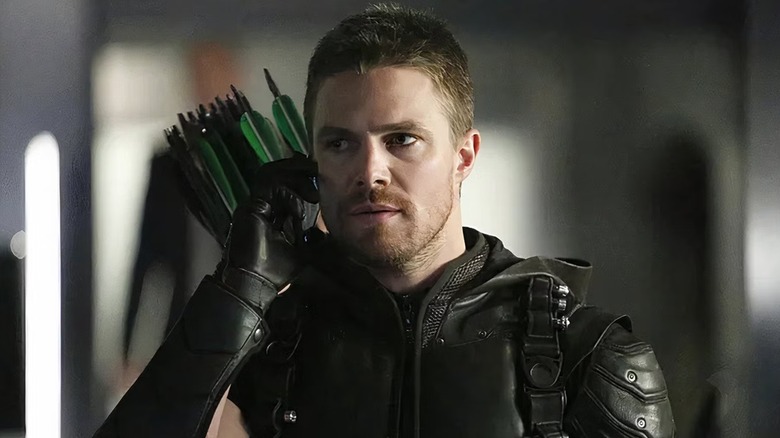
"Arrow" wasn't a perfect show. Even beyond the biggest plot holes in "Arrow," this program got flak for underwhelming romantic subplots, weird "realistic" translations of goofy comic book elements, distractingly bad performances, and other subpar details. However, "Arrow" also changed comic book shows forever, and no one noticed. Debuting in 2012, "Arrow" delivered an original season that got props from critics for its bone-crunching action and more daring episodes. However, the real lasting impact of "Arrow" would arrive with the show's endless array of spin-offs, starting with the 2014 production "The Flash."
With that program firmly set in the same universe as "Arrow," the Arrowverse was officially born. More shows, like "Supergirl" and "Legends of Tomorrow," would quickly follow and cultivate an immense fanbase. Sometimes, "Arrow" got lost in the shuffle of all these other DC shows thanks to its more grounded nature. However, it can't be denied that "Arrow" started a massive shift in the history of superhero programs. Meanwhile, Oliver Queen's dark adventures even inspired the aesthetics of other non-DC superhero programs. When Netflix's "Daredevil" began its promotional campaign, for instance, viewers took note of how it was taking some stylistic cues from "Arrow."
Dark vigilante shows emphasizing "realism" were now forever existing in the shadow of "Arrow." Granted, many of those programs surpassed "Arrow" with more consistent artistry. However, that doesn't erase the fact that this particular project was a game-changer for all superhero shows, especially ones that aired on The CW.
The Boys
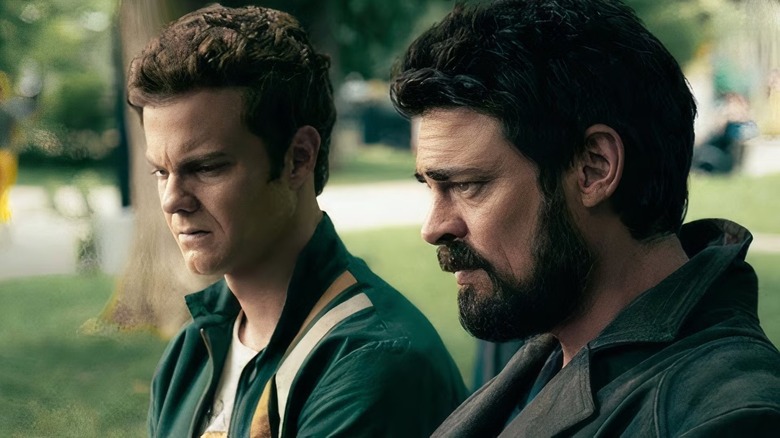
For much of the 2010s, the Marvel Cinematic Universe and its uber-powerful characters dominated culture. The annual deluge of multiple new MCU features ensured both that fan commitment to this universe remained sturdy and that the general public couldn't escape these characters. Three months after "Avengers: Endgame" brought an end to over a decade of MCU storytelling, though, a new take on superhero media began airing on Amazon Prime Video. "The Boys," based on a Garth Ennis and Darick Robertson comic of the same name, dared to suggest superheroes like Homelander (Antony Starr) were menaces and not idols to be worshiped.
With a plot focusing on ordinary humans like William "Billy" Butcher determined to kill the world's superheroes, "The Boys" was a darker and subversive take on the kind of characters the MCU centered on. The strongest "The Boys" characters and the rest of this show's ensemble proved not only popular with viewers, but also influential in what kind of superhero TV shows got made post-2019. Suddenly, moodier and more superhero-critical TV shows like "Jupiter's Legacy," "I'm a Virgo," and "Supacell" were all over the streaming landscape.
Meanwhile, the impact of "The Boys" was reinforced through various spin-offs set in its universe, like the college program "Gen V." What was a surprising, gory bolt out of the blue in 2019 is now the standard-bearer for mid-2020s superhero programming. Not too shabby for ramshackle human heroes like Butcher.
The Incredible Hulk
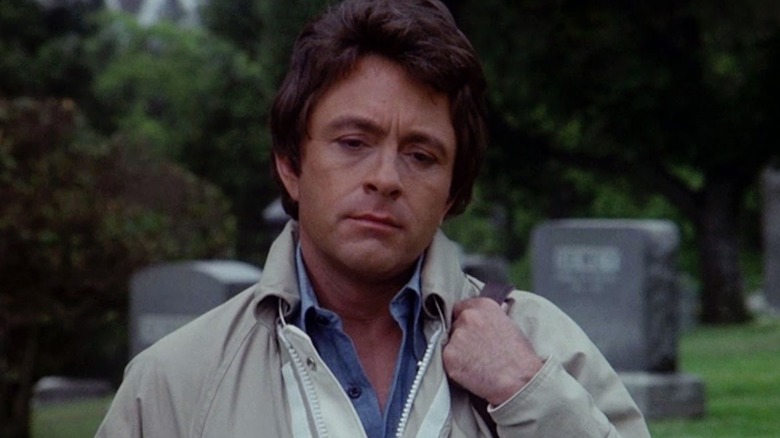
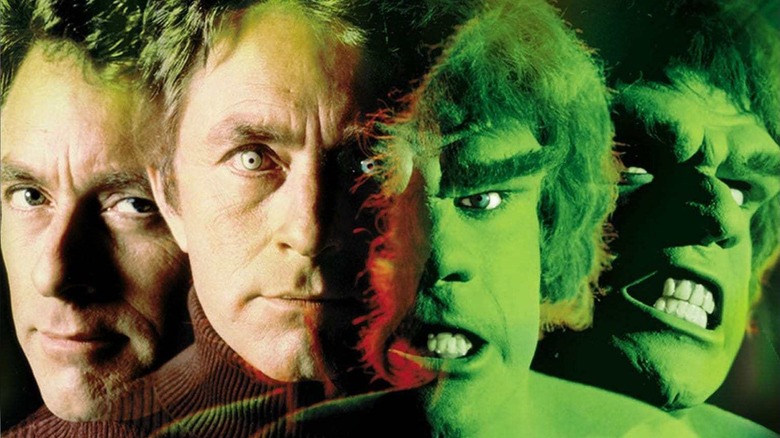
On the big screen, solo live-action "Hulk" movies have never quite clicked for audiences. For years, before "The Marvels" came around, the MCU movie that made the least money in theaters was easily "The Incredible Hulk." That's an ironic outcome given how the 1970s TV show "The Incredible Hulk" was one of the earliest successes in translating Marvel Comics characters into live-action. After some 1977 pilot movies, "The Incredible Hulk" began airing on CBS in March 1978. The show featured Bill Bixby as David Banner, while Lou Ferrigno portrayed the titular green version of that man. It would go on to span an 80-episode run until 1982, though a handful of subsequent TV movies would keep "The Incredible Hulk" alive into February 1990.
Today, sites like Comic Book Resources still hail "The Incredible Hulk" as the ideal incarnation of this particular superhero. To boot, other publications have hailed "The Incredible Hulk" as being a direct precursor to modern streaming superhero shows like "Daredevil" that combined comic book antics with darker, meditative material. "The Incredible Hulk" has proved so lastingly influential in culture that the 2020s streaming program "She-Hulk: Attorney at Law" even recreated its title sequence for one episode.
Meanwhile, subsequent '80s superhero TV fare, like "The Greatest American Hero" and "Knight Rider," clearly had their forms and tones impacted by the success of "The Incredible Hulk." This show's enormous triumphs opened up a new era for small-screen superheroes.