

10 Sci-Fi Shows That Are Much Better Than Star Trek
On the TV front, "Star Trek" remains widely regarded as the pinnacle of sci-fi and the final frontier for excellence. The Trekkie fan site Warp Factor Trek summed up its appeal by crediting the franchise's "drive to make its fiction real," and that's why it connects with whatever society experiences in that specific moment in time. So, yeah, there's no disputing that most "Star Trek"-related series find themselves among the best sci-fi TV shows of all time — but are they the best? No, not really.
See, there are a plethora of other programs that often contain similar themes or premises to "Star Trek," but succeed in doing it better. Of course, this sounds like a controversial and juicy hot take; however, this isn't a slight on Starfleet's charismatic crews by any means. "Star Trek" is still good — if not great — but these series are just a tad bit better and were even recognized by Rotten Tomatoes as the best in their genre.
So, let's head off to the stars, whip around the Milky Way, and check out the sci-fi shows that are much better than "Star Trek." It's cool if you disagree and still choose to worship at the altar of Captain James T. Kirk, but don't sleep on any of these series.
Rick and Morty
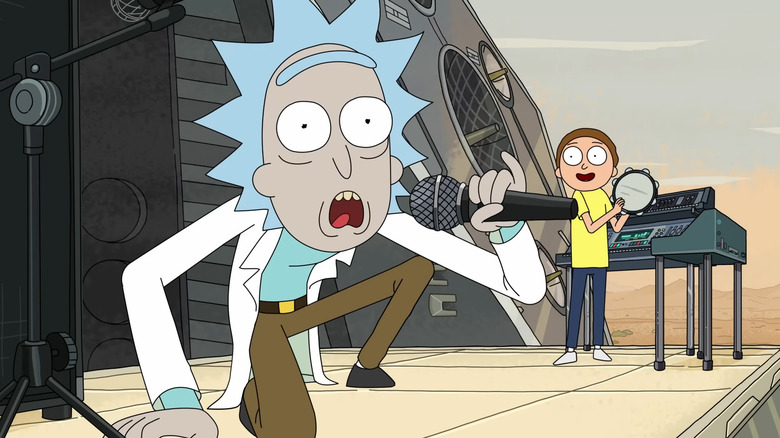
Who doesn't like to get schwifty with "Rick and Morty"?! While "Star Trek" isn't averse to having a sense of humor and getting bonkers, it's far from the roll-on-the-floor-laughing gags and cynical quips of this zany animated show. For instance, many Trekkie characters have seen their bodies transformed as part of the plot of an episode or two, but how many can claim to have ever been turned into a murder-mad pickle who makes John Rambo look like a peacemaker by comparison?
"Rick and Morty" follows a simple setup that's easy to pick up, whether you start right at the beginning or later in the series. Mad scientist Rick Sanchez (now voiced by Ian Cardoni) and his grandson, Morty Smith (Harry Belden) — as well as the rest of their family, at times — travel around the galaxy and through multiverses, experiencing all types of wild and wacky adventures featuring doppelgangers, aliens, and a whole lot of blood geysers.
Much like "Star Trek," "Rick and Morty" finds the time to tie its stories into whatever else is happening around it topically — but through a more humorous lens. The eighth season episode "Ricker Than Fiction," for example, centers on fandoms and how they're unhappy with every decision franchises make. It's funny to see the "Rick and Morty" take on this because its fandom has also been accused of the same thing, and the episode features both James Gunn and Zack Snyder lending their voices to their animated counterparts here.
Doctor Who
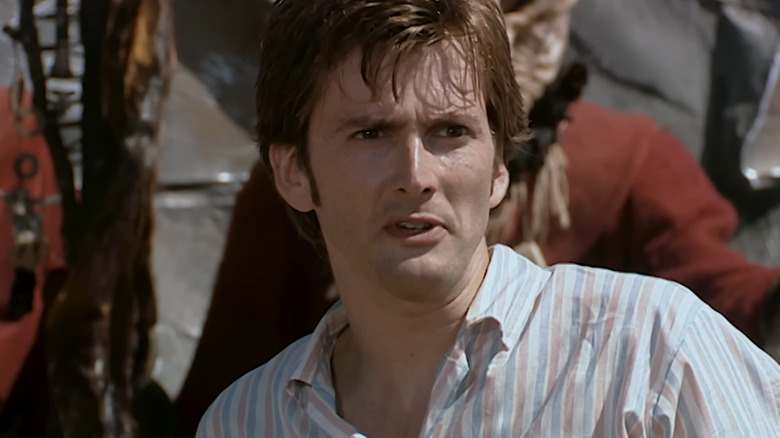
The long-running British sci-fi show "Doctor Who" has been hopping along since 1963, though it took a healthy break for a period of time to catch its breath. The series is all about an alien Time Lord called the Doctor, who travels across space and time in an old-school British police box known as TARDIS to face off against adversaries, solve world issues, and help others with their various problems. In these quests, the Doctor is often accompanied by a human character, who becomes the faithful Robin to his batty Batman.
A major reason for the success of "Doctor Who" is that it freshens up the story by introducing a new Doctor (and companion) every so often. This ensures that if the viewers aren't feeling a specific iteration, or the main actor departs the show, the showrunners can pivot and adapt accordingly. Plus, whenever a new Doctor is announced for the series, it makes headlines.
Whereas in "Star Trek," if a show doesn't connect, there are only two choices: a push through the lull. or cancellation. Quite often, the latter is inevitable — just look at how "Star Trek: Starfleet Academy" was canceled after two seasons. For "Doctor Who," though, there's no real endpoint in sight — unless it chooses to have one. This story can continue for as long as its writers and producers want to by switching out the main cast, and it's entirely within canon. It's a genius bit of storytelling, really.
Star Wars: The Clone Wars
Oh, here we go: the "Star Trek" vs. "Star Wars" debate, right? Now, let's not get too ahead of ourselves. This is the one and only instance on this list — and to be completely honest, "Star Trek" has done TV much better than "Star Wars" has over the years. Yet, the Force is particularly strong with this specific show.
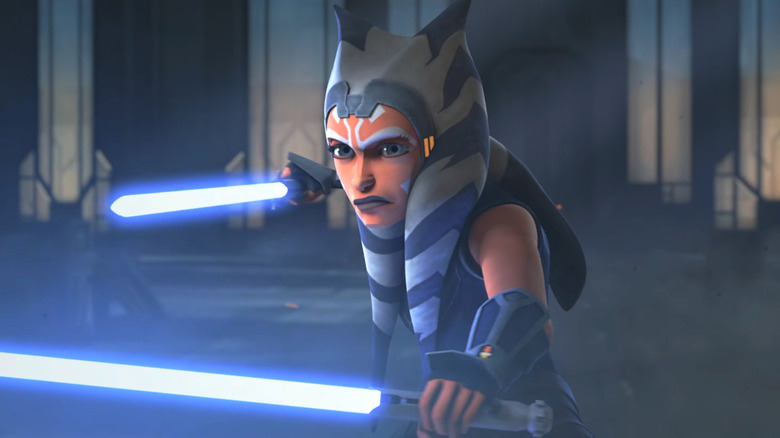
Let's call a spade a spade here. The "Star Wars" prequel trilogy continues to be divisive, and it's unlikely that any of those movies can be considered the peak of the franchise. However, the CG-animated series "Star Wars: The Clone Wars" is everything those movies should have and could have been. This glorious show is so good that it received two revivals and several spin-offs and sequels thereafter. For a viewer, it's impossible not to be sucked into the Galactic Republic's war against the Separatist Alliance, especially as the likes of Obi-Wan Kenobi (voiced by James Arnold Taylor), Anakin Skywalker (Matt Lanter), and Ahsoka Tano (Ashley Eckstein) receive outstanding characterizations and story arcs.
Ask any "Star Trek" fan which is their favorite show and there will be multiple answers. If you ask the "Star Wars" fandom to be unbiased and pick the best from this universe, it's tough for anyone to look past "Star Wars: The Clone Wars." It's impressive how the influence of this animated series has spread to the wider universe and added so much to the lore and canon. Also, it's just a really good sci-fi show overall.
The Expanse
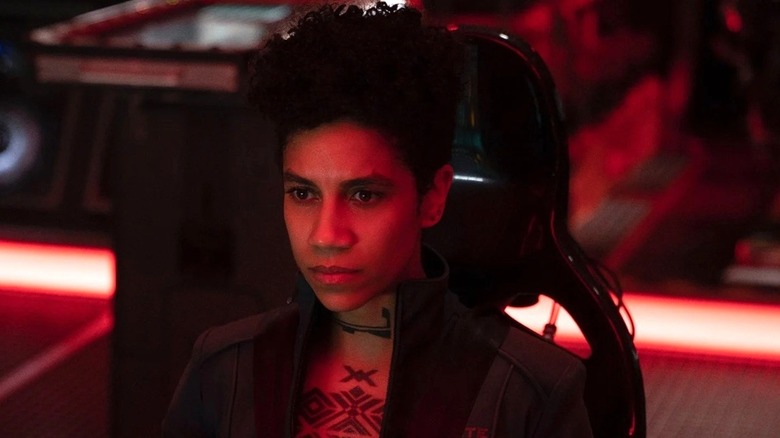
"Star Trek" never shies away from addressing political and socioeconomic topics through the lens of sci-fi. Even if the stories take place on faraway planets and feature aliens, much of it has to do with what humans are experiencing on Earth and how they deal with the issues.
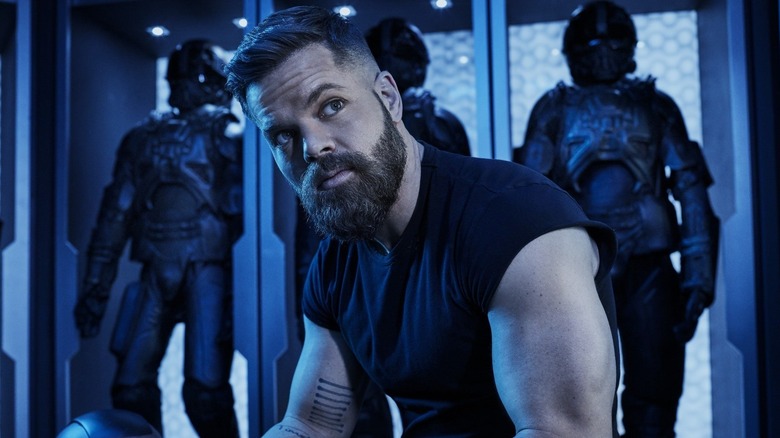
Based on the James S. A. Corey novel series of the same name, "The Expanse" believes in doing the same. Set in the distant future after Earth has colonized the Solar System, the fragility of peace teeters on the edge as shaky alliances are tested. The likes of Jim Holden (Steven Strait), Joe Miller (Thomas Jane), and Naomi Nagata (Dominique Tipper) end up finding themselves in the middle of it all, having to navigate the mounting tensions and unexpected discoveries that threaten any chance of peaceful existence.
"The Expanse" has been favorably compared to "Game of Thrones" in terms of how politics play a critical role in the overall storyline. On the surface, the show may come across as cynical because it demonstrates how humanity will always backstab, lie, and cheat, leaving society in a state of perpetual turmoil and inequality. However, the actual message is about choosing to be better and holding others accountable to values that favor the well-being of everyone over that of the elite. Across six seasons, "The Expanse" nails this theme better than "Star Trek" ever did.
Stargate SG-1
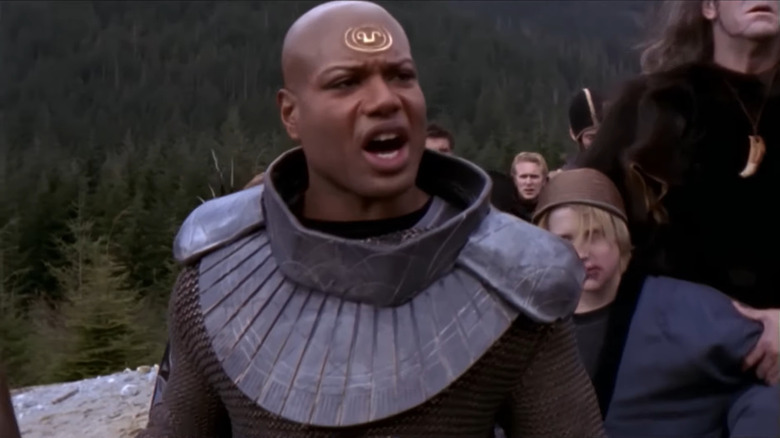
Watch any "Star Trek" series, and it's about exploring bold and strange new worlds. That's what the franchise prides itself on, as it introduces viewers to planets such as Vulcan and Qo'noS. "Stargate" is another franchise about discovery. In this case, it's about traveling through wormholes to find new planets, technologies, and potential allies to protect Earth from nefarious threats.
Canonically, "Stargate SG-1" takes place after Roland Emmerich's 1994 film. Even though Kurt Russell and James Spader don't return to portray Jack O'Neill and Daniel Jackson, respectively, Richard Dean Anderson and Michael Shanks are more than exemplary replacements in this continuation. In fact, they outshine their predecessors. That's par for the course here, as "Stargate SG-1" uses its expanded format and serialized storytelling to improve the world-building and mythology aspects of this universe. What also sets this show apart from many other series is its uncanny ability to blend heart-stopping action, thrilling adventure, lighthearted moments, and incredible synergy among its actors. It has it all! Start Season 1, and before you know it, you've already blasted through 10 seasons.
On Rotten Tomatoes, the show holds a 90% score among audiences, proving that this is must-watch TV for any sci-fi lover. Unlike "Star Trek," it's a more accurate depiction of how humans would react if they discovered potential other planets and universes. To think that everyone would be holding hands and we could kumbaya the problems away just isn't realistic. Sorry.
The Twilight Zone
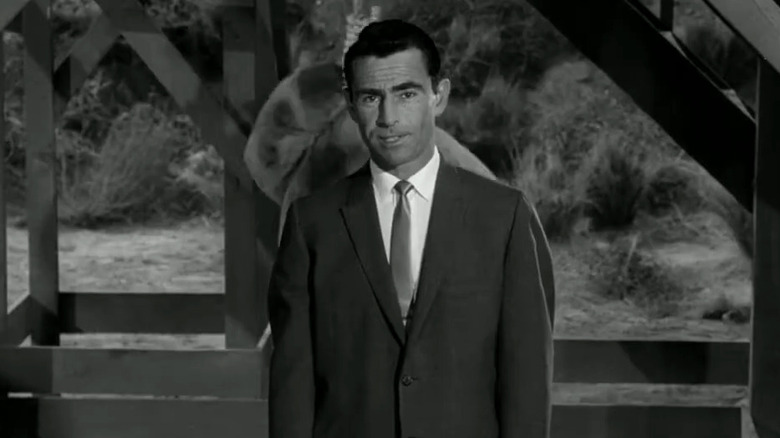
There have been revivals of "The Twilight Zone" over the years, but let's focus on the original run that aired for five seasons between 1959 and 1964. Created by Rod Serling, who also presents the anthology show, each episode features a self-contained tale — with different characters, plot points, and settings — that's rooted in elements of the supernatural or sci-fi. When all is said and done, the shocking story leaves a lasting impression on the viewer — making them think about or question their own existence, or leaving them startled by the consequences of what they have just witnessed.
As far as sci-fi shows go, "The Twilight Zone" had a major impact on the genre overall. It pushed the boundaries of what was seen and experienced on TV at the time. It was edgy and unexpected in a time when it wasn't popular to do so. Consequently, everything that came after it borrowed elements from its individual stories or how it approached sci-fi TV in general.
It isn't too difficult to see "The Twilight Zone's" influence on certain episodes of "Star Trek" either. There are times in which the characters enter the proverbial twilight zone in a story that's a little stranger and more deranged than the traditional narrative setup. All that's missing is Serling's unmistakable voice welcoming the audience to the surreal events about to take place.
The X-Files
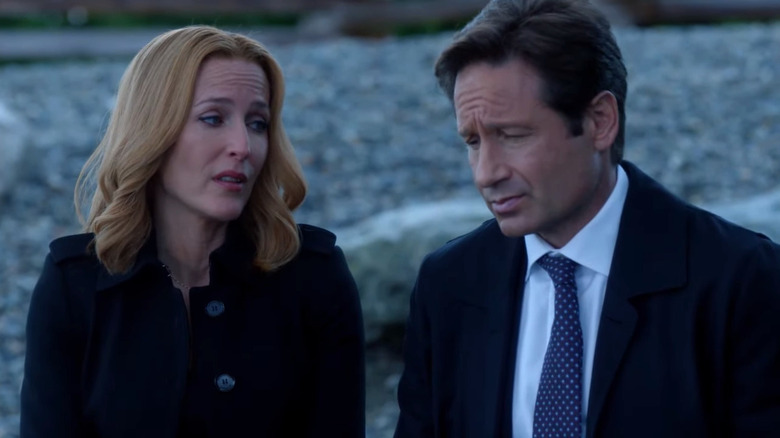
Look, "Star Trek" and "The X-Files" are different series. The former is about discovery up in space, while the latter involves uncovering the facts here on Earth. Yet, this is about sci-fi shows, so they can be compared for the purposes of this feature.
FBI agents Fox Mulder (David Duchovny) and Dana Scully (Gillian Anderson) lead "The X-Files." They investigate paranormal and inexplicable cases to get to the bottom of what's going on. Mulder believes in supernatural and conspiracy theories, while Scully chooses to be more practical and roots her belief system in science and logic. They may clash over their principles at first, but their unique approaches and mindsets make them stronger as a pair as they discover that the truth is out there. What is the truth? Well, "The X-Files" mythology contains everything from alien abductions to viruses and hybrids.
"The X-Files" shines because it's built on the chemistry between Mulder and Scully. Yes, the stories enthrall and intrigue with the allure that each thread only unravels even more mystery and conspiracy, but the cornerstone of the show remains its two leads. Together, they're one of the best duos ever on TV — across any genre, really. While "Star Trek" features its own memorable duos — such as Spock and Captain Kirk, or Jean-Luc Picard and Beverly Crusher — none of them capture the magic and tenacity of Mulder and Scully.
Futurama
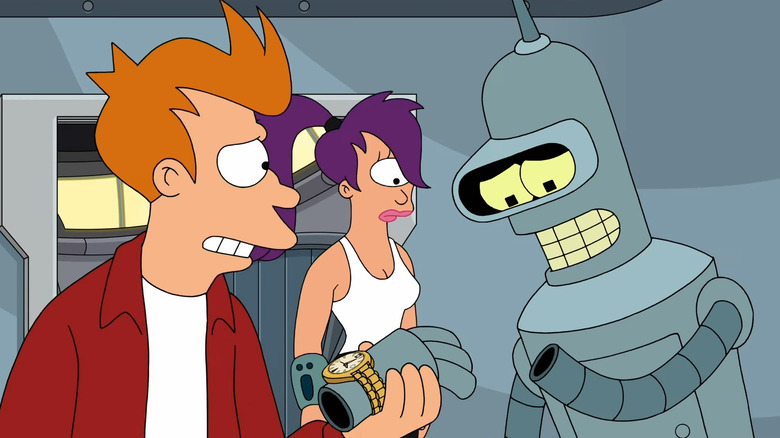
"Star Trek" operates as something of a what-if, imagining what society would look like in the future if space travel were as accessible as it is in the series. "Futurama" focuses more on showcasing what it might actually be like, in the sense that everybody would be out of their depth and winging it, much like they do today.
The series introduces pizza delivery boy Philip J. Fry (voiced by Billy West), who falls into a cryogenic chamber on New Year's Eve, 1999. He wakes up a thousand years in the future. Together with Turanga Leela (Katey Sagal) and Bender (John DiMaggio), Fry works for the delivery company Planet Express, where he and his pals travel to different planets and get themselves into all kinds of trouble.
In "Futurama," the characters feel like fish out of water because they never quite know what they're doing. As a result, it's hilarious to watch them try to get out of their predicaments. It isn't only shenanigans and tomfoolery on display, though. The Matt Groening-created series pokes fun at current affairs, too. For instance, the first episode of "Futurama" Season 11 held nothing back in addressing the WGA strike and AI. Much like its spiritual sibling series "The Simpsons," this show doesn't run around in circles or hint at matters; instead, it chooses to cut through the noise to make decisive and blunt points.
Babylon 5
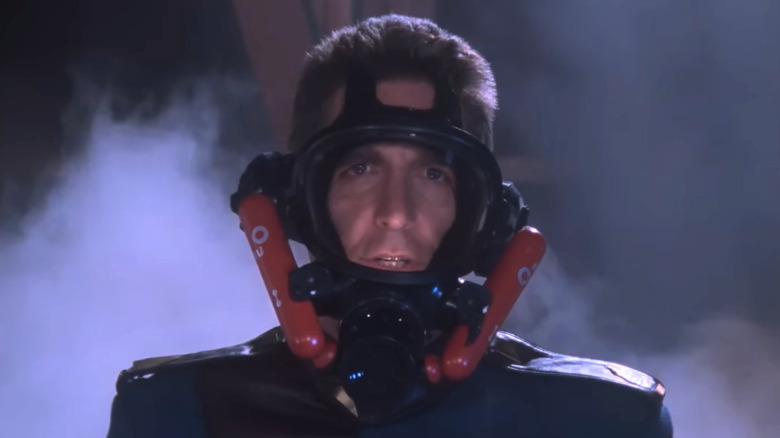
When "Babylon 5" arrived in 1993, it was a breath of fresh air on TV because it had an endpoint in sight and mind. Creator J. Michael Straczynski envisioned the overall story as a five-year arc with the show concluding after five seasons — and guess what? The show stuck to the creator's plan. The narrative explored the complicated dynamic and escalating tensions between humans and aliens on the space station known as Babylon 5. Then, in 1998, the series wrapped, providing one of the most satisfying '90s TV finales ever. If you wanted more, there were novels, comic books, and other media to fill in the lore gaps or provide further details about characters. Lest we forget, there was also the short-lived spin-off show "Crusade."
On Rotten Tomatoes, "Babylon 5" has 92% on the Popcornmeter, signifying near-universal audience acclaim. Scrolling through the user comments, superlatives such as "awesome" and "best show ever" are used, leaving no doubt that viewers hold this show in such high regard.
By setting a definitive beginning and end, Straczynski and Co. were able to build a roadmap of all the stories they wanted to tell. Not many shows used to do this, as showrunners tackled ideas season by season. Undoubtedly, the "Babylon 5" modus operandi has impacted the sci-fi genre, as even "Star Trek: Strange New Worlds" borrowed the five-season story arc approach.
Battlestar Galactica
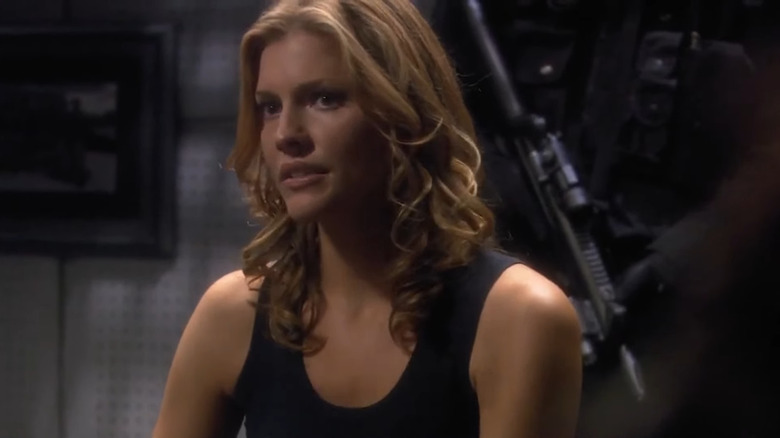
The original "Battlestar Galactica" series aired in the late '70s, but the general consensus is that the resurrected 2004 show is far better and surpassed its predecessor. Its premise is that the android race known as Cylons lays waste to a colony of planets. Only 50,000 humans survive, so there's a need to find a new habitable planet for everyone. There's one problem, though: the Cylons continue to tail the Battlestar ship, known as Galactica, as a crew searches for a new home for them and the survivors.
Darker and more mature than "Star Trek," "Battlestar Galactica" isn't afraid of throwing its protagonists into ultimate peril. Not only are the odds daunting and against them — especially as the Cylons pursue them — but the humans are also going to human and sabotage themselves along the way.
At the same time, "Battlestar Galactica" embraces all the various facets of its genre — from its political allegories to its fears about the future and the complexity of human nature. This show has it all and then some, establishing it as one of the best of all time and keeping viewers on tenterhooks for four seasons. Sure, the finale still has its critics, including the writers of the series, but taking everything into account, there's a case to be made that this is a much better sci-fi show than "Star Trek."