

5 Fantasy TV Shows That Are Way Better Than The Witcher
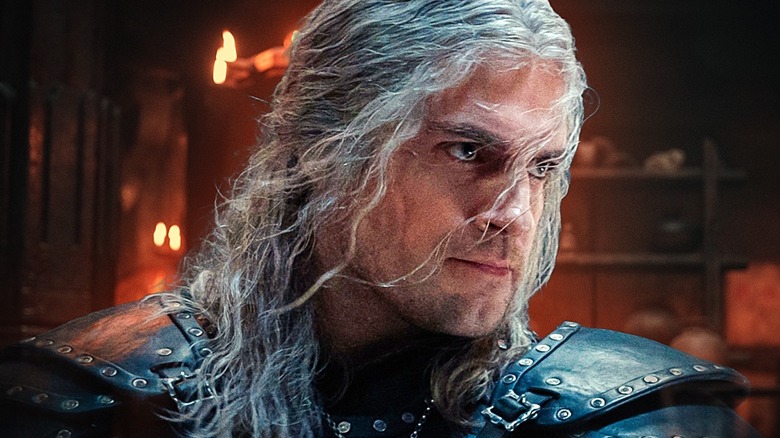
As big a hit as it's been during its time at Netflix, "The Witcher" is a flawed and frequently lackluster show. Henry Cavill's snarling did a fair amount of leg work to carry the series before he was replaced with Liam Hemsworth (whose debut run in Season 4 of "The Witcher" was largely a failure), but even then, the show was plagued by strange pacing issues and some truly bizarre writing, landing the series in an awkward limbo between its serialized prestige TV contemporaries and the more episodic, "monster of the week" style of its source material.
The result is kind of a mess — great costumes undercut by bad wigs, exciting action sequences interrupted by baffling attempts at comedy, an early split timeline that's far more confusing than it is interesting, and some novel mystery storylines that fail to materialize into a cohesive whole.
In short, we can do better, and not just with the excellent video games and Andrzej Sapkowski's books. Where great fantasy TV shows were once few and far between, they are now a pillar of the streaming business, and plenty of other modern shows within the genre accomplish their goals far more successfully. So if you, like many others, have found "The Witcher" lacking, here are five similar fantasy shows that are way better.
A Knight of the Seven Kingdoms
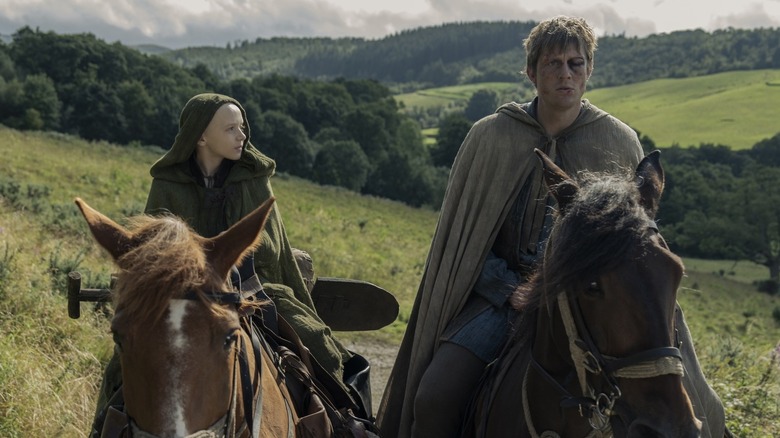
It would have been simple enough to throw "Game of Thrones" on this list, but that's hardly a hot take, or even a cold take, so we're going a bit more recent in our recommendation from Westeros. "A Knight of the Seven Kingdoms" has much more in common with "The Witcher" anyway — like a wandering hero with a child companion, stumbling through encounters both comical and dangerous. But the HBO series also benefits from its pedigree, playing on the established worldbuilding from "GoT" and "House of the Dragon" to really take advantage of its more zoomed-in perspective.
Peter Claffey and Dexter Sol Ansell are both fantastic as Dunk and Egg, and they are surrounded by an excellent supporting cast that brings the show's lighter adventure format to life. The breezy six-episode first season (which will be followed by an in-development Season 2 of the same length) naturally matches the story's smaller scale, and once you realize how much smaller of a budget "Knight" was produced on compared to its sibling series, you'll really start to appreciate how good it still looks.
"The Witcher" may struggle at times with deciding what kind of show it wants to be, but "A Knight of the Seven Kingdoms" never hedges (pun intended). With more on the way, it could get even better.
Castlevania
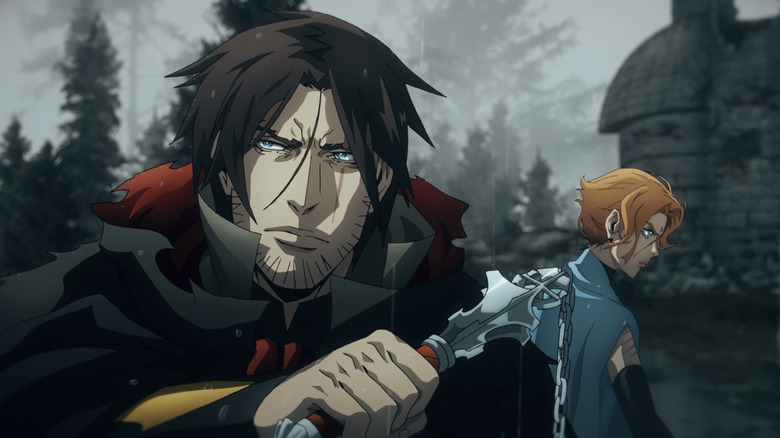
For Netflix subscribers who just aren't feeling the spark with "The Witcher," "Castlevania" might be the perfect alternative. Yes, it's animated, and yes, it's a proper Gothic fantasy story rather than Andrzej Sapkowski's grimdark-adjacent high fantasy, but there are a lot of similarities beyond those two big differences, plus "Castlevania" is absolutely fantastic.
If you love hairy, grumpy, loner fantasy protagonists, you're going to love Trevor Belmont (Richard Armitage), the last son of a clan who for centuries have kept Earth safe from vampires, demons, and other forces of darkness. Like Geralt of Rivia, though, Trevor now lives in a time when his family's own affiliation with dark magic — even as a safeguard against it — has made him a societal pariah. But when Dracula (Graham McTavish) emerges from isolation to declare war on humanity after the murder of his wife, Trevor must return to the family business and gather allies to defend Wallachia.
Though it's based on the popular video game series, "Castlevania" requires no prior familiarity to understand or appreciate. The animation from Powerhouse Studios is kinetic, graphic, vibrant, and dark all at once, and the show truly excels in its character writing, with even supporting antagonists getting a supreme amount of depth. Where "The Witcher" struggles to tie its various story threads into a compelling whole, "Castlevania" soars in both singular moments and its larger, epic arc. If you love a darker tinge to your fantasy, you should absolutely give it a watch.
The Lord of the Rings: The Rings of Power
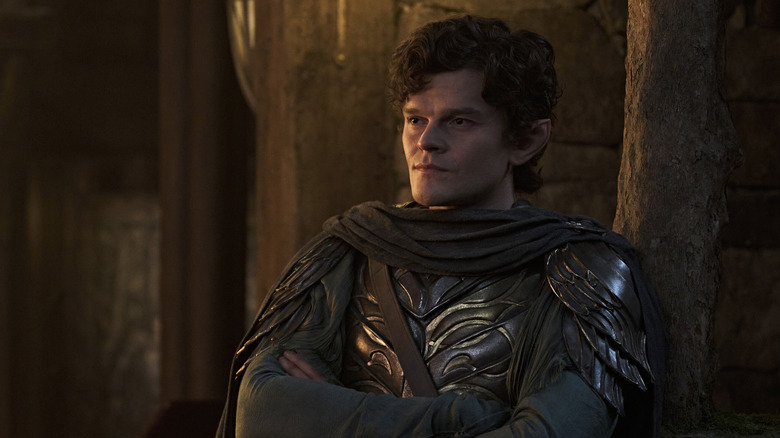
Yes, "The Rings of Power" has, to put it mildly, its fair share of detractors. Such is the fate of any modern media unfortunate enough to fall into the crosshairs of Internet culture warriors. There are also less malicious criticisms rightfully questioning its legitimacy as an adaptation of Tolkien's world, characters, and themes. But if you put all that to the side, just for a second, what you'll find is one of the most aesthetically rich fantasy series ever made, loaded with magic in the production design, and anchored by a handful of character arcs and relationships that channel the heart, if not the beat-for-beat textual loyalty, of Tolkien's work.
The more ambitious show is not always the better show. But in the case of "The Witcher," the lack of ambition leaves a gap that the more grounded, zoomed-in narrative fails to fully fill. As we just discussed with "A Knight of the Seven Kingdoms," there are benefits to eschewing the epic scope and taking a more adjacent angle to big fantasy events, but where the HBO series nails those opportunities, "The Witcher" frequently feels stuck in between.
"The Rings of Power," by contrast, is entirely invested in its own ambition, from the stunning VFX and costumes to the sprawling ensemble. This is a show that feels huge, even in moments when its own writing can't fully make good on that promise. And with "The Rings of Power" Season 3 underway, there's never been a better time to hop on board.
Buffy the Vampire Slayer
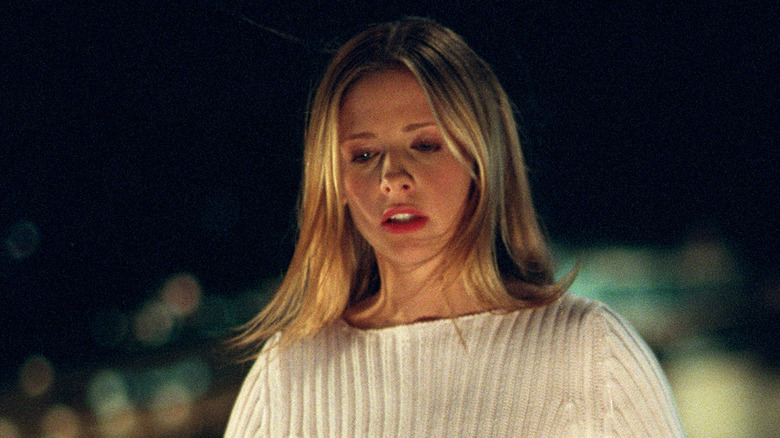
While we've spent a fair amount of time here railing on "The Witcher," we also must give credit where it's due. It's not easy to succeed today in this genre, at this level of budget, without embracing a fully serialized story structure. The episodic adventures and mysteries of "The Witcher" give it a distinct appeal amid the landscape of series like "Game of Thrones" and "Wheel of Time," but here's the thing: The classics just do it better.
If you want big rubber suits and "monster of the week" adventures that culminate in larger threats at the end of the season, why not go back to the OG? "Buffy the Vampire Slayer" is still outstanding 30 years after it first hit television, and if you're looking for camp horror fantasy goofs and darker character-driven arcs in equal measure, it has yet to be dethroned. Yes, the practical effects are a bit more dated than those in "The Witcher," but that's part of the charm. And quite frankly, the more episodic model just works better in the old 22-episode season format than the modern one consisting of eight to 10 installments.
The only downside here for "Witcher" fans is that this is not a high fantasy series. It takes place in our world, in its own day, which means you don't get the expansive worldbuilding and fantasy politics of Andrzej Sapkowski's universe. But there's also more depth than you might expect to the vampire politics and hell dimensions of "Buffy," so even there, you're not totally out of luck.
Shadow and Bone
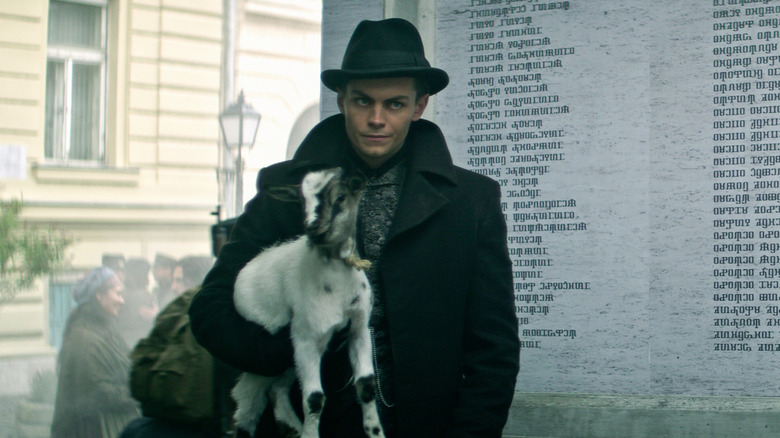
"Castlevania" may well be the best original fantasy series on Netflix, but some people don't find the same appeal in animation as they do in a live-action show. We may take issue with that perspective, but it still seems appropriate to include an alternative live-action fantasy show on the same platform that hosts "The Witcher." And "Shadow and Bone," based on the Grishaverse fantasy novels by Leigh Bardugo, is definitely better.
Bardugo's Czarist Russia-inspired fantasy world is a refreshing change of pace from the traditional high fantasy aesthetic, and her elemental magic system leads to some exciting action. Here, though, it's the cast that steals the show, with star-making turns from young actors like Jessie Mei Li, Archie Renaux, Freddy Carter, and Amita Suman, while more veteran performers like Ben Barnes and Lewis Tan also turn in great work.
The only downside here is that, while the ending of "Shadow and Bone" Season 2 is perfectly serviceable, the show's premature cancellation leaves a lot of exciting ideas unfinished. But that's hardly a reason not to watch such a great series, and if you really must know what happens next, there are always the novels.