

5 Superhero TV Shows That Are Way Better Than The Boys
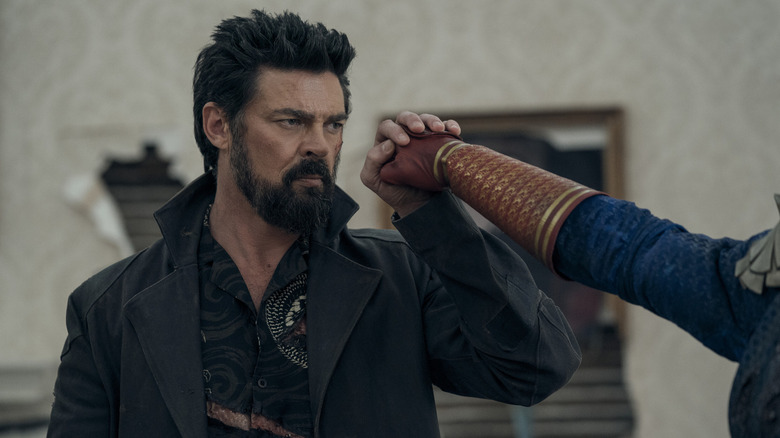
It's easy to see why "The Boys" became such a phenomenon when it first aired in 2019. By that point, superhero media had become ever-present and all-consuming. It was nice to see a show take superheroes off the pedestal and present them as psychopathic narcissists. It also didn't hurt that the show was never afraid to make fun of Marvel and DC at any given opportunity.
After five seasons, "The Boys" ended, and in a nice surprise, "The Boys" series finale kind of nailed every character's ending. A lot of shows drop the ball in the final season, but "The Boys" remained solid all throughout. Of course, there were some low points, especially around Season 4 when it felt like the series was really starting to spin its wheels to justify how the titular Boys are never able to kill Homelander (Antony Starr).
But sometimes, you don't want to watch a superhero show that deconstructs the genre. You just want to see a great show with the best of what superheroes have to offer. If you're ready to shake off the nihilism from your "Boys" binge-watch, these are the best superhero shows that are way better than "The Boys."
Batman: The Animated Series
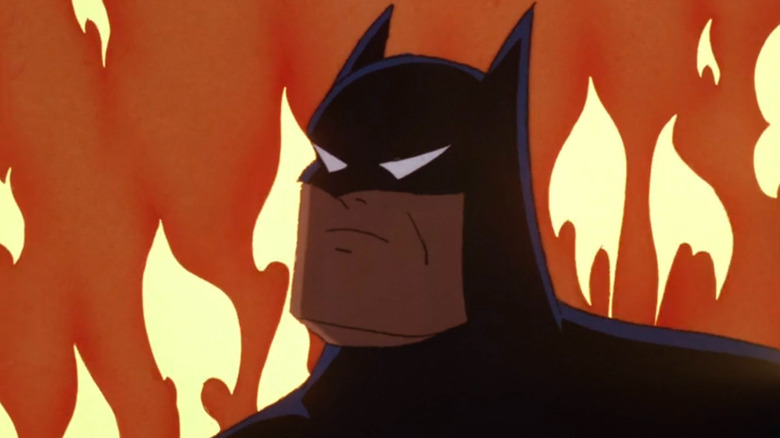
To this day, no TV show has so perfectly captured its source material and helped elevate it than "Batman: The Animated Series." It was a fantastic interpretation of the Dark Knight, taking classic stories and villains and translating them into a medium both kids and adults could appreciate. In fact, there were plenty of things only adults noticed in "Batman: The Animated Series" that went over children's heads, like how the show regularly tackled sensitive topics like mental illness and corruption within police forces.
The show wasn't interested in reinventing the wheel but showing the best Batman could be. He was a force of justice, always wanting the best for the villains, often genuinely hoping to rehabilitate them. Speaking of the villains, they were often the strongest part of the series, and at their best when they weren't trying to get better. Joker (Mark Hamill) is the perfect mix of anarchic humor and genuine terror. Two-Face (Richard Moll) get a full tragic arc, as we're introduced to idealistic Harvey Dent and then see him become a twisted malefactor.
And it's a testament to how great "Batman: The Animated Series" is that it created one of the most iconic Batman villains that's still around today — Harley Quinn (Arleen Sorkin). Shows like "The Boys" will create their own original characters, but none of them have proven to have the staying power as Harley, who's become integral to the overarching Batman mythos in various forms of media.
X-Men '97
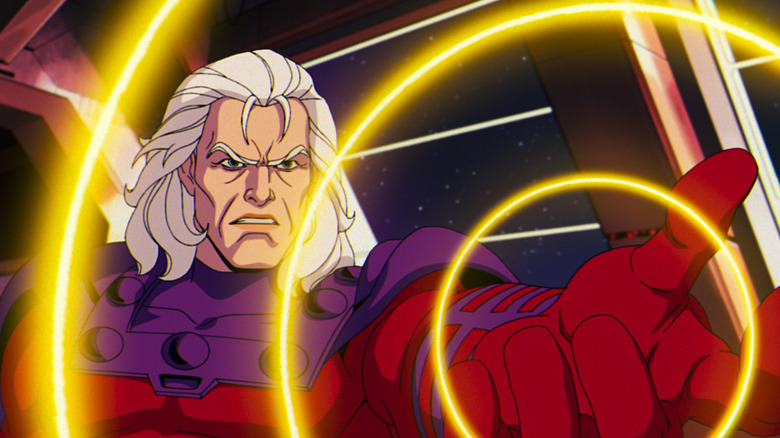
It's natural to be wary of TV revivals and reboots. To be fair, they often feel like unnecessary cash grabs where a popular TV show from the 1980s or '90s is brought back to life and feels out of place in the modern day. It's a minor miracle that "X-Men '97" works as well as it does as a solid continuation of "X-Men: The Animated Series."
That show from the '90s was excellent in its own right, but "X-Men '97" continues pushing the envelope even further. For starters, it's a series that has grown with its audience. "X-Men: The Animated Series" was aimed squarely at young kids, so the show couldn't get into too many dark themes. But "X-Men '97" is TV-14, allowing for a greater sense of maturity adults who grew up with the original show can appreciate.
And the show's first season didn't pull any punches. You have Gambit's (A.J. LoCascio) incredibly moving sacrifice. And Magneto's (Matthew Waterson) call to the United Nations to work with him rather than vilify him, resulting in one of the best quotes from "X-Men '97" Season 1. This is a show where the real-world parallels still feel powerful without skimping on any amazing action sequences.
Legion
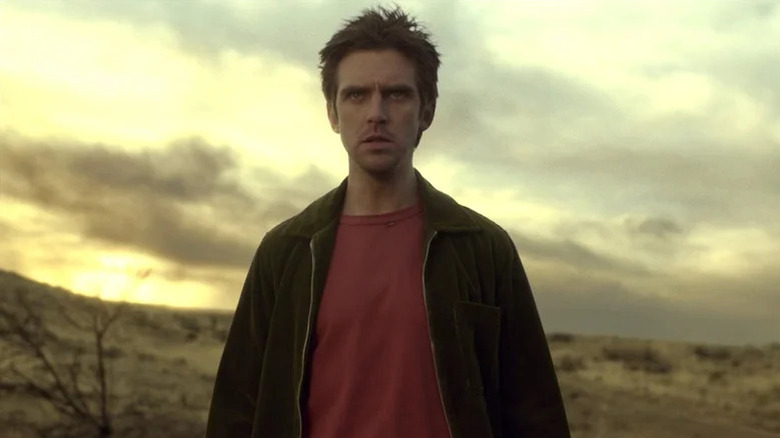
If you enjoy "The Boys," then chances are you can handle some more sophisticated superhero storytelling. "Legion" doesn't feel like other comic book shows. It's not so much interested in ensuring every episode ends with an epic battle. Instead, it's a surrealist exploration of one superpowered individual's psyche, namely David Haller, aka Legion (Dan Stevens).
The show follows David as he struggles with mental illness, specifically schizophrenia. However, he's also a mutant, drawing inspiration from Marvel's X-Men, with powerful psychic abilities. It makes it difficult to decipher what is actually happening and what's a construct of David's mind. The whole show becomes a puzzle to put together, as David is the ultimate unreliable narrator.
"Legion" is the antithesis to second-screen viewing. It's not the kind of thing you can look at your phone while watching, since it demands your full attention at all times — you never know when you might be witnessing something revelatory. "Legion" ended after three seasons, which was the perfect amount of time to bring David's story to a satisfying conclusion. It's a show that doesn't overstay its welcome and has a marvelously delirious performance from Aubrey Plaza, too, if you really want to go outside of the box of what's traditionally offered from superhero shows.
Daredevil
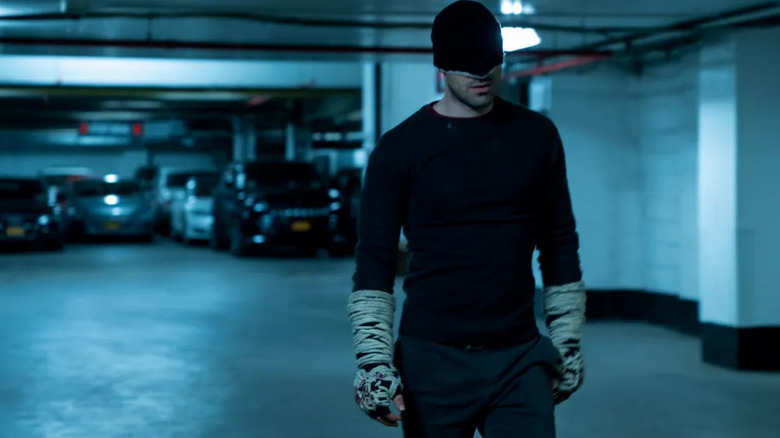
In the first couple of phases of the Marvel Cinematic Universe, everyone kind of knew what to expect out of each subsequent film. Everything was PG-13, had ample jokes thrown in and ended on some spectacular set piece. But with Netflix's "Daredevil," things took a darker turn. This was a show perfect for the street-level vigilante, Daredevil (Charlie Cox). He wasn't the kind of hero to offer quips every other second. And characters didn't just throw weightless punches. There was gratuitous violence that went far beyond what people expected out of MCU films.
The fact that this is a TV show means that there's more time to really dig into the characters. Daredevil's main foe remains Kingpin (Vincent D'Onofrio), whose deep-seated traumas rise to the surface. And the show isn't afraid to really tackle what makes a hero. This can be seen in Season 2 when Daredevil deals with Punisher (Jon Bernthal), and the two debate about how far a vigilante should go to ensure evil gets wiped out.
Of course, if you enjoy the Netflix "Daredevil" show, you'll probably love "Daredevil: Born Again" on Disney+. It still has the gritty violence as the original show, as indicated by Bullseye's (Wilson Bethel) best kill sequence on Season 2. Plus, there are some pretty apt political themes throughout the new iteration of the series. It's nice for Daredevil to have his own little corner of the MCU while still feeling like he could show up in the movies at any second.
Watchmen
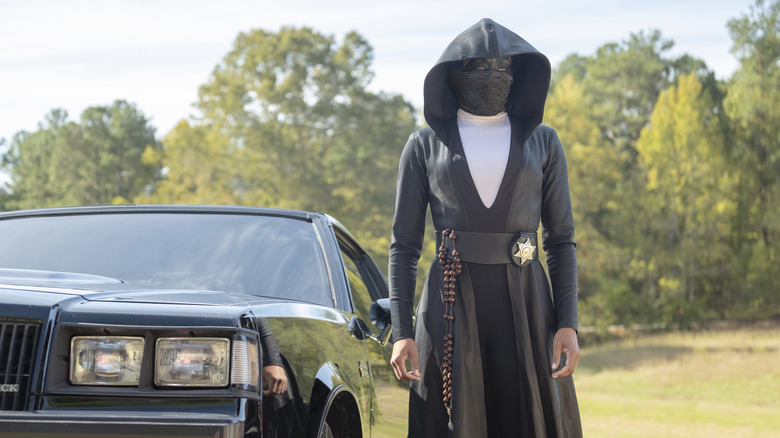
Alan Moore, the writer of "Watchmen," hasn't been a fan of most adaptations of his work. That goes double for HBO's "Watchmen," but even though Moore doesn't like it, there's plenty for casual audiences to connect with. It's undoubtedly one of the boldest superhero projects to grace the small screen, as it doesn't adapt the comic book series itself. Instead, it's a sequel told decades into the future that brings back legacy characters like Doctor Manhattan while introducing a new squad of vigilantes.
The show expertly expands upon themes from the graphic novel, like the central question of "Who watches the Watchmen?" The idea behind this story has always been connected to who we give power, as any corruption within the system makes the authoritative force unjust. The "Watchmen" HBO series takes this a step further by connecting its narrative to the 1921 Tulsa Race Massacre and showing how scars from the past permeate decades into the future.
While we had some major unanswered questions after "Watchmen" Season 1, it turned out the show was a miniseries. Honestly, that's probably the best move, to go out on top. It's not a "mature" superhero show like "The Boys" where it relies on gross-out gags and excessive gore. There's some violent imagery, but it's the perfect "adult" superhero show for what it has to say about modern society.