

5 Underrated Western TV Shows That Deserve A Second Chance
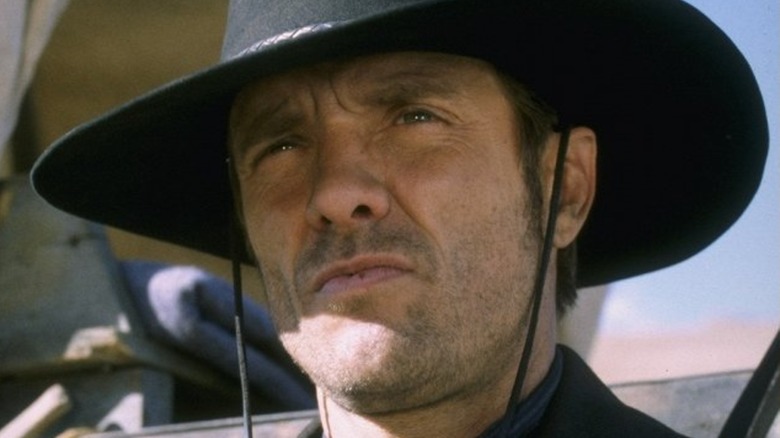
When it comes to the Western genre, there is no shortage of television material out there. Between the mid-1950s and the early 1970s, the genre dominated the airwaves, holding a monopoly over the "Big Three" networks. Classics like "Gunsmoke," "Bonanza," "Rawhide," "Have Gun — Will Travel," and "Death Valley Days" entertained audiences week in and week out with cowboy fare that folks simply couldn't get enough of. But what about the programs that were left behind?
In the past, we've highlighted the most rewatchable TV Westerns, pulling from this "golden" era and well into the present, as well as the best Western television shows to watch in a single weekend. But if you're looking for an old-fashioned horse opera that deserves another shot all these years later, we've put together a handful of classics you won't want to ignore. These days, the TV Western isn't as prolific or popular as it once was, so we're headed back in time for some older material.
Whether you prefer black-and-white or color, traditional depictions of the Old West or shows with more "modern" flair, there are plenty of great horse operas out there worthy of revisiting. Most of our picks come from the mid-20th century, but that's just because we still think that the "Golden Age" of the TV Western deserves high praise after all these years.
The High Chaparral
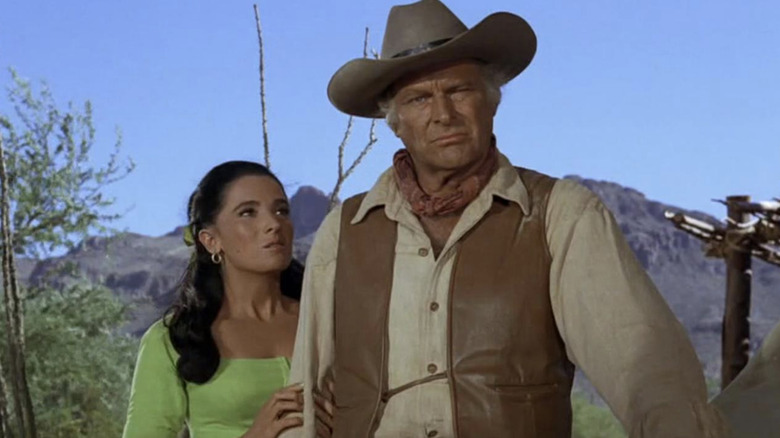
After nearly a decade on the Ponderosa Ranch, "Bonanza" creator David Dortort decided to head south for Arizona Territory by dreaming up "The High Chaparral." Although "Bonanza" was highly successful, Dortort aimed to create a more "adult" Western, and that's exactly what he did. Premiering on NBC in 1967, "The High Chaparral" shared some similar threads with Dortort's previous series, but they were starkly different in the ways that they tackled their respective material.
The program followed cowboy patriarch "Big John" Cannon (Leif Erickson), who settled in the Arizona Territory with his family in the 1870s. But when the Apaches attack, Cannon's wife is murdered, and the title ranch is threatened. An uneasy alliance is formed with a neighboring Mexican family, the Montoyas, and "Big John" is married off to Don Sebastián's (Frank Silvera) daughter, Victoria (Linda Cristal), who is three decades his junior. She and her brother, Manolito (Henry Darrow), soon move to the High Chaparral, and the two families learn to become one.
For four seasons and 98 episodes, "The High Chaparral" surpassed most other programs at the time. It was no stranger to tackling racial issues and dealt more kindly with Native Americans than many of its contemporaries. The show's nuanced depictions of post-Civil War politics, long-term grief, and a number of familial and social issues that found their way to the forefront of the Cannon world. It certainly deserves a second look after all these years.
Wagon Train
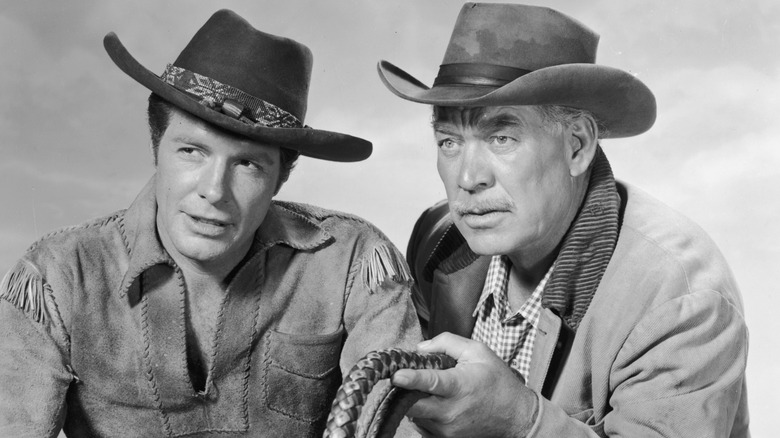
Long before Taylor Sheridan's "1883" chronicled the harsh journey west, "Wagon Train" pioneered the concept on the small screen. Inspired by John Ford's "Wagon Master," the NBC program premiered in 1957 as an hour-long black-and-white series that spent each episode highlighting a different member of the wagon train led by Major Seth Adams (Ward Bond). The series took the group from the Midwest (beginning in Missouri) to California, with stories often taking place on the Great Plains.
However, tragedy struck in Season 4 when Bond (who appeared in more than 250 movies) died of a heart attack. As a result, "The Beth Pearson Story" was his final "Wagon Train" appearance, with John McIntire later taking over as new "wagon master" Chris Hale. By Season 6, the show had moved to ABC. "Wagon Train" ultimately ran eight seasons on network television, producing 284 episodes.
While Ward Bond's era of "Wagon Train" was the best, the entire series is worth picking up for its anthology-like format that highlights the various trials and challenges of the Great Migration west. Plus, few shows can boast that John Ford directed an episode (Season 4's "The Colter Craven Story"), which not only featured scenes from "Wagon Master," but also John Wayne in a cameo appearance as General William Sherman.
Cheyenne
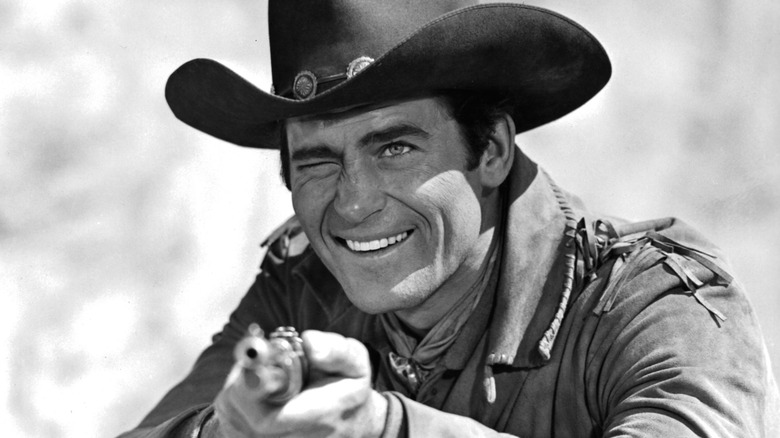
When it comes to programs that genuinely pioneered the Western genre, "Gunsmoke" is probably the first show to come to mind. After all, it lasted 20 years on CBS and was one of the most popular horse operas of the era. However, "Cheyenne" was the first hour-long Western on television in 1955, boasting feature-quality visuals and material on a weekly basis. Originally part of the wheel series "Warner Bros. Presents," the Western triumph soon made a name for itself with Clint Walker in the lead role.
Following the adventures of Walker's Cheyenne Bodie, the title hero would venture across the American West, taking different jobs as a cowboy, lawman, or prospector in the meantime. Bodie's style of "frontier justice" typically resulted in a killer gunfight of some sort — he was also notorious for usually working alone. "Cheyenne" eventually became a wheel series itself, sharing airtime with "Bronco" and "Sugarfoot," with whom the hero teamed up only once in Season 5's "Duel at Judas Basin."
"Cheyenne" ultimately ran for seven seasons and 108 episodes. Its Season 6 episode "A Man Called Ragan" served as a backdoor pilot for "The Dakotas," though Clint Walker's Cheyenne Bodie does not appear in the episode. With its hour-long format and Warner Bros. production values, "Cheyenne" helped bring the feel of a Western feature to the small screen.
The Magnificent Seven
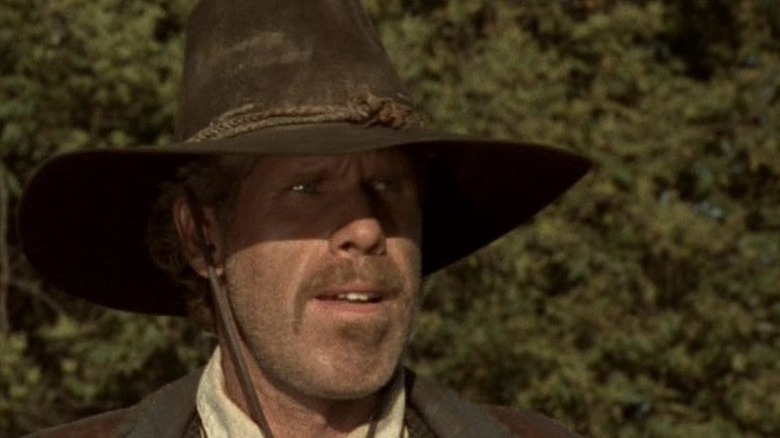
The first thing that comes to mind when you hear "The Magnificent Seven" is likely either the original 1960 film or the 2016 remake, but did you know that the concept was re-imagined on television back in 1998? Cashing in on the iconic '90s Westerns that revitalized the genre, Pen Densham and John Watson breathed new life into the familiar tale. The result was an underrated two-season horse opera that utilized classic TV Western concepts with "modern" twists.
After a two-part pilot that essentially remakes the 1960 film, "The Magnificent Seven" kicked off with its title heroes sticking around the frontier town of Four Corners as its unofficial protectors. The Seven consisted of gunslinger Chris Larabee (Michael Biehn), buffalo hunter Vin Tanner (Eric Close), womanizer Buck Wilmington (Dale Midkiff), con artist Ezra Standish (Anthony Starke), preacher Josiah Sanchez (Ron Perlman), healer Nathan Jackson (Rick Worthy), and greenhorn J.D. Dunne (Andrew Kavovit). Each episode would highlight a different member of the group as the Seven tackle whatever new threat arises.
"The Magnificent Seven" ran for only 22 episodes, but the attachment to the characters was quite instant. Unlike previous "Magnificent Seven" movies, the series had the opportunity to expand on the Seven's backstories, long-term goals, romances, and vices. For those looking for something a little more "modern" but still maintaining that "mythic American West" feel, "The Magnificent Seven" is the show for you.
The Life and Legend of Wyatt Earp
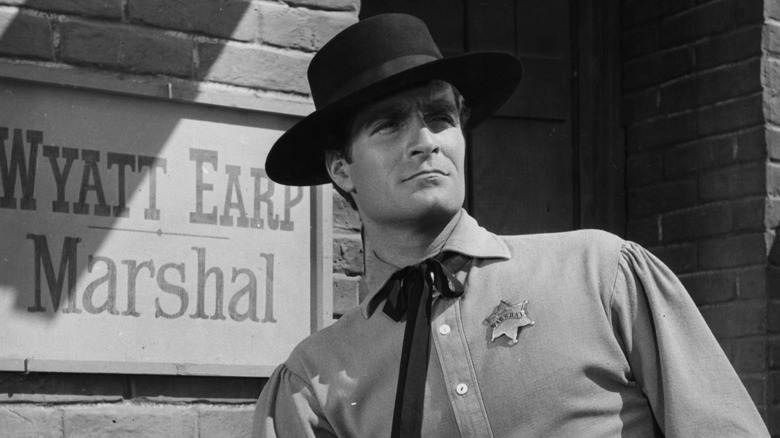
The furthest thing from movies like "Tombstone," this 1955 Western gem predated "Gunsmoke" by only a few days and "Cheyenne" by two weeks, yet it's largely been forgotten in favor of some of the bigger horse operas out there. "The Life and Legend of Wyatt Earp" was the first truly adult Western series to air on television, changing the broadcast landscape forever. With Hugh O'Brien in the title role, the series embodied the mythic interpretation of the Old West's most notorious lawman, deemed "brave, courageous, and bold."
Although "Wyatt Earp" was a bit more legend than true to the historical marshal's life, O'Brien perpetuated the myths about Wyatt Earp with a sincerity that cannot be denied. The show covered Earp's story from the time he was a deputy in Ellsworth, Kansas, before moving to Wichita for a time. Eventually, Earp moved on again to Dodge City, where he spent the majority of the series — yes, that means that ABC's "Wyatt Earp" and CBS's "Gunsmoke" aired rival Dodges week in and week out. By the end of the program, he had settled in Tombstone, Arizona.
Utilizing his "Buntline Special" Colt .45, Wyatt protected citizens from outlaws and robbers for six seasons and 226 episodes total — no small feat for a made-for-TV lawman. Decades after the show ended, O'Brien reprised his role in "Wyatt Earp: Return to Tombstone." Although not always historically accurate, "The Life and Legend of Wyatt Earp" is a blast, and with half-hour episodes, it's an easy binge.