
5 Reasons Why Star Trek: Starfleet Academy Flopped
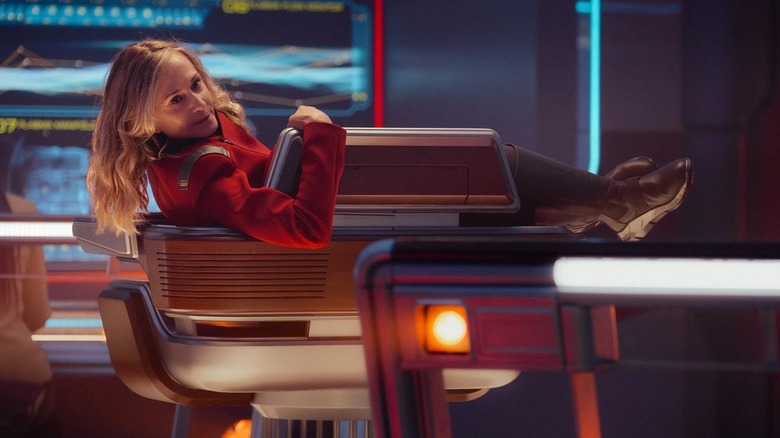
Shortly after its first batch of episodes aired, Paramount+ announced that "Star Trek: Starfleet Academy" would be ending after two seasons. Compared to the seven-season runs of "The Next Generation," "Deep Space Nine," or "Voyager," a two season long existence for "Starfleet Academy" is paltry. Even fellow streaming "Star Trek" show "Discovery" got five seasons on the small screen. However, Paramount+ has decided to pull the plug early on this particular entry in the "Star Trek" universe as the company figures out what this franchise's streaming TV future looks like.
If it's any consolation to the artists behind this show and its fledgling fanbase, all "Star Trek" properties garner cult followings and even continuations in other mediums (like novels). The story of this show probably doesn't end with cancellation. Still, given its abrupt conclusion and lackluster viewership, its now fair to say that "Star Trek: Starfleet Academy" was a misfire in terms of launching a hit new show for Paramount+. But what went wrong here? Why did this particular production fail to take off when so many other "Star Trek" programs have soared on television?
There were several unique problems plaguing "Starfleet Academy," including its awkward release date, the fact that it didn't feature famous pre-existing "Star Trek" characters, and the crowded landscape of sci-fi streaming shows, among other issues. These were the thorny, intricate woes that not even the future Starfleet legends at the heart of this "Star Trek" show could overcome.
Lack of pre-existing characters
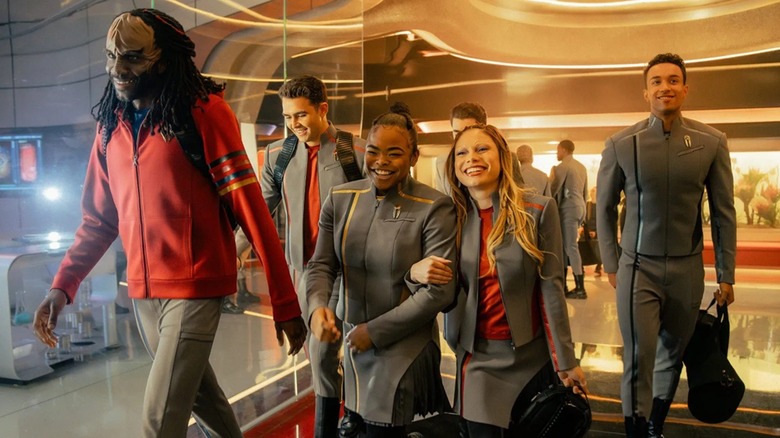
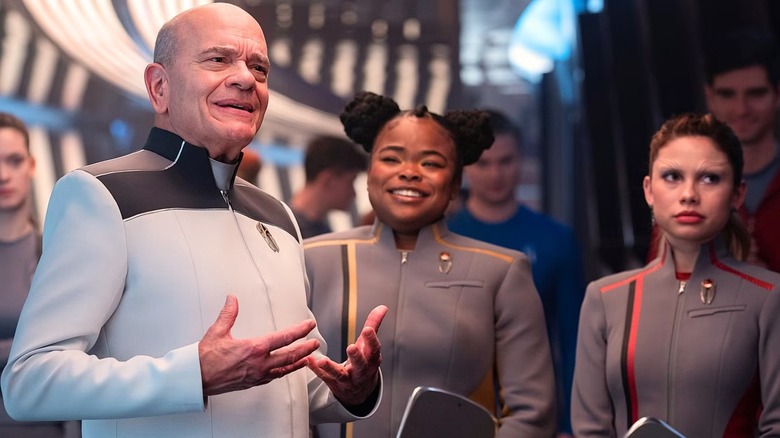
Whether it's "Star Trek: The Next Generation's" main characters or the 10 best "Star Trek" characters who only appeared in one episode, decades of classic "Star Trek" media are filled with beloved characters that have become pop culture icons. Save for the return of Tig Notaro's Jeff Reno and Robert Picardo's holographic Doctor, "Star Trek: Starfleet Academy" made the admirable move of centering its show on entirely new people. It was time for a new era of audiences to get their own sci-fi characters to invest in, which meant most familiar figures were absent.
Unfortunately, that creative decision was also a thorny one that limited how much inherent pull "Starfleet Academy" would have on audiences. Without Spock or other pre-existing icons around, there weren't any recognizable faces that could immediately grab attention. Streaming shows rooted in pre-existing universes tend to struggle more when focusing on new people versus programs continuing the adventures of beloved protagonists. Just look at how the viewership of the Marvel Cinematic Universe shows plummeted once they began centering on new heroes like Ms. Marvel and Echo instead of movie-based figures like Loki and Scarlet Witch.
The absence of "Star Trek" legends in "Starfleet Academy" meant the program was always going to struggle when building viewership. Later episodes didn't garner anywhere near enough buzz to get over that hurdle. Audiences won't just show up for anything with the "Star Trek" branding.
Starfleet Academy's target audience and streaming home were incompatible
Paramount+'s successes largely come from one man: Taylor Sheridan. After creating "Yellowstone," he's made a deluge of streaming shows that have garnered high levels of viewership. "Landman" was the most watched show on television per Nielsen data in January 2026, while "1923" cracked the top five most watched shows of March 2025. These are must-watch programs for wide swaths of Americans, hence why Sheridan's output can go toe-to-toe with Netflix and Disney+ programs on the weekly Nielsen viewership charts.
These are the defining projects of Paramount+ and they all skew older. Over half of "Landman's" season two audience, for instance, was 35-64 years old. These Sheridan shows also tend to star people well over 60, like Kurt Russell or Kevin Costner. Paramount+ brass likely don't mind these attributes, given the immense and loyal viewership Sheridan's shows bring in. However, that does make it tough to get younger audiences to tune into the platform. Why would they go to this streamer for entertainment when its most famous shows are about realizing fantasies for 50+ year olds?
That was a key problem "Starfleet Academy" couldn't overcome. This show's character and college/high school-adjacent setting were primed to resonate with younger folks. Yet those demographics aren't Paramount+'s central base. Younger audiences gravitate towards Netflix and Disney+ for entertainment, not the home of "Landman." This meant "Starfleet Academy" was absolutely on the wrong platform.
Season one's awkward release spot
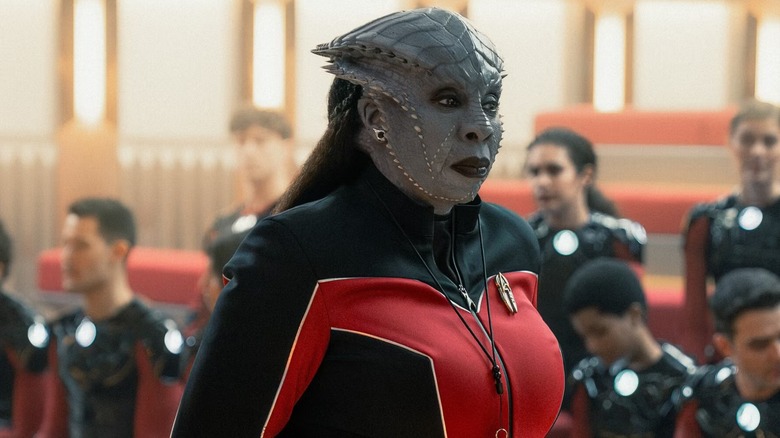
"Star Trek: Starfleet Academy" dropped its first two episodes on January 15, 2026. This established that the show would debut further new episodes on Thursdays through mid-March. However, those two initial installments were quickly swallowed up by another genre show rooted in a familiar franchise that launched just three days later. On January 18, HBO debuted "A Knight of the Seven Kingdoms," a much lighter tale from the "Game of Thrones" universe and the second TV spin-off from the original Westerosi saga.
Very quickly, "A Knight of the Seven Kingdoms" took off as a massive ratings success, while critics hailed it as a vital expansion of what "Game of Thrones" storytelling could look like. Dunk and Egg's "Game of Thrones" story wasn't the only January 2026 show overshadowing "Starfleet Academy." "Wonder Man" debuted all eight of its episodes on Disney+ in the month's final days. This low-key exploration of making it as an actor in Los Angeles also became a critical darling that garnered solid viewership numbers.
With these programs (especially "Seven Kingdoms") dominating the pop culture conversation, "Starfleet Academy" was left out in the cold. It didn't help that "Academy" got slightly more mixed (though still leaning positive overall) reviews than either "Kingdom" or "Wonder Man." There simply wasn't enough acclaim or fandom buzz helping "Academy" stand out in a crowded field. Perhaps debuting it a few weeks earlier in December 2025 could've made a difference.
The new Star Trek streaming shows have rarely been viewership juggernauts
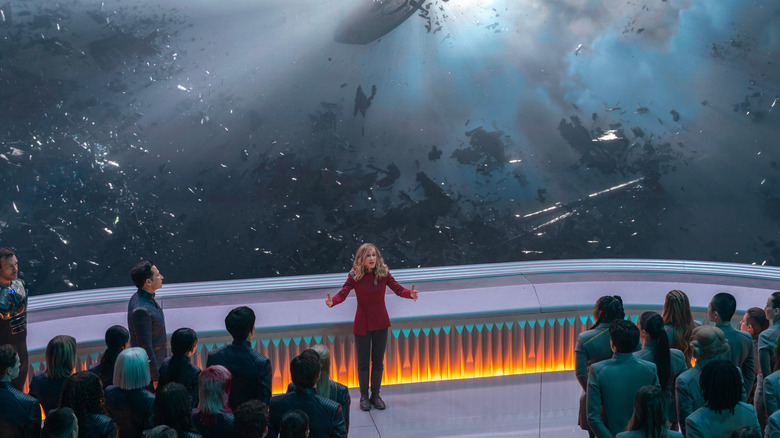
"Star Trek: Discovery," the inaugural show in the modern era of "Star Trek" programs, only rarely cracked Nielsen's weekly top 10 most watched streaming shows. From May 27 through June 2, 2024, for instance, it hit the 10th spot on this chart with 269 million minutes watched. "Discovery" and its 65 episodes were outwatched by programs with (at the time) way fewer episodes like "Fallout" and "Under the Bridge."
The previous year, "Picard" delivered fine but not extraordinary streaming numbers for Paramount+ and that's despite the show being headlined by a legendary figure like Jean-Luc Picard (Patrick Stewart). The third "Star Trek: Strange New Worlds" season initially delivered strong weekly viewership figures, though audiences seem to taper off by the season's end. Across all these programs, it's clear the streaming "Star Trek" shows don't pull in viewership numbers remotely comparable to the biggest streaming productions, like "Stranger Things" or "Wednesday." It's been challenging to launch these endeavors in the streaming landscape, even before "Star Trek: Starfleet Academy" pulled into port.
If "Picard" didn't pull in "Landman" numbers for Paramount+, then "Starfleet Academy," with its motley crew of new characters and exploration of a time period largely unexplored in "Star Trek" media, was always going to face immense problems. The struggles of "Starfleet Academy" aren't just the result of shortcomings in the show itself. They're also a culmination of problems keeping the "Star Trek" TV franchise from being a streaming ratings juggernaut.
Young people already have streaming sci-fi shows that belong to them
Who doesn't love "Severance"? This audacious show is full of grand performances, exquisite visuals, and goofy scenes that "Severance" fans can't help but love. It's also a project that's struck a profound chord with younger viewers, who've become enamored with the way it confronts toxic workplace cultures and the dehumanization of working-class people. Another modern sci-fi show that's become quite popular is "Fallout," with this program's blend of dark humor, action, and a familiar universe rooted in the video games of the same name proving irresistible to many.
If you're a younger viewer looking for quality modern sci-fi shows, you have no shortage of options. Platforms like Apple TV are chock full of productions like "Silo" and its mysteries revolving around the Syndrome. This has left sci-fi fans with a plethora of options to choose from. However, the status quo left "Star Trek: Starfleet Academy" with a big problem. How could it lure in younger viewers amidst so much competition? To boot, other shows like "Severance" are a lot easier to hop into than "Starfleet Academy," which involves decades of pre-existing "Star Trek" lore.
The original "Star Trek" normalized sci-fi programs on television and left a pop culture impact that's still felt today. Unfortunately, spawning a whole realm of sci-fi shows may have also doomed "Starfleet Academy." This project could never win over viewers already getting their sci-fi TV fix from "Fallout" and "Severance." The result? No graduation ceremony for these cadets — at least, not on streaming.