

5 Major Changes The Oscars Need To Make To Survive
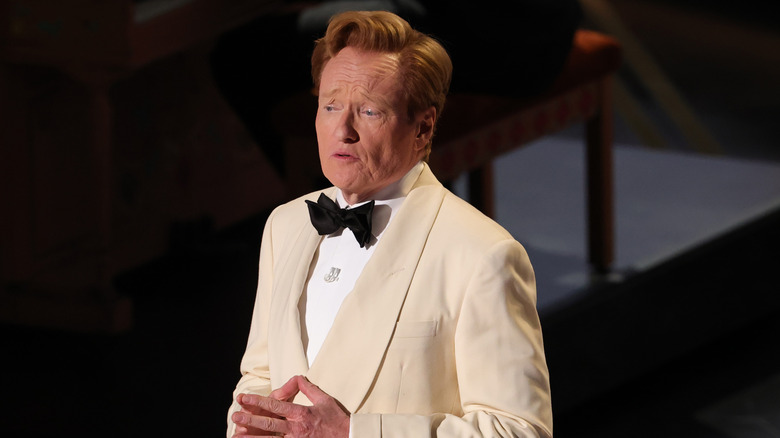
Now that the 98th Academy Awards and its five biggest snubs and surprises are firmly in the past, it's time to look forward at the 99th Academy Awards that will cap off the 2026-2027 award season. The future must be weighing heavily on the minds of people at the Academy lately, given that the annual Oscars ceremony will be shifting to YouTube TV starting in 2029. The 100th Academy Awards is also in sight for a 2028 airdate. There's lots of major events on the horizon for this fixture of the American cinema scene.
Unsurprisingly, given how much controversy and discourse every Oscars ceremony produces, there are plenty of recurring Oscar problems that should be rectified before those future milestones transpire. Specifically, there's five major changes that the Oscars need to make to survive. Some TV executives may think such changes should materialize as cringey stabs at appealing "to the youth" or just nominating more $1+ billion grossing blockbusters in the best picture category. In reality, though, the changes the Oscars must make are less flashy, yet no less essential.
These cover everything from expanding a key category's number of nominees, switching up when the ceremony airs, and finally creating a long overdue acting category, among other alterations. The Oscars clearly have grand plans to take the ceremony well into the future. To realize those ambitions, though, will require making these five vital changes.
Expand the best international feature film nominees from five to ten
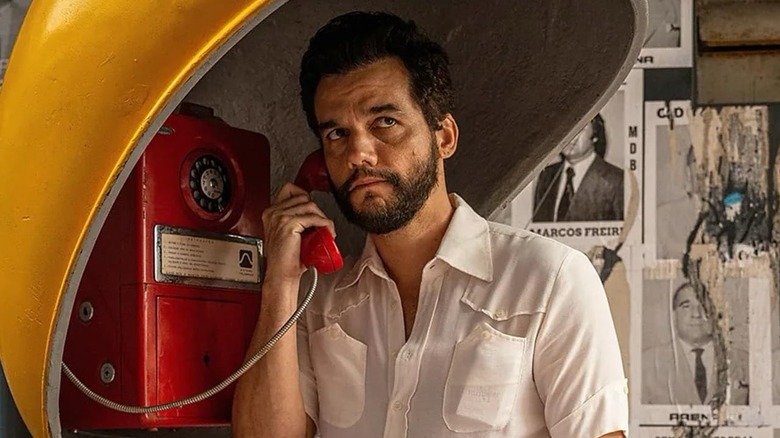
The Academy Award for best international feature film, which this year featured nominees like "The Secret Agent," typically houses some of the best Oscar-nominated films of any given year, but that doesn't mean it's been devoid of controversy. For instance, director Jafar Panahi (among many others) has called for the current process of countries submitting a single film for consideration into this category to be eliminated. As it stands, it severely limits what movies can appear in the category, and prevents deserving films from making the short list. Something else that needs to be changed, though, is that this category must expand to include 10 nominees.
For the 98th Academy Awards, 86 eligible movies contended to compete in the best international feature film category. If the Academy did away with rules that only one film from each country can appear in this category, then the potential nominees in any given year would expand exponentially. Considering the deluge of extraordinary movies made outside of America's borders every year, limiting the slate of nominees to just five is preposterous. Plus, if best picture gets to be 10 nominees, why can't the best international feature film category house 10 as well?
Expanding best international feature to 10 annual nominees would also open the door to countries that have inexplicably never had their films nominated (like Thailand, Portugal, Indonesia, and Senegal) finally getting recognition in this category. Academy, let the glories of the best international feature film space blossom even further.
Establish a best voice-over performance category

For years, folks like "Everything Everywhere All at Once's" stunt coordinator have said it's time for stunt people to have their own Oscar category. That long-overdue category will finally come to fruition at the 100th Academy Awards, which will feature the debut of the Academy Award for achievement in stunt design. With that performance-based Oscar category becoming a reality, it's time for the Academy to rectify another egregious category oversight: An Oscar for best voice-over performance.
Ten memorable examples of actors who completely transformed their voice for a role illustrate how critical vocals are for any performance. When your acting is only constricted to your pipes, your achievements become even more impressive. Throughout the years, turns like Scarlett Johansson in "Her," Lupita Nyong'o in "The Wild Robot," or the vocals of Amin Nawabi recounting his actual life story in "Flee" are just some modern examples of phenomenal performances that couldn't get rewarded in the existing Oscar categories. Just because you're not on screen doesn't mean your acting is any less special.
The first few months of 2026 have already delivered a performance that would totally dominate a potential Oscar category for best voice-over performance. Puppeteer James Ortiz's extraordinarily moving work as the alien Rocky in "Project Hail Mary" wrings immense pathos out of the simplest phrases. He epitomizes the kind of artistry that the Academy currently isn't recognizing with the exclusion of a voice-over performance category.
More film-specific ads during commercial breaks
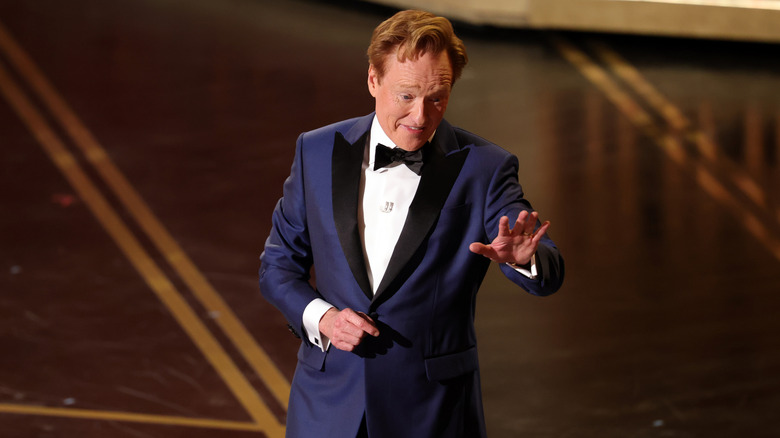
Folks like The Wrap's Jeremy Fuster have noticed a weird trend in the recent Oscar telecasts: Commercial sponsors out of step with both working-class audiences and movies. For instance, whenever the 98th Academy Awards cut away from either host Conan O'Brien or one of the presenters, it was for a Rolex ad or inexplicable Burger King commercials executing sweaty damage control over the fast food chain's bedraggled image. The Rolex commercials deploying celebrities like Zendaya and clips from the "Dune" movies couldn't erase the fact that they didn't have much to do with the ceremony.
The best Super Bowl commercials of all time vividly illustrate that splashy live TV programming can deliver ads very specific to both the event itself and its target audience. Future Oscar telecasts should instead deliver commercial breaks full of ads that are firmly rooted in cinema. In the past, ads for upcoming movies have been prohibited at the Oscars, but that hasn't been true since 2008. Studios have often avoided promoting films during this ceremony anyway, but dropping major trailers during the Oscars would be preferable to irrelevant Burger King ads.
The commercial breaks could also advertise services that expand people's film knowledge, such as a Criterion Channel ad or even a public service announcement reminding people that their local library has movies galore. The Oscars thrive when they embrace both specificity and a sincere love for film. That should extend to the commercial breaks too.
More flexibility with speech lengths
Anyone who watches the Oscars knows how the ceremony is constantly devoting time to superfluous sketches and bits that add nothing to the audience's enjoyment. Remember when BTS showed up at the 94th Academy Awards just so they could talk about Disney films? How about the Oscars segment in 2011 dedicated to autotuning various award season juggernauts? Or Seth MacFarlane crooning "We Saw Your Boobs" at the start of his Oscar show? The Academy Awards have a bad habit of letting tedious material bloat the show's runtime even when the 10 worst Oscar hosts ever aren't anchoring the proceedings.
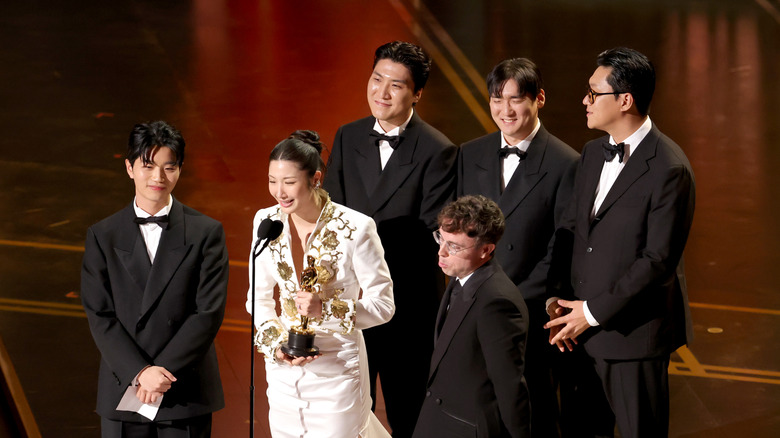
However, the Academy suddenly gets really strict about timing when it comes to the acceptance speeches in categories not dominated by A-list movie stars. Most notably, the 98th Academy Awards featured an embarrassing moment where the best original song acceptance speeches for the team behind "Golden" from "K-Pop Demon Hunters" was abruptly cut short. A glorious triumph was suddenly capped off with awkward rudeness, turning it into one of the worst moments of the 2026 Oscars.
Just let these artists speak for a moment. So long as they aren't blabbering like Adrien Brody at the 97th Academy Awards, there's no harm in letting artists have their moment in the sun. It would be especially good to adopt this practice, given how the Academy tends to play off more working-class people. That discrepancy cannot endure for future ceremonies. Besides, there's so many other vastly less important places in a typical Oscar ceremony where the runtime could be trimmed.
Do the ceremony in early February instead of late March
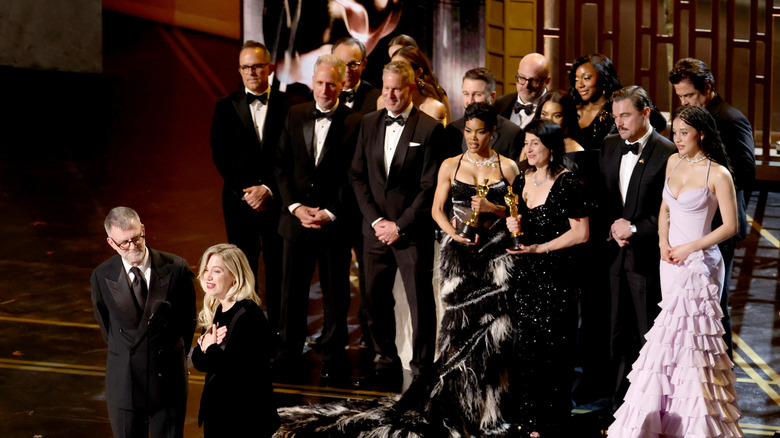
Paul Thomas Anderson and the entire "One Battle After Another" crew accepted the best picture Oscar on March 15, 2026. But this wasn't always the traditional timeframe for the Academy Awards. Granted, the ceremony did air in late March and even as late as mid-April back in the '80s and '90s. Starting with the 76th Academy Awards in 2004, though, the Oscars began dropping in February (unless the Winter Olympics postponed them to March). This proved a fine launchpad for the ceremony, and the 92nd Academy Awards taking place on February 9, 2020 (the second Sunday of that month) was outright divine.
Getting closer to the calendar year where the nominated films actually debuted let them linger fresh in people's minds. It's no wonder, then, that pundits and publications have been clamoring for the Oscars to return to a February airdate. Lengthening award season hasn't really helped anyone, not even the box office numbers for the nominated films. Instead, it's just made the talk of trophies and Oscar frontrunners move at a frustratingly glacial pace.
Tightening up the distance between New Year's Eve and the Oscar ceremony celebrating the preceding year's films would be a boon for all. Please Academy, give the 99th Academy Awards a February 2027 airdate. Return to tradition, especially if it involves the second Sunday in February.