

10 Most Underrated Movies Of 2026

"The movies are back!" is a common 2026 refrain and it's not hard to see why. Not only has the box office been hopping thanks to massive blockbusters and surprise hits like "Obsession" and "You Can See Everything," but there's also been a deluge of high quality motion pictures. The best movies of 2026 reflect a year that's been firing on all cylinders, whether it's gargantuan epics like "The Odyssey," fantasy titles like "Wildwood," or superb kaiju sagas like "Godzilla Minus Zero." Across nearly every genre and aesthetic imaginable, film fans and general audiences alike can find plenty to savor.
However, as with any year, some tremendous 2026 features have tragically slipped through the cracks. Inevitably some titles didn't get the marketing, initial critical adulation, or proper release strategies to achieve the global recognition they deserved. The 10 most underrated movies of 2026 aren't household names, but are among the most impressive artistic achievements from this year. Best of all, the array of artistic instincts found in these movies encapsulates the variety that's made 2026 such a staggering comeback year for cinema.
Whether you're in the mood for contemplative filmmaking, maximalist genre antics, or tender road trip bonding, these underrated 2026 movies have got you covered.
All That's Left of You
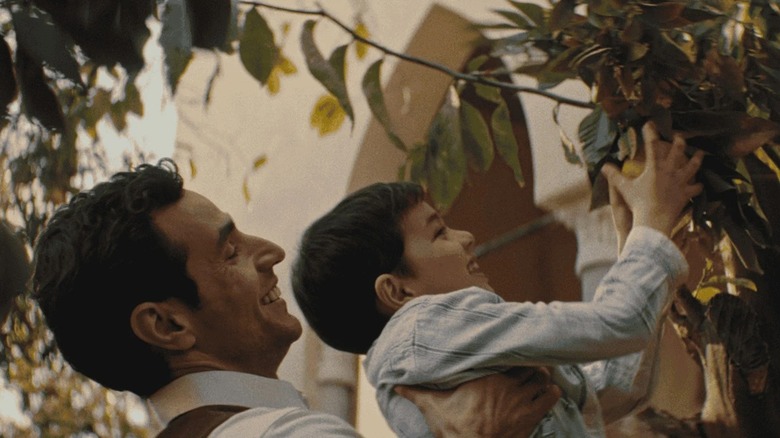
Writer/director Cherien Dabis filters the story of "All That's Left of You" through the prism of a historical epic. The story begins in 1948 Palestine and proceeds to chronicle one family over the following decades (with a particular emphasis on the '70s and '80s) as the Israeli occupation changes everything around them. Land that's been in this family for generations is suddenly destroyed by invading soldiers. A father and son walking home from the store at the wrong time can lead to bullets flying. The very act of protesting is a death sentence. All the while, principal characters like Hanan (Dabis) and Sharif (Adam Bakri) struggle to hold onto their loved ones. Colonialism has already taken so much. They can't lose anymore.
Among the many impressive feats in "All That's Left of You" is that Dabis commits fully to an epic scope without sacrificing tangibly engaging characters in the process. Even with a story hopping between different decades and varying perspectives, there's always time for quieter slices of life. Moments like a mom playing peek-a-boo with her newborn baby are tenderly realized and moving. On the opposite side of the tonal spectrum, Dabis demonstrates a mastery of tension.
The minute details of the most suspenseful sequences will keep viewers clutching their breath in uncertainty. "All That's Left of You" is an epic production, but it's the smallest intricacies that stand out.
Two Seasons, Two Strangers
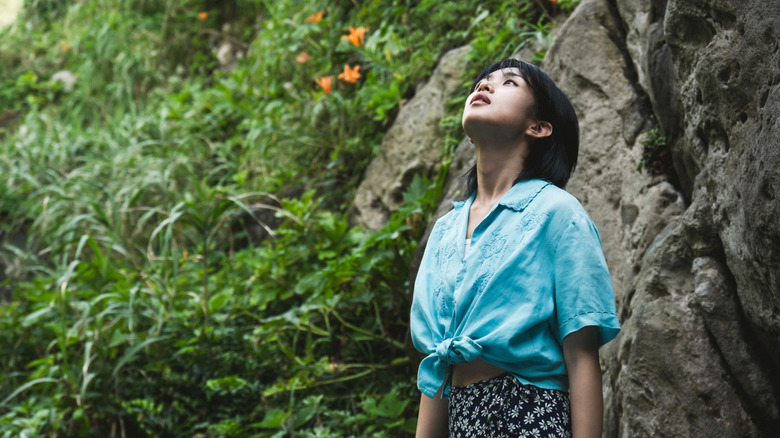
Writer/director Sho Miyake pulls the rug out from underneath viewers in quietly spectacular fashion early on in "Two Seasons, Two Strangers." After immersing viewers in one story for the first 25-ish minutes, the film cuts to a whole new location establishing lead character Lee (Shim Eun-kyung). Everything so far had been building up to her arrival and establishing her profession as a screenwriter. Quiet agony consumes Lee and eventually sends her to a snowy mountain cabin. The titular "Two Seasons" refers to the sunny beaches and chilly inns this title transpires against, while "Two Strangers" refers to the production often being a dialogue-driven two-hander exercise.
Miyake's filmmaking wafts of shattering loneliness. "Two Seasons, Two Strangers" offers more questions than concrete answers as to what's informing Lee's pain, a mournful reflection of how often satisfying resolutions or clarity elude real-life psychological turmoil. Atmospherically, "Two Seasons, Two Strangers" is already a tremendously impactful exercise. Visually, Miyake and cinematographer Yuta Tsukinaga make "Two Seasons, Two Strangers" even more unforgettable through their use of natural landscapes.
The persistent presence of towering organic fixtures (like tall rock structures or looming caves) doesn't just create beautiful tableaus, but also reinforce the vulnerability and smallness of Lee and other characters. No matter where the camera goes, humans are always dwarfed by forces beyond their control. A film rife with weariness and visual craftsmanship, "Two Seasons, Two Strangers" is an aching achievement.
Late Fame
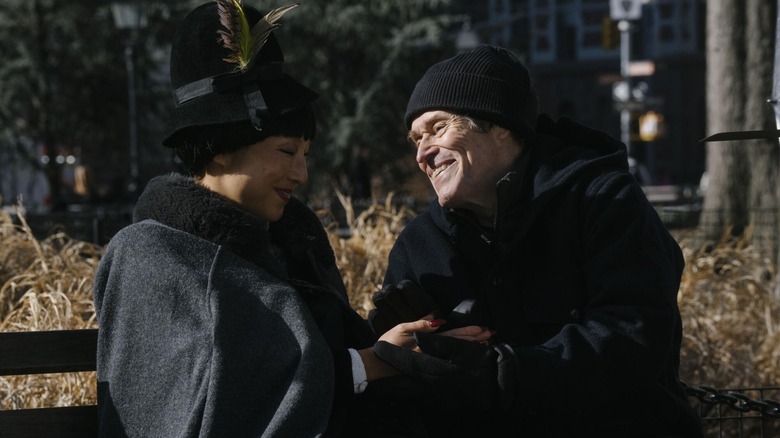
The newest Kent Jones directorial effort, "Late Fame," stars Willem Dafoe and Greta Lee. Given the towering talents of both of those performers, "Late Fame" would have to be as dismal as "The Birth of a Nation" or "God's Not Dead" to be a total waste of time. Thankfully, "Late Fame" not only flaunts the natural chops of Dafoe and Lee but is also a good movie on its own terms. This quiet New York City-set tale follows Ed Saxberger (Dafoe), who works as a post office worker and wrote a poetry book decades earlier. A local young literary club, which includes actor Gloria (Lee) among its members, has become infatuated with the obscure text and recruits Saxberger to join their social activities. An ordinary man who assumed his artistry slipped through the cracks is now treated like a legend.
"Late Fame" is a quietly tragic exercise, a tale of people trying to find potent, lasting human connections in a social group defined by simulacra rather than authenticity. That sturdy dramatic bedrock leaves plenty of room for Willem Dafoe to deliver work living up to his best movie roles to date. His portrayal of a world-weary man whose gradually coming out of his shell again is endearing and poignantly real.
Greta Lee, meanwhile, blasts into the movie channeling a 1940s silver screen starlet and immediately captures every ounce of your attention. Unsurprisingly, putting her and Dafoe together creates some bittersweet cinema magic.
Forbidden Fruits
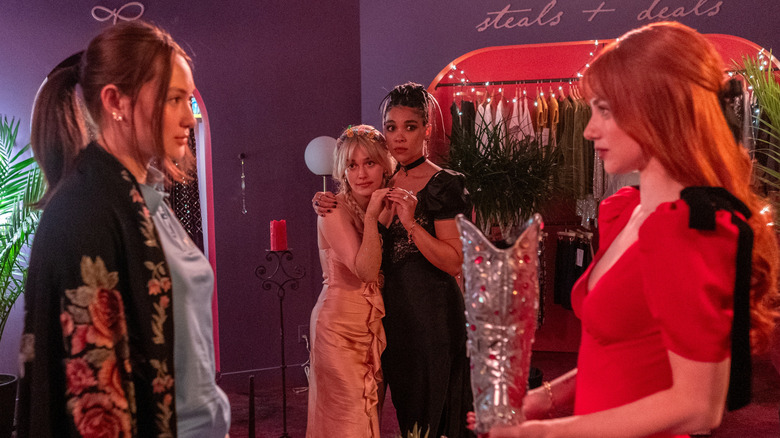
Exempting Robert Pattinson's "Somebody get these BEGGARS out of here!" in "The Odyssey" and Nathan Fielder's "No you don't!" in "You Can See Everything," the greatest movie lines of 2026 belong to Victoria Pedretti's Cherry in "Forbidden Fruits." This story of Pumpkin (Lola Tung) joining a group of powerful and unhinged mall girlies consisting of Apple (Lili Reinhart), Cherry, and Fig (Alexandra Shipp) features plenty of opportunities for Pedretti to nail Cherry's boisterous deliveries. Lines like "We were supposed to have a whimsical walk after work!" and "Therapy!" get so much mileage out of Pedretti's character.
Victoria Pedretti's unforgettable performance encapsulates how "Forbidden Fruits" goes above and beyond in delivering a wickedly good time. Whether focusing on quietly unhinged ladies chillaxing in a department store or all the gory chaos that unfurls during the third act, writer/director Meredith Alloway keeps "Forbidden Fruits" is an absolute riot. Beyond the persistently entertaining vibes, specificity-riddled flourishes aid the production. References to local North Texas landmarks, for instance, aren't something you hear in typical 2026 movie dialogue. The other lead performances, meanwhile, are similarly stuffed with deeply particular details, especially Reinhart's intoxicating yet intimidating vision of Apple.
As a cherry (no pun intended) on top, the vibrantly colorful costume and production design in "Forbidden Fruits" are tremendously delightful. "Forbidden Fruits" works on many levels, though, of course, Victoria Pedretti's outstanding performance alone clinches this one's status as a winner.
Dreams in Nightmares
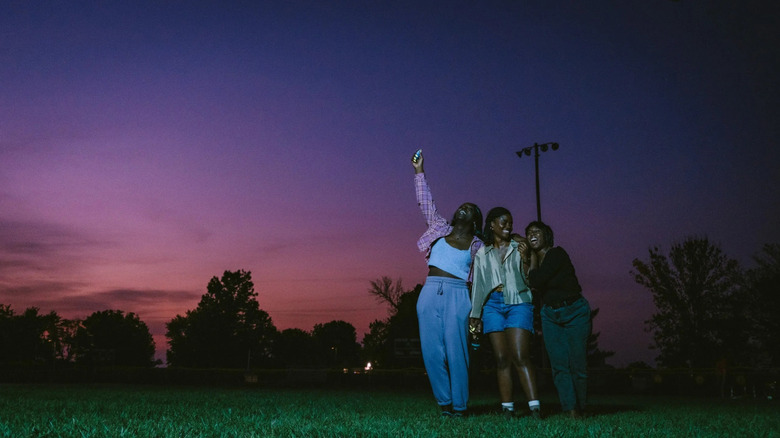
After premiering at the BlackStar Film Festival in August 2024, "Dreams in Nightmares" took two years to get unveiled to the general public. Once it did, it was given a homegrown distribution plan and small theatrical footprint. There's a good chance most reading this list (understandably) had never heard of it until just now. However, writer/director Shatara Michelle Ford's latest filmmaking effort deserved far more than it got. This production follows longstanding chums Z (Denée Benton), Tasha (Sasha Compère), and Lauren (Dezi Bing) as they grapple with a daunting question: Where is the fourth member of their friend group? Kel (Mars Storm Rucker) has gone AWOL and the trio go on an impromptu road trip to find their pal.
Tired of movies adhering to standard narrative norms? "Dreams in Nightmares," among its other charms, has a more lackadaisical storytelling approach that places personality, interesting visuals, and characterization above hitting every Joseph Campbell bullet point. Things can pause for a trans woman to read her poetry or a montage of Kel walking around a gorgeous shopping square. It's truly the journey and rich personalities that define the voyage propelling "Dreams in Nightmares."
Speaking of personalities, the intimate scope lets one marinate in how impressive performers like Dezi Bing are even when they're sitting silently on a couch. A motion picture that makes the best road trip movies proud, "Dreams in Nightmares" deserves to be on everyone's radar.
Dorothy
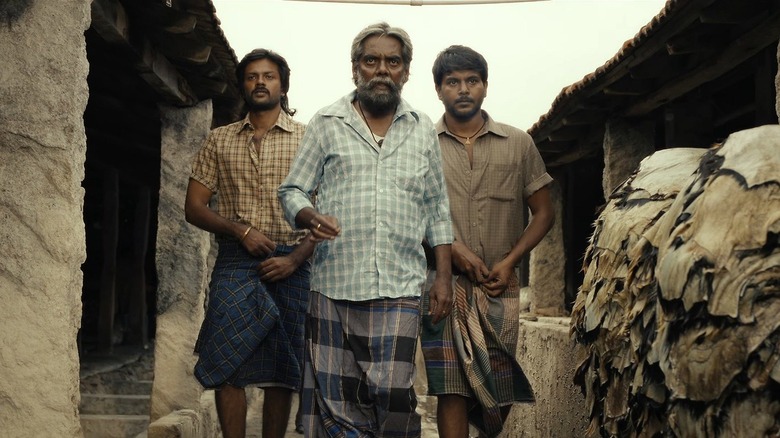
"Dorothy" has done tremendous business in its home country of India, but hasn't been quite as prominent outside of that territory. No domestic box office numbers have been officially reported for "Dorothy," while reviews for it from non-Indian publications have been frustratingly limited. If there were any justice in this world, a movie as bold as "Dorothy" would be dominating global cinema discourse. After all, it's the latest feature from "Jigarthanda DoubleX" writer/director Karthik Subbaraj. That should be reason enough for "Dorothy" to warrant automatic attention from film geeks.
"Dorothy" follows longtime friends Karthi (Rishikanth) and Subbu (Sananth), who work under formidable gangster Whistle Veeraiya (Muthukumar). While Karthi has taken to rampant violence like a duck to water, Subbu is more fond of chatting with sister-in-law Dorothy (Keerthy Suresh). So begins a saga of identity, familial tension, and self-acceptance, unafraid to embrace LGBTQIA+ material other movies cower away from. So much about "Dorothy" impresses, including Subbaraj's precise visual scheme (particularly in one unforgettable sequence rendered in an unblinking single take) or the profoundly idiosyncratic performances. A supporting turn from Jeeva Subramanian especially enchants thanks to her compelling on-screen presence.
Like John Williams effortlessly delivering new iconic compositions for a 2020s Spielberg directorial effort, legendary composer Ilaiyaraaja lends "Dorothy" stirring orchestral tracks. His sonic accomplishments reinforce the communal queer joy and inventive camerawork permeating this feature. Rejoice cinema fans, the "Jigarthanda DoubleX" mastermind has made another gem.
Is God Is
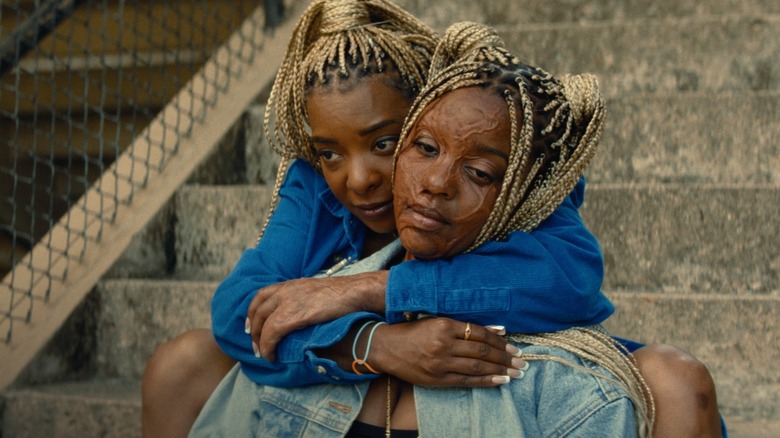
The biggest directorial debuts of all time at the box office get all the media coverage and audience awareness. However, it's in the indie scene where artistically accomplished directorial debuts flourish. 2026 delivered a new phenomenal filmmaking debut with "Is God Is," a revenge thriller from writer/director Aleshea Harris adapting her play of the same name. This title follows twin sisters Racine (Kara Young) and Anaia (Mallori Johnson) living a solitary existence after their father, The Monster (Sterling K. Brown), set them and their mother on fire. Now, the mother they didn't know was still alive has given them a new mission: Track down The Monster and kill him.
Though hailing from the stage, "Is God Is" doesn't suffer from the tepid visuals or translation problems populating other movies adapted from plays. Instead, Harris leans into inspired cinema-specific details (like precise camerawork or the twins communicating silently through on-screen text). "Is God Is" takes on a whole new vibrant life in this storytelling medium. Harris also impressively commands the movie's intricate tone. Her script can switch from a dance on the side of a road to devastating contemplations of long-lasting trauma without missing a beat.
Throw in a barrage of unforgettable performances (Mallori Johnson establishes herself as a movie star here) and it's no wonder "Is God Is" registers as a legendary directorial debut.
If I Go Will They Miss Me
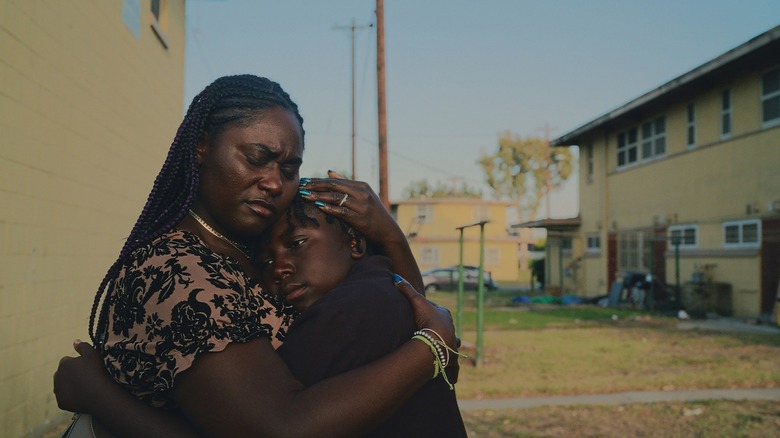
Christopher Nolan made his masterpiece with "The Odyssey," yet this exalted filmmaker still didn't make the best 2026 movie utilizing Greek mythology. That honor goes to the enchanting, heartbreaking, and beautiful "If I Go Will They Miss Me." Here, writer/director Walter Thompson-Hernández charts the life of Lil Ant (Bodhi Dell), a 12-year-old with a glorious vision of his father, Big Ant (J. Alphonse Nicholson), who just released from prison. He envisions him as tantamount to Odysseus, though Big Ant is very much a normal, vulnerable human being. "If I Go Will They Miss Me" follows this strained father/son relationship and other corners of this family dynamic, including the life of mother Lozita (Danielle Brooks).
Though it takes place in lived-in, ordinary locations, every image is rendered with loving care and lyrical majesty. Hernández's direction and Michael Fernandez's cinematography extend the intricately designed visual landscape to fascinating smaller details, like a motif where audiences see certain interactions through second-hand means (such as a mirror's reflection). This creates both strikingly composed shots and bittersweetly captures how Lil Ant, despite his love for his parents, doesn't fully understand every corner of their lives.
"If I Go Will They Miss Me" houses equally unforgettable performances, particularly J. Alphonse Nicholson's extraordinarily layered work as Big Ant. Combining such turns with all those mesmerizing visuals makes it clear why even "The Odyssey" bows to this 2026 feature.
Blue Heron
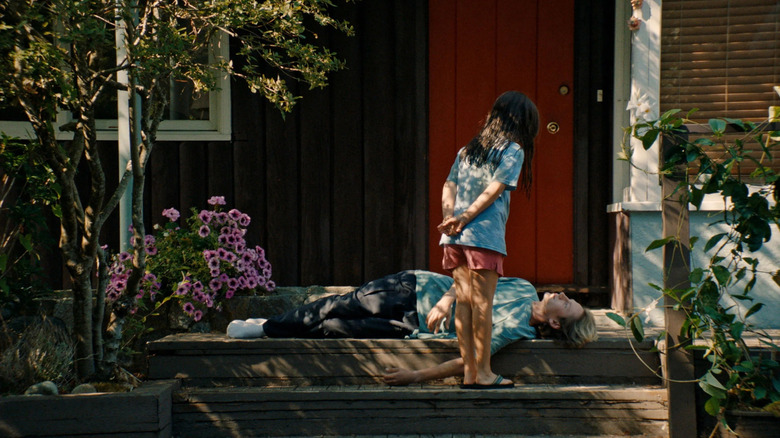
"Blue Heron" lead Sasha (Eylul Guven) grows up around parents constantly videotaping or photographing her and her siblings. Yet despite all those visual records of the past, questions about her troubled teen brother Jeremy (Edik Beddoes) persist. As the family moves into a new home, Jeremy's aloof nature has only worsened. Writer/director Sophy Romvari's "Blue Heron" is many things, but it's especially a heartbreaking exercise about how those closest to us can also be strangers. We can love and help these individuals. Yet there are parts of them we'll never fully know. Thus, even as an adult, Sasha (later played by Amy Zimmer) continues wondering about Jeremy.
Romvari and cinematographer Maya Bankovic capture visuals as impressively composed as they are atmospherically shattering. Several segments are executed via elongated single-takes demonstrating quietly immense conviction from both the camerawork and naturalistic performances. Raw and transfixing ambiguity informs these and countless other images, which shatteringly translates the uncertainty consuming Sasha's perception of Jeremy. Romvari even wrings bittersweet poignancy out of tiny yet deeply specific moments like Sasha bonding with her father over the wonders of MS Paint.
Though it never played in more than 106 theaters in North America, the lastingly aching "Blue Heron" deserved to be plastered in thousands of locations. Movies this excellent and emotionally potent should be experienced by as many people as possible.
Color Book
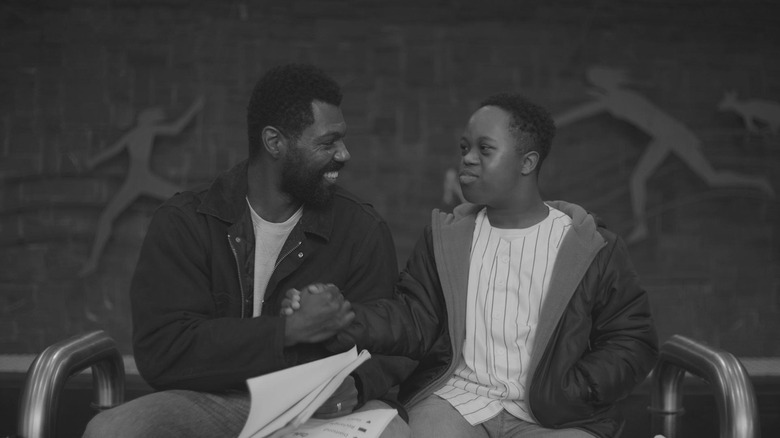
Netflix's problems with properly promoting its original movies and TV shows have long been infamous. However, even by the streamer's abysmal promotional standards, its outstanding 2026 feature "Color Book" was insultingly dumped onto the service. A trailer for "Color Book" was only uploaded to the Netflix YouTube page just three days before its June 19 launch. No proper poster was ever released for "Color Book," a requisite promotional move that even the most overrated Netflix film originals received. As a result, "Color Book, as of this writing, only has 17 reviews on Rotten Tomatoes while under 2,800 people have logged it on Letterboxd.
Don't let Netflix hiding "Color Book" dissuade you from seeing it, though. This is a massively moving endeavor simply following father Lucky (William Catlett) trying to take his son, Mason (Jeremiah Daniels), to a baseball game in Atlanta, Georgia. Above all else, "Color Book" is a spectacular showcase for William Catlett's enormous talents as an actor. With just one pained facial expression, he communicates the vast, interior complexities of this man (whose mourning the passing of his wife and Mason's mother). Every character that Lucky and Mason encounter are as captivatingly real as their own dynamic, while the tactile imagery is impressively realized.
Both the ornate visuals and a soul-stirring Dabney Morris score lend glorious artistry into a glimpse of everyday father/son life. Netflix may have dumped it, but everyone should cherish the phenomenal "Color Book."