

15 Best Horror Movies Of 2026 (So Far)
At the start of the 21st century, things looked a little touch-and-go for horror movies, especially in American cinema. The 2000s and early 2010s were full of torture horror, derivative and poorly lit remakes of classic 1970s and '80s titles, and absolutely abysmal found footage features. For those looking for quality horror cinema that actually delivered frights and craftsmanship, the age of "Chernobyl Diaries" and the "Prom Night" remake was hard to endure. Luckily, the 2020s has been a glorious era for horror storytelling. This decade has already delivered gems like "Sinners," "Nope," "Titane," and countless other new classics.
Happily, that trend has continued well into 2026. This year has produced a bevy of unforgettable horror titles, including those like "Backrooms," which has catapulted exciting new talent like Kane Parsons to automatic stardom. Given how prosperous the genre has been in 2026, it can be daunting to pick the year's best horror features. However, the titles that have emerged as the five best horror movies of 2026 so far (ranked below from "least best" to greatest based on this author's subjective opinion and their general theatrical release dates, rather than festival premieres) refuse to be ignored. They're terrifically frightening movies that are bound to inspire nightmares and dissertation papers in equal measure.
While all five of these movies are excitingly varied in their creative ambitions, they all make classic horror fare proud in taking this genre to new and exciting places. None of these five features rest on their laurels. No wonder they've emerged as the cream of 2026's horror crop.
Exit 8
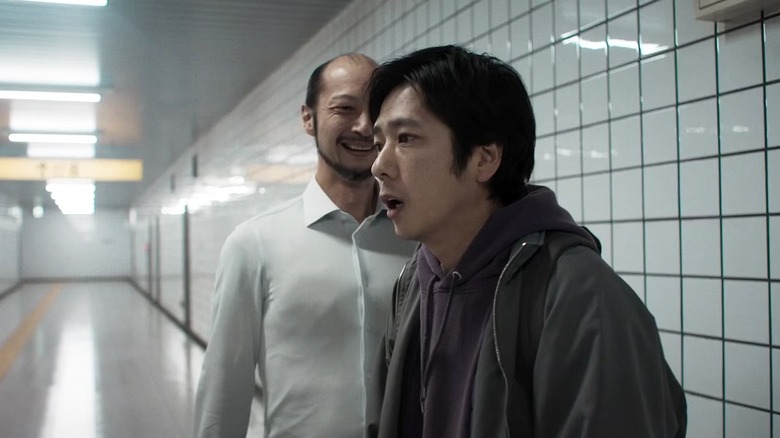
The worst video game movie adaptations of all time provide an unsettling portrait of what could've happened with "Exit 8." This movie could've easily dipped into the artistic realm of Uwe Boll features or "Prince of Persia: The Sands of Time," which merely utilized the iconography of familiar video games in the name of deeply inept filmmaking. Writer and director Genki Kawamura (who penned the script with Kentaro Hirase) avoided those pitfalls with his translation of the video game "The Exit 8," partially through not overthinking the process of transferring this property from one medium to another.
The central "Exit 8" conceit, consisting of inspecting various train station floors and figuring out what's different from the last floor to succeed to the next "level," is simple. Rather than sweatily trying to expand that premise with endless subplots or digressions outside of the train station levels, Kawamura fully committed to cinematically chronicling the nightmare of being trapped in an endless loop. In the process, he crafted an evocative horror film that could work for both diehard "Exit 8" fans and total newcomers. The manifestation of how even the tiniest changes can mean the difference between progression and getting sent back to the start produces some truly unnerving scares.
A collection of equally dedicated performances from the cast and memorable imagery courtesy of cinematographer Keisuke Imamura (not to mention vital production design) further accentuates the effective frights informing "Exit 8." Not only is this one of 2026's horror highlights, but "Exit 8" is also easily one of the best video game movies ever (and even topped our list of the best horror video game films).
It Ends
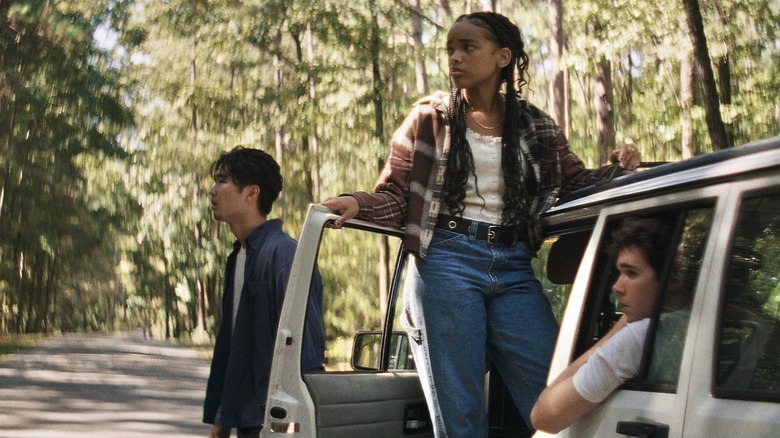
The scrappy, low-budget "It Ends," the directorial debut of writer, director, and editor Alexander Ullom, follows friends James (Phinehas Yoon), Day (Akira Jackson), Fisher (Noah Toth), and Tyler (Mitchell Cole) on a routine car ride when one wrong turn sends them down a forest-based path that just won't end. No matter how many times they make the same turn, their car won't ever reach its destination. "It Ends" certainly has its share of frights that could stand toe-to-toe with the most memorable sequences from the scariest movies about isolation.
Part of what's so inspired about Ullom's screenwriting, though, is keeping viewers guessing as to what kind of tone the story is aiming for. One hauntingly memorable sequence shows Day and Fisher chuckling over stupid memes, then screaming outside of the car before sobbing together. It's a rollercoaster of emotions encapsulating both the whirlwind of feelings one endures when surviving the unthinkable and the tonal complexities informing "It Ends." Exhibiting such creative conviction to those intricacies cements how special "It Ends" is.
To boot, Ullom's visual sensibilities are really sharp, especially given the cramped physical confines he has to work with. Bathing the entire project in bright, cheery sunlight while all the characters are experiencing unspeakable frights creates thoughtful, juxtaposition-heavy visuals. His imagery and the finely tuned collection of performances (Phinehas Yoon is especially a revelation) keep viewers glued to the horrifyingly confined "It Ends."
28 Years Later: The Bone Temple
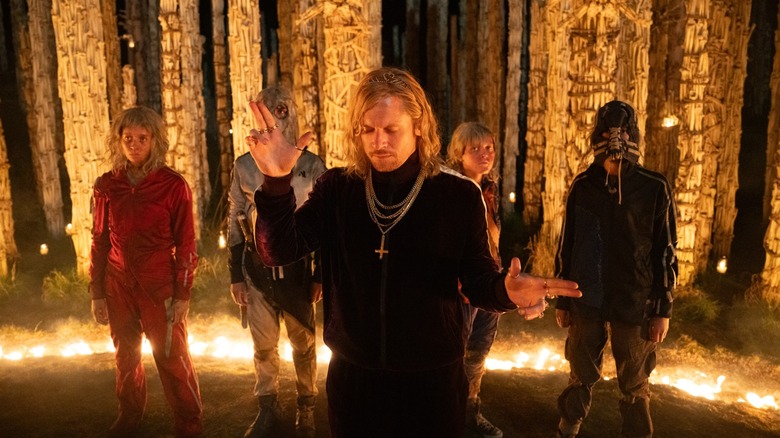
After that bonkers "28 Years Later" ending, director Nia DaCosta and screenwriter Alex Garland hit the ground running in "28 Years Later: The Bone Temple" with two very different portraits of coping with the apocalypse. Sir Lord Jimmy Crystal (Jack O'Connell) is using his pain as justification for becoming the bloodthirsty leader of a dystopian gang. Then, there's Dr. Ian Kelson (Ralph Fiennes), a relaxed soul who holds hope that they'll be able to make zombies like Samson (Chi Lewis-Parry) human again. One figure sees the end of the world as an excuse to inflict further pain on others, while another clutches onto the tenets of the Hippocratic Oath and helps people. In the middle of all this is "28 Years Later" lead Spike (Alfie Williams), who is figuring out who he wants to grow up into.
These rich thematic concepts inform a fantastic follow-up with some blood-curdling set pieces, like Crystal's deranged follower Jimmima (Emma Laird) tormenting the innocent or any sequences involving those speedy zombies chasing people. However, there's also delicate and compelling humanity laced throughout the proceedings, including any time that Kelson and Samson are just chilling. The discernibly human elements just make figures like Crystal all the more eerie, since he's so evocative of real-life monsters (even beyond that wig intentionally channeling British child predator Jimmy Savile).
"The Bone Temple" doesn't just have more depth than most 2026 horror films; it's also the only one featuring Ralph Fiennes doing an elaborate dance routine to an Iron Maiden tune. That automatically makes it a classic.
Obsession
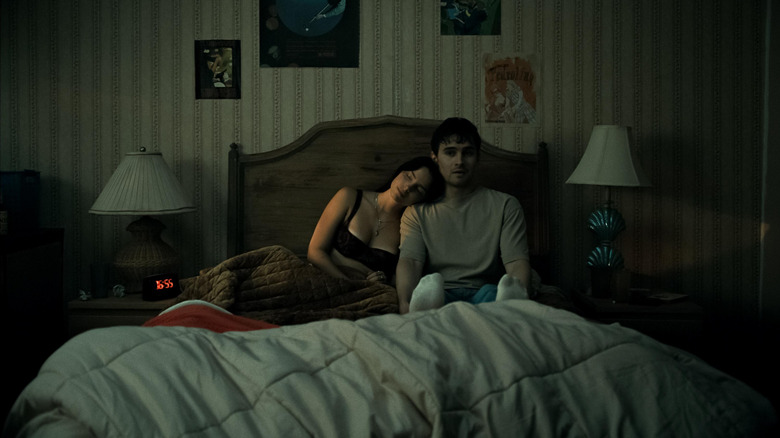
Now that "Obsession" has blown everyone away at the box office and endless memes have been made involving Inde Navarrette's Nikki, it's clear that writer and director Curry Barker's inaugural foray into theatrical cinema has been a resounding success. Now that the dust has settled on the "Obsession" theatrical run that continued the legacy of various movies that became unexpected blockbusters, it remains clearer than ever how darn eerie and effective "Obsession" is. Barker pulled off the rare feat of securing immense mainstream success without sacrificing precise artistry in the first place.
For starters, it's wonderful that Barker and cinematographer Taylor Clemons didn't eschew bright colors or deeply tangible lighting in making this feature. Just because the movie is grim doesn't mean every scene must be draped in grays. More essentially, though, "Obsession" is a fantastic piece of horror cinema that makes audiences feel like they've been plunged into a nightmare. Set pieces like Nikki's "Hansel and Gretel" monologue, where you truly never know what words or actions will happen next, ominously recreate the sensation of being trapped in slumber with an unpleasant dream you can't control. Similar nightmarish horror classics like "The Texas Chain Saw Massacre" would be proud.
Navarrette's mesmerizingly unnerving work also informs so much of the "Obsession" frights, though what really makes the movie click as a horror film is making Bear (Michael Johnston) the most terrifying figure here. Ghostface, Jason Voorhees, Pennywise — they're all kind of scary. None of them, though, are as overwhelmingly horrifying as men who believe they're entitled to women's bodies.
Teenage Sex and Death at Camp Miasma
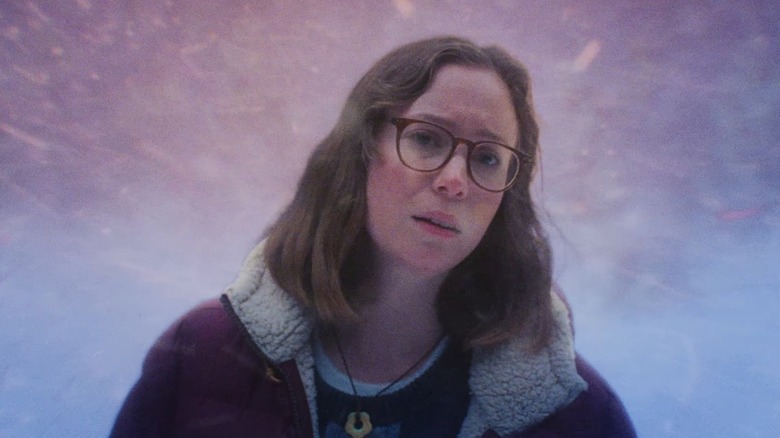
After knocking it out of the park with "We're All Going to the World's Fair" and "I Saw the TV Glow," writer and director Jane Schoenbrun somehow took their filmmaking chops to an even greater level of artistry with "Teenage Sex and Death at Camp Miasma." This motion picture is nothing short of a miracle that spans so many tones, ideas, and unforgettable visuals while playing in the slasher movie sandbox. The gist of the proceedings is that director Kris Williams (Hannah Einbinder), who has been tasked with rebooting the fictional "Camp Miasma" saga, visits the campgrounds where the first "Miasma" was filmed — and where that movie's reclusive star, Billy Presley (Gillian Anderson), now lives.
What follows is a motion picture that alternates between tender campfire discussions about kink and delivering maximalist slasher cinema chaos that would make even the best slasher movies of all time jealous. An extended single-take set piece where "Camp Miasma" foe Little Death (Jack Haven) wipes out a barrage of campers especially feels like the ultimate slasher scene. Even after gallons of blood flows across the screen, though, Schoenbrun can still deliver absolutely adorable and beautiful scenes of Williams and Presley growing more intimate. Binding all these disparate sequences are extraordinary visual sensibilities and an embrace of heightened backdrops (including gorgeous matte paintings) that echo the imagery seen in masterpieces like "Kwaidan."
Needless to say, "Teenage Sex and Death at Camp Miasma" is the pinnacle of both 2026 horror cinema and the entire year's cinema scene.
Resident Evil
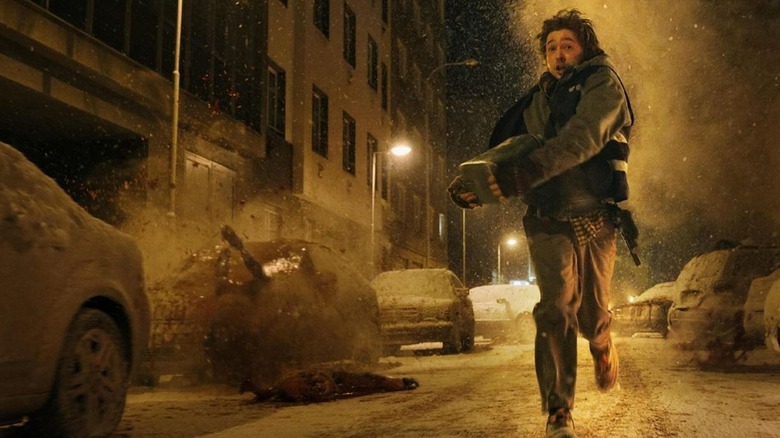
After killing it with original horror titles "Barbarian" and "Weapons," writer/director Zach Cregger turned his cinematic gaze to delivering a "Resident Evil" reboot that blew everyone away at the box office. While past "Resident Evil" movies got bogged down in mythology and fan-service, this new take on the video game kept things shrewdly simple. Cregger's script follows delivery worker Bryan (Austin Abrams) doing one final job in a snowy locale known as Raccoon City. Along the way, he hits a woman who is really out of it. From there, the scares and danger keep ramping as Bryan constantly tumbles into new challenges.
"Resident Evil" often operates like a classic screwball comedy with its horror story about a hapless leading man trying to keep his head above water as one bad development leads to another. The result is a tremendously entertaining enterprise rife with memorable scares and nailbiter suspense. This reboot imbues palpable and frightening unpredictability into Bryan's plight. One truly never knows what madness is lurking around a sewer corner or in the darkest shadows. The camerawork is also impeccable and lends crisp framing to all the undead chaos.
Composer Hays & Ryan Holladay, returning from "Weapons," craft a tremendously memorable score that's like a cherry on top of the delicious horror sundae that is "Resident Evil," with stupendous compositions that accentuate the tension. Chalk up another win for Zach Cregger.
Leviticus
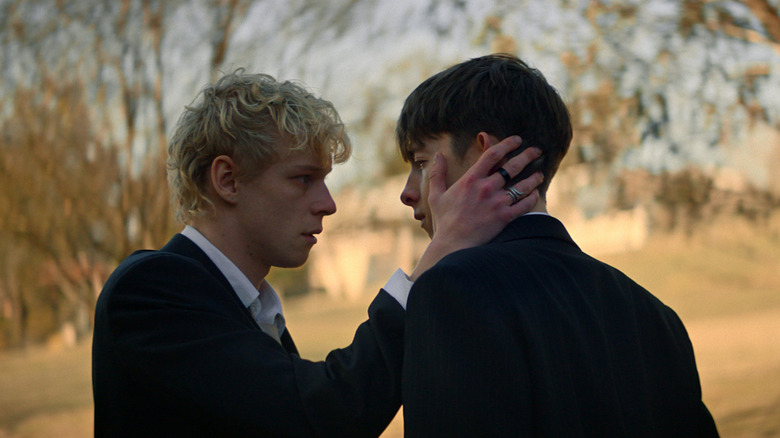
What if the most terrifying force imaginable took the form of someone you loved? You want to reach out and caress them, yet getting close would mean instant doom. That's the predicament at the heart of "Leviticus." The feature follows Naim (Joe Bird) and Ryan (Stacy Clausen), who live in a small, deeply Christian town in Victoria, Australia. Ryan is forced to visit something tantamount to a conversion camp, an already traumatizing experience unto itself. Afterward, though, Naim and Ryan get plagued by a dangerous organism taking the form of whoever they're attracted to. Societal forces already make it impossible for them to get close. Now this creation adds even more danger to the situation.
Writer/director Adrian Chiarella proves adept behind the camera in "Leviticus," but he's especially skilled at suspenseful imagery. His camera lingering on things like a billowing piece of laundry that may or may not have something imposing hiding behind it always inspires chills. There's specificity to the visual language of "Leviticus" that simultaneously delivers scares and puts one into the uncertain mind of the lead characters. Meanwhile, the main actors deliver heartbreakingly realistic performances that perfectly anchor the occasionally heightened horror feature.
Bird and Clausen's performances could easily work in a non-horror romantic drama, making it extra disturbing when an "It Follows-"style entity keeps pestering them. This horror tale from Down Under radiates spine-tingling craftsmanship.
Backrooms
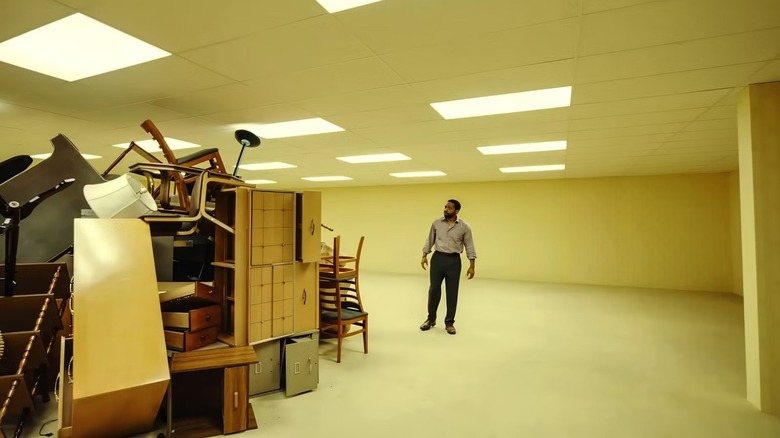
On paper, translating a YouTube/message board sensation like "Backrooms" to a feature length movie should've been a fool's errand. Surely this concept couldn't sustain a two hour motion picture, and writer/director Kane Parsons' feature would be rife with fan-service and shallow storytelling impulses. However, rather than being another internet-inspired cinematic misfire like "Slender Man" or "Smosh: The Movie," "Backrooms" was a deeply effective exercise, evocatively eerie even for total newcomers.
Part of that comes from Parsons' precisely arranged and colorful imagery that begs to be seen on a movie theater screen rather than absent-mindedly consumed on one's phone. Additionally, Parsons welcomly embraces that the unseen is often the most terrifying. A piece of camcorder footage capturing a trio of characters navigating the titular realm, with an unseen force moving the camera around, is a tour de force of scares because of how much is kept off screen. Plus, the cast refuses to phone in their performances. There's a reason Chiwetel Ejiofor's big third act monologue has become a viral sensation, given his absorbing line deliveries and emotionally raw performance.
On top of all that, there's generally strong sound design and a willingness to making the film work as a standalone experience rather than a bunch of hastily stitched-together nods to the entire "Backrooms" timeline. In his first feature directorial gig, Kane Parsons exhibits some serious (and fright-inducing) chops.
Mother Mary
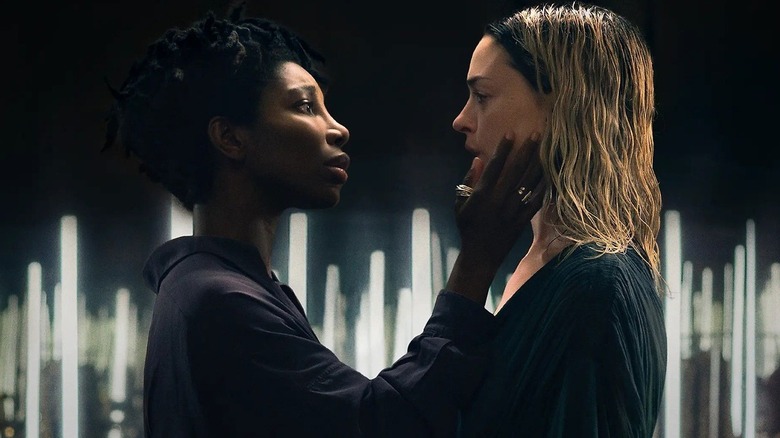
"Mother Mary" isn't a straightforward horror movie, which shouldn't be a shock to anyone whose seen prior works from writer/director David Lowery. This filmmaker refuses to stay inside a box or totally adhere to viewer expectations. Even his PG-rated Disney movie ("Pete's Dragon") was a moody and thoughtful affair. Meanwhile, films like "A Ghost Story" and "The Green Knight" were visually astonishing works with aching atmospheres that defied easy descriptions. That inevitably means Lowery's 2026 Anne Hathaway/Michaela Coel two-hander "Mother Mary" is similarly impossible to pin down.
This title follows pop superstar Mother Mary (Anne Hathaway) reuniting with former colleague Sam Anselm (Michaela Coel) to request a dress, only for their reunion to unleash a deluge of contemplations on the past and what led to their relationship falling apart. Lowery's landscape includes sensational pop song performances that Hathaway absolutely slays, but also eerie set pieces involving possessions, blood red entities hovering over Sam's bed, and skin getting punctured. Horror movie iconography is omnipresent, though the scariest thing in "Mother Mary" is the grueling process of confronting yesteryear's mistakes.
Granted, "Mother Mary" isn't going to work for everyone nor is it perfect. Most notably, it would be optimal if it made the dynamic between Mary and Sam explicitly queer given how frustratingly close it comes at certain points. However, as a tonally complicated exercise crammed with evocative uneasiness and striking imagery, "Mother Mary" works quite well.
Alpha
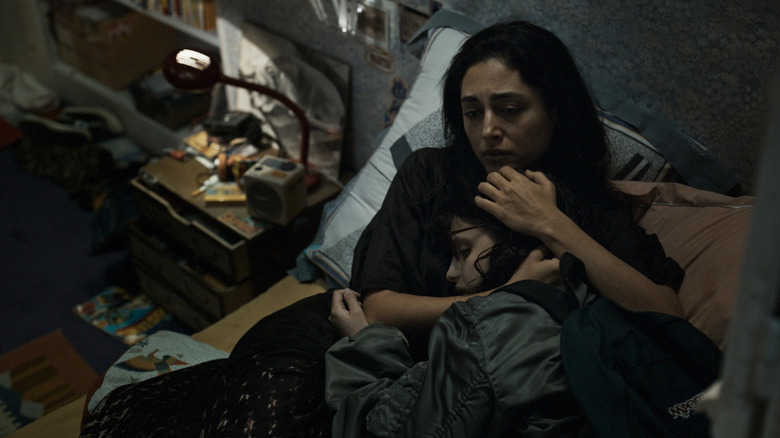
Writer/director Julia Ducournau's 2025 feature "Alpha" isn't up to par with her first two works, "Raw" and especially "Titane." The script is overcrowded, which eventually means that the titular Alpha (Mélissa Boros) frustratingly fades into the background in the third act. Tahar Rahim's at-times too externalized performance also occasionally frustrates, and the film can't quite settle on a satisfying ending. However, these shortcomings emerge due to Ducournau's impressive creative audacity. If certain 2026 horror movies like "Evil Dead Burn" or "Clayface" felt too standard for their own good, "Alpha," at its creative peak, reminds viewers what truly gung-ho cinema looks like.
"Alpha" follows the horrors of 13-year-old Alpha living in a world of people suffering a fictional sickness that's supposed to evoke AIDS. When suspicions arise that Alpha has caught this disease after coming into contact with a dirty needle, she gets ostracized and demonized by her schoolmates. "Alpha" horrifyingly charts mainstream society's "othering" of folks, as well as the psychological turmoil of being an outcast. Ducournau's reliably impressive visual instincts (which extend to tremendous makeup work) evocatively realizes these terrifying circumstances.
Anchoring the proceedings is Mélissa Boros, who proves adept at handling the weighty material. Even when portraying Alpha just sitting down, she powerfully communicates the pain of pervasive loneliness. Though messy, "Alpha" is also a thoughtful horror exercise reflecting Ducournau's bold refusal to play it safe.
Send Help
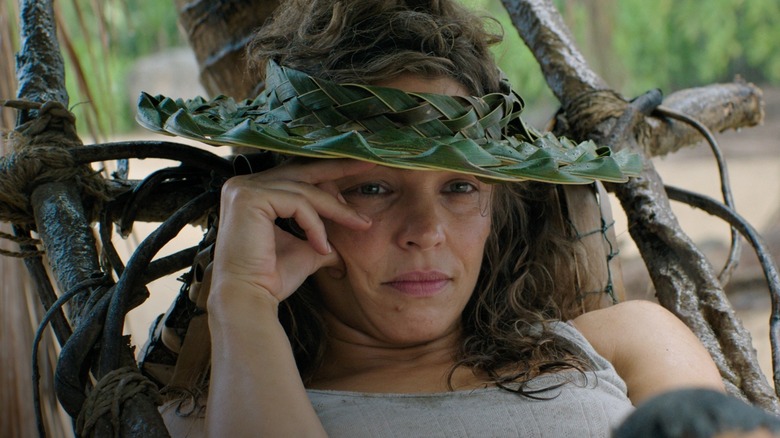
It took 17 years after "Drag Me to Hell," but director Sam Raimi finally returned to the non-blockbuster horror movie world with "Send Help." The dark comedy maestro's latest follows ordinary office worker Linda Liddle (McAdams) who gets no respect from anyone in her life, particularly her cruel boss Bradley Preston (Dylan O'Brien). However, after a plane crash, the duo end up being the only survivors trapped on a deserted island. Preston is injured and not ready for the natural world. Liddle, meanwhile, has been preparing and takes control of everything, including the guy that used to belittle her.
Though it's been a while since Raimi made a film free of a $150+ million budget, the director never misses a beat in uncovering all the grimly entertaining potential in "Send Help." The immersive and wry camerawork populating every Sam Raimi movie is as vibrant as ever, and proves critical to certain darkly comedic punchlines being as humorous as they are. Beyond Raimi, "Send Help" is also a divine demonstration of why Rachel McAdams is such a gift. She's totally at home portraying the chaotic and unpredictable Linda Liddle.
It's a treat watching her slaughter boars, go off her rocker, and intimidate Dylan O'Brien's character. "Send Help" may not inspire nightmares, but that's not the horror mold it's emulating. This instead aims to deliver a rollicking good time and Raimi and company certainly deliver on that front.
Faces of Death
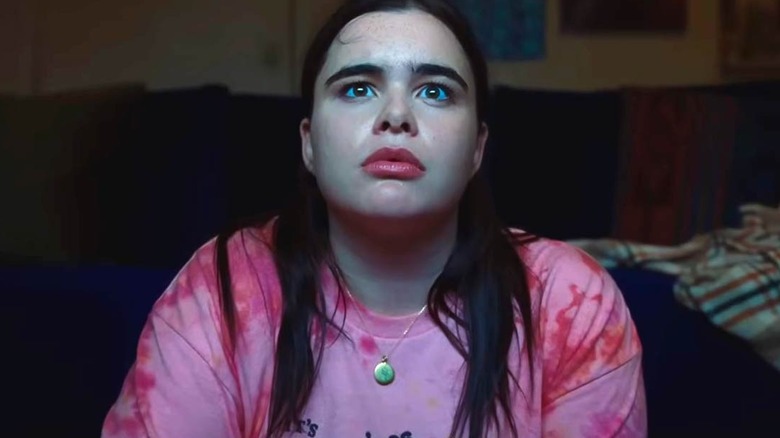
It's clear that we'll never be free of horror remakes, and most won't be on par with the best horror movie remakes ever. If this trend must fester, then there are worse efforts to emulate than the 2026 overhaul of "Faces of Death." This Daniel Goldhaber directorial effort, based on the 1978 horror feature of the same name, follows Margot Romero (Barbie Ferreira), a content moderator for a social media platform. While working, she encounters disturbing videos depicting gruesome murders that she's convinced aren't simulated. Her concerns are minimized, but she's actually on the right track. These videos are the work of bloodthirsty psychopath Arthur Spevak (Dacre Montgomery), whose life is about to collide with Romero's.
Happily, "Faces of Death" doesn't try emulating other horror remakes or legacy sequels, but rather evokes past Goldhaber directorial efforts (often made alongside "Faces of Death" co-writer Isa Mazzei). His previous filmmaking exploits, "Cam" and "How to Blow Up a Pipeline," occupy discernibly modern worlds and follow young people navigating hallmarks of 2020s existence such as financial difficulties and dehumanizing systemic structures. Leaning into these elements lends a distinct personality to this title.
Even when its third act gets too repetitive and strained for its own good, "Faces of Death" gets plenty of mileage from interesting performances and a willingness to speak to the here-and-now. Future horror movies should take a page from 2026's "Faces of Death" rather than 2018's "Halloween."
Hokum
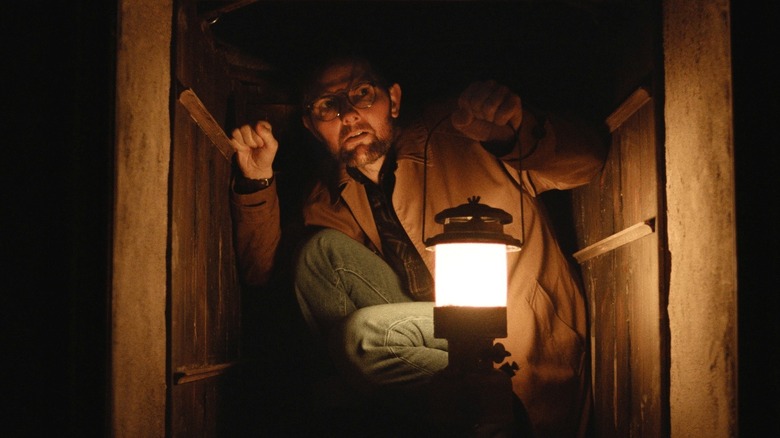
For those who can't get enough Adam Scott and are checking their watches for when the next "Severance" season drops, the solid 2026 horror feature "Hokum" should satisfy your cravings. This Damian McCarthy directorial effort sees Scott portray Ohm Bauman, an alcoholic author prone to excessive rudeness towards anyone who even approaches him, let alone tries actually engage in conversation. When visiting an isolated Irish hotel to spread his parents ashes, he encounters a place that has fishy stuff going on. Specifically, this hotel has some kooky characters and a floor that attendees are forbidden from entering.
This being a scary movie, Bauman's life eventually intersects with that forbidden territory and some supernatural forces at work in the hotel. Between its grimly humorous streak and healthy dosage of tangible scares, "Hokum" evokes nothing so much as a great campfire story. There's concrete stakes in "Hokum," but McCarthy doesn't drown everything in uninteresting grimness or "grounded" reality. If you want a spine-tingling movie about things going bump in the night and characters holding up lanterns to illuminate darkened hallways, "Hokum" has your number. Those classic horror ingredients are all here and done in deeply enjoyable fashion.
The proceedings materialize with polished visuals and strong sound design while the Irish backdrop injects further specificity into "Hokum." Both Adam Scott die-hards and folks seeking perfectly cromulent horror entertainment will find plenty to enjoy in "Hokum."
Chronovisor
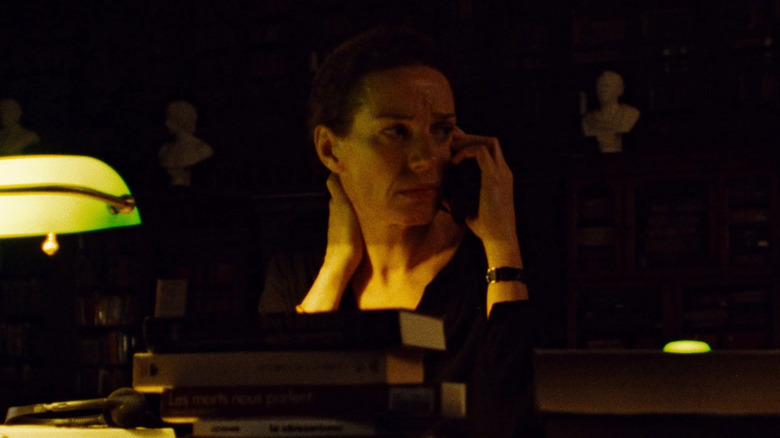
Each year brings at least one microbudget horror movie that ends up taking the cinema scene by storm. A 2026 contender for that title was "Chronovisor," a deeply unorthodox take on how horror features operate. This motion picture from writers/directors Jack Auen and Kevin Walker centers on Béatrice (Anne Laure Sellier), an academic who becomes fixated on the titular mystical device, which is supposed to recreate ancient images. "Chronovisor" tells this story through an intentionally limited scope and an emphasis on reading. Such elements won't be to every horror movie geek's liking, especially those seeking something with more immediate, visceral thrills.
However, the widespread acclaim greeting "Chronovisor" speaks positively to how well the creative team executed its unusual aesthetic. Most notably, praise has been directed towards how this project's form immerses viewers into the world of academia. Rather than placing a scholarly figure into a traditional horror feature, "Chronovisor" garnered its most ardent supporters by bending the visual norms of this genre to this occupation. Plus, the restrained scope gave Sellier's performance plenty of space to enchant moviegoers.
Most importantly, though, "Chronovisor" has become hailed for its fixation on how much the past can consume us. In a modern culture dominated by nostalgia and callbacks to yesteryear, the central source of tension and scares in "Chronovisor" is mighty relevant.
Godzilla Minus Zero
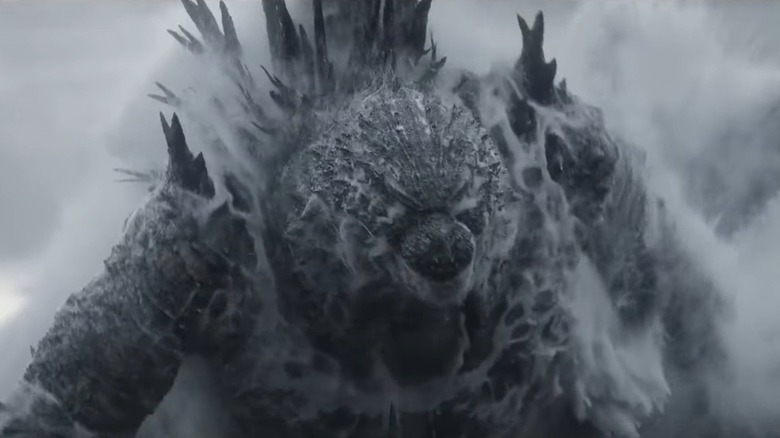
The best "Godzilla" movies have often featured the titular pop culture icon in a terrifying fashion harkening back to his very first appearance, where he was an unstoppable representation of what happens when humanity meddles in matters it should never go near. Into the 21st century, while Godzilla has been a fun figure for escapist entertainment, titles like "Shin Godzilla" and "Godzilla Minus One" have reaffirmed Godzilla's immense potency as a source of horror. "Godzilla Minus Zero," a direct sequel to "Godzilla Minus One," is another vivid example of this reality, not to mention an exceptional film on its own merits.
Taking place two years after "Minus One," "Godzilla Minus Zero" see's not only Godzilla returning, but also the introduction of a new incarnation of King Ghidorah. The latter monster is the centerpiece of the opening "Minus Zero" sequence, which instantly plunges viewers into a terrifying tragedy where people are running for their lives from this destructive creature. Right away, "Godzilla Minus Zero" puts you on edge. Subsequent set pieces are similarly outstanding in this respect, with Godzilla and Ghidorah's scale and might compared to the deeply vulnerable human characters always being tangible and chilling.
After many decades of Godzilla features, it should be impossible to do anything new with the character. "Godzilla Minus Zero," though, shows that there's still plenty of horrifying gas left in the tank for this cinematic legend.