

5 Most Controversial Stephen King Adaptations, Ranked
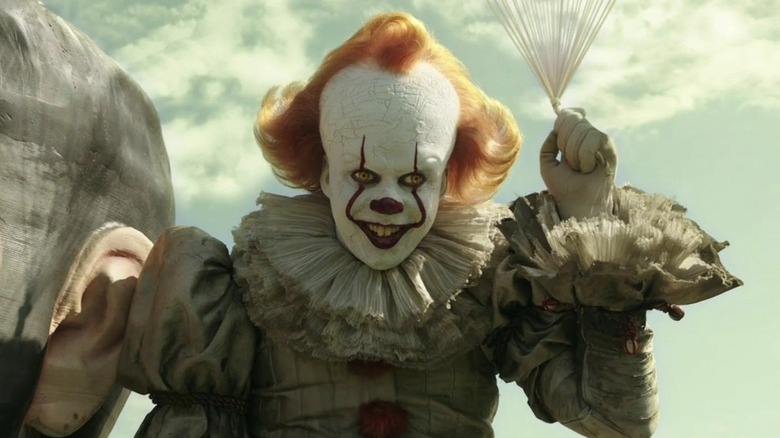
There's no middle ground when it comes to Stephen King adaptations. They're either masterpieces or they're unbearable, with few exceptions to the rule. The same applies when directors decide to take creative liberties with the King of Horror's source material, deviating from what worked on the page to create something unique and unusual. That could either mean bold visions that the author hates, short stories that significantly expand the scope of the original text, or an utter, unqualified disaster that forgets what it was that made the story scary in the first place.
The vast majority of the most controversial Stephen King adaptations wound up that way because the liberties they took proved alienating, with one even causing the author to file a lawsuit because of how little it resembled his work. These are by no means the best movies inspired by his catalogue, with more stinkers than successes in the crop below. Although, it does a disservice to the masterpiece at No. 1 to say it's a ranking from least worst to worst of all. Instead, these are the films which left a sour taste for one reason or another, inspiring fan backlash or outright dismissal from the author himself.
Many bad films have been made out of King's work, but many of those didn't ruffle feathers to quite the extent that the following five managed to.
5. The Dark Tower
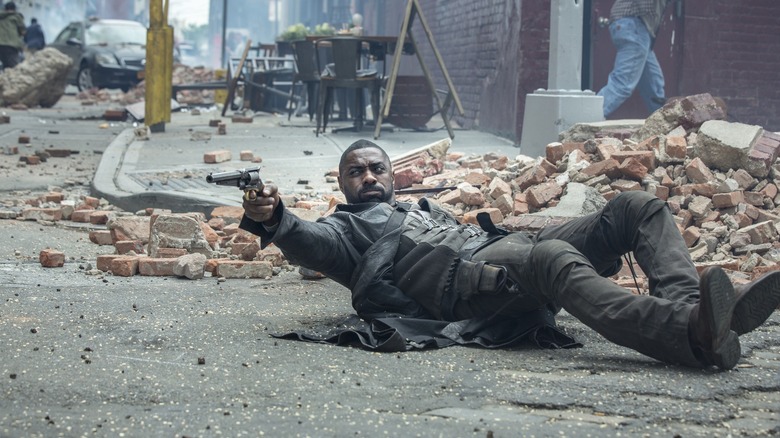
Some films spend decades in development hell, and others end up getting made so poorly you wish they stayed there. That's certainly the case with "The Dark Tower," the long-gestating attempt to bring Stephen King's sprawling fantasy western series to the screen — which, in its mercifully brief 95-minute runtime, revealed exactly why many considered the source material to be unfilmable. Director Nikolaj Arcel's adaptation is simultaneously convoluted and condensed, confusingly combining aspects from several different books in the series in a flailing franchise-starter. Alarm bells should have been ringing over a year before release, when King himself acknowledged that this take on the material probably wouldn't work, despite his glowing endorsement.
"The Dark Tower" is controversial simply because of how it struggled to get a handle on its source material, alienating millions of readers eager to see gunslinger Roland Deschain (Idris Elba) and ruthless sorcerer Walter Padick (Matthew McConaughey) onscreen. A decade's worth of work by four screenwriters — two of whom have Oscars to their name — isn't visible onscreen, with the various character omissions and narrative inconsistencies with the source making for something every bit as confounding for hardcore fans as it was for casual audiences.
A more faithful TV series was announced as being in the works back in 2022 by King devotee Mike Flanagan, with King approving the finished Season 1 scripts in early 2026. That it has taken so long for that project to gather steam is another sign of just how much this movie tainted "The Dark Tower" as a potential screen franchise.
4. It: Chapter Two
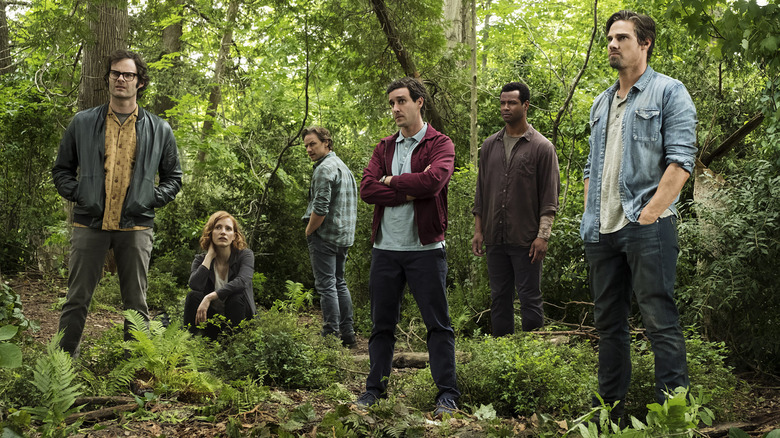
After the record-breaking box office success of "It: Chapter One," this flash-forward to present day Derry couldn't have been more anticipated. It instead proved divisive with small changes to the source material that had far weightier ramifications than Gary Dauberman's screenplay was able to reckon with. Firstly, there was the depiction of a brutal homophobic attack in which Adrian Mellon (Xavier Dolan) was thrown off a bridge, with Pennywise appearing to finish off the job. Jessica Chastain (who plays grown-up Beverly Marsh) and director Andy Muschietti both spoke of the necessity of depicting a hate crime, but it wound up antagonizing many queer audiences for what they saw as a cheap exploitation of a real-life killing, and for being solely included to deepen the coming out arc of Richie Tozier (Bill Hader).
Then there was the shifting dynamic of Stanley Uris' (Andy Bean) suicide. In the novel, Stanley's death is depicted as an act of pure terror at the return of Pennywise, but was characterized in the film as a sacrifice to help save his fellow former members of the Losers Club. Naturally, many were outraged by this framing; although it's a worthwhile topic in a movie about the fallout from childhood trauma, it appeared to send a dangerous message that this was a rational, potentially heroic way of coping with it. The first movie was full of despair, but the sequel's pivot to unrelenting bleakness in the form of weightier themes it didn't properly unpack made for a taxing experience. Unfortunately, "It: Chapter Two" was of the biggest horror disappointments of the past decade.
3. The Lawnmower Man
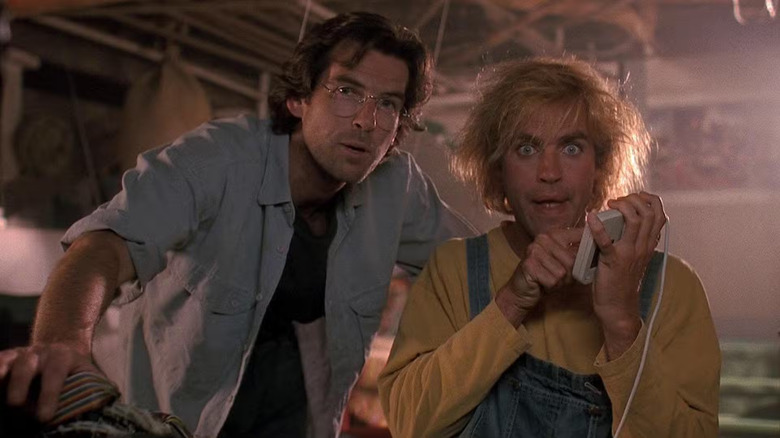
This list is about the most controversial Stephen King adaptations, and "The Lawnmower Man" is included because it isn't really an adaptation at all. Taking the name but not the narrative of King's 1975 short story, director Brett Leonard's adaptation veers wildly from the source as production company Allied Vision struggled to see how they could flesh one of the author's weirdest tales into a feature-length movie. Anybody who had bought a ticket in the hope they'd see a story about an omniscient lawnmower which takes orders from Pan, Greek God of Shepherds and Wild Places, would be disappointed by the virtual-reality thriller they got instead. The only connection to the source was a single scene of a lawnmower being used to kill someone, which hardly justified maintaining the original title.
King infamously spent quite a long time locked in a legal battle against distributor New Line Cinema to get his name removed from the movie. It was initially settled soon after the theatrical release, with his name swiftly removed from the marketing. However, when he later discovered video stores had been using his name to market the VHS rental, he filed a contempt of court lawsuit against New Line, which he won. All of this is far more entertaining than "The Lawnmower Man" itself, which is best enjoyed as pure 1990s cyberspace kitsch, with a depiction of an online world that looks like it arrived 70 years before "The Matrix," not seven. It's horribly dated (let's not even get into the questionable portrayal of intellectual disabilities), but at least has a charming camp factor.
2. Apt Pupil
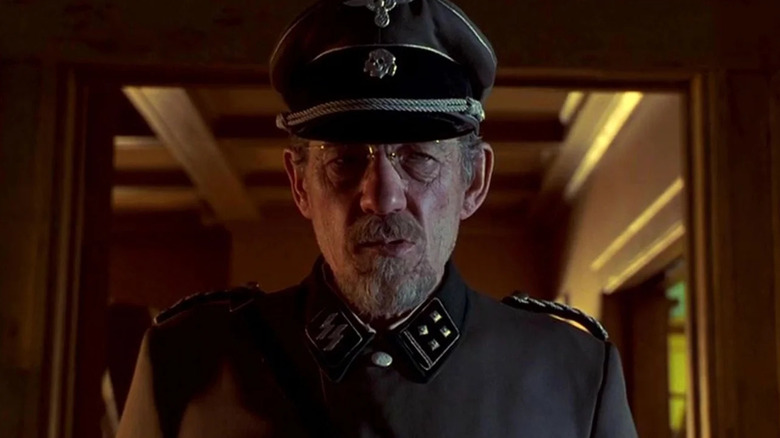
Boasting one of Stephen King's most provocative premises, "Apt Pupil" could be cited on this list on those grounds alone. It follows high school student Todd Bowden (Brad Renfro), who discovers that his new neighbor is a wanted Nazi war criminal. The younger man's fascination with this former concentration camp guard (played by a delightfully hammy Ian McKellen) develops into a mutually self-destructive nuclear family relationship — albeit one significantly toned down from the novella — in which they practically wind up embarking on a killing spree.
It doesn't fully live up to its bold, shocking potential due to an overly melodramatic third act, and has largely been forgotten since flopping at the box office upon release. "Apt Pupil" only came back into the cultural conversation when sexual abuse allegations surrounding director Bryan Singer resurfaced in the late 2010s. "Apt Pupil" features a nightmarish scene where Todd hallucinates victims of the Holocaust appearing beside him in the locker room showers, an already tasteless conceit made worse due to several lawsuits filed shortly after that scene was filmed, as underage extras alleged the filmmaker forced the boys to strip naked for the scene. They were replaced in the finished film, with adult extras in their place.
The Los Angeles District Attorney's office stated there was no need to file criminal charges, but decades later — in a longer expose about Singer's notoriously appalling on-set behavior – The Hollywood Reporter wrote that lawsuits with the underage performers had been settled for an undisclosed sum, with the plaintiffs bound by confidentiality agreements. It's a disturbing case that has rightfully overshadowed the film itself.
1. The Shining
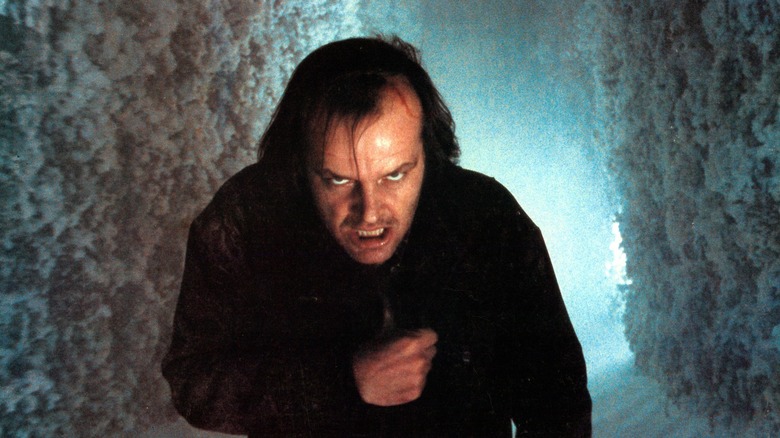
Despite the fact that "The Shining" is definitely one of the most popular Stephen King adaptations, the liberties that director Stanley Kubrick took with the source material has also made it one of the author's least favorite adaptations of his own work. The pair had diametrically opposed views of protagonist Jack Torrance, so memorably played here by Jack Nicholson. The author viewed him as a flawed but fundamentally good man who was "bent one way and then the other" by the supernatural forces engulfing the Overlook Hotel (via Far Out). This reading is largely because King viewed Jack as a surrogate character for himself, with "The Shining" designed as his way of exploring the alcoholism and self-destructive behavioral patterns that emerged when he first became a successful author. He has since said that the later miniseries adaptation (which he helped produce) does a better job of translating those themes to the screen.
Kubrick ignored any of that subtext and instead made his lead a ticking time bomb before his family had even checked into the hotel. King had reportedly tried to talk the director out of casting Nicholson because this inherent intensity would strip away the idea of a psychological transformation, which is great news for us (we wouldn't have one of the greatest over-the-top horror performances if he'd listened), but bad news for the author, who has long acted like this adaptation is an albatross around his neck. Far worse takes on his novels have appeared onscreen, but King's vocal disgust for "The Shining" makes it the boldest and most controversial adaptation by far.