

'70s Movies That Critics Were Totally Wrong About
In the digital age, where you don't need to be hired by a major newspaper to become a critic, it's rare to find any movie that doesn't have at least one positive review. Go back 50 years and the situation is very different: you won't find a single masterpiece of cinema that at least one major critic didn't tear to shreds.
The 1970s were possibly the most gloriously petty time in the history of film criticism, with Pauline Kael sharpening her knives for most new releases, and an early-in-his-career Roger Ebert refusing to damn anything with faint praise to instead go straight for the jugular. It was an era when nothing seemed to receive glowing reviews across the board.
Some movies were trashed far more than others, and some of these critical disasters have become beloved cult favorites — or even regularly named one of the greatest films ever made. The following five movies were all largely written off by the critics of their era but have all managed to endure; one way or another. They've maintained passionate cinephile fanbases that have helped them outlast that initial poor reception, proving that, while they may have arrived ahead of their time, they've aged beautifully a half-century since.
The Devils (1971)
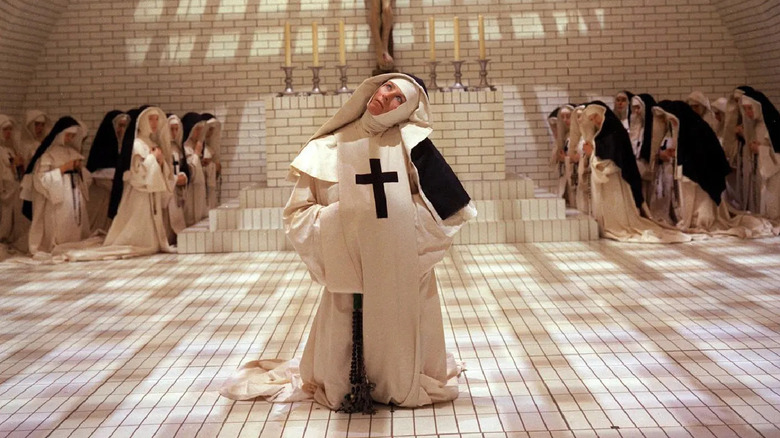
It wasn't just the Vatican who gave a harsh public condemnation of Ken Russell's "The Devils," his over-the-top historical psychodrama inspired by a notorious 17th Century witchcraft trial. At the time of release, film critics gave the movie overwhelmingly negative reviews due to the violent and sexually explicit nature of the "possession" that sweeps a convent into mania — and that's without several of the wildest sequences even making it into the US theatrical cut (a full director's cut exists, but has never been released on physical media or to streaming).
Although it hasn't lost any of its outrageous impact, even in the edited version, "The Devils" is now beloved by a new generation of cinephiles. It's nestled in the top 300 highest rated films on Letterboxd, with various glowing reviews now able to look beyond the debauchery to appreciate its sharp political commentary on the relationship between church and state. It's in stark contrast to its initial reception, where a young Roger Ebert handed it an unnecessarily snarky zero-star review and the Los Angeles Times dubbed it "anti-humanity."
"The Devils" is a brutal film, with the final act not shying away from torturing Oliver Reed's falsely accused priest. Through modern eyes, none of the film's violent or sexually explicit excesses feel gratuitous. The story would still be positively shocking without them.
Pink Flamingos (1972)
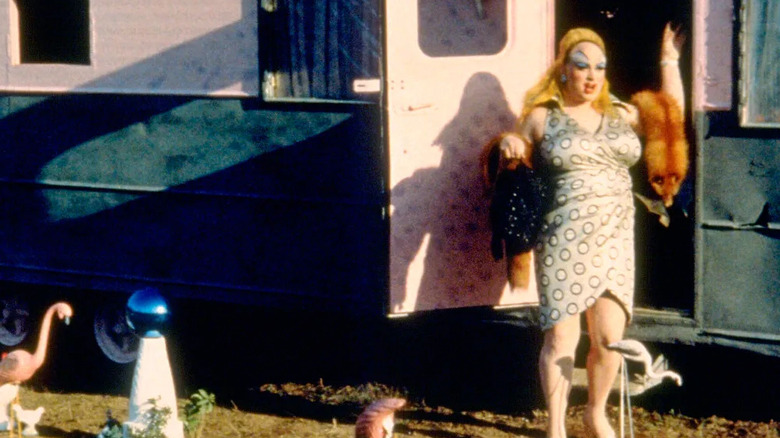
You can imagine John Waters and Divine cackling with glee after reading that Variety had described their unexpected cult sensation as "one of the most vile, stupid and repulsive films ever made." After all, that's exactly what they set out to make. "Pink Flamingos" follows the rivalry between Divine and the Marbles (David Lochary and Mink Stole), criminals eager to usurp her position as the "filthiest person alive." No taboo is left on the table, to the point it seems like they're daring critics to stay in their seats and revel in the outrageousness of their transgressive outsider art. The result is still considered one of the most disgusting movies ever made.
Now regarded as a pioneering work of queer cinema, you can feel the influence of "Pink Flamingos" in the mainstream. Every acting challenge on "RuPaul's Drag Race" lifts Waters' camp comic cadence, if not his offensive material. More importantly, the underground sensation gradually grew in critical stature to the point it was included in Sight & Sound's top 250 movies of all time. That's the kind of respect and adulation Divine would have rallied against. It took a long time for the movie to gain that kind of following, even if it was an enduring midnight movie success.
Roger Ebert was still giving it a zero-star pan on its 25th anniversary rerelease in 1997, saying that, although he'd loved many of Waters' subsequent films, he felt this was the kind of movie that you'd only praise to prove "you have a strong enough stomach to take it." We disagree. Part of the reason it endured is because nobody has made something as funny out of anything as viscerally gross ever since.
The Long Goodbye (1973)
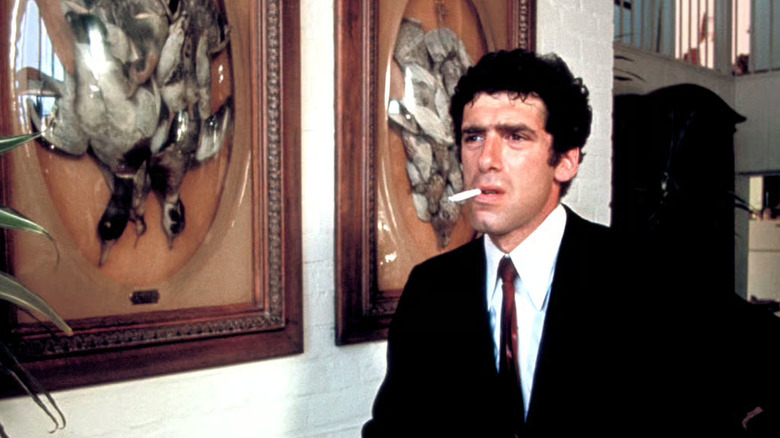
Not everybody overlooked "The Long Goodbye" in 1973; a solidly positive Roger Ebert review would grow into an ecstatic one when he revisited it years later for his Great Movies column. But those were outliers, as far more critics were angered by director Robert Altman's approach to adapting a classic Raymond Chandler novel, disregarding the established conventions of prior adaptations of his Philip Marlowe series to make a looser subversion of tried-and-tested noir tropes.
Animosity was particularly saved for star Elliot Gould, whose portrayal of the private eye was dramatically opposed to the brooding tough guy who had lived inside readers' imaginations. The Los Angeles Times' critic Charles Champlin referred to this personification as that of a "dim-wit slob" that he couldn't find "interesting, amusing or sympathetic," while The Washington Post went further, suggesting it was an adaptation no fan of Chandler could enjoy. This approach to the source material, so diametrically opposed to how the character read on the page, is a crucial reason why it has stood the test of time and remained so influential.
Without Gould's purposefully aloof performance, we wouldn't have the Coen Brothers turning The Dude into a noir hero for "The Big Lebowski," or Paul Thomas Anderson pushing the genre further into hangout stoner movie territory with "Inherent Vice." Purists may have been unsatisfied in the immediate term, but the film's breaking of conventions helped to effectively reshape what a noir movie could be for decades to come.
Bring Me The Head of Alfredo Garcia (1974)
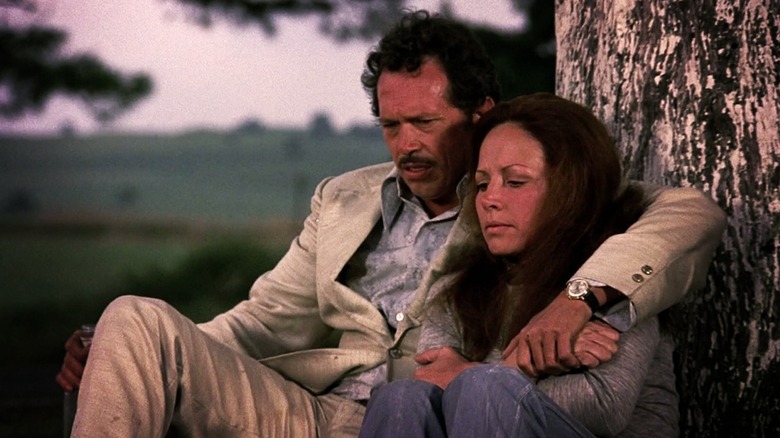
In 1978, the popular book "The Fifty Worst Films of All Time" arrived on shelves and, in addition to widely denounced disasterpieces, authors Harry Medved and Randy Dreyfuss decided to savage box office hits like "The Omen" and lesser-known Alfred Hitchcock movies. With that lofty company, it's not a shock to see "Bring Me the Head of Alfredo Garcia" from director Sam Peckinpah — director of violent thrillers and Westerns like "The Wild Bunch" and "Straw Dogs" — sitting alongside them.
Still, his 1974 box office bomb was shrugged off by most critics upon release. The New York Times referred to several of its violent set pieces as "gratuitous garbage," while Variety labelled the movie "turgid melodrama at its worst." Roger Ebert defended the movie in a four-star review, but it would be decades before more people got onto his wavelength.
"Bring Me The Head of Alfredo Garcia" is striking due to the ways it subverts expectations of the bounty hunting narrative. We learn early that Alfredo is dead, with Bennie's (Warren Oates) search fast becoming an existential odyssey. Time and distance has made it easier to view as allegorical for Peckinpah's own despairing political view of the post-Vietnam era.
It's no surprise to learn the director once claimed this was the only one of his movies released as he intended; beneath the macho melodrama, there's a nihilistic social commentary running through it all. This has helped it age well, and it boasts a Letterboxd average rating of 4.0, just 0.1 stars below "The Wild Bunch," making it his second highest-rated film.
Eraserhead (1977)
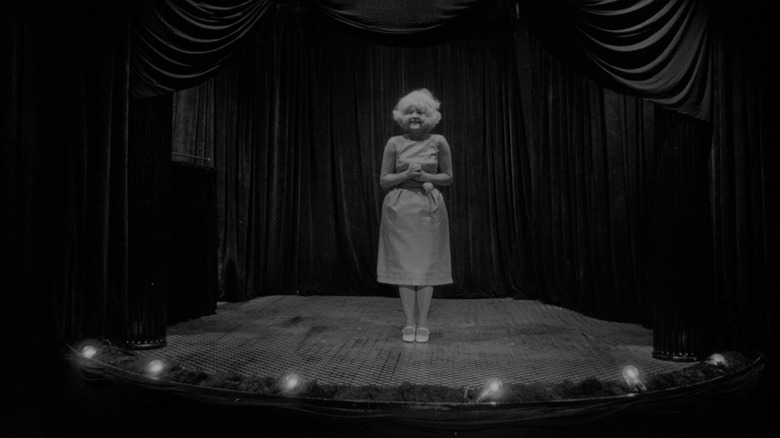
Before the Razzies, there was the Stinkers Bad Movie Awards. At their first ceremony in 1978, the "dishonorable mentions" in their worst picture category included David Lynch's first movie, which was gathering attention on the midnight movie circuit. Now considered one of the finest directorial debuts of all time, this unsettling portrayal of new fatherhood was initially written off as shock value surrealism; a very brief review that ran in Variety looked down on it as a "sickening bad taste exercise," and the New York Times would label it "murkily pretentious." The movie did have its early supporters in the industry, such as Mel Brooks, who would hire Lynch to direct "The Elephant Man," but it was otherwise likened by critics to the same lowbrow horror fare you'd find on the b-movie circuit.
Looking back on it nearly 50 years later, after Lynch would eventually find widespread acclaim with far more complex and extreme narratives, "Eraserhead" has aged beautifully as the most nakedly personal in his filmography. In trademark Lynchian fashion, he would never elaborate on what the ending of the film actually meant (or his other claim that this was his "most spiritual film"), but with the five-year production coinciding with his divorce to his first wife, this nightmarish subversion of domestic bliss can be readily interpreted as a husband and a father's worst anxieties manifested.