

Star Trek Is Huge, But Viewership Is Not: Here's How The Next Reboot Can Fix That
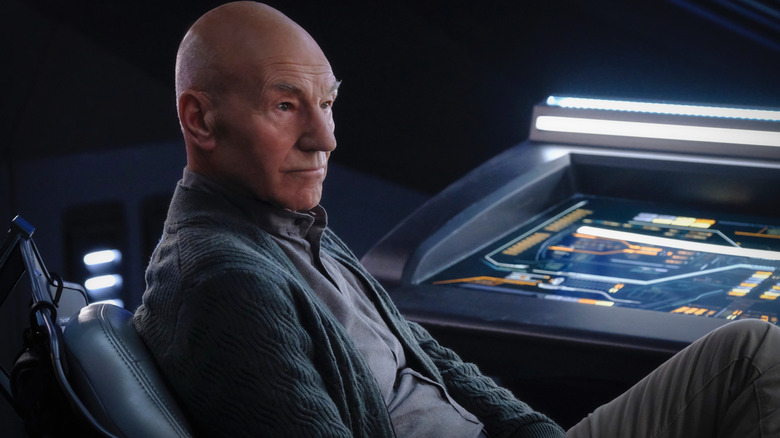
"Star Trek" remains immensely popular in pop culture ... as a concept. However, that popularity does not translate into viewership.
I could say "beam me up, Scotty!" or "the line must be drawn here!" in any public space and people immediately would think of Captain Kirk or Captain Picard. Endless memes rooted from the various "Star Trek" properties litter the internet, while all 14 "Star Trek" movies, from the worst to the best, have their share of fans. So why can't the new streaming "Star Trek" shows break out into the public consciousness?
One of the reasons why "Star Trek: Starfleet Academy" flopped was that it never reached immense viewership. It's not alone in that regard. It took the "Picard" show until its third season in 2023 to make it onto the Nielsen streaming viewership charts. "Star Trek: Strange New World," meanwhile, had an erratic presence on this chart throughout its third season. These factors reflect a weird reality for "Star Trek" — that this saga remains universally well-known, but not a ton of people are checking out its latest streaming programs. As of this writing, the future of "Star Trek" on the small screen looks uncertain.
Whatever comes next will undoubtedly kick off a new age of "Star Trek" TV programming. This is an ideal time to take some measures to fix those viewership woes, and the key is to accomplish two things: (1) bring "Star Trek" back to its identifiable roots that the general audience recognizes, but also (2) do something new and daring enough to get people talking. Such maneuvers can open up "Star Trek" to exciting new artistic opportunities, taking the saga into a fresh, creative golden age.
The next Star Trek reboot needs to be set in a brand new era
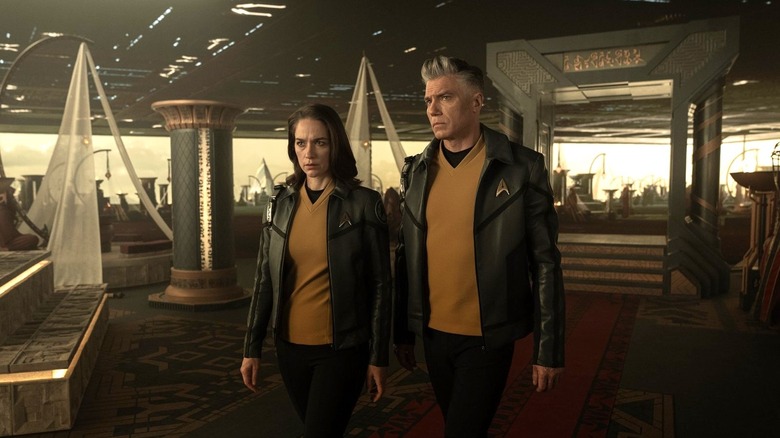
Every "Star Trek" era has its passionate defenders and detractors. This reality doesn't just reflect the passion of Trekkies, but also how many different time periods in "Star Trek" canon have been explored. Unfortunately, that denseness has made the saga a bit impenetrable to newbie viewers. "Starfleet Academy," for instance, is set in the 32nd century, but its inherent backdrops makes it a "sequel" to countless other "Star Trek" TV shows set earlier in the universe's timeline. "Star Trek: Strange New Worlds," meanwhile, though set a few years before the original "Star Trek" show, is still set after certain properties like "Star Trek: Enterprise." This makes "Star Trek" daunting to potential viewers. Why try to figure out a deep lore "Star Trek: Lower Decks" reference on a different show when you can watch a newer sci-fi show with fewer episodes like "Severance?"
The solution is easy, and it's to follow the path of arguably the most successful "Star Trek" series of all-time: do what "Star Trek: The Next Generation" did.
Whatever "Star Trek" program comes next needs to be set in a brand-new era completely untethered to other shows and characters. It needs to look and feel different, with new alien species, new types of uniforms, new worlds, and new storyline beats. This will minimize the "homework" people need to enjoy each week's story. With this maneuver, this new "Star Trek" production will offer up something different while also being way more accessible to general viewers. If more people are able to easily jump onto whatever "Star Trek" offers next, greater viewership is bound to follow.
A Star Trek reboot Must Not Be Afraid to Embrace the Unexpected
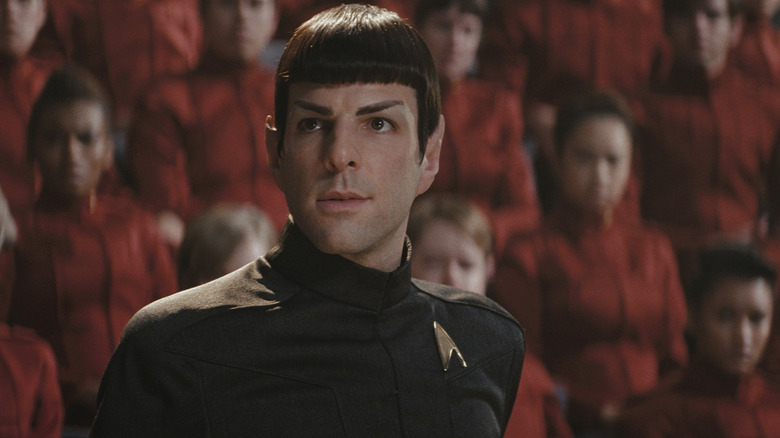
One recurring critique of "Star Trek: Starfleet Academy" was how it hesitated to boldly go somewhere new. That flaw has undoubtedly kept the streaming "Star Trek" shows from cultivating a widespread fanbase — they're all so immersed in preexisting characters like Pike, Spock, and Picard. But Picard was once a newbie "replacing" a famous captain. Look where he is now.
What has to come next should be rooted in both familiarity and newness, but also stand on its own. Yes, the baseline "premise" for a new "Star Trek" series must stick with the familiar and iconic setup — a hopeful future, diverse characters, and a central narrative concerning a starship captain commanding a crew to explore new planets — but on a storyline level, "Star Trek" desperately needs to start doing new things, taking unexpected detours and embracing philosophical plotlines that get people thinking in new ways. Even the most familiar fixtures should be balanced out with compelling material that challenges people's perception of what "Star Trek" looks like. Many of the 30 best "Star Trek: The Next Generation" episodes were built on this subversive balance. The Kelvin timeline "Star Trek" movies got flack for being too focused on action, but they also showed that the "Star Trek" brand name is absolutely a draw to audiences if they feel a property is new, exciting, and accessible.
What "Star Trek" needs is a prestige series that feels like a prestige series. It needs new characters. A new era. It needs to take the familiar setup and launch it in a bold, unexpected direction. Fully committing to unexpected material devoid of Tribble and Henry Mudd shout-outs could finally give modern "Star Trek" the towering viewership figures it's worthy of.