

'70s Box Office Bombs Everyone Needs To Watch At Least Once
The 1970s was perhaps the greatest decade for cinema ever, and the best '70s movies of all time are beloved to this day. Yet many films from that era that are considered classics today were huge flops when they were first released. Rejected by critics and audiences alike, some of these films carried the stink of failure with them for years before they were re-evaluated. Time, as they say, is the ultimate test of a film's worth, and many '70s movies that were written off at first have held up better than some of the biggest box office smashes of that same decade. Thanks to cable showings, home video releases, and streaming, these flops have finally flipped all the way around into hits.
Here are five '70s box office bombs everyone needs to watch at least once. These titles all came from major directors from who took big swings that didn't pay off at first, only to be considered home runs in the end. Spanning a variety of genres from comedy to noir to thriller, these films offer something for everyone. Considering how good their legacies are, you might be surprised to learn that these were deemed failures upon their release. It just goes to show that even the savviest moviegoers can get it wrong every once in a while, especially in a decade that was rife with so many great titles to choose from. But hey, it's never too late to catch up with something that's worth watching at least once (if not multiple times).
Harold and Maude
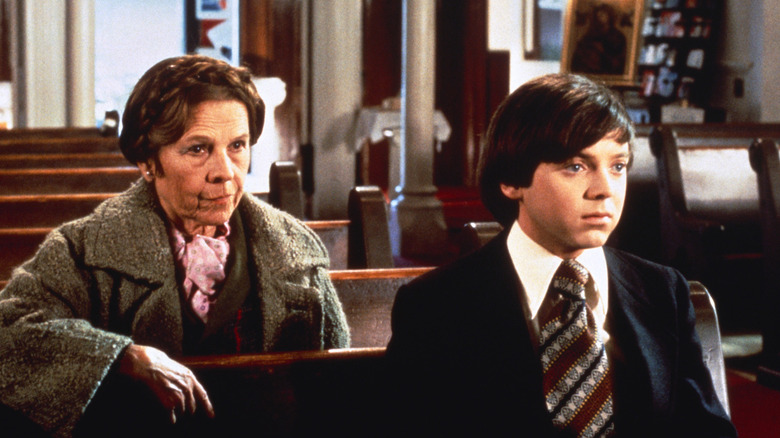
Death-obsessed 20-year-old Harold (Bud Cort) spends his days attending funerals, driving a hearse, and staging elaborate suicide attempts. His socialite mother (Vivian Pickles) tries to set him up with girls his own age, but he scares them off with his eccentric behavior. While attending one of his daily funerals, Harold meets Maude (Ruth Gordon), a bohemian octogenarian who believes in trying something new every day. Harold falls in love with Maude, whose edict that you should live life to its fullest changes his perspective on death.
When "Harold and Maude" was released in 1971, Variety said it had "all the fun and gaiety of a burning orphanage." That pretty much summed up the films critical response, which was called "creepy and off-putting" (The New York Times) for daring to portray an intergenerational love story based around a mutual appreciation for life and death. The movie bombed so thoroughly that it took 12 years for it to finally turn a profit for director Hal Ashby and star Ruth Gordon. Yet by the end of the 20th century, the film Variety likened to a burning orphanage was ranked 45th on the AFI's list of the 100 Funniest American Movies of All Time. It's impossible not to fall in love with "Harold and Maude," which features a catchy soundtrack of Cat Stevens songs. Although it's as pitch black as comedies come, it's made with a great deal of sincerity, and affirms the beauty of life for how brief it is.
The Long Goodbye
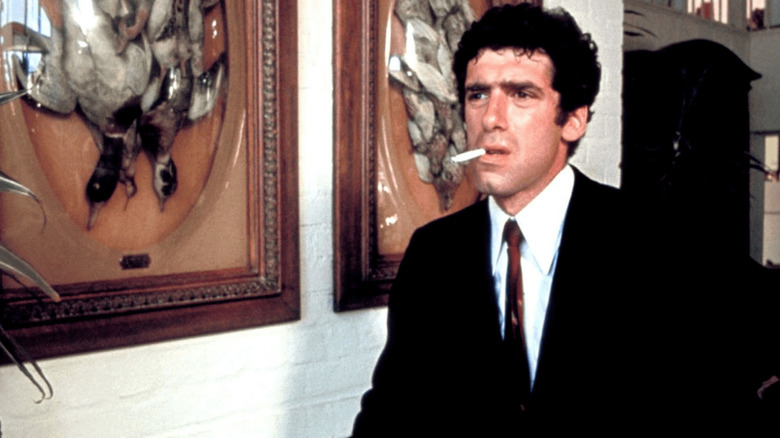
Upon returning from a late night trip to the grocery store to pick up some cat food, private detective Philip Marlowe (Elliott Gould) finds his friend, Terry Lennox (Jim Bouton), waiting in his apartment. Terry needs to get to Mexico, so Marlowe gives him a ride, little realizing he's helping his friend flee the country after his wife is found dead. The police detain keep Marlowe in custody until Terry commits suicide, leaving behind a signed confession. Feeling something is amiss, Marlowe tries to get to the bottom of what happened. It might have something to do with Eileen Wade (Nina van Pallandt), a beautiful blonde who's hired Marlowe to find her missing husband (Sterling Hayden), a once-great novelist turned bitter from alcoholism.
Although it's now considered one of the best detective movies of all time, "The Long Goodbye" wasn't exactly a hit when it was released in 1973. In fact, Robert Altman's countercultural take on Raymond Chandler's classic noir novel was a commercial flop, leading United Artists to temporarily pull it from theaters and re-release it with a fresh advertising campaign that emphasized the film's laid-back tone. Reframing Chandler's hard-boiled detective as a lazy pothead was in keeping with the way director Robert Altman subverted genre throughout his career, yet he also stays true to the authors emphasis on vibes over a coherent plot. A true cult classic, "The Long Goodbye" paved the way for similarly LA-based, stoner detective comedies like "The Big Lebowski" (1998) and "Inherent Vice" (2014).
Night Moves
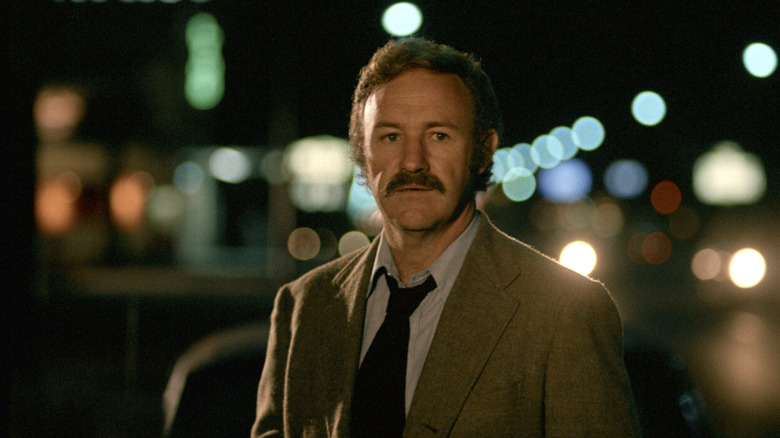
Ex-football player turned Los Angeles private eye Harold Moseby (Gene Hackman in one of his best movie roles) needs to find a distraction after he discovers his wife (Susan Clarke) is having an affair. He gets his wish when B-movie star Arlene Iverson (Janet Ward) hires him to find her daughter, Delly (Melanie Griffith), who's run away to the Florida Keys. Harry finds Delly living with her stepfather Tom (John Crawford) and his girlfriend Paula (Jennifer Warren), who he quickly falls into bed with. The more entangled Harry becomes with this bizarre family dynamic, the more complex and sinister the case he's been hired to solve becomes.
Released in 1975, "Night Moves" is one of those underrated '70s movies you need to watch right away. Directed by Arthur Penn, who helped kickstart the New Hollywood with "Bonnie and Clyde" (1967), it subverts film noir tropes by plopping a typically hard-boiled gumshoe into a mystery that's beyond his comprehension. Channeling the anxiety and uncertainty of the post-Watergate era, the film revels in is elliptical nature; the ending offers more questions than answers. In a sign of the rapidly changing times, "Night Moves" had its lunch eaten at the box office by "Jaws," which opened just a week later and shifted the focus away from small-scale character studies towards high-concept blockbusters. Yet at a time when trust in our institutions is at an all-time low, the film has only grown more relevant, as we each find ourselves desperately trying to solve unsolvable problems.
Mikey and Nicky
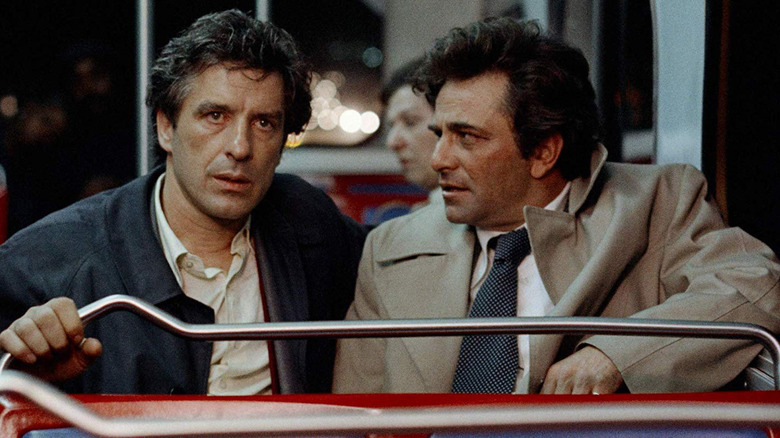
Small-time gangster Nicky Godolin (John Cassavetes) is on the lam when he learns his boss (Sanford Meisner) has put a hit out on him for stealing his money. Hiding out in a squalid hotel room, he reaches out to his best friend, Mikey Mittner (Peter Falk), who agrees to help him get out of Philadelphia. Unbeknownst to Nicky, Mikey is communicating with the hitman (Ned Beatty) who's been hired to kill him. As they spend the night going around town, Mikey and Nicky hash out the old wounds that have been festering since childhood, culminating in a devastating finale when the sun rises.
With "Mikey and Nicky," Elaine May made the best John Cassavetes movie that wasn't directed by Cassavetes, as it adopts the same improvisational, cinema vérité style of the independently-financed dramas he produced with his wife (Gena Rowlands) and friends (including Peter Falk). Yet unlike Cassavetes, May was working with money from Paramount Pictures, shooting hours of footage and dragging out post production for years, leading to lengthy legal battles with the studio. Shot in 1973, "Mikey and Nicky" didn't hit theaters until 1976, and its unceremonious dumping kept May out of the director's chair for 11 years. She returned with "Ishtar," one of those notorious box office bombs that are actually worth watching yet ended her directorial career for good. Yet "Mikey and Nicky's" legacy has only grown with time, and its influence can be felt on films by Ari Aster and the Safdie Brothers.
Sorcerer
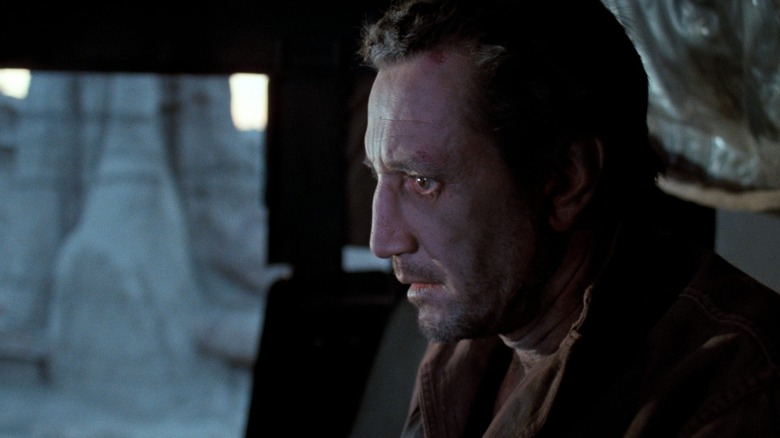
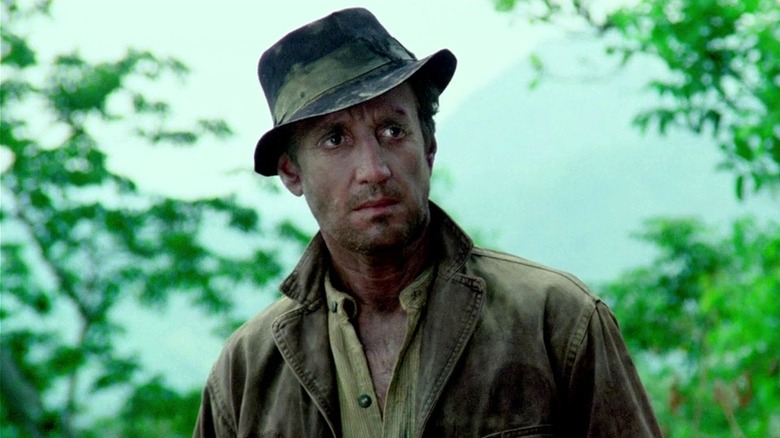
In a remote village in Latin America, four fugitives from different parts of the world — American gangster Jackie Scanlan (Roy Scheider), Parisian investment banker Victor Manzon (Bruno Cremer), Mexican contract killer Nilo (Francisco Rabal), and Arab militant Kassem (Amidou) — are all hiding out while plotting their escapes. Desperate for cash, they agree to what is essentially a suicide mission: transport highly explosive nitroglycerin to an oil well across the unstable jungle terrain. Driving a pair of trucks through rocky roads and swinging rope bridges, the four try to complete their dangerous assignment before blowing up.
With "The French Connection" (1971) and "The Exorcist" (1973) under his belt, William Friedkin was given a blank check for his next movie: "Sorcerer" (1977). An American remake of the 1953 French classic "The Wages of Fear," it's a dark, unrelenting film about a cruel, merciless world. While movies with similarly bleak outlooks often found success in the 1970s, audiences weren't in the mood for it in the same summer that "Star Wars" was released. "Sorcerer" was a financial flop, one that hastened the demise of the New Hollywood along with similarly big budget flops from major directors like "Heaven's Gate" (1980) and "One from the Heart" (1982). Yet time has been the ultimate arbiter of taste, and people like Quentin Tarantino have called "Sorcerer" one of the greatest movies ever made. An Oscar-nominee for best sound, it's an experiential masterpiece that will leave a knot in the pit of your stomach.