

10 Hit '80s Sitcoms Nobody Talks About Anymore
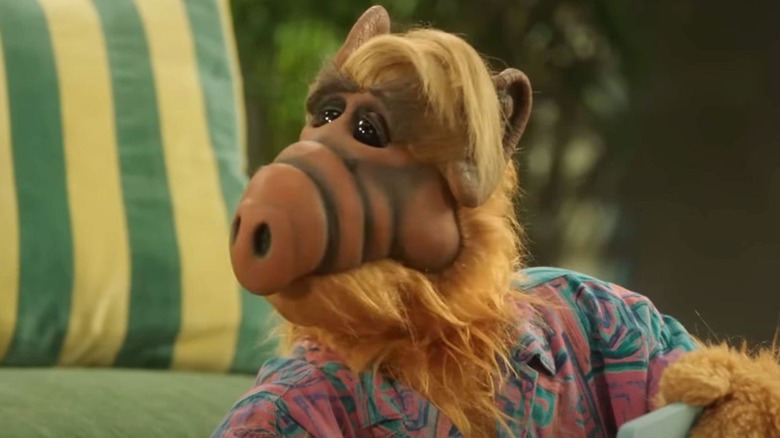
Many people remember it for its synth-heavy music and colorful fashion, but the 1980s also had some fantastic sitcoms. Looper's ranking of the 10 best '80s sitcoms serves as a reminder of just how many popular and influential shows dropped across this decade. However, this doesn't mean every sitcom that was pulling in lots of viewers back then has become an all-time great. On the contrary — several '80s sitcoms that were once dominating the Nielsen ratings have now become obscure relics, practically forgotten about in the 2020s.
What happened to these sitcoms to relegate them to obscurity? The circumstances vary from one show to the next. Some were hindered by syndication-based troubles. Others had premises that just weren't accessible once the 1980s finished. A few were marred by controversies that cast bleak shadows over what should have been frivolous, escapist entertainment. Looking back on these transformations illustrates how wildly unpredictable the small-screen world can be. For one reason or another, these once-popular '80s sitcoms are now footnotes in pop culture history.
Kate & Allie
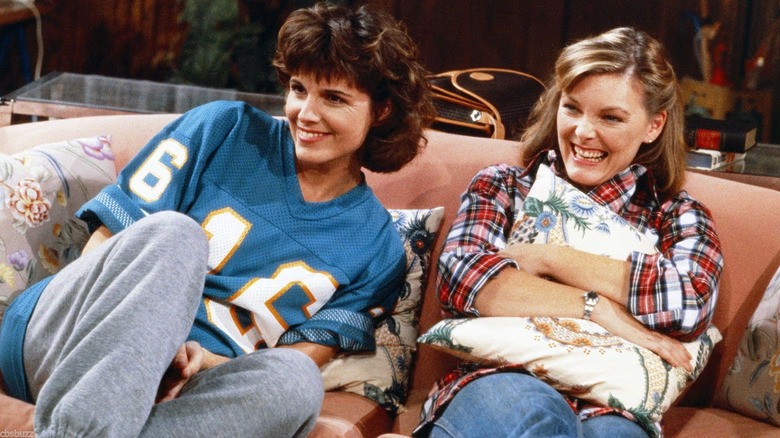
Divorce isn't exactly something people think of as immediately "funny." However, that tragic event was the impetus behind "Kate & Allie," which followed a pair of divorced moms, Kate (Susan Saint James) and Allie (Jane Curtin), raising their kids together in Greenwich Village. The two ladies have drastically opposing personalities (this is a sitcom, after all), but week in and week out, they manage to make their unique living situation work.
Running for six seasons and 122 episodes, "Kate & Allie" was a major viewership hit. It ranked as the 14th most-watched show of the 1985-1986 season and averaged a whopping 17.2 million viewers. Audiences just loved these mismatched parents working together to navigate life's messes. Unfortunately, the show's final season was a divisive one, thanks to the program's entire starting concept being thrown out once Allie was married.
An underwhelming finale can mar a program's entire long-term reputation — just ask "How I Met Your Mother." This alone makes it unsurprising that "Kate & Allie" hasn't endured as a beloved cultural institution. A proposed 2021 reboot on NBC that never went anywhere further reinforced how little momentum or energy this brand has today. The lack of major retrospective reappraisals has also kept this '80s sitcom from finding a new, modern audience.
227
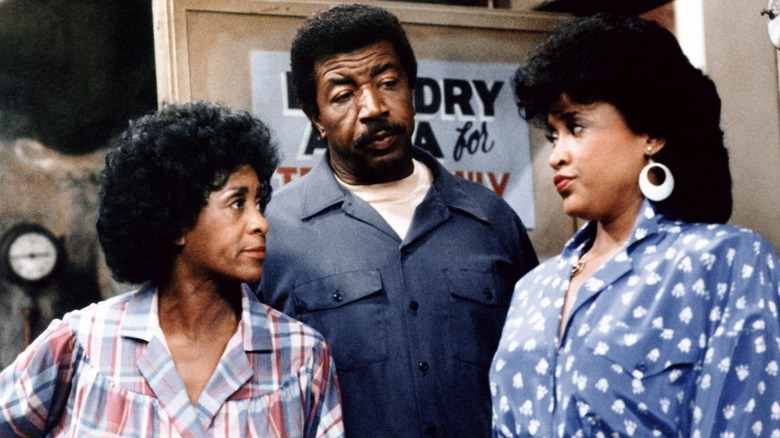
Nowadays, Regina King is known her for Oscar-winning turn in "If Beale Street Could Talk" as well as critically acclaimed films such as "The Harder They Fall" and "Shirley." She also anchored the hit HBO show "Watchmen" and directed the 2020 motion picture "One Night in Miami...," for which she was nominated in the best director category at the Golden Globes. Her impressively eclectic talents in front of and behind the camera were all preceded by her very first acting gig: playing the series regular role of Brenda Jenkins in all five seasons of "227."
"227," which is set in an apartment complex in Washington D.C., was the 14th most popular show on television in the 1986-1987 season. Its focus on ordinary city life, not to mention its array of distinctive performances, kept viewers coming back for more. Unfortunately, its dialogue-driven approach makes it a bit alien to modern sitcom fans — it's less gags, more chat. Plus, many cast members are connected to more high-profile projects that outshine "227" in terms of relevancy. At least the existence of "227" is credited for helping create a path for future quality family sitcoms. Its main legacy will always be that it put Regina King on the path to becoming the legend she is today.
Amen
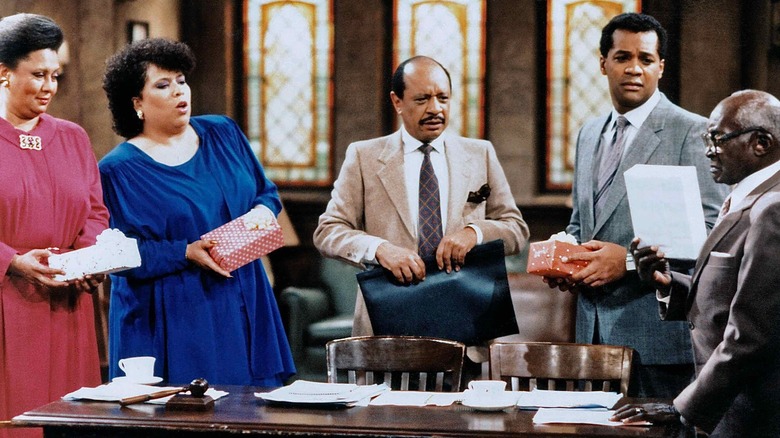
Starting in September 1986, NBC viewers could tune in each week and watch Ernest Frye (Sherman Hemsley) live a fascinating double life so bizarre that it would make Matt Murdock do a double-take. In "Amen," Frye is the deacon of Philadelphia's First Community Church — and also a personal injury lawyer who is always stretching the truth. In other words, Frye's jobs compel him to both lie and bring people closer to God. That's just the kind of juxtaposition that makes for a great sitcom.
"Amen" was a godsend for NBC in terms of viewership. It was the most-watched freshman show of the 1986-1987 broadcast season and it would subsequently go on to run for five seasons and 110 episodes. Today, though, references to the program are pretty much nonexistent. Part of that may be the show's more muted reception artistically. Even when it was on the air, "Amen" failed to ever get any Emmy attention. Perhaps this was a signal that "Amen" didn't have the goods to stick in the memories of viewers long-term.
Another factor in this show being pretty much forgotten is that it also failed to get high-profile syndication airings (it was broadcast on the obscure network Encore in the 2010s, for instance). This no doubt contributed to its struggles securing a post-cancellation fanbase. Not even the Lord's miracles could make "Amen" a permanent pop culture obsession, despite its strong start in the 1980s.
Head of the Class
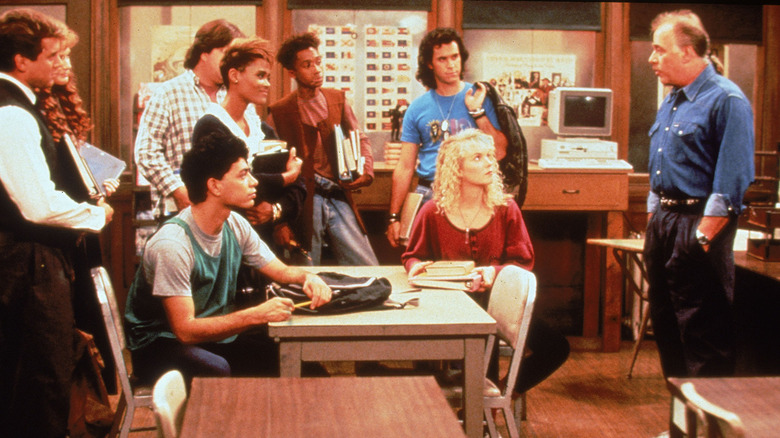
Shows set in high schools aren't guaranteed to become hits, but when they do take off, they're often unstoppable. An '80s example of this trend was "Head of the Class," which follows history teacher Charlie Moore (Howard Hesseman) teaching exceptionally talented students at a Manhattan high school. His pupils all come from different backgrounds, which allowed "Head of the Class" to cover a lot of hot-button issues during its run. This includes a famous episode where the characters traveled to Moscow to pit themselves against some Russian students, a story that was shot on location rather than on a soundstage in front of a live studio audience.
During its run, and especially in its earliest seasons, "Head of the Class" was always getting recognized for its strong viewership. By the beginning of October 1987, it was a top 10 show in the Nielsen ratings. Today, though, you'd be hard-pressed to find online quizzes determining which of Moore's pupils you're most like. One problem the show faced in syndication was that its main cast began changing, seemingly to account for actors aging out of looking like teenagers. Charlie Moore even left after Season 4, with Billy Connolly taking over as the teacher. All these changes made it tough to jump into the show during random reruns. And, while the fact that the show covered then-current events was great at the time, it also dates it to the time period, making it rather inaccessible today.
Growing Pains
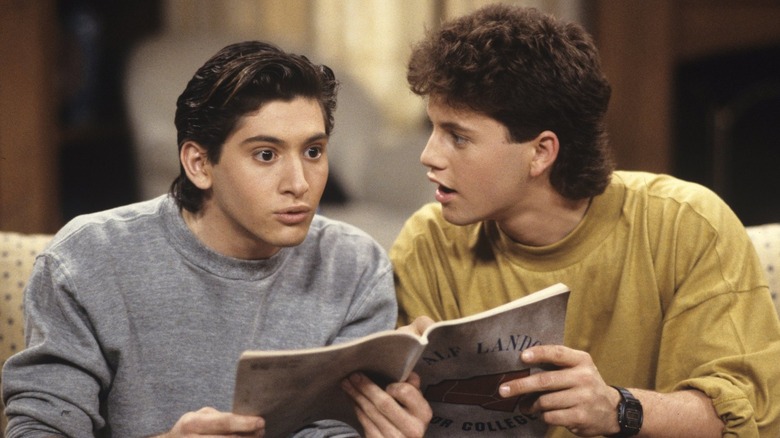
The best Leonardo DiCaprio films are known the world over, but what people often forget is that he cut his teeth as a series regular on the sitcom "Growing Pains." Before Jack Dawson and Jordan Belfort, DiCaprio played unhoused teenager Luke Brower in the final season of the sitcom, which ran from 1985 to 1992. "Growing Pains" didn't exactly have the most novel or unique premise among '80s sitcoms, but it didn't have any trouble dominating the airwaves.
In the 1987-1988 season, for instance, "Growing Pains" was the fifth most-watched show (and ABC's most-viewed program of that year) in a deeply competitive time for sitcoms — "Golden Girls" and "The Cosby Show" were still on the airwaves. Today, though, there's not really a "Growing Pains" fandom. Part of the problem is how many dark and tragic stories are connected to the "Growing Pains" name.
Horrific circumstances like the body shaming that Tracey Gold (who played the brainy Carol Seaver) suffered during filming have cast a bleak shadow over "Growing Pains." The show's later seasons only making it to manufactured-on-demand DVDs have also limited its modern-day accessibility. "Growing Pains" is really only ever referenced today to illustrate how far Leonardo DiCaprio has come in his career.
Alice
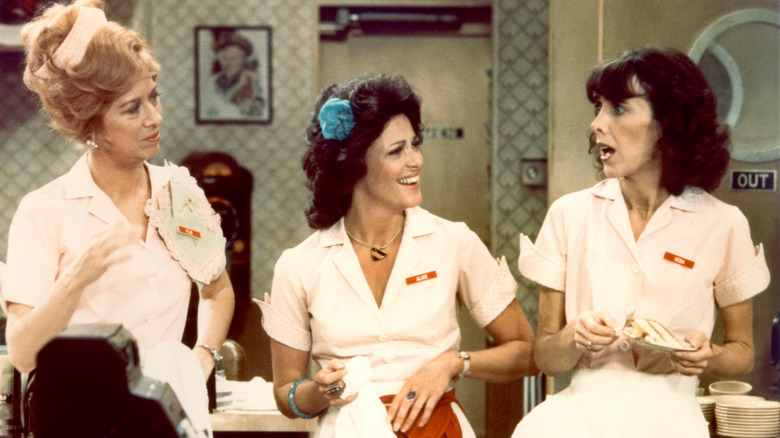
It's impossible to imagine a Martin Scorsese movie inspiring a broadcast network sitcom, but that's exactly what happened back in the 1980s. Scorsese's excellent 1974 film "Alice Doesn't Live Here Anymore" was the basis for "Alice," which came to CBS in 1976 and aired five of its nine seasons during the decade of the Rubik's Cube. Linda Lavin took over the role of Alice Hyatt for this project, while Polly Holliday portrayed Flo for the first four seasons. Vic Tayback returned from the original film to once more play Mel Sharples.
"Alice" lasted for a whopping 202 episodes, but good luck finding anyone who's chomping at the bit to talk about it today. That's a problem stemming from many different issues, but the primary hurdle is that the show isn't available for free streaming on any major platforms. Die-hard fans can purchase the episodes, but to get all of them you're looking at almost $170 — it's doubtful anyone in the 2020s is eager enough to shell out that much cash for an '80s sitcom.
With other sitcoms from the decade more accessible, "Alice" has become a cultural relic reflecting how certain '70s properties endured into the following decade. Not helping its reputation is that it's connected to a way more beloved Martin Scorsese movie. Fun fact: Scorsese has a brief cameo appearance as a diner patron in the original film.
Empty Nest
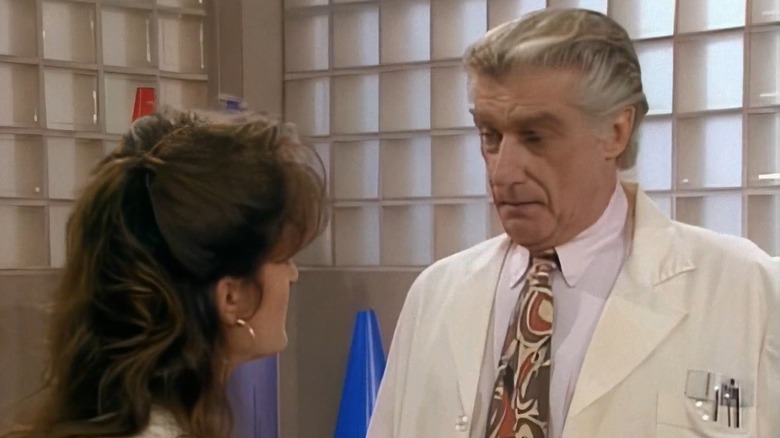
"Empty Nest" executive producer Gary Jacobs once admitted that a lot of people who watched the show didn't even know its name — they simply knew it as "the show that's on Saturday nights after 'The Golden Girls.'" He was speaking to the Los Angeles Times back in 1990, two years after "Empty Nest" (a spin-off of "The Golden Girls") premiered to solid numbers and established itself as one of the most popular sitcoms on the air. Jacobs added: "Sometimes I feel like, if we're a hit show, we're the best-kept secret for a hit show that I've ever encountered."
When "Empty Nest" finished airing after seven seasons, it seemed to vanish from people's minds. Part of the issue was that lead-in: "The Golden Girls" boosted the spin-off's ratings and very much overshadowed it at the time. If people can't even remember the name of your show when it's airing, what chance does it have of surviving in the pop culture consciousness in the long term? To boot, the cast didn't go on to headline new pop culture properties. If they were always on people's TV sets, that no doubt would have helped, but they quietly faded from the spotlight and so did "Empty Nest."
Too Close for Comfort
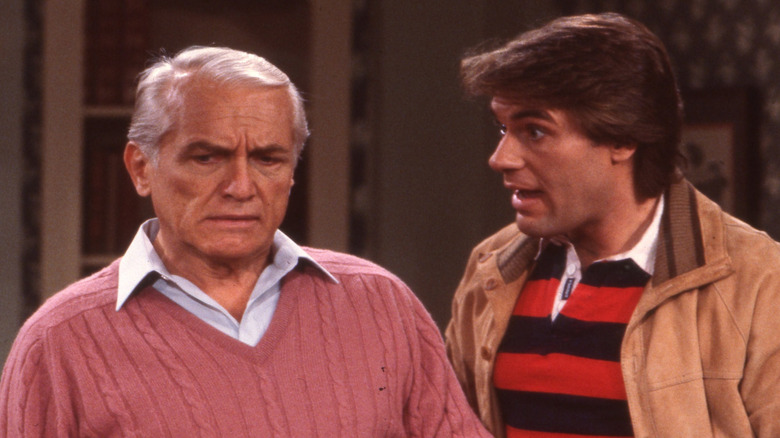
As various '80s movie hits that haven't aged well can attest, some cultural staples of this decade are borderline incoherent to modern audiences. An interesting example of this is the sitcom "Too Close for Comfort." This program starred Ted Knight as Henry Rush, who worked as a cartoonist on "Cosmic Cow," a newspaper comic strip. While these still exist today, they're a lot more rare and don't hold anywhere near as much cultural clout as they did back in the day.
That fact that it focuses on a newspaper cartoonist alone makes "Too Close for Comfort" an odd relic in the 2020s. However, there are more factors that have led to "Too Close to Comfort" dwelling in obscurity in the modern era. Despite being the seventh most-watched show of the 1981-1982 TV season with an estimated audience of 18.4 million, half of the program's six-season run would transpire in the realm of syndication. That alone led to it being erased from many people's minds, despite the show still producing 66 additional episodes after being jettisoned from ABC.
There's also the unfortunate reality that its modern-day reruns have been relegated to obscure daytime TV slots rather than being front-and-center on major streaming platforms. All of these elements have combined to make "Too Close for Comfort," despite its immense amount of episodes, largely forgotten. Some fixtures of the '80s just weren't meant to last forever, and this is one of them.
Valerie (aka The Hogan Family)
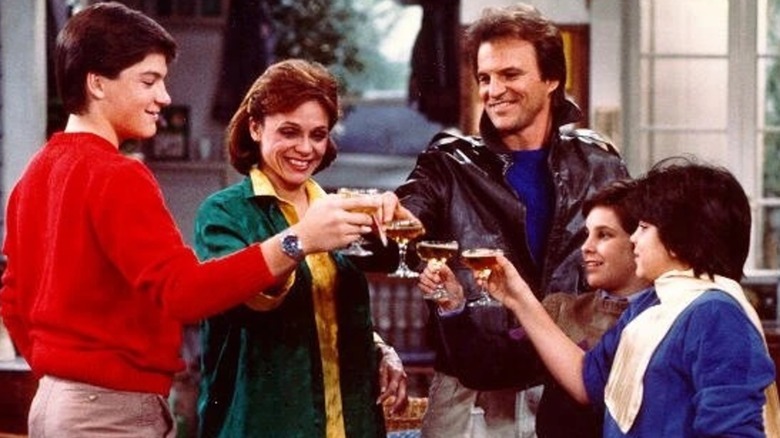
Many of the most iconic sitcoms have very simple and memorable names, like "Seinfeld" and "Friends." The show that started life as "Valerie" already faced challenges in amassing a long-term following because it changed titles so much during its six-season run. It went from "Valerie" to "Valerie's Family: The Hogans" and would finally take on the moniker "The Hogan Family." Then there was all the chaos stemming from actor Valerie Harper (the original lead) getting her character killed off at the end of the second season following a dispute over wages and creative control that led to a court battle.
It's still up for debate whether or not "Valerie" belongs on the list of TV shows that were ruined by character deaths. What is quite likely, though, is that this show's chances of hitting it big in syndication were upended by the constant changes. How could audiences just hop into a random episode while channel surfing if the cast or title weren't consistent from one season to the next? That's just one reason for the lowly modern-day stature of a project that was still cranking out solid viewership figures into 1990. The fact that the show featured a young Jason Bateman isn't enough to keep it in the pop culture conversation.
Alf
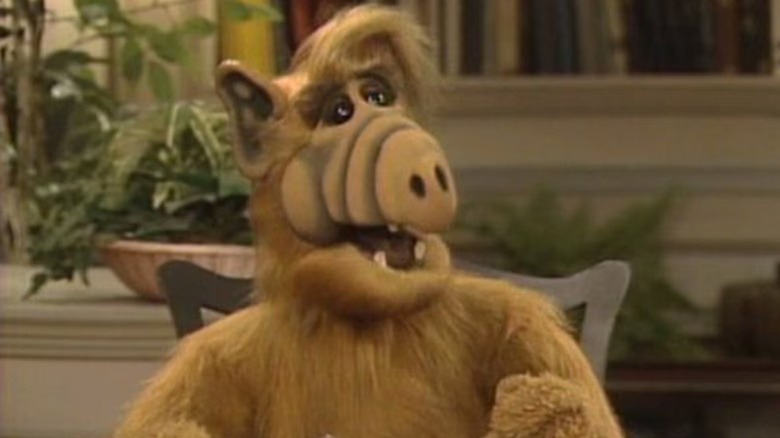
There is something weirdly charming about "ALF," a hit 1980s sitcom in which the titular furry alien (voiced and performed by puppeteer Paul Fusco) disrupts the middle class Tanner family in suburban California. Most of the plots and gags are pretty hackneyed, but there are also some idiosyncratic jokes stemming from creative puppetry and the juxtaposition of humans with an otherworldly co-star — ALF stands for Alien Life Form. General audiences at the time tended to agree, since the show was a viewership hit on NBC from its earliest seasons. Today, however, this wacky sitcom has been largely forgotten by the wider populace.
There have been attempts to reinsert ALF into the pop culture conversation, but they've all failed, none as spectacularly as 2004's "ALF's Hit Talk Show," which aired on TV Land for just seven episodes. The fact is there are a lot of more memorable puppet characters out there (just pick any Muppet) and the same can be said of alien characters. A proposed "ALF" reboot in 2018 failing to gain traction, despite so many other '80s shows getting modern continuations in the late 2010s, just exemplified how little pull this show has in today's world. Unless "ALF" superfan Ryan Reynolds were to commit to a reboot, this is another '80s sitcom that is destined to continue being ignored.