

5 Sci-Fi TV Shows With Endings That Still Divide Fans Today
If the finale of "Stranger Things" proved anything, it's that it's becoming near impossible in the social media age for a hit sci-fi series to land clean when millions of fans have become invested in dissecting every last Easter egg along the way. That was an extreme case — few endings have been divisive enough to have fans convinced it wasn't the real finale, and that the amount of plot holes in "Stranger Things" convinced many a "proper" ending was surely incoming — but it still hasn't caused the endless debates and attempts at critical re-evaluations that the following five shows have.
For this list, we've avoided finales to series which were already trending negative in the eyes of fans (was the ending really the worst thing about "Heroes"?), and those which were continued in later reboots, such as "The X Files." A couple of entries here did have loose continuations, but nothing successfully answered the many lingering questions they left viewers with, so we're counting those as postscripts to a more definitive ending.
This list is unranked, with the series we've chosen listed in alphabetical order below. There are plenty more divisive endings that would be worthy of inclusion, but these are the ones which we feel are the most admirably bold swings, and the ones that have spawned the most interesting debates over the years. Even if you don't resonate with them, you can at least appreciate someone defending what the creators were trying to pull off.
ALF
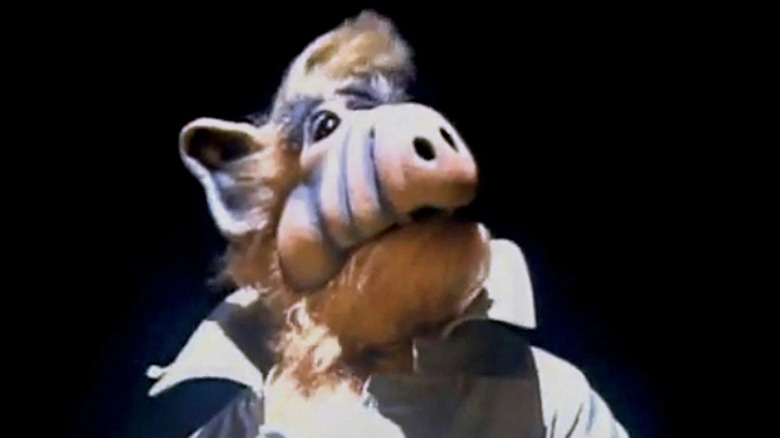
Many divisive endings weren't intended as conclusive series finales, and the downbeat ending to the beloved late 1980s NBC sitcom "ALF" was filmed as a cliffhanger, teasing the plot of what would be the fifth and final season. It originally aired with a "to be continued" postscript, just to seal the deal. Due to declining ratings, however, the network cancelled the family comedy, and the sassy alien from the planet Melmac was cornered by the Alien Task Force, who he'd been hiding from over the past four seasons.
The episode began with the promise of leaving the Tanner family after hearing a radio signal from his Melmacian comrades and ended with their spaceship deserting him just as he was about to get picked up. The last thing the audience sees is ALF stood in its dimming light, as suited agents close in on him.
Due to the episode featuring a tearful farewell between the alien and the Tanner family, it's easy to see why this would be confused for the series' send-off, but the cancellation turned it into a reality. Later that year, "The Fresh Prince of Bel Air" would take over its primetime NBC slot, and it would be six more years until fans had any resolution in the form of the TV movie "Project: ALF." However, without the Tanner family — they'd moved to Iceland, apparently — and a bonkers plot about the alien hero avoiding an assassination attempt, it still struggled to satisfy fans who'd waited years for closure, much less a proper finale.
Battlestar Galactica
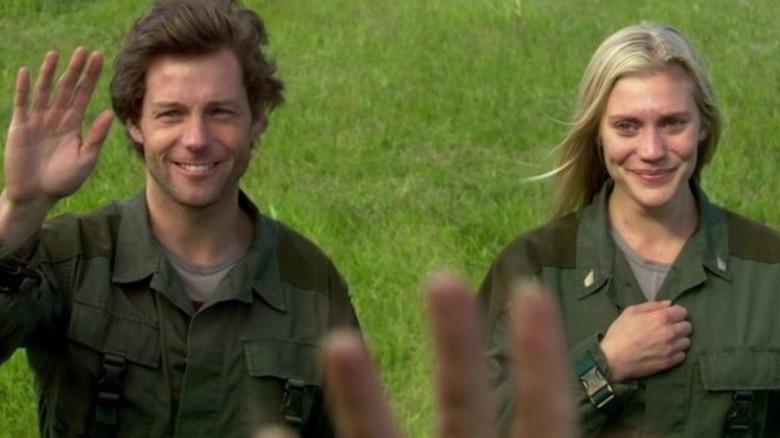
The three-part finale to "Battlestar Galactica" is arguably the boldest creative swing on this list, with the "Daybreak" saga pivoting from a tense mission to rescue Hera Agathon (Iliana Gomez-Martinez) from the Cylons to something more apocalyptic and supernatural. While the majority of the running time in this last stretch was devoted to that mission, and the stakes for the future of humanity, it had been complicated by the looming presence of Kara "Starbuck" Thrace (Katee Sackhoff), whose death-and-return had been left unexplained. It all built up to a tense showdown, culminating in nuclear weapons accidentally launched towards the Cylons' Colony, and it's here where Starbuck was told that she could command the ship anywhere to avoid following their adversaries into a black hole.
She punches the melody of Bob Dylan's "All Along the Watchtower" into the form of coordinates — an odd callback to a moment earlier in the series – and the Battlestar crashes on Earth, 150,000 years ago. The survivors decide to abandon all tech and live with the primitive humans to guide mankind's future (although Starbuck just disappears), and an epilogue reveals that mankind has both human and Cylon DNA thanks to this shifting of history.
It's an intriguing ending, but one that fans felt betrayed the hard military sci-fi of the series, with the idea of a higher power guiding them to their new home seeming a little too fantastical. Creator Ronald D. Moore argued that this was the ending he always had in mind, and that the idea of angels and demons had long been apparent in the show, but to many fans, it was a betrayal of the more grounded ideas before then.
Lost
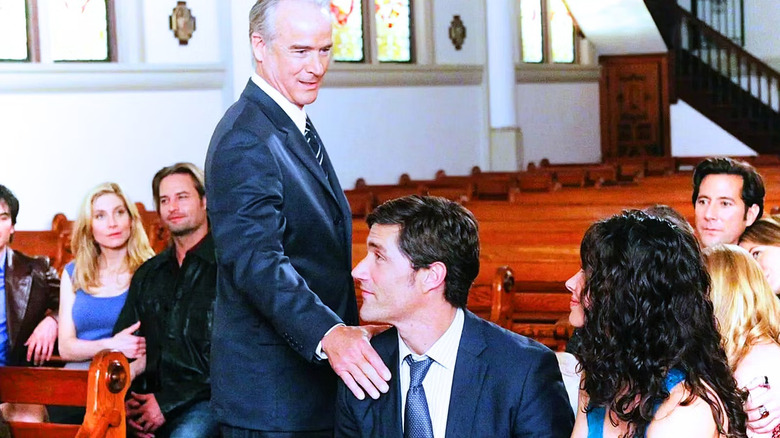
"Lost" already had its fair share of divisive episodes prior to the sixth season, but the introduction of what show runner Damon Lindelof called "flash-sideways" — glimpses into an alternate timeline where the characters never boarded Oceanic Flight 815 — set the table for the most controversial aspects of the epic 100-minute finale. After endless debates of whether the characters were dead the entire time, "The End" conclusively revealed that everything which happened on the island was real just as Jack (Matthew Fox) died and made his way to an afterlife, which was revealed to be the location of those flashes sideways. The episode was otherwise focused on resolving turbulent relationships between characters — culminating in a tearful reunion between Jack and his father — than on many of the island's mysteries.
For a series whose obsessive fandom picked apart every mystery thrown its way, the emotional closure wasn't enough to make up for the inconclusive narrative results. A post-credits scene added after an ABC network note, showing a montage of the empty plane wreckage, also wound up reigniting the theory the characters were dead the whole time, something the episode itself had set out to resolve. It was only included so more time could elapse after the emotional ending before commercials began airing again but wound up as another point of contention.
Of the series finales on this list, "Lost" is the one that has most often been re-evaluated as a misunderstood masterpiece, but it's still easy to see why fans accustomed to a lore heavy series would be perplexed by a more grounded character study.
Mr. Robot
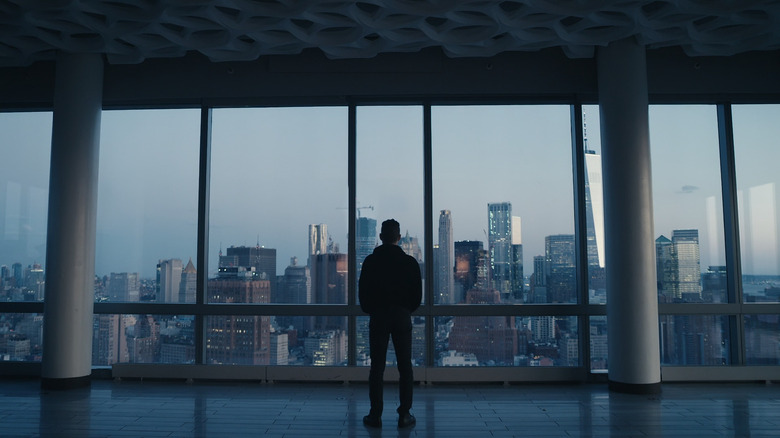
With a rare, near-perfect 9.8/10 rating on IMDb, "whoami/Hello, Elliot" is the only series finale on this list which appears to have been embraced near unanimously by its fandom. But looking back to December 2019 when the two-parter originally aired on the USA Network, it appears that "Mr. Robot" has speed-run its way into receiving the praise the "Lost" finale now enjoys.
As fans on the show's subreddit have argued, with creator Sam Esmail initially writing the series as a movie script, the rug-pull ending was teased from the very beginning. It's made all the richer with rewatches. In the moment, however, there was confusion about plot threads not being wrapped up, with the last two episodes moving entirely away from the cyberpunk hacker thriller narrative.
At the last hurdle, it's revealed that the character of Elliot we've been following for four seasons — portrayed by Rami Malek — is one of the dissociative personalities of the real Elliot, who hasn't been in control this entire time. Stripped of the genre trappings, the finale became a more earnest look at the character's struggle with dissociative identity disorder and lingering trauma, while not using either as plot points. Corporate espionage was suddenly irrelevant to this more intimate character study, following the "Lost" playbook of leaving several questions on the table to focus on emotional closure instead. Its reputation has mostly rebounded, but it was a confounding way to close out a show so dense in lore.
Quantum Leap
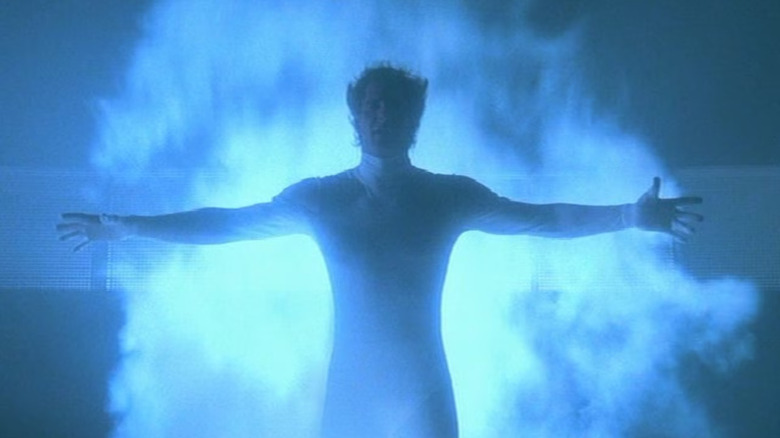
It wasn't just ALF that NBC ruined the ending of, as a few years later, another sci-fi series would see its bold season finale cliffhanger become the last thing viewers ever experienced. "Quantum Leap" was a beloved dose of weekly sci-fi nostalgia, as Dr. Sam Beckett (Scott Bakula) leapt through time into the bodies of others, with an aim of "putting right what once was wrong." The ongoing narrative was framed as Sam helping others because he was unable to return to the modern timeline he disappeared from, but "Mirror Image" revealed that he had been leaping by choice the entire time. That bittersweet bombshell revelation would make the last thing audiences saw as devastating as it was jarring.
The premise of the episode sees Sam jump back into an earlier incarnation of his own body for the first time, attempting to stop the wife of best friend Al (Dean Stockwell) from cheating on him. It would have been a poignant way to end the series if executed with the intention of making this a finale, but that was never the plan, and several ongoing plot threads were left unresolved. Infamously, as the show was cancelled after production wrapped, the creators had no choice but to hastily add a closing title card to close the episode, in place of an already shot final scene that would bridge the gap to the next season.
Unfortunately, they even messed that up, as it read "Dr. Sam Becket never returned home," misspelling the name of a protagonist who'd been around for five seasons. The seeds of a strong finale that turned the premise on its head are apparent in "Mirror Image," and many of its defenders argue that's why it works in spite of its abruptness.