

5 Worst Sequels To Best Picture Oscar-Winning Movies
Movies that win the best picture Oscar are known for many things. Some are famous for launching certain movie stars into the stratosphere. Others are iconic for unforgettable acceptance speeches. Still others started broader cinematic trends that are still reverberating throughout American culture. However, one thing these titles aren't exactly known for is spawning franchises. Typically, the motion pictures the Academy rewards best picture to aren't cinematic universe material. Instead, it's endeavors like "Moonlight" or "Parasite" that don't remotely lend themselves to sequels.
However, that doesn't mean there haven't been attempts to squeeze a few extra dollars out of titles associated with Oscar gold. After all, Hollywood makes sequels out of everything, why should best picture winners be an exception? Thus, throughout history, sporadic attempts have been made to prolong sagas that resonated with Oscar voters. The results have varied wildly. Some of these sequels have turned out mighty fine, but others are now historical obscurities only known by film geeks. Five of the worst sequels to best picture-winning movies vividly display what happens when these projects go awry.
Even without glorious predecessors to compare them to, these sequels would still struggle immensely. They're deeply flawed productions whose problems go way deeper than not matching up to the legacy of best picture winners. These award season victories could not reliably spawn artistically consistent franchises.
The Road Back
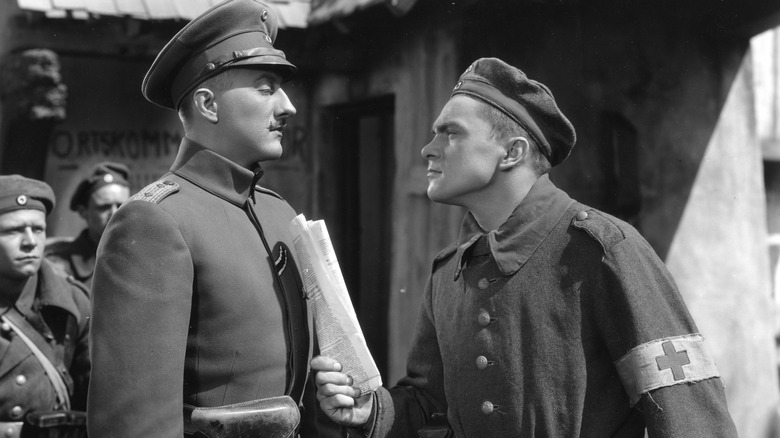
Author Erich Maria Remarque's seminal novel "All Quiet on the Western Front" dealt with the horrors of war transforming humans into either cannon fodder or shells of their former selves. However, it also proved popular enough to spawn a sequel, entitled "The Road Back." Given that the original film adaptation of "Western Front" was a popular property and best picture winner, it was only a matter of time before Tinseltown tried bringing "The Road Back" to the big screen. This 1937 title featured a cast that included John King, Richard Cromwell, and Andy Devine and explored German soldiers rejoining everyday civilian existence.
While the original "All Quiet on the Western Front" remained popular enough to spawn a 2022 Netflix remake, this follow-up is so obscure that (as of this writing) only two reviews for it (both negative) exist on Rotten Tomatoes. Audiences that have seen "The Road Back" have largely greeted it with a shrug, though a handful of viewers who are major fans of director James Whale's filmography have come to its defense. Generally, though, "The Road Back" has been dismissed as a shadow of its predecessor, with its strangely realized tone (which includes several comedic digressions) especially coming under scrutiny.
Perhaps there was never a way for an "All Quiet on the Western Front" sequel to evade the original's reputation. However, certainly something more memorable than "The Road Back" could've been concocted.
The Hobbit: An Unexpected Journey
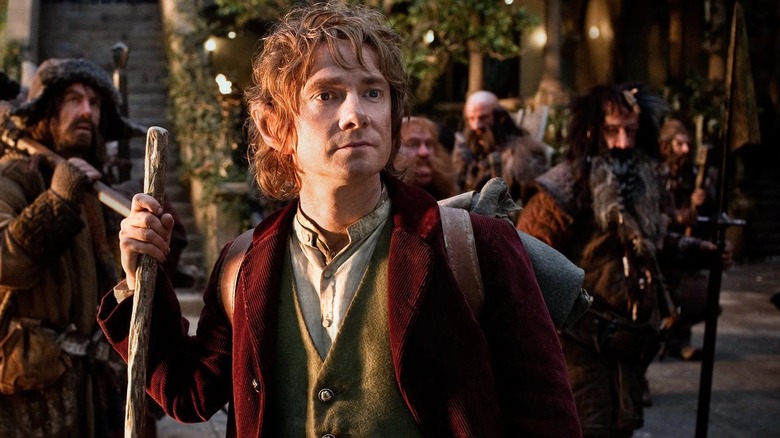
The entire "Hobbit" timeline began in December 2012 with "The Hobbit: An Unexpected Journey," which brought audiences back to Middle-Earth nine years after "The Lord of the Rings: The Return of the King" dominated the box office and became one of the greatest best picture Oscar winners of the 2000s. The original "Lord of the Rings" trilogy provided a towering act for director Peter Jackson's adaptations of "The Hobbit" to follow. To boot, these new "Hobbit" films amplified the connective tissue between themselves and the "Rings" stories by bringing in characters like Orlando Bloom's Legolas that didn't appear in the original "Hobbit" book.
In other words, Jackson and company aimed to remind viewers even more of beloved movies that they could never live up to. Incessantly evoking "Lord of the Rings" just made the problems ingrained into "An Unexpected Journey" more apparent. Those prior three movies excelled in part because of their deeply tactile visuals thriving on practically realized wonders. "An Unexpected Journey," meanwhile, was full of CG and distractingly fake backdrops. Trying to pad this one book out into three movies also meant that "An Unexpected Journey" lacked the propulsive storytelling of titles like "The Fellowship of the Ring."
While not without its virtues (many of them coming from Martin Freeman's Bilbo Baggins), "The Hobbit: An Unexpected Journey" was a largely frustrating exercise miles away from the confident mastery radiating off of "The Return of the King."
The Miniver Story
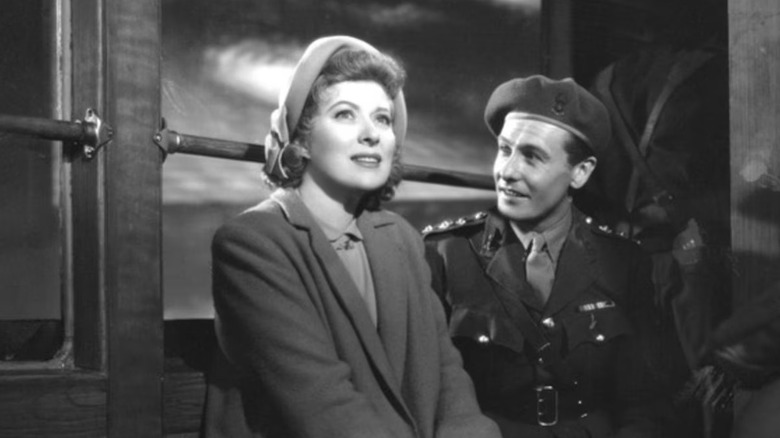
The 1942 film "Mrs. Miniver," hailing from famed director William Wyler chronicled ordinary people suddenly caught up in the grand sweep of history. The titular Mrs. Miniver (Greer Garson) and her family were British folks whose lives are turned upside down by various events signaling the arrival and effects of World War II. Whether it's the family's son going off to fight in the war or the Dunkirk rescue involving a member of the Miniver clan, "Mrs. Miniver" demonstrated how global events can propel typical people into unthinkable circumstances. In other words, unlike with Luke Skywalker or Spider-Man, stories worthy of movies don't happen often to the Miniver family.
A "Mrs. Miniver" sequel would be antithetical to its very core, yet that's just what Hollywood did (though with H.C. Potter in the director's chair this go-around instead of Wyler). "The Miniver Story" hit theaters in 1950 and followed the Miniver family, though this time they were navigating Britain after World War II. Needless to say, romantic shenanigans involving Clem (Walter Pidgeon) being unfaithful or Judy Miniver (Cathy O'Donnell) developing crushes weren't as immediately compelling as the Minivers surviving Blitz bombings.
The deeply misguided "Miniver Story" scored largely dismissive reviews from critics and is now a footnote in the history of its much more revered predecessor.
The Evening Star
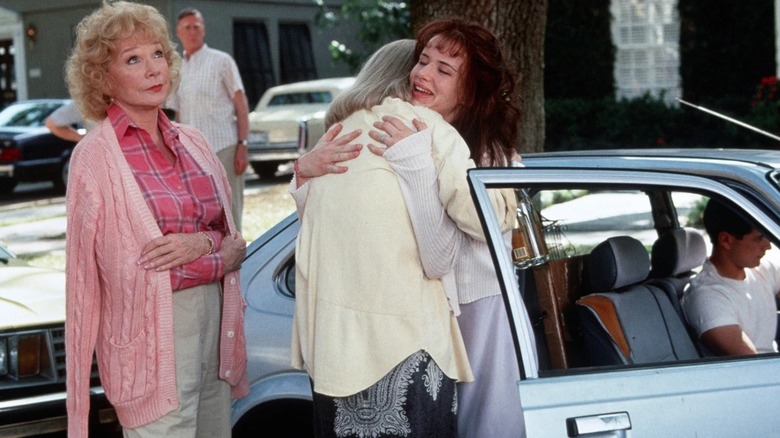
While many of the 1980s best picture winners were forgettable piles of treacle, the James L. Brooks directorial effort "Terms of Endearment" was one of the category's high points from this decade. This feature was rife with richly drawn characters brought to life by a murderer's row of talent (Shirley MacLaine and Debra Winger were the two leads for goodness sake) and tenderly written scenes that cut to the heart without being manipulative. It was a fantastic motion picture that deserves far more of a modern fanbase. Alas, it was also a film that Paramount Pictures made a sequel to, by way of adapting a follow-up novel to the original's source material.
This sees MacLaine's Aurora coming to terms with who her grandchildren are as people. Mortality also begins to set in for Aurora, though she also gets to experience the burning flames of new love with Jerry Bruckner (Bill Paxton). Arriving 13 years after the original film, "The Evening Star" was lambasted by critics as a shell of its predecessor. Among other faults, eschewing many of the original's characters made this sequel extra superfluous.
Not even silver screen legends like MacLaine could spin gold out of a project this ill-advised. Without Brooks writing or directing, not to mention the specific creative magic informing "Endearment," "The Evening Star" was always destined to be a dimly lit blemish.
The Sting II
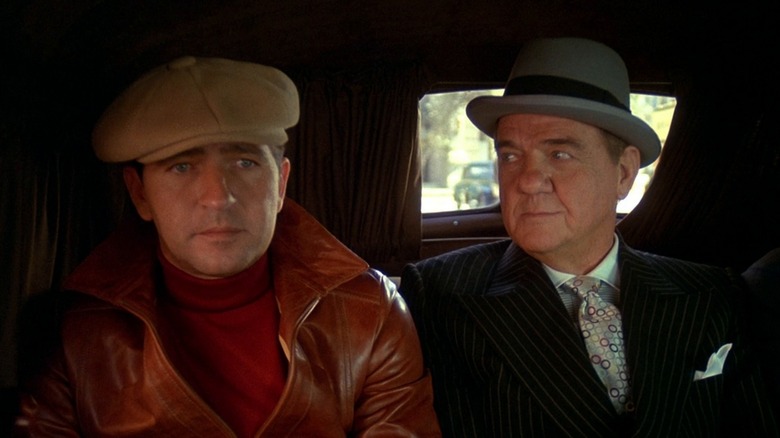
If you couldn't get Robert Redford and Paul Newman back for a sequel to "The Sting," then why even make it? That 1973 feature got its power from the duo's iconic stature and impeccable chemistry. Unfortunately, nobody told that to the creative team behind "The Sting II." A decade after the original "Sting" became a box office phenomenon and best picture winner, "The Sting II" replaced its lead characters from the original. Call it the "Bourne Legacy" or "Evan Almighty" of its day.
Instead of Paul Newman's Henry Gondroff, "The Sting II" had Jackie Gleason playing Fargo Gondroff (Redford's Jake Hooker was portrayed by Mac Davis). This follow-up saw the duo reuniting for another scheme, this time involving Hooker as a fake boxer and some sweet revenge. To say that everything was a downgrade from the first "Sting" would be a drastic understatement. The dismal reviews reflected how much potential had been squandered. The biggest recurring complaint, beyond Gleason and Davis being subpar replacements for Newman and Redford, was the feature's lack of fun or unpredictability.
"The Sting II" is the complete opposite of sequels that were better than the originals. This follow-up was a painfully misguided boondoggle that should've been snuffed out the moment Redford and Newman declined to return.