

5 Best Animated Movies Of The 2010s, Ranked
As the 2010s began, the world of global animated cinema was going through some drastic changes. For one thing, the golden age of Pixar Animation Studios ground to an abrupt halt after "Toy Story 3." The worst Pixar movies began unleashing this decade with the 2011 dud "Cars 2." Meanwhile, legendary filmmaker Satoshi Kon, the artist behind the best animated features of the '90s and 2000s, tragically passed away in 2010. The grand hand-drawn Disney Animation musical was officially dead. Even Hayao Miyazaki, who delivered multiple acclaimed features across the prior two decades, only released a single film ("The Wind Rises") in the 2010s.
In other words, some of the greatest talent defining the last 20 years of animation were either severely diluted or tragically absent from the 2010s. Even with those challenges, though, the 2010s proved incredibly fruitful and full of motion pictures reflecting how exciting animated storytelling could be. The five best animated movies of the 2010s (ranked from "least best" to greatest below based on this author's subjective opinions) had exciting range in the kind of animation they exhibited and stories they told. There's no one way to utilize this storytelling medium, and the greatest 2010s animated movies captured that spectacularly.
Even in a decade full of seismic shifts for the global animation industry, quality movies couldn't be held down. Talented artists still delivered extraordinary animated features across every corner of the 2010s.
5. Tower
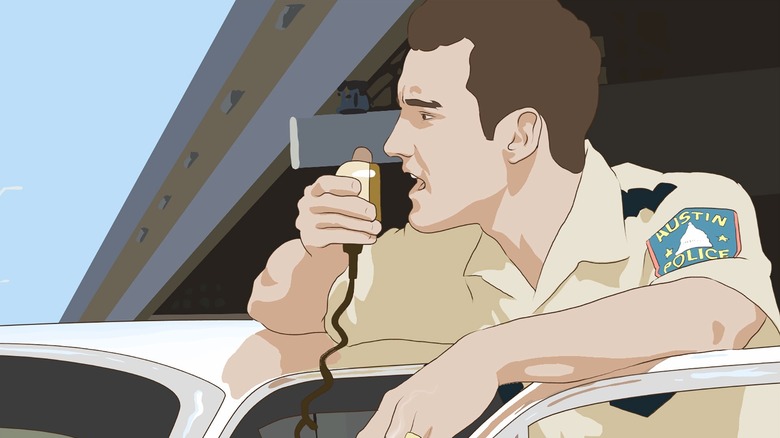
One of the greatest benefits of animated documentaries is it can provide hand-crafted (not AI slop) visual representations of anecdotes and experiences that couldn't be captured on camera. "Flee," one of the best animated movies of the 2020s (so far), exemplified this with its vivid manifestations of deeply personal stories from a queer man who needed to keep his identity a secret. Also encapsulating these artistic triumphs is the 2016 film "Tower." On August 1, 1966, when a sniper started opening fire on University of Texas students and visitors, the horrors and bloodshed transpired so quickly that only fragmented (and often recorded from afar) visual records of this tragic day exist.
Thus, "Tower" uses animation to render the anecdotes of various people who were trapped on campus that day. To say these stories are harrowing doesn't do the power of these narratives justice. The animation used to bring them to life proves incredibly impactful, with director Keith Maitland wisely keeping all the imperfections and jagged edges of rotoscoping animation intact, delicately reinforcing the vulnerability and everyday humanity of the central subjects.
Through these animated recreations, "Tower" lets viewers experience this horrific day as it unfolded. The result is an artistic accomplishment that leaves one both shaken and reminded of the power of animated documentary filmmaking.
4. My Life as a Courgette
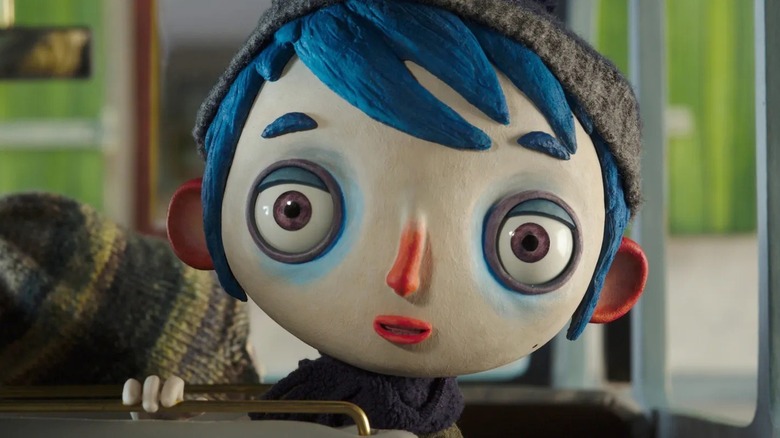
Céline Sciamma, a filmmaker behind one of the best female directed movies of all time, has always demonstrated a sharpness for realizing the minds of tormented adolescents in titles like "Tomboy" and "Petitie Maman." The 2016 animated feature "My Life as a Courgette" saw her work with Germano Zullo, Morgan Navarro, and Claude Barras (the latter of whom also directed) to pen the screenplay for a stop-motion animated feature unflinchingly chronicling the bittersweet sorrow of growing up. In terms of artistry, it's a title that comfortably fits with the classics Sciamma cranks out like nobody's business.
The film follows a young boy nicknamed Courgette (Erick Abbate), who, after his alcoholic mother perishes, is brought to an orphanage. Here, a barrage of outsized children characters reside. All of them have tormented backstories and, like Courgette, are dealing with struggles no kid should have to grapple with. This whole enterprise is deeply moving, especially in its depiction of Courgette gradually bonding with the other kids (even ones initially exceedingly hostile to him). Barras and the animation team also happily lean into stylized character design for the animated figures, ensuring Courgette and company look incredibly idiosyncratic.
In this regard, "My Life as a Courgette" pulls off a magic trick, crafting characters who don't look realistic at all yet experience pain and emotions registering as profoundly human. That's what happens when Céline Sciamma co-writes your movie.
3. Liz and the Blue Bird
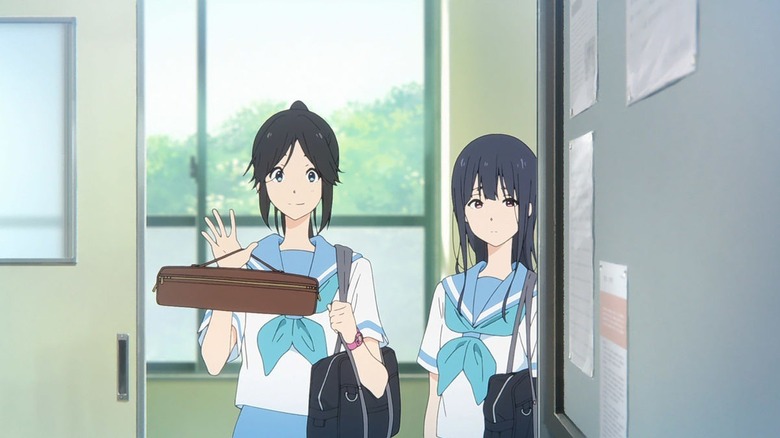
In the 2010s, Naoko Yamada emerged as one of the most acclaimed new voices among animation directors. After her directorial debut on 2011's "K-On! The Movie," one of the best animated movies nobody talks about anymore, Yamada made a string of features with tender emotional spirit and inventive animation. Arguably her greatest triumph to date came with 2018's "Liz and the Blue Bird," which follows high school wind band players Mizore (Atsumi Tanezaki) and Nozomi (Nao Toyama) coming to terms with the idea that soon they'll graduate and their friendship won't ever be the same.
While the characters and world Yamda lays out are rife with compelling specifics, there's also a transfixing universality to this narrative's crux. We've all had to grapple with impending good-byes that shatters our souls. That balance of the conceptually paradoxical yet gloriously harmonious in execution extends all throughout "Liz and the Blue Bird," including in its animation. Visuals for segments chronicling a fairy tale involving the titular Liz and Blue Bird are lusciously heightened and immediately distinct from the imagery capturing Mizore and Nozomi's everyday life.
Rather than distracting from the intimate (and possibly queer-coded) feelings, the visual contrast only accentuates the impact of each section. Among countless other triumphs, "Liz and the Blue Bird" is a 91-minute distillation of why Naoko Yamada was one of the great filmmaking discoveries of 2010s animation.
2. Spider-Man: Into the Spider-Verse
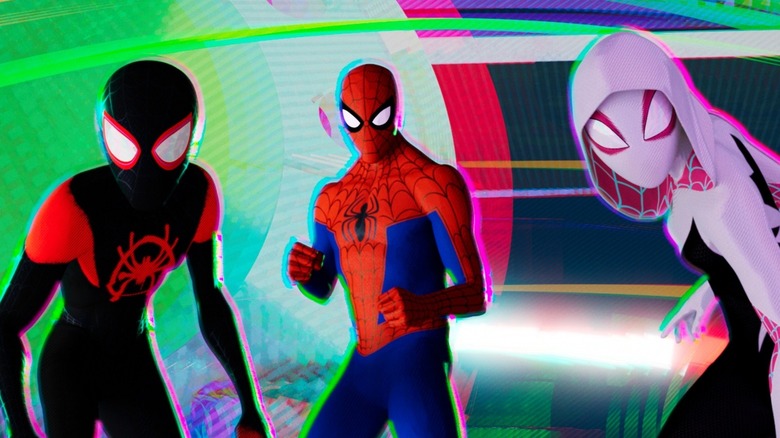
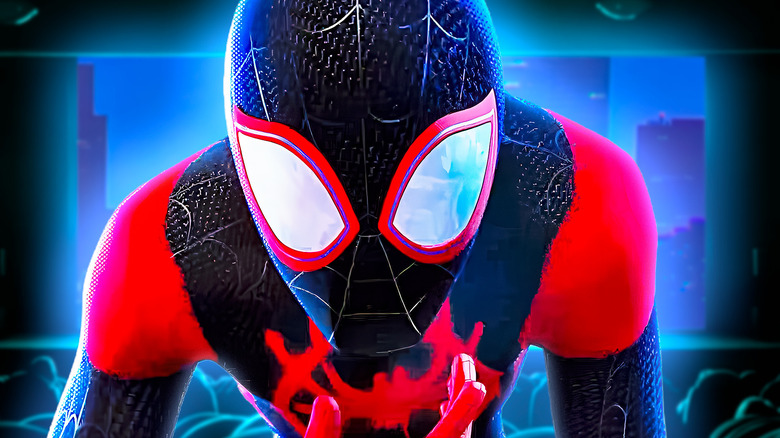
Even after nearly a decade to savor the endless creative accomplishments of "Spider-Man: Into the Spider-Verse," it's still incredible that this movie both exists and is so magnificent. Even certain details fans can't agree on keep the film constantly in the cultural conversation. However, what's truly impressive about "Into the Spider-Verse" is how it encapsulates that movies aren't a one-person achievement. Animated films, especially, are a collaborative effort requiring years of trial and error, countless creative voices, and armies of animators working to create something glorious.
"Into the Spider-Verse" beautifully demonstrates the wonders of many great artists coming together. The film's three directors (Rodney Rothman, Peter Ramsey, and Bob Persichetti) working in tandem with co-writers and producers Phil Lord and Chris Miller provided an amazing bedrock for animators to flex their creativity in this title's staggeringly stylized realms. Meanwhile, the nuanced tone, oscillating between hyper speed wackiness and raw poignancy, let its stacked cast, particularly Brian Tyree Henry, Jake Johnson, and Nicolas Cage, deliver extraordinary voice-over performances.
From top to bottom, "Into the Spider-Verse" delivers unforgettable material (including composer Daniel Pemberton's endlessly creative score). Even after so many live-action "Spider-Man" movies, "Spider-Man: Into the Spider-Verse" united a barrage of gifted artists to make something unprecedented. The wondrous endless possibilities of animated storytelling were more apparent than ever here.
1. It's Such a Beautiful Day
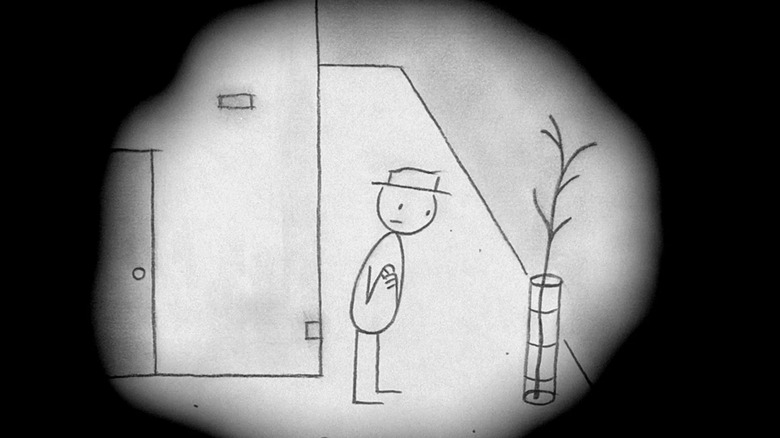
Writer/director Don Hertzfeldt's filmography has cultivated a reputation for focusing on scribbly animated characters who leave audiences feeling devastated. The visuals seem simple on the surface, but there's incredible intricacy interwoven into the hand-drawn animation. Such images are also a vessel for some of the most shattering storytelling you'll ever see in any medium. This artistic trend was exemplified by Hertzfeldt's 2012 feature "It's Such a Beautiful Day," which followed adult man Bill succumbing to a fatal illness. As his sickness worsens, the lines between reality, his mind, and the past and present blur, while pervasive narration offers haunting ruminations on existence's finite nature.
"And by his 40s, what he considered his halfway point at best," the narrator comments on Bill at one point, "He had come to know just one thing: you will only get older." Once the credits roll on "It's Such a Beautiful Day," enough heavy thoughts and tears have been conjured to make the saddest movies of all time proud. Darkly comedic jokes also permeate the proceedings, but "It's Such a Beautiful Day" especially excels as an existential exercise that leaves your heart heavy.
Hertzfeldt's trademark animation style is also perfect for this story, offering a visual reflection of our fragmented and incomplete pictures of reality and even our loved ones. "It's Such a Beautiful Day" is a haunting production impossible to either forget or ignore.