

5 Best Vampire Movies Of The 21st Century, Ranked
If you ask the average person on the street what the defining vampire movie of the 21st century is, they'll likely tell you it's "Twilight." For horror fans, the name of that YA franchise probably won't even come up in conversation, and we certainly didn't see it mentioned when researching the best vampire movies of the century so far.
To choose the top five movies to be included in this list, we decided to go with cinephile consensus, referring to Letterboxd and IMDb to determine which titles were held in highest regard. Once we had found our top five, we threw that consensus out of the window and ranked the best of the best based on personal preference, from least-to-most favorite.
If this leaves you with a hunger for more vampire movies, then make sure to check out our picks for the top 15 of all time. Before then, here are our choices for the best of the 21st century.
5. A Girl Walks Home Alone at Night
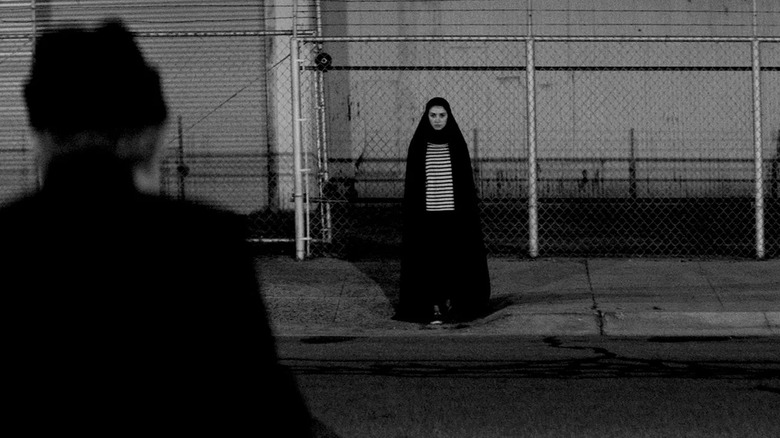
Billed as the first Iranian vampire western despite being shot in California, the directorial debut of Iranian-American filmmaker Ana Lily Amirpour is one of the most stylish films of the past 15 years. Taking as much influence from Spaghetti western tales of antihero vigilantes as formative vampiric tales like "Nosferatu," "A Girl Walks Home Alone at Night" is a brooding take on the antithetical themes of the genre, exploring the romance and the loneliness that comes with leading a never-ending existence. The director contrasts the mysterious, nameless lead character (portrayed by Sheila Vand) and her hunger for blood with the city residents fighting off their own desires, whether it's drug addiction or repressed sexual fantasies.
Although entirely in Farsi, shooting thousands of miles away from Iran — where the fictitious Bad City of her movie is located — afforded Amirpour more freedom to dig into the subversive feminist themes of her story without risk of censorship. While the evocative title of the film suggests a woman in peril, the use of vampire mythology grants the lead an agency in dangerous situations that would be harder to come by, even if that hidden strength still makes her another outcast on society's margins.
It's not all intellectual subversion of vampire movie tropes, though, as Amirpour delivers when it comes to pure, intoxicating style, with several gorgeous sequences — captured in stunning black-and-white by cinematographer Lyle Vincent — that are, for lack of a better term, pure cinema. A slow-motion bedroom embrace, set to the entirety of "Death" by British indie band White Lies, might be the coolest, most romantic movie needle drop in recent memory. It may be a little style over substance, with its themes never fully coming together — but my, what style!
4. Humanist Vampire Seeking Consenting Suicidal Person
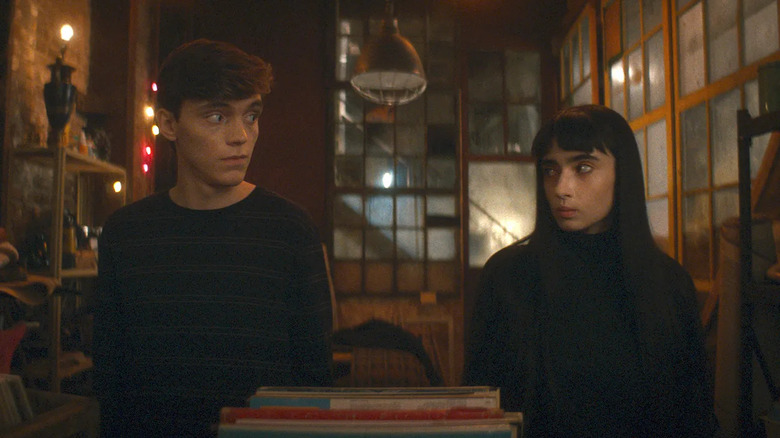
This Quebecois comedy is the gender-flipped "Twilight" every sensitive teenager needs to see; although, if you're a lover of coming-of-age movies, you won't be immune to its charms either. Sasha (Sara Montpetit) is a young vampire whose fangs are yet to sprout, and she refuses to feed on unsuspecting humans after a traumatic childhood incident where her family feasted on the clown they'd hired for her birthday party. Her parents want to send her away from the city to live with a bloodthirsty cousin, who can teach her how to hunt and kill human prey; but salvation comes when she sees Paul (Félix-Antoine Bénard), a suicidal teen first encountered talking himself out of jumping off a building. Later following him to a therapy group for depressed young people, she hatches a plan where she will kill him with his consent — but winds up stalling and tries to make his dying wishes come true instead.
The concept of "Humanist Vampire Seeking Consenting Suicidal Person" may be summarized in its title, but read divorced of context, it sounds like a darker, nastier, altogether more distasteful experience. That couldn't be further from the quainter, quirkier meet-cute director and co-writer Ariane Louis-Seize has cooked up. This romance between two outcasts that winds up oddly life-affirming — despite one being undead and the other having thoughts of ending it all. It might be too bloody to be a comfort movie, but there's an unexpected sweetness that makes a highly charged premise go down surprisingly easily.
3. Thirst
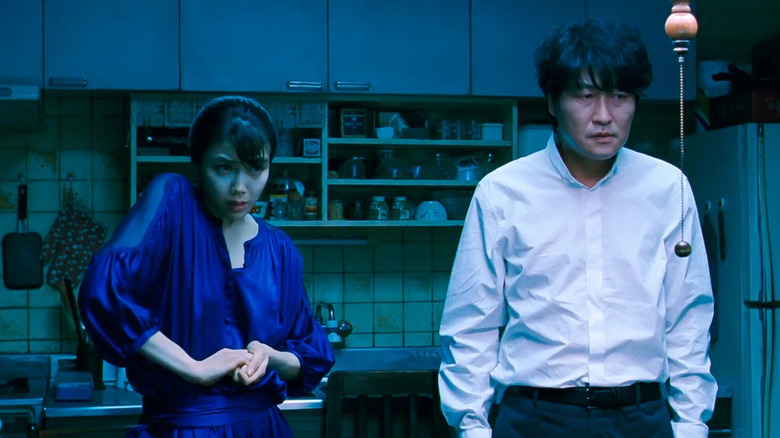
Park Chan-wook's films thrive when visiting the darkest extremes of human nature. Following the conclusion of his brutal, masterful "Vengeance Trilogy," he made a vampire love triangle story in which a newly infected priest (Song Kang-ho) had to contend with newly discovered desires. Sang-hyun, the protagonist of "Thirst," is far from the typical vampire, having only been infused with blood after volunteering for a scientific experiment gone wrong, and his inherent selflessness is what director Park appears most fascinated by. Despite the foregrounding in Catholicism, this isn't a tale of religious repression, but an examination of how a man's new survival instincts — and the resurfacing of long-suppressed sexual needs — reshape the moral compass that's been guiding his life. The filmmaker never loses sight of this core idea beneath the gallons of blood thrown at the screen.
Things take an even more extreme turn once he falls for Tae-ju (Kim Ok-vin), a woman he begins an affair with after she confides that her husband is abusing her. But all is not as it seems, and her desire to be avenged and converted into a vampire leads Sang-hyun towards an even graver spiritual crisis, increasingly worried that he is the definitive evil that he has read about in scripture. Few relationships in Park's films end happily — which might be an understatement if you've seen "Oldboy" — and this is no different, stripping out every last semblance of romanticism from the vampire genre to create something characteristically bleak and unsparing.
2. Let the Right One In
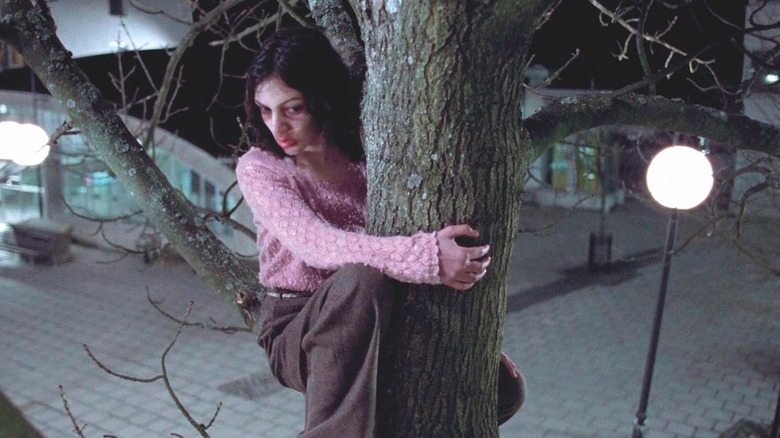
The greatest vampire coming-of-age tale of them all, even if one of the characters has been a 12-year-old for a long time, "Let the Right One In" is a haunting tale set in the Stockholm suburbs in the early 1980s, which manages to feel both timeless and universal. Oskar (Kåre Hedebrant) is a bullied tween who dreams of revenge on the boys who routinely torture him. Eli (Lina Leandersson) is his new, mysterious neighbor who has moved into the apartment next door with an older man (Per Ragnar) who engages with the outside world as little as possible. Eli is reluctant to start a friendship with Oskar, but the pair become close after they tell him to stand up for himself — and as he tries to gain a sense of agency, a series of shock deaths rock the neighborhood, which add further question marks over his unusual new friendship.
Adapting his own novel, screenwriter John Ajvide Lindqvist stripped away backstory and context to focus on the central relationship between the two leads, leaving Eli's past (such as details of their ambiguous gender) and the criminal intent of the older man they live with elusive. In director Tomas Alfredson, who had expressed no interest in horror movies and following Hollywood vampire tropes, Lindqvist found the perfect collaborator to get to the human heart of his gothic tale, with the horrors around town taking a backseat to seeing a formative relationship form between the main characters. Like the very best vampire films, it's a movie that will continue to resonate with outcasts everywhere.
1. Sinners
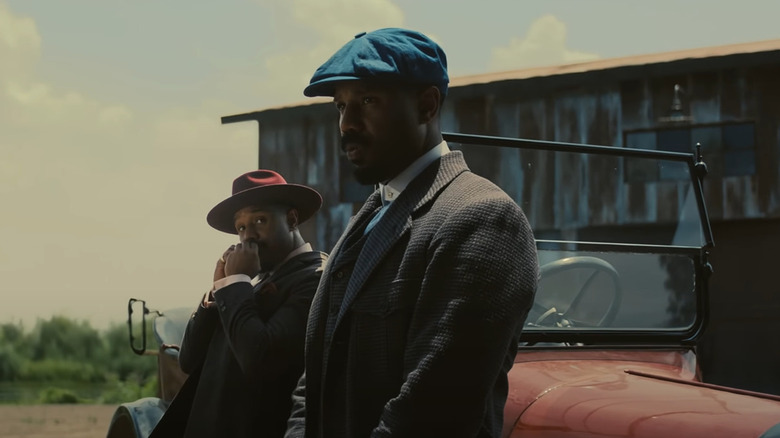
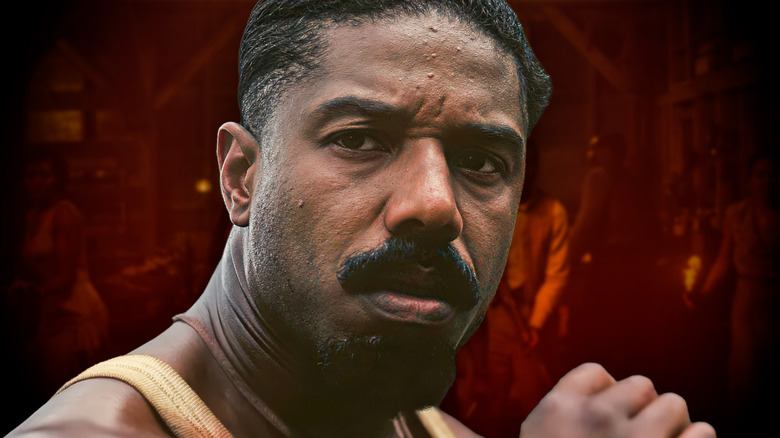
Call it recency bias if you want, but Ryan Coogler's riff on "From Dusk Till Dawn" continues to feel like it'll remain a cinematic landmark for years to come, using the familiar iconography of the vampire movie to examine weightier themes — from cultural appropriation to assimilation in a racist society. And yet, maybe the most impressive thing about "Sinners" is the one that needs the least time examining: When it finally takes its sharp left turn into horror territory, it doesn't sacrifice the richness of what came before amidst the bloodshed.
It begins as part prohibition drama set in the Jim Crow South and part musical inspired by the Blues and the history of African American music. When Remmick (Jack O'Connell) arrives at the juke joint, it should all collapse beneath the bloody chaos; and with every rewatch, we keep expecting it to — only for Coogler to transpose those pre-established ideas into familiar vampire symbolism.
With a film as rich as "Sinners," it's easy for any conversation about it to transform into a belabored film studies essay; there's a reason it felt like one of the definitive American movies of this era immediately upon arrival. But viewing it in this light means overlooking Coogler's craftsmanship as a genre director, staging bloody action sequences which feel even more exhilarating due to the time and care he has taken introducing us to his intricately realized period setting. Quite simply, it satisfies the head and the heart, with plenty of rich ideas to sink your teeth back into.