

5 Heist Movies Way Better Than Fuze
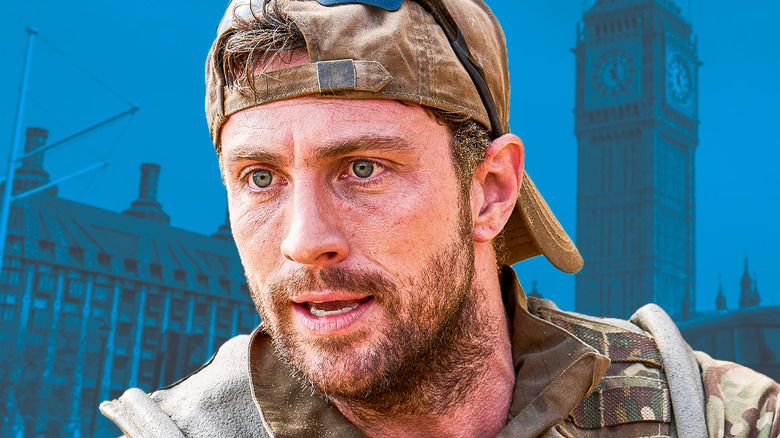
Filmmaker David Mackenzie has technically been directing movies since his 2002 debut feature "The Last Great Wilderness," but hit a new level of notoriety with 2016's "Hell or High Water." That box office hit and best picture nominee put all eyeballs on whatever Mackenzie did next. Since then, unfortunately, his filmmaking exploits haven't come close to the levels of "Hell or High Water." 2018's forgettable Netflix epic "Outlaw King" came and went, while the Riz Ahmed thriller "Relay" was pleasant but nothing too special.
His most recent directorial effort is "Fuze," a British heist film centered on two simultaneous plotlines: an ancient bomb being unearthed in London and a criminal crew using the ensuing chaos as cover for a major heist. "Fuze" garnered mixed-to-positive notices, but hasn't made much of a splash culturally. Part of the problem is that "Fuze" entered a tremendously crowded cinematic field. There's no shortage of great heist features to watch instead of "Fuze." Five particularly noteworthy entries in this genre stand out as especially superior options to this Mackenzie filmmaking effort.
These way better heist movies than "Fuze" exemplify the visual, performance, and suspense possibilities (among other positive attributes) of this cinematic realm. Go marinate in the accomplishments of these heist films and put "Fuze" on the backburner.
The Killing
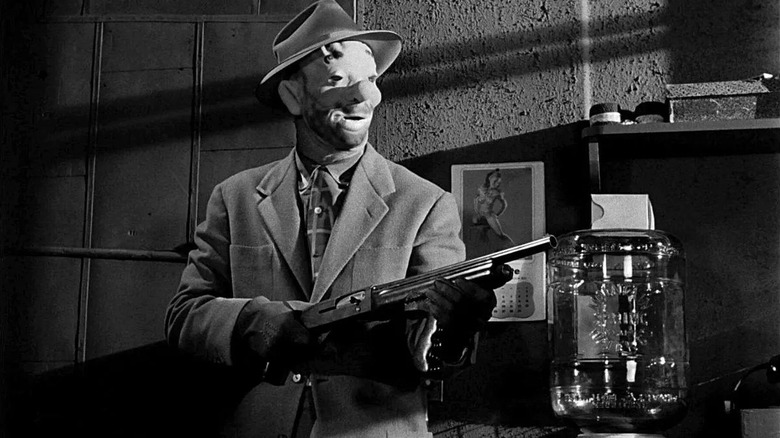
At the start of his career, Stanley Kubrick tried to burn his debut film, "Fear and Desire." It was a frustrating, debilitating start to his filmography, but he would later become iconic for far more than these behind-the-scenes antics. Kubrick's name is synonymous today with epic, bold visions realized with precise fine-tuning and rich details that reward repeat viewers. Titles like "Full Metal Jacket," "A Clockwork Orange," "2001: A Space Odyssey," and "Eyes Wide Shut" have become seminal motion pictures exemplifying the idiosyncratic and multi-layered imagery of Kubrick's filmography.
However, Kubrick's greatest filmmaking achievement lies early in his body of work. The 1957 noir "The Killing" is substantially smaller in scope and runtime than most of Kubrick's later, more well-known titles. However, within these tight confines, Kubrick created a crackerjack crime yarn (which he penned with Jim Thompson). The film focuses on Johnny Clay (Sterling Hayden) and his ragtag crew planning a racetrack robbery, which (as with any heist movie) doesn't go remotely according to plan. Vibrant personalities abound in this production, particularly with Hayden's deftly nuanced ringleader or Elisha Cook Jr. as a meek member of the heist crew.
Watching them bounce off each other proves endlessly absorbing, ditto witnessing Kubrick and Thompson throwing new problems their way during their "master plan." Kubrick's gift for staging is vividly and impressively apparent in this production. "The Killing" deserves far more love as both a heist picture and Kubrick's greatest work.
Widows
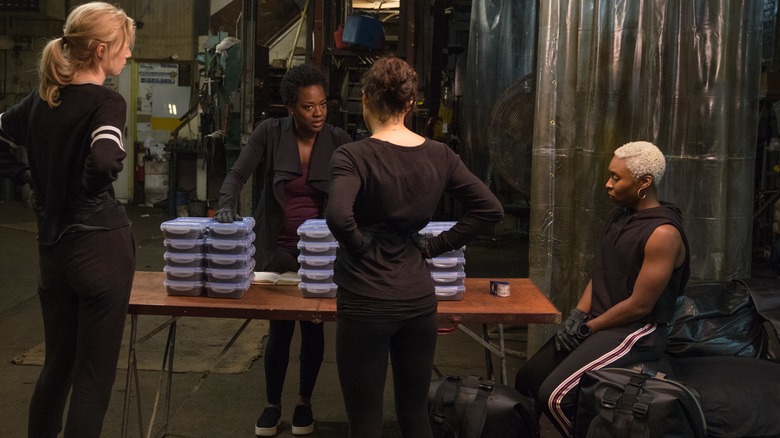
There were no shortage of films that flopped at the box office in 2018. However, none were as tragic to witness unfold as Steve McQueen's "Widows." After fine-tuning his artistry on smaller-scale features about people enduring unspeakable hardship, McQueen teamed up with co-screenwriter Gillian Flynn to deliver sublime popcorn entertainment. With pulse-pounding chase sequences and great crowdpleaser moments, it was the best Michael Mann movie Michael Mann didn't direct. Yet somehow, audiences ignored it. That was their loss because "Widows" is magnificent cinema that, in addition to its countless other virtues, lets a toweringly stacked cast shine.
The impetus for this title is Veronica Rawlings (Viola Davis) losing her thief husband Henry (Liam Neeson). Her deceased lover left a massive debt to Jamal Manning (Brian Tyree Henry), who needs it paid off. Veronica then teams up with two widows of Henry's accomplices (played by Michelle Rodriguez and Elizabeth Debicki) and Belle (Cynthia Erivo) to pull off a heist. All the while, McQueen and cinematographer Sean Bobbit realize the proceedings with incredible visual panache. They always know just the right angle or how long to keep the camera unblinking to wring the maximum amount of thrills. It's like a magic trick.
Those sharp imagery-based instincts coalesce with a murderer's row of unforgettable performances, including Debicki's haunted turn and Daniel Kaluuya's magnificently imposing work as an antagonist. Just because theatrical audiences initially ignored it doesn't erase that "Widows" is a classic, and deserves to be seen by all.
Logan Lucky
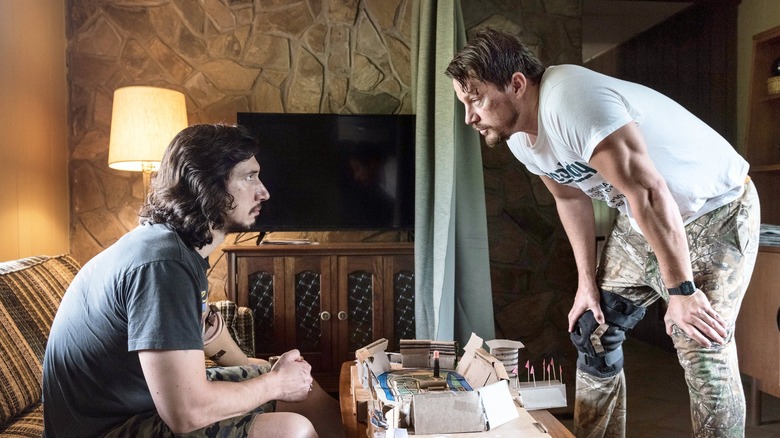
Several famous heist movies in the "Ocean's Eleven" saga populate writer/director Steven Soderbergh's best films. However, that franchise is incredibly well known. Let's give some love to 2017's "Logan Lucky," a Soderbergh heist feature that doesn't necessarily dominate every conversation. It tells the West Virginia saga of Logan siblings Jimmy (Channing Tatum), Clyde (Adam Driver), and Mellie (Riley Keough) assembling a team to pull off a heist during a NASCAR race. Among their accomplices is the incarcerated Joe Bang (Daniel Craig) and a whole cast of kooky characters that inform a heist film only Soderbergh could realize.
"Logan Lucky" provides viewers with a cornucopia of entertainment. Heist movie devotees get all the hallmarks of this genre, including crafty schemes to sneak large sums of money out from under people's noses. However, this is no rehash of the past. "Logan Lucky" establishes a singular personality through leaning into the Southern fried eccentricities of its lead characters. These are delightfully idiosyncratic individuals brought to life with heart and chops by an immensely talented cast (Driver and Craig are especially hysterical in their respective roles).
There's also great absurdist comedy touches throughout "Logan Lucky" (especially a hysterical wide shot depicting two characters encountering a man in a bear costume) that further ensure it's like no other heist film out there. Not even Soderbergh's better-known heist features have the same charms or artistic accomplishments as "Logan Lucky." They certainly don't have Daniel Craig's hilarious antics.
Fast Five
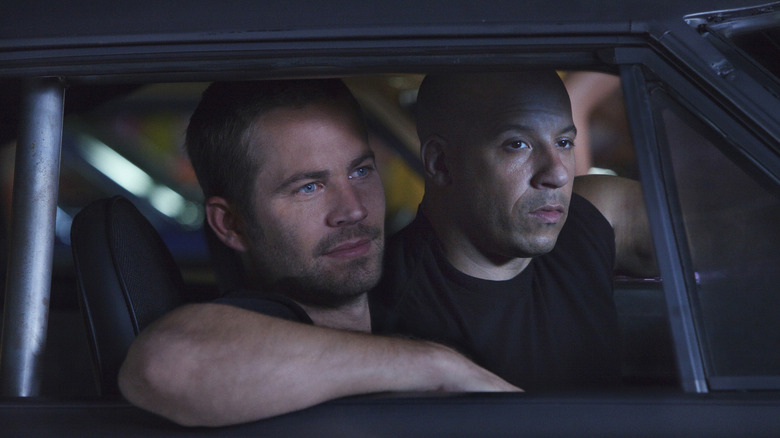
When undergoing the arduous process of ranking every "Fast & Furious" movie from worst to best, a bizarre fact becomes clear: this saga didn't get good for a long time. Entries like "2 Fast 2 Furious" and "Tokyo Drift" have their charms, but there's more duds than bangers across the entire "Fast and the Furious" timeline. As late as 2009's "Fast & Furious," this franchise was too dreary, drenched in dim lighting, and unengaging for its own good. Then came 2011's "Fast Five," which finally saw director Justin Lin and company bring their A-game. This installment shifted the action to Brazil, united cast members of different entries in the franchise, and placed them in a heist movie.
Utilizing automobiles and creatively outlandish set pieces (like dragging a massive safe through bustling streets) proved infinitely more engaging than more street races and "Point Break" pastiches. Lin's filmmaking got some real verve once he drank the heist movie Kool-Aid, while the actors fit comfortably into heist film archetypes. Playing the equivalent of Al Pacino in "Heat" here was Dwayne Johnson as a more intimidating and intriguing version of Luke Hobbs, becoming a welcome new presence in the process.
In embracing the heist movie aesthetic, "Fast Five" outraced all of its predecessors and delivered one of the better heist titles of the 2010s. No wonder subsequent "Fast & Furious" movies have scrambled to match its heights. Forget about lighting the "Fuze," go "Fast" instead.
Thief
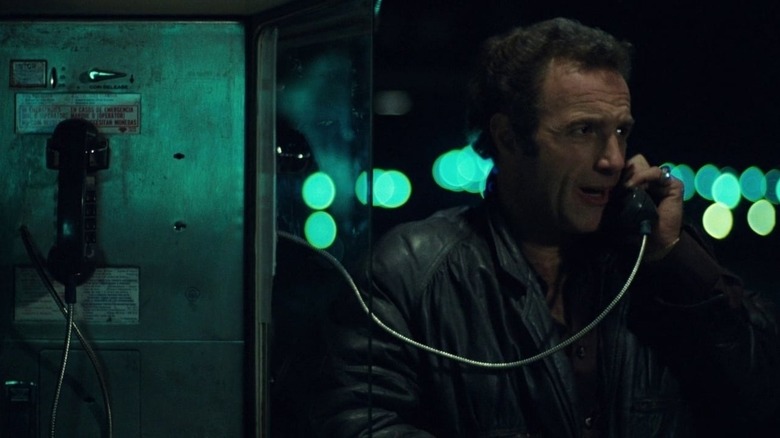
One of the best heist movies you've likely never seen is a little title from 1981 that kicked off the illustrious directing career of Michael Mann. That project is "Thief," a James Caan star vehicle that also featured Tuesday Weld, Willie Nelson, Jim Belushi, and Robert Prosky. Mann utilizes a classic heist movie set-up; Frank (Caan) is a master jewel thief looking to leave his profession. The arms of a wonderful lady, Jessie (Weld), beckon. To secure finances for his new life, he takes on a gig with mobster Leo (Prosky), an association that only brings further chaos and danger into Frank's life.
"Thief" is one of those directorial debuts where it's outright staggering to witness such an assured and confident filmmaker from the get-go. Mann works superbly with his recurring collaborator editor Dov Hoenig. The precise cuts and suspense-inducing visual rhythm in "Thief" speaks to Mann and Hoenig's phenomenal creative rapport. Mann's script and filmmaking, meanwhile, keep audiences on the edge of their seats wondering where the proceedings will go next.
Anchoring everything is a profoundly lived-in lead performance from Caan that's nothing short of riveting. In every ounce of his screentime, you see the aching humanity but also quietly intimidating experience informing Frank. If the overly clean digital camerawork and writing in "Fuze" left you wanting more, check out the compellingly grimy "Thief" for peak heist movie goodness.