

'70s Westerns That We Wish Got Sequels
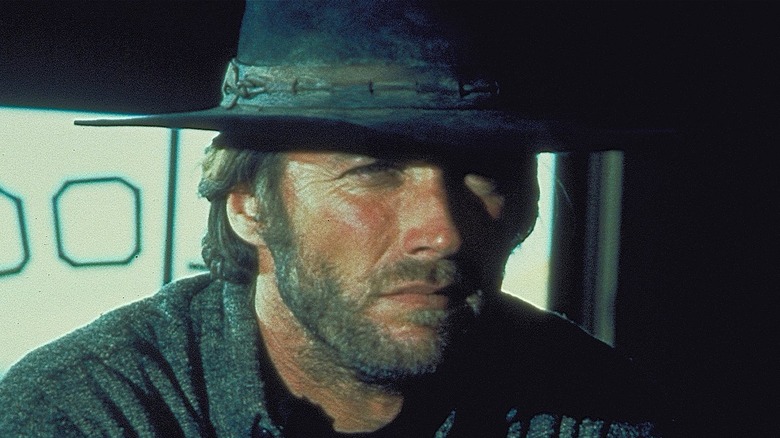
Great Western sequels are too few and far between. The genre lends itself to simple narratives with emphatic conclusions that can be told within a single movie. However, some cowboys rode off into the sunset before they could maximize their potential, which is especially true for the gunslingers and outlaws who populated 1970s Westerns.
The Westerns of the '70s are edgier and grittier than the genre efforts that came before. Until then, Westerns were typically about clean-cut heroes taking on bad guys, and portrayed the Old West in a romantic light. By contrast, '70s Westerns were revisionist flicks with more complex characters, some of whom deserved further adventures.
This exercise will look at five '70s efforts that deserved sequels. On this list, you'll find stories about ghosts, lawmen, and detectives solving mysteries on trains, so there's something for all tastes. So, without further ado, let's take a look at them.
Lawman
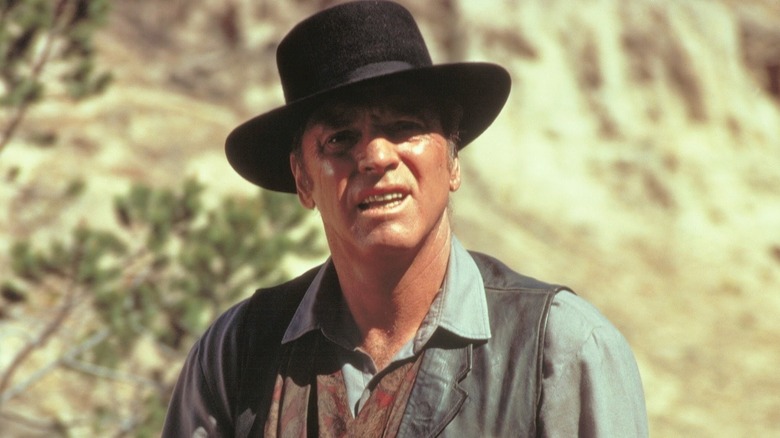
"Lawman" isn't a clear-cut story about good and evil. Michael Winner's film is concerned with exploring the perspective of all sides after a group of cattlemen accidentally kill an old man and find themselves being pursued by Marshal Jared Maddox (Burt Lancaster). The cattlemen work for a reasonable baron offering financial reparations for the tragedy, but Maddox is hell-bent on justice, so it's only a matter of time until the bullet ballet begins.
The end sees Maddox getting the job done and riding out of the baron's town, leaving brutality and sadness in his wake. People have reasons to be mad at him, and a sequel could have explored Maddox incurring enemies seeking payback. That said, a lawman's job is never done, and there are all types of scenarios Maddox could have been written into for a follow-up movie. He's self-righteous to the point of obsession, and who doesn't want more films with characters like that?
High Plains Drifter
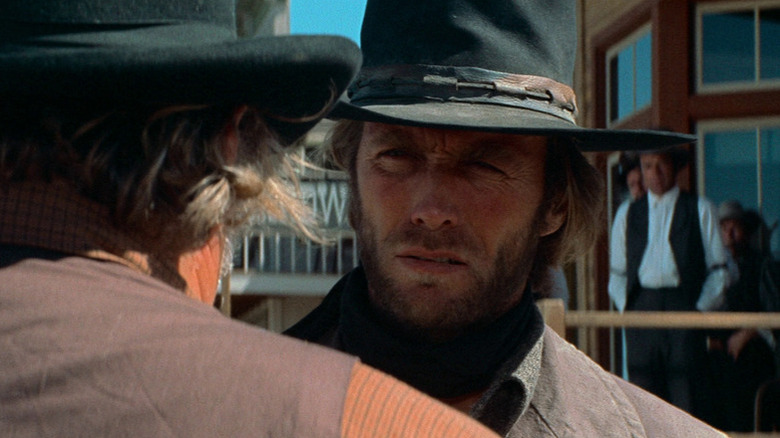
"High Plains Drifter" tells the story of a mysterious man known as The Stranger (Clint Eastwood), who enters a town and starts messing with the locals. He might be the ghost of a former Marshal who was murdered years prior, but the film leaves his real identity open to interpretation. At the end, he rides off into the desert and vanishes into the unknown, leaving us wanting answers.
"High Plains Drifter" makes viewers want to learn more about the Stranger. Unnecessary scenes of sexual assault aside, he's a fascinating character with a backstory that's barely explored. A prequel delving into what led to his vengeance crusade could have been juicy. Conversely, a sequel where the Stranger punishes more wicked souls across the Old West could have worked just as well.
"High Plains Drifter" never received an official sequel, but 1985's "Pale Rider" is like its spiritual successor. Once again, Eastwood plays a mysterious gunslinger and possible supernatural warrior, but he is more of a traditional good guy in "Rider." "High Plains Drifter" is more morally grey, with Eastwood's Stranger operating like a slasher villain as he torments the townsfolk. Some of the best horror sequels are slasher flicks, and Westerns could learn from that — especially ones about vengeful, bloodthirsty ghosts.
If you or anyone you know has been a victim of sexual assault, help is available. Visit the Rape, Abuse & Incest National Network website or contact RAINN's National Helpline at 1-800-656-HOPE (4673).
Pat Garrett and Billy the Kid
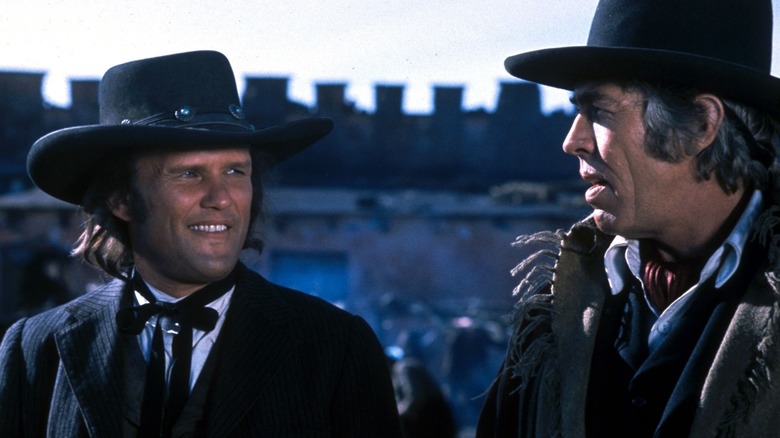
Sam Peckinpah's "Pat Garrett and Billy the Kid" is one of the best Westerns of the '70s, and the idea of tampering with a beloved classic might anger some fans. After all, the movie ends on a definitive note, with lawman Pat Garrett (James Coburn) shooting the eponymous outlaw (Kris Kristofferson). The story also serves as a metaphor for the last days of the American frontier before modernity sets in, giving it an elegiac quality that feels like a farewell. So, why should Peckinpah's masterpiece have received a sequel?
The film is based on real people, and Garrett's story didn't end after shooting Billy the Kid. He got into some failed business ventures before eventually returning to sheriff life. President Theodore Roosevelt then appointed him as a customs collector in Texas, but he was replaced and fell into a life of poverty. Garrett's life ended with him getting shot by a ranch hand, but some historians believe there's more to this story than meets the eye.
In short, the sequel could have chronicled Garrett's fall from grace in the lead up to his mysterious death. There's a wealth of material to mine from, but it wasn't to be. The upside, though, is that there are many great Billy the Kid Western movies out there that depict these historical figures in interesting ways.
Breakheart Pass
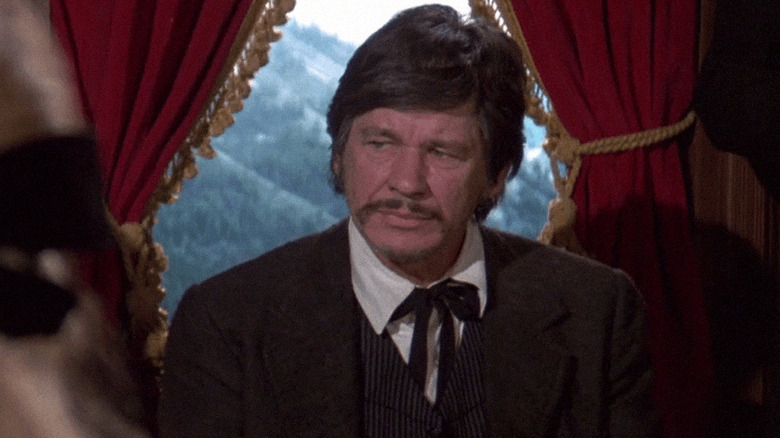
Hollywood has gotten some great mileage out of the adventures of Hercule Poirot, most notably in Kenneth Branagh's "Murder on the Orient Express," "Death on the Nile," and "A Haunting in Venice." All a detective needs is a new mystery to solve, providing audiences with easy entertainment. With that in mind, "Breakheart Pass" should have spawned a franchise, bringing an Agatha Christie-style mystery to the Old West.
"Breakheart Pass" sees Charles Bronson play John Deakin, a U.S. Secret Service Agent who finds himself on a train where the passengers keep showing up dead. It's basically "Murder on the Orient Express" with more cowboys, but the mystery is compelling in its own right, giving way to a larger conspiracy involving outlaws and government officials.
The film is based on a novel by Alistair MacLean, who never wrote any follow-ups. Still, some talented screenwriters could have conjured up more mysteries for Deakin to solve across the Old West, allowing him to get into more violent tussles with bad guys. "Breakheart Pass" is one of Bronson's most memorable movies, and it would have been fun to see him return to this universe one more time.
Keoma
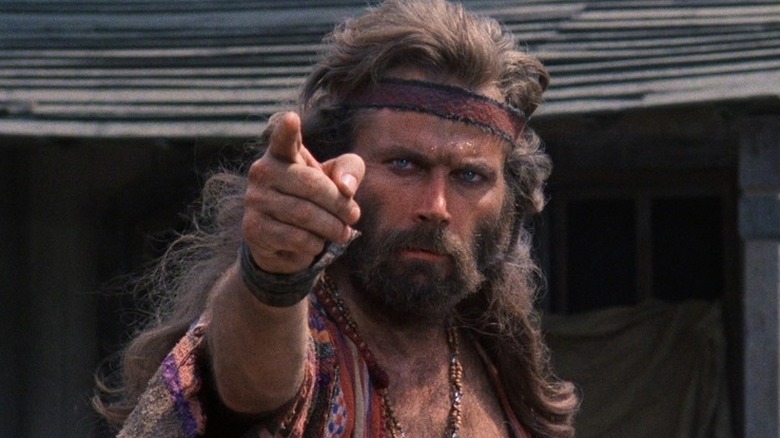
Franco Nero is the star of "Django," the classic '60s spaghetti Western that influenced Quentin Tarantino's "Django Unchained." However, the lesser-known "Keoma" also had the potential to launch a franchise, as it sees Nero play a similarly formidable gunslinger who sticks it to some corrupt bozos.
"Keoma" follows Nero's titular hero returning from the Civil War to find his half-brothers in cahoots with an ex-Confederate soldier and his mercenaries. The town needs to be freed from the clutches of the wrongdoers, so Keoma takes up arms and does what he does best. What's not to love?
"Keoma" might have produced a sequel if it was released 10 years earlier. Spaghetti Westerns were on the way out in the '70s, making Enzo G. Castellari's movie feel like a swansong. That said, Keoma is a drifter who you could see traveling from town to town, getting into trouble, and saving the day. Such characters lend themselves to franchises, so a sequel could have worked.