

The Rings Of Power Season 3 Trailer Foreshadows The Lord Of The Rings In One Specific Way
"The Rings of Power" Season 3 is coming, and the first trailer finally arrived at San Diego Comic-Con. The 98-second clip was shown during a Hall H event packed with exciting reveals about the upcoming season, and hidden amongst them was a quiet yet powerful callback that referenced the end of "The Lord of the Rings." Just before the 30-second mark, the corrupt Dark Wizard (Ciarán Hinds) moodily declares, "Middle-earth will burn." A few seconds later we see the newly revealed Gandalf (Daniel Weyman) say, "Has it not yet occurred to you, death might well be the price of saving it?"
It isn't clear from the context if they're talking to each other, but the way it's presented in the trailer is clearly dripping with deeper meaning. It evokes a couple of specific moments in the distant future of Middle-earth history, too. The obvious one is the death of Gollum at the Cracks of Doom, thousands of years later, at the end of "The Lord of the Rings." But since it's Gandalf speaking, this could also be a reference to the eventual death and resurrection of the Wizard himself at the hands of the Balrog.
Of course, plenty of other sacrificial moments happen between "The Rings of Power" and Frodo's future quest that involve both the One Ring and plenty of death. But make no mistake — the idea that "death might well be the price of saving Middle-earth" isn't in the trailer by accident. The question is, does the reference refer only to distant sacrifices, or are other sacrifices in store for the Second Age inhabitants of Middle-earth?
Death and sacrifice have a recurring role in Tolkien's Middle-earth
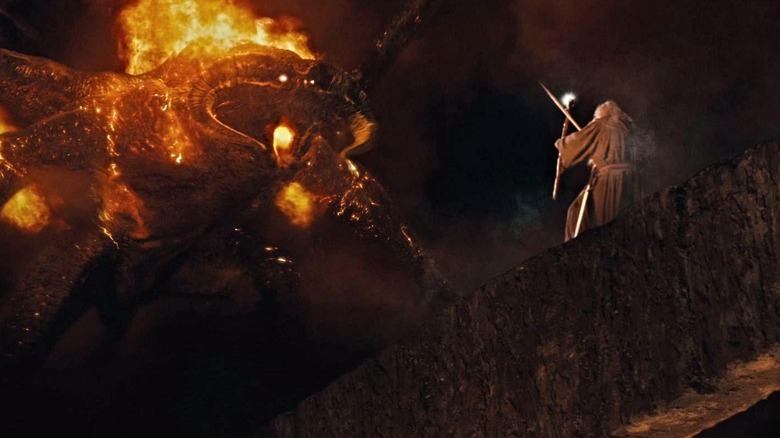
J.R.R. Tolkien regularly worked the concepts of death and sacrifice into his writings. In "The Silmarillion," one of Sauron's werewolves kills Galadriel's brother, Finrod Felagund (played by Will Fletcher in "The Rings of Power"), while he's trying to save the human hero Beren. That same Beren dies along with his beloved Elf-maiden, Lúthien, as a tragic but important part of their romance. The book also contains the tale of the Children of Húrin, Tolkien's darkest, most disturbing story and one that is filled with plenty of death, including that of the tragic hero Túrin Turambar, who falls on his own sword after killing Glaurung, the Father of Dragons. There's also the epic sacrifice of the Elf hero Glorfindel (who could show up in "The Rings of Power"), who saves a group of refugees by dueling a Balrog and then falling with it off a mountainside.
There's plenty more where that came from in the older tales of Middle-earth, and that doesn't even touch the more popular Tolkien stories, which are also full of death and sacrifice. Thorin dies at the end of "The Hobbit" in an important moment of repentance and reconciliation. In "The Lord of the Rings," Gandalf obviously dies and comes back, but there's also Boromir's redemptive sacrifice for Merry and Pippin. Théoden rises from his apathy and lethargy only to die in glory on the fields of the Pelennor. The list really does go on and on.
Tolkien (through Frodo) explains why sacrifice is so important
Tolkien loved working meaningful deaths and moments of sacrifice into his text, and the reason isn't a secret. The author's faith was a well-known part of his creative process. He wrote from a position of hope and resurrection, which gave concepts like death and sacrifice a deeper meaning. In "The Silmarillion," Tolkien literally calls death a gift from the Creator, Ilúvatar, adding, "which as Time wears even the Powers shall envy." He explains that the Dark Lord Morgoth has cast a shadow over death, clouding it with darkness, evil, and fear. But, nevertheless, death, at its core purpose and function, is a positive element of his world.
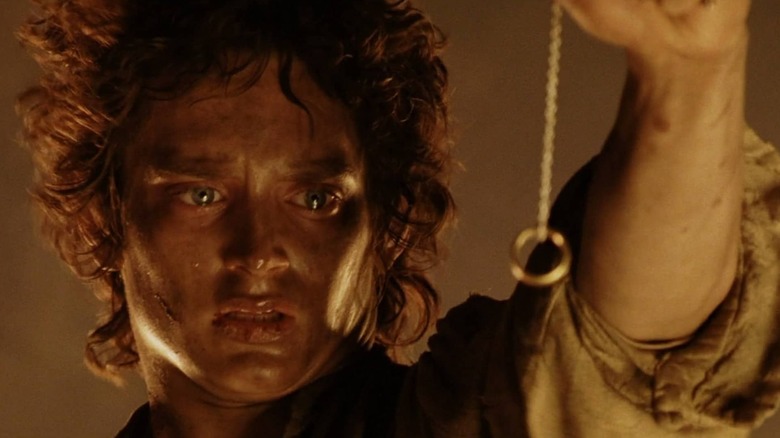
Tolkien also wove sacrifice deeply into many of his tales, and Frodo summarizes the powerful impact of these sacrifices at the end of "The Return of the King." When Sam discovers that Frodo is leaving Middle-earth to heal in the West, he naturally objects. But Frodo, who is scarred and broken from his ordeal with the One Ring, replies: "I have been too deeply hurt, Sam. I tried to save the Shire, and it has been saved, but not for me. It must often be so, Sam, when things are in danger: some one has to give them up, lose them, so that others may keep them."
From beginning to end, Tolkien integrates death and sacrifice into his world. They are recurring narrative elements that drive his stories forward in important ways. It appears the creators of "The Rings of Power" are well aware of that concept and are already working it into their show.
For more exciting announcements and updates, check out Looper's post from Comic-Con 2026 featuring the "Blade Runner 2099" and "The Lord of the Rings: The Rings of Power" panels.