

5 Best Sci-Fi Movies Based On Books, Ranked
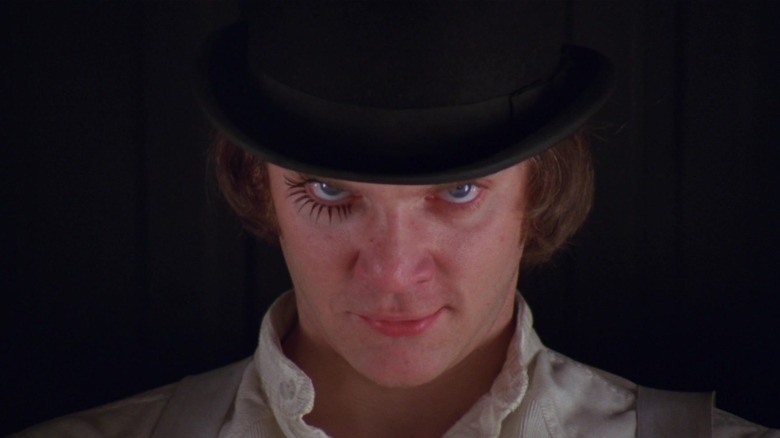
Science fiction literature has been a source of inspiration for filmmakers since the silent era. Today many novels once deemed "unfilmable" have made it to the big screen, and the list of great sci-fi books that could still get movie adaptations seems endless. But what are the best movies based on sci-fi books we've seen so far?
Our top five finds the genre covers a wide range: the best sci-fi adaptations include both an all-ages cartoon and a film originally granted an X rating. Within these visions of possible futures and alternate worlds, you'll find dark comedy, unrelenting action, and arthouse experimentation. And yeah, it's possible we missed your favorite — 5 films isn't nearly enough to cover the full breadth of the genre's highlights.
Note that this list is limited to prose fiction published as complete books, so films adapted from short stories (e.g. "The Fly," "The Day the Earth Stood Still") or from comics/graphic novels (e.g. "Nausicaä of the Valley of the Wind," "V For Vendetta") were not included in these rankings.
5. The Wild Robot
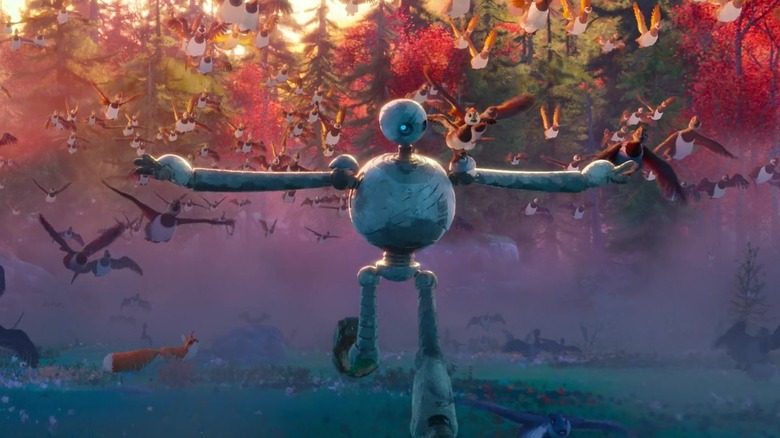
Based on the children's book of the same name by Peter Brown, Chris Sanders' 2024 feature "The Wild Robot" is one of the most beautiful works of computer animation ever made. Forgoing the photorealistic rendering of most big-budget CG films in favor of hand-painted textures, the film's marvelous visuals are matched with exceptional voice acting and a heartfelt story about motherhood. The total package adds up to the cinematic equivalent of a big warm hug.
That warmth is only enhanced by how frank the film is willing to get with its darker aspects. Death is a fact of life for the woodland creatures preying on each other, and the robot Roz (Lupita Nyong'o) is herself accidentally responsible for the death of a goose mother, resulting in her taking responsibility for the hatchling Brightbill (Kit Connor). The film needs no exposition, only images, to present the issue of climate disaster, and the glimpses we get of humanity's future appear downright dystopian. In acknowledging such darkness, "The Wild Robot" is able to build a powerful sense of hope for viewers of all ages.
4. Stalker
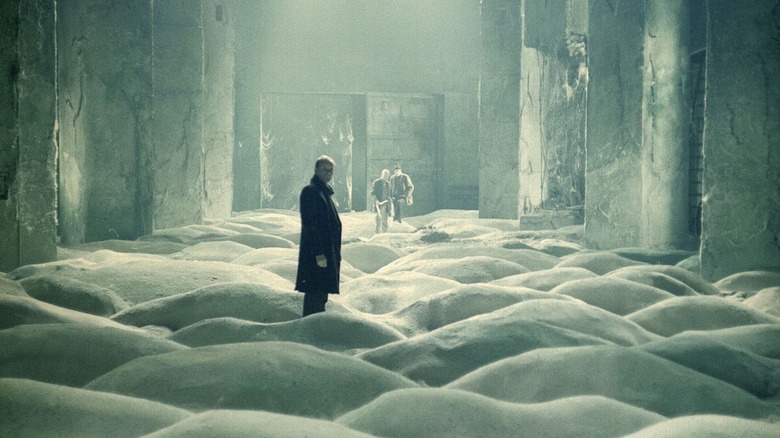
Soviet auteur Andrei Tarkovsky was not a fan of science fiction — which didn't stop him from making two of the most acclaimed sci-fi films of all time. Tarkovsky considered his first foray into the genre, the 1972 adaptation of Stanisław Lem's alien encounter novel "Solaris," an artistic failure for leaning too hard into the sci-fi details (Lem, in contrast, felt the film didn't go far enough on those issues). 1979's "Stalker," loosely based on the novel "Roadside Picnic" by Arkady and Boris Strugatsky (who also wrote the film's screenplay), was Tarkovsky's second sci-fi film, and this time the director felt he finally achieved his goals of transcending the genre.
Both of Tarkovsky's sci-fi adaptations are hypnotically beautiful pieces of poetic cinema and would each have a strong case for placement on this list. However, even if his genre snobbery might have sold "Solaris" short, we ultimately share his assessment that "Stalker" is the more cohesive and ultimately transcendent work of art. If you have the patience for "slow cinema," follow the Stalker (Alexander Kaidanovsky) into The Zone — a mysterious realm holding relics that may reward the deepest desires of one's subconscious — on the biggest screen you can find. You might just feel like you've experienced enlightenment.
3. A Clockwork Orange
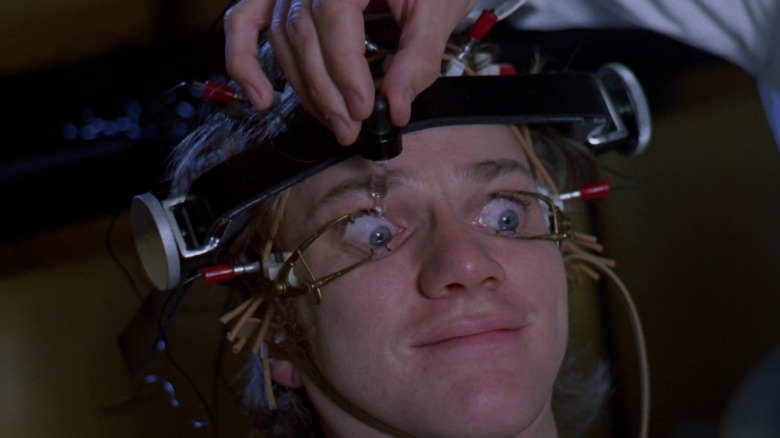
Stanley Kubrick's 1971 film "A Clockwork Orange" remains extremely controversial to this day. It was the first sci-fi film to get a best picture nomination at the Oscars, but it was also banned by its own director in the UK until after his death due to concerns about copycat violence. Anthony Burgess, the author of the original "A Clockwork Orange" novel, hated that the movie didn't include his original redemptive ending in favor of a more ambiguous and cynical conclusion. It's a twisted, nihilistic, upsetting movie, and we can't blame anyone who simply finds it unwatchable.
But however much you either love or hate "A Clockwork Orange," you cannot deny its sheer excellence when it comes to the art of filmmaking. Stanley Kubrick knew how to shape iconic images one could not look away from, no matter how grotesque, and Wendy Carlos' synth remixes of classical music forever changed the workings of film soundtracks. Any viewer in their right mind will be repulsed by the opening crime spree of droog delinquent Alex DeLarge (Malcolm McDowell), yet as we witness his punishment at the hands of an authoritarian society depriving him of free will, we end up feeling for this villain protagonist and confronting huge questions of morality and human nature.
2. Children of Men
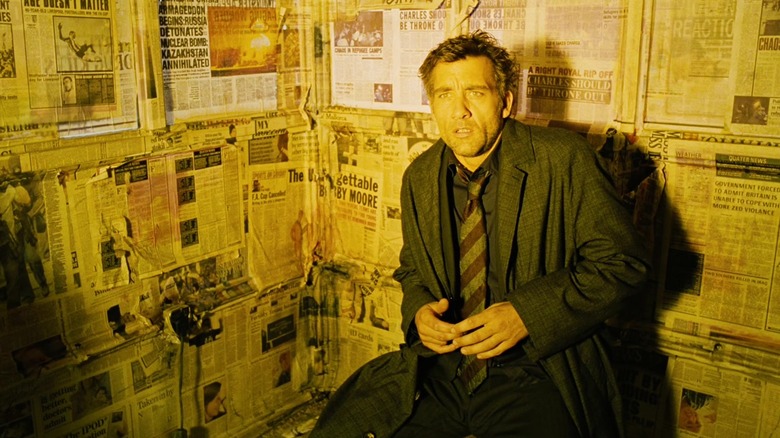
Like "Stalker," "Children of Men" is a very loose adaptation. Director Alfonso Cuaron didn't even read P.D. James' novel "The Children of Men" himself, preferring to use its general premise — the birth of the first child in 18 years during a plague of infertility — as a jumping-off point to explore his own anxieties about the future. The results actually surpass the source material. James' book is good in its own right, to be sure, but Cuaron's film is a masterpiece that some have seriously argued to be the best sci-fi movie of all time.
While its central hook is thankfully not yet reality, other parts of this 2006 release's vision of a dystopian 2027, particularly in how it addresses the refugee crisis, feel more relevant than ever. The production design is at once futuristic and tangibly mundane, telling us everything we need to know about this world, while Emmanuel Lubezki's cinematography sets a new high standard for long-take action scenes. Telling an intimate human story in extraordinary circumstances, "Children of Men" wasn't a popular success in its initial release but its impact is still felt to this day. There wouldn't be "The Last of Us" without "Children of Men."
1. Poor Things
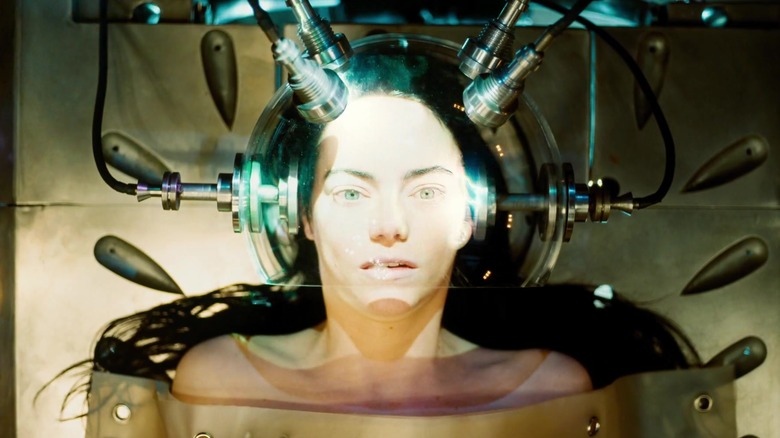
There have been many good movies based on "Frankenstein," the Mary Shelley novel often credited with launching the science fiction genre as a whole. With all due respect to James Whale's classic Frankenstein films, however, the most stunning cinematic exploration of a mad scientist creating life from death is not a direct Shelley adaptation but instead one that went through another literary intermediary, Alasdair Grey's postmodern retelling "Poor Things."
Director Yorgos Lanthimos' 2023 movie adaptation of Grey's book is as gorgeously crafted, intellectually provocative, and captivatingly bizarre as popular sci-fi cinema gets. Lanthimos' dark and disturbing sensibility might not seem like it would produce a crowdpleaser, but "Poor Things" is both his funniest film and the only one to emerge with a joyously happy ending. It won four Academy Awards including best actress for Emma Stone's unforgettable performance as Bella Baxter, a dead woman resurrected with the brain of her unborn child.
The disjoint between the different aspects of Bella's being — she's physically mature and her intellectual abilities expand rapidly, but is experiencing the world beyond the laboratory of her creator (Willem Dafoe) for the first time — makes for exceptional character development and a complex examination of how society sees women. In the words of Taylor Swift, she is both "sexy baby" and "monster on the hill."