

5 Reasons Why Netflix's Avatar: The Last Airbender Flopped
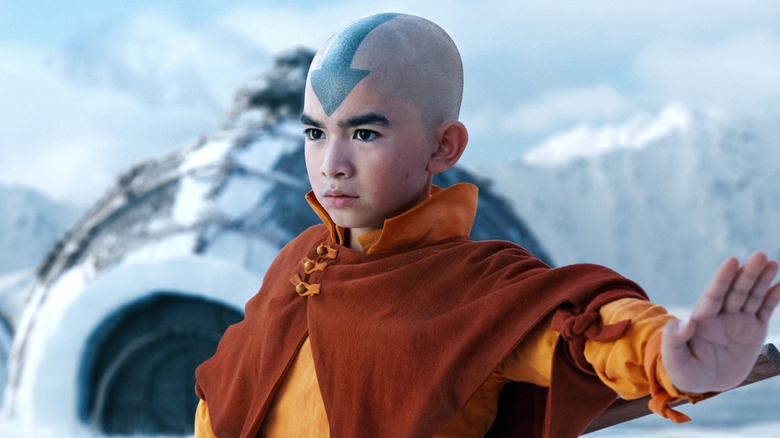
A few days after the second season of "Avatar: The Last Airbender" dropped on Netflix in June 2026, news broke that the program's viewership had crumbled compared to Season 1. An already challenged production was clearly falling flat on its face, while reviews continued to lament how the show was constantly suffering from an identity crisis. While the third and final season is scheduled to hit Netflix sometime in 2027, it's clear that the series isn't taking off like it was supposed to. The original animated "Last Airbender" was a game-changing sensation, but its live-action TV remake is shaping up to become a flop.
One might dismiss this as the inevitable outcome of trying to rehash a program that already worked perfectly fine in its initial animated form. However, there's a lot more going on with this new "Avatar: The Last Airbender" than just its inability to live up to its source material. There are five key reasons why "Avatar: The Last Airbender" has tanked on Netflix, and at least some of them unfortunately stem from prior adaptations of "Avatar" that this program's creative team couldn't control.
Other reasons reflect key artistic problems with "Avatar: The Last Airbender" that always kept it from reaching its fullest potential, while still others relate to what kind of shows flourish most on Netflix. Though clearly most people are tuning out this incarnation of "The Last Airbender," there's lots of fascinating material to unpack regarding why it's gone so haywire.
There is inherent toxicity surrounding live-action Avatar material
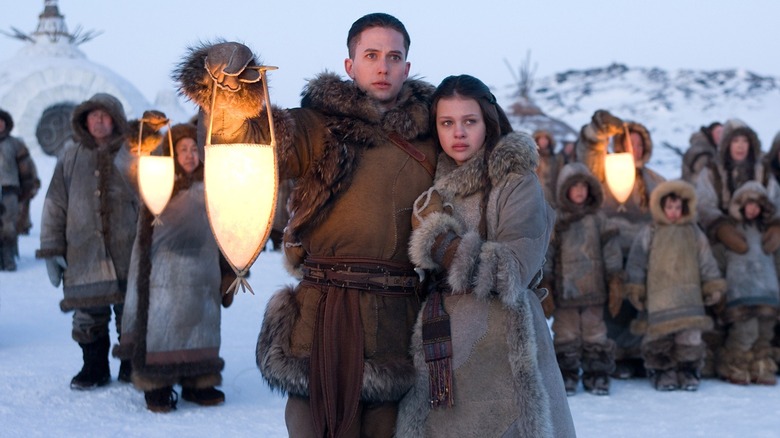
You only get one chance at a first impression, and if you bungle that, it's nearly impossible to come back. Unfortunately for those behind Netflix's "Last Airbender" remake, the very concept of a live-action version had been poisoned in people's minds thanks to M. Night Shyamalan's 2010 feature, "The Last Airbender." This first live-action iteration of Aang and company suffered from no shortage of problems, starting with the whitewashed casting controversy that doomed the movie before it even opened. Even beyond that egregious creative choice, however, "The Last Airbender" was an all-time bad movie for many other reasons.
The dialogue, for one thing, was terrible. The translation of the various element-bending skills into live-action was laughable. All of the various young actors assembled to play these beloved Nickelodeon characters weren't directed well. Things like the "Last Airbender" scene that made no sense to "Avatar" fans only reinforced how this movie worked for nobody. Dubbed one of the worst movies ever just days into its theatrical run, "The Last Airbender" was an anemic exercise that instantly made the idea of taking this franchise out of the animated world toxic.
With "Avatar: The Last Airbender" fans rejecting the last attempt to remake this story into live-action, Netflix's foray into live-action "Airbender" media was always working at a disadvantage. Those dreadful first impressions are impossible to recover from.
The most successful Netflix shows are often original IP
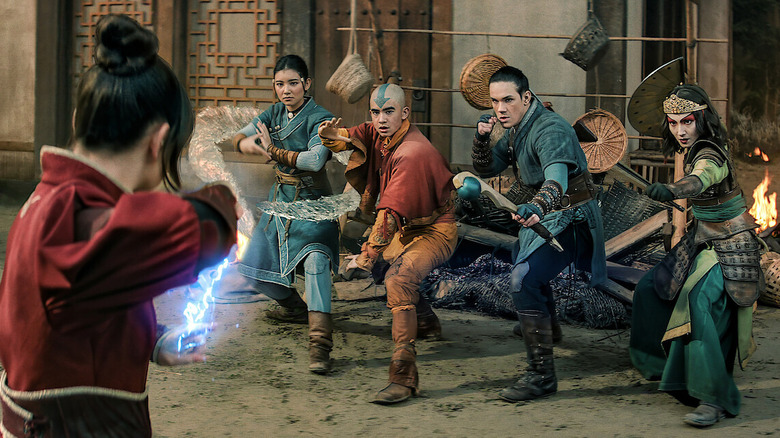
Netflix has spent a pretty penny on its various exclusive TV shows ever since it started launching original programming in 2013, and Netflix's all-time most expensive shows vividly demonstrate just how costly this practice has become. All those dollars, though, haven't been able to counter the reality that Netflix TV shows are often more successful when they're based on an original IP (or at least material that hasn't been adapted into live-action before). With the exception of "Wednesday," the biggest Netflix shows in history are original programs that originated with the streamer, like "Bridgerton," "Stranger Things," or "Squid Game." Attempts to recreate and/or continue past pop culture successes, like "That '90s Show" or "Cowboy Bebop," just don't catch on.
After all, audiences already have "Resident Evil" properties they can watch elsewhere, but "Stranger Things" or "Squid Game" stood out as something unique you couldn't get anywhere else. "Avatar: The Last Airbender" appears to have suffered from this same phenomenon. Given that it was just adapting the familiar and beloved cartoon seasons of "Last Airbender" into live-action, fans could just revisit those pre-existing episodes rather than risk venturing into another live-action "Avatar" mess.
In other words, Netflix's "Last Airbender" wasn't singular enough to stand out in the crowded streaming programming landscape. But if it's any consolation to the folks behind the show, "Last Airbender" is one of several Netflix TV show remakes/continuations that suffered from this problem.
The show couldn't escape its middling reputation
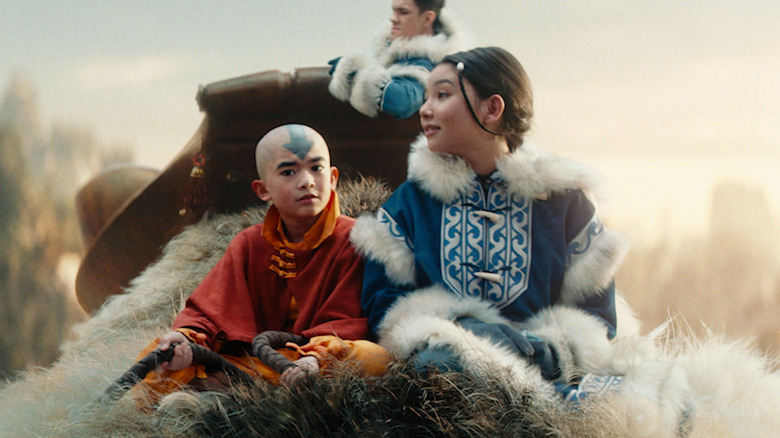
When the live-action "Avatar: The Last Airbender" show began airing in February 2024, its initial critical response wasn't exactly glowing. On the contrary, the generally middling reviews had people claiming that "Avatar: The Last Airbender" was a live-action remake bound to annoy fans and bore newcomers. A hefty Netflix budget and lots of familiar character names weren't enough to get people actually invested in the program. Particular criticism was directed at the dreary atmosphere, a problem that also besieged the 2010 movie. The years and storytelling mediums had changed, but the problems plaguing live-action "Last Airbender" adaptations persisted.
Given that the inaugural season failed to garner much of an independent or passionate fanbase, there just wasn't much buzz or demand for further "Last Airbender" episodes. Inevitably, this show's second season suffered from a mighty drop in viewership. How could it not? "Avatar: The Last Airbender" was built on a pre-existing brand name, but it failed to cultivate either a fanbase or distinctive personality that could guarantee strong viewership. The fact that the general critical reception for Season 2 didn't improve much likely also kept fans from giving this Netflix production another shot.
Given how many TV shows are out there (including accessible reruns of the original "Avatar: The Last Airbender"), you need something special to stand out to people. A middlingly received "Last Airbender" remake that zapped all the fun from this universe wasn't going to inspire viewership enthusiasm.
The second season faced tremendous competition
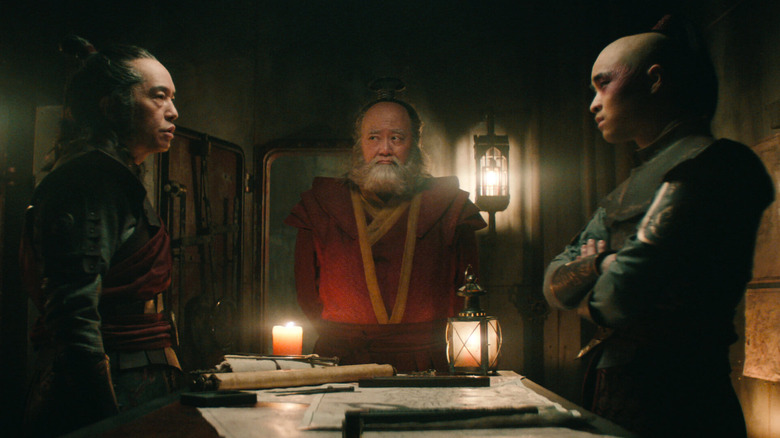
In general, Netflix shows in 2025 and 2026 have struggled to keep viewership momentum up for their second seasons. That means the steep viewership drop for the second season of "Avatar: The Last Airbender" is part of a larger problem with the streaming platform. Still, "The Last Airbender" could have mitigated some of that bleeding if Netflix had chosen a better spot to launch this season. These seven episodes hit Netflix on June 25, 2026, just four days after the third season premiere of "House of the Dragon" aired on HBO. With critics dubbing this season of "House of the Dragon" season a fiery triumph, there was a lot of upbeat buzz surrounding the "Game of Thrones" prequel's return.
Such buzz already overshadowed Season 2 of "Avatar: The Last Airbender." To compound these problems, the fifth and final season of "The Bear" also debuted all eight of its episodes on June 25, 2026. On the surface, neither "House" nor "The Bear" may seem like they're directly targeting the same audience as "Avatar: The Last Airbender." However, given the massive costs of this program, "The Last Airbender" needed to be an all-ages TV event to register as a success. In contrast, its second season premiered just as "The Bear" and "House of the Dragon" dominated all TV conversation.
Thanks to this baffling scheduling, "Avatar: The Last Airbender" inevitably succumbed to Netflix's pervasive problem with creating multi-season hit shows. There was no room for this program's second season in the crowded late June 2026 landscape.
There is growing audience disillusionment with live-action remakes
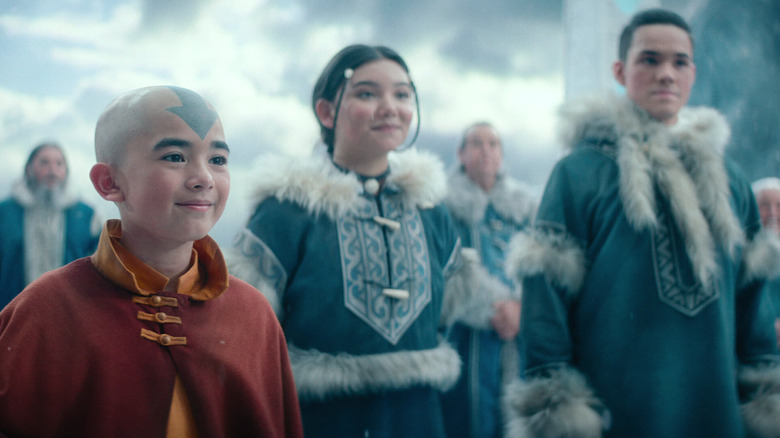
In recent years, some of Disney's biggest box office bombs of all time have belonged to the once financially bulletproof genre of live-action remakes of the studio's classic animated fare. "Mufasa: The Lion King" and 2025's "Lilo and Stitch" showed these titles could still make major cash, but recent titles like "Cruella" and "Snow White" failed to make a dent with audiences. Meanwhile, advanced ticket sales and tracking for the live-action take on "Moana" haven't been extraordinary. Unsurprisingly, the Mouse House has begun shelving some planned live-action remakes, including new takes on "The Hunchback of Notre Dame" and "The Aristocats."
This suggests that audiences have begun to grow a bit weary of the cavalcade of live-action remakes of beloved animated properties. With animated storytelling of all stripes ruling over the box office and streaming landscape, these live-action retreads of familiar stories feel extra redundant. People are more interested in fresh animated tales like "Hoppers" or "KPop Demon Hunters," not live-action retellings of recognizable yarns (albeit now with less color and personality). Netflix's "Avatar: The Last Airbender" seems to have gotten caught up in this shifting cultural status quo.
What could have been a big hit in 2018 or 2019 is now out of step with current audience demands. 2025's box office hits like "Lilo and Stitch" and "How to Train Your Dragon" suggest there's still some place for these stories, but "The Last Airbender" going up in flames also reflects the perilous reality these productions must now contend with.