

Here's The Only Great Thing About Every Star Wars Release That Everybody Agrees On
In case you hadn't noticed, discussions about Star Wars matters online can quickly become toxic and overwhelmingly nasty. Some of the franchise's most passionate devotees often spiral into treatises about how Star Wars hasn't been good for decades, or which movies are the nadir of cinema. At times, it can feel like discussing this saga is a losing game and that nothing could unite this often warring fanbase.
One element of Star Wars, though, has secured constant praise from geeks of all stripes for decades now. It's an aspect of the franchise that owes its existence to the man Steven Spielberg has said is his great collaborator. The orchestral scores littering the Star Wars saga, many of which were composed by the legendary John Williams, are glorious creations that stir the soul. Best of all, this is one Star Wars detail that's endured in artistry well into the Disney era of Star Wars media. Even given everything wrong with the divisive "Star Wars: The Mandalorian And Grogu," Ludwig Göransson's original score for the project is extraordinary.
Given how the Star Wars fanbase is always mired in conflict, it's a perfect time to appreciate one aspect of this franchise that everyone agrees is consistently excellent: the scores.
John Williams' original scores rock
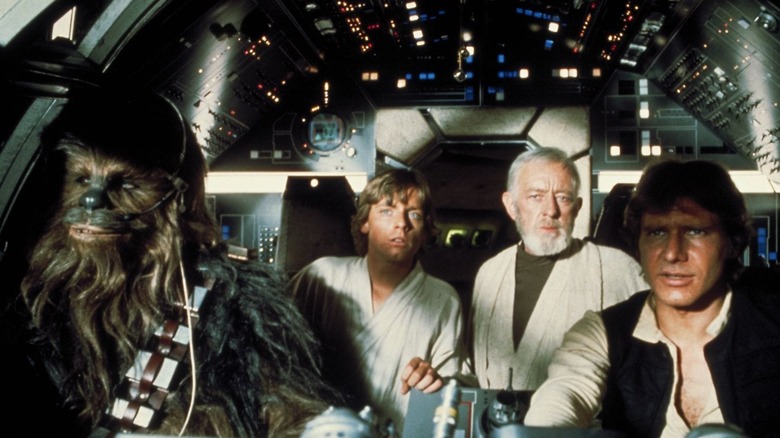
John Williams was still relatively new to the film score game by 1977, though he already had the scores for "Jaws" and "The Towering Inferno" under his belt at this juncture in his career. Williams, however, commanded artistry worthy of a master with his score for "Star Wars: Episode IV — A New Hope" in 1977. Right from the starting title crawl, with that opening theme that blasts audiences into something exciting, Williams established that the Star Wars franchise housed grandiose orchestral melodies. In this universe, the score was meant to be as sweeping and outsized as the cosmic spectacle on-screen.
That approach would ensure that the Original Trilogy scores were some of the best scores ever put on film. Naturally, when it came for the Prequel Trilogy, director George Lucas brought back Williams to create new orchestral pieces for these productions. Even in more divisive titles like "Star Wars: Episode II — Attack of the Clones," Williams never phoned in his compositions. "Star Wars: Episode I — The Phantom Menace," for instance, featured a Star Wars moment that stunned audiences in its climactic duel between Darth Maul (Ray Park) and the two Jedi warriors Obi-Wan Kenobi (Ewan McGregor) and Qui-Gon Jinn (Liam Neeson). Its impact heavily leaned on the sequence being set to the Williams track "Duel of the Fates."
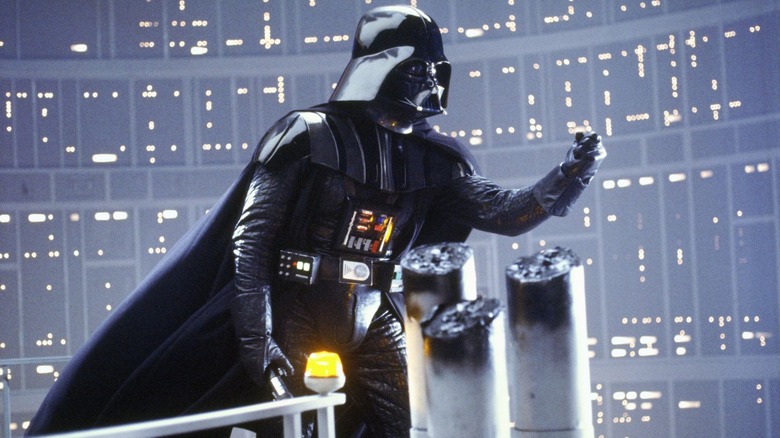
The original six Star Wars movies were heavily defined by these majestic and rich in personality compositions from Williams. Not only do these various leitmotifs (like "The Imperial March") remain popular today, but they set a high bar for any future music in the Star Wars franchise.
The new Star Wars movie scores have kept the legacy alive
One of the best things Disney has done with Star Wars is making sure that the original scores remain glorious. That track record is somewhat unsurprising given that the master returned for some of these projects. John Williams' compositions for the Sequel Trilogy were remarkable creations. "Rey's Theme," for instance, was an instantly iconic track that wisely utilized flutes (a previously rare instrument on Star Wars soundtracks) to differentiate this character from past Star Wars heroes. Even "Star Wars: The Rise of Skywalker" featured a largely solid orchestral soundtrack. However, live-action Star Wars media expanding beyond Williams for original scores has proven surprisingly fruitful.
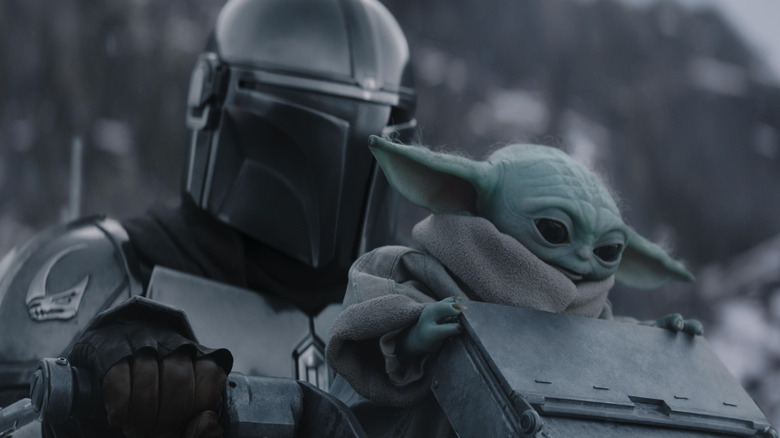
Ludwig Göransson's various "Mandalorian" compositions, for instance, have been terrifically realized and sound distinctly different from past Star Wars scores. The craftsmanship of classic Williams scores is maintained, but the atmospheres and aesthetics belong to this specific corner of the franchise. Meanwhile, John Powell (aided by a theme track composed by Williams) delivered rousing compositions for "Solo: A Star Wars Story." On the TV side of things, "Andor" had an extraordinary score courtesy of Nicholas Britell and Brandon Roberts. The series finale track "Past/Present/Future" alone can stand toe-to-toe with the likes of "Duel of the Fates" and "The Force Theme" as one of the best Star Wars compositions ever.
Mileage may vary on which Star Wars projects are your favorite. However, Star Wars scores are always outstanding, even when they aren't conceived by John Williams.