

5 Best Spy Movies Nobody Talks About Anymore
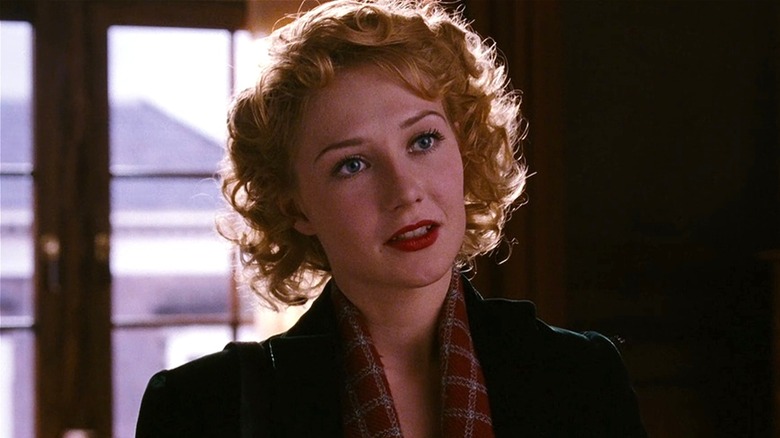
There are certain faces you think of immediately when you hear the phrase "spy movie": all seven of the James Bond actors, perhaps, or a more grounded undercover agent like Jason Bourne. You probably don't consider any of the spies in the following five movies we're going to unpack here, but you probably should — each of the movies we've selected for this list deserves more credit for being a bolder, more subversive take on what we expect from a glamorous, action-packed genre.
We should note that this isn't a list of the best spy movies of all time — although one is the highest rated of them all on Letterboxd — but five movies which deserve to be in that conversation, yet never seem to get a seat at the table. These are all movies that have a devoted following either with critics or cinephiles, and only appear underrated when we're talking about the genre as a whole; there's very little chance any of these are the first movies you think of when asked to name an espionage thriller, even if you've seen and loved them. It's time to change that: Nobody talks about these movies now, but they deserve all the love they can get from spy thriller fans.
Army of Shadows
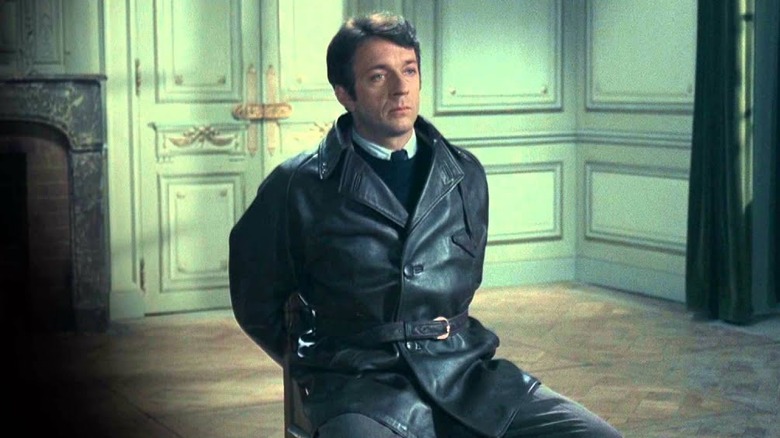
The highest-rated spy movie on Letterboxd — and very narrowly missing the top 100 highest rated films on the site overall, at the time of writing — "Army of Shadows" has the seal of approval from cinephiles, yet rarely enters a wider cultural conversation about the best espionage movies. This might be because French critics absolutely despised it upon its release in 1969, and that it took until 2006 to even get an American release. It wound up in a lot of film critics' top 10s at the end of that year and was hailed as a masterpiece, but convincing readers that a movie from generations earlier was one of the year's best was naturally too hard a sell.
Jean-Pierre Melville's film is an exquisite fact-driven thriller, adapted directly from journalist Joseph Kessel's book of the same name and detailing his experiences as a member of the French Resistance during the Nazi occupation. It's not a patriotic war movie about defeating fascism from the sidelines, but about the need to survive against a brutal dictatorship, bluntly depicting the struggles of various resistance members as they try to move from safe house to safe house in an unforgiving landscape. The spy elements come from their attempts to get revenge on their informants, who give up their names to survive. Melville — whose film prior to this, "Le Samouraï," was a stylish, romanticized hitman thriller and the antithesis to this — refuses even the slightest hint of catharsis in depicting what they all assume will eventually become a suicide mission.
Black Book
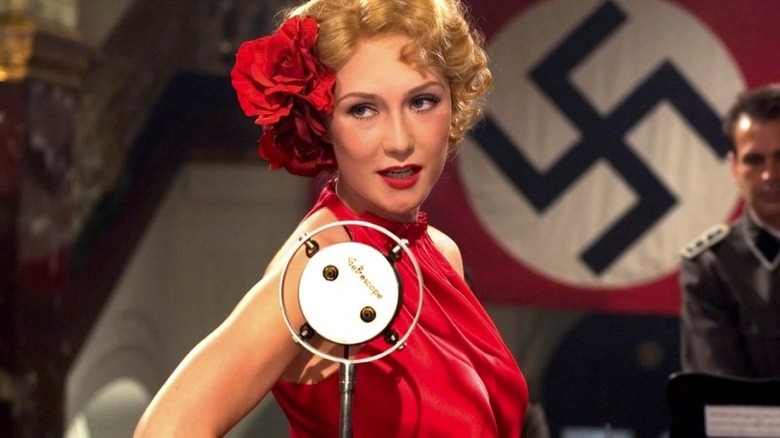
"Black Book" marks director Paul Verhoeven's return to his home country of the Netherlands after two decades making Hollywood fare including "RoboCop," "Total Recall" and "Starship Troopers." Set in 1944, "Black Book" follows Rachel Stein (Carice van Houten), a Jewish singer hiding out in the occupied Netherlands who gets taken in by the resistance movement after the Nazis intercept the rest of her group on the way to the liberated south. When high-ranking members of the group are captured, she's tasked with pretending to be a non-Jew in order to ingratiate herself with the local Nazi party and get intel from inside their headquarters in The Hague.
"Black Book" has all the timeless qualities of an Old Hollywood melodrama — there's a reason it was voted the best Dutch movie ever made just two years after its 2006 release — but with the distinctive sordidness that you'd expect from the man who previously gave us "Basic Instinct" and "Showgirls." This means that Rachel's undercover mission naturally begins with her bleaching her pubic hair before she gets into bed with the Nazi high command, and there's a scene with a gun hidden under a bedsheet, designed to stick upright like something else, that Francis Ford Coppola lifted for his own "Megalopolis." In other words, it's exactly the mix of silliness and prestige you'd want from a Verhoeven spy movie, and it's mightily entertaining.
The Ipcress File
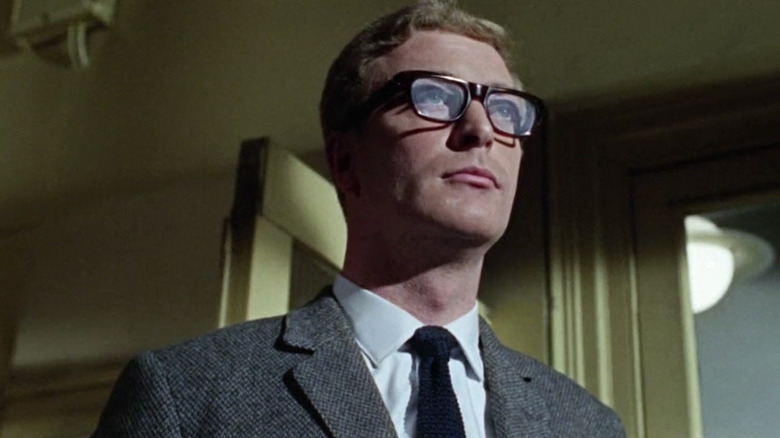
Just a few years after Sean Connery's James Bond first appeared onscreen and made the spy game look irresistibly cool, his polar opposite debuted in a surprisingly enduring British spy franchise. This was the antihero Harry Palmer (Michael Caine), first introduced in 1965's "The Ipcress File" as a disgraced former army sergeant tasked with looking into the mysterious disappearances of several scientists. More than a downbeat take on 007, this first Harry Palmer adaptation felt like a British equivalent to the wave of early 1960s political thrillers which had a touch of science fiction to them; closer to a British "Manchurian Candidate" than a less over-the-top "Goldfinger."
Despite featuring a key breakout role from the early years of Caine's career, it doesn't get recognized too much as one of his definitive movies, even in his home country (it's always ranked among his best and most memorable for us). This kitchen sink take on the spy movie should be considered a contemporary of the various John le Carre adaptations — the source novel was published a year before the latter's breakthrough "The Spy Who Came In From The Cold" — in how it deglamorized the genre, proving there was an audience for grittier, less heroic stories about life in the shadows.
Unfortunately, its biggest lasting cultural legacy could be that the look of Mike Myers' Austin Powers was inspired by Caine's Harry Palmer. But anybody expecting campy hijinks based on that description will be sorely disappointed.
Lust, Caution
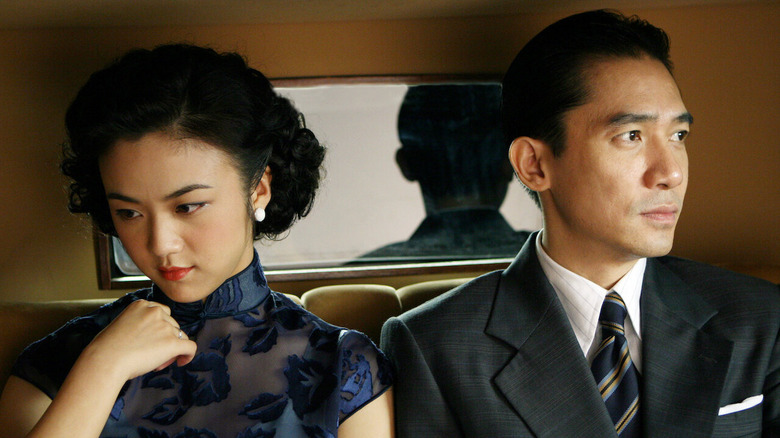
What do you do after you win your first Oscar for best director, and for a gay cowboy love story no less? For Ang Lee, the answer was simple: you make a sexually explicit World War II story about a reluctant Chinese undercover agent (Tang Wei) and her blossoming relationship with an agent of the occupying Japanese government (Tony Leung Chiu-wai) she's helping to assassinate.
Anybody who thinks that it's impossible for sex scenes to advance the plot of a movie should be required to watch 2007's "Lust, Caution," which uses its sensuality to try and break down the barriers between two characters hiding grave secrets from each other. It's a controversial approach to storytelling, but one that paid off; it earned $67 million and became the highest grossing NC-17 movie of all time.
With Lee having directed many movies considered masterpieces, "Lust, Caution" rarely gets mentioned as one of the best and boldest works in a filmography that also includes "Crouching Tiger, Hidden Dragon," "Brokeback Mountain," and "Sense and Sensibility." It's also frequently overlooked on lists of the best spy movies, which is a shame, because its sexually frank approach explores and deconstructs one of the most recurring tropes in the genre. We see suave super-spies like James Bond use sex to get answers all the time — it's rare for a movie to explore the emotional fallout from a sexual relationship built on lies, especially against a historical backdrop as rich as this one.
Munich
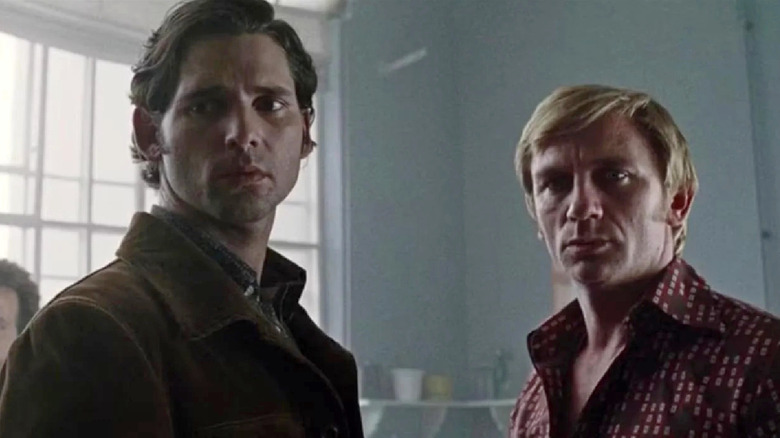
It received best picture and best director nominations back in early 2006, but you could still probably claim "Munich" as the most underappreciated movie in Spielberg's filmography. Dealing with the fallout of the September 5 terror attacks at the 1972 Munich Olympics, the movie is a dramatization of the off-the-books Mossad agents hired to assassinate each name on the list of terror suspects. It's charged subject matter, especially considering the ongoing horrors in the Israel-Palestine conflict, but screenwriter Tony Kushner — in his first of several collaborations with Spielberg — is keenly aware of this, and can't be accused of making a spy drama that valorizes its core troupe of agents in any way.
As with "War of the Worlds," released earlier in 2005, "Munich" is one of Spielberg's attempts to grapple with the fallout of 9/11. In the sci-fi blockbuster, that was through paranoid allegory, but this historical epic is far more challenging, drawing parallels between this never-ending revenge mission and the ongoing War on Terror, showing the doom spiral that inevitably happens as a result of acting in the name of vengeance rather than justice. If this parallel wasn't subtle enough, the final confrontation happens directly in the eyeline of the World Trade Center.
It was a tough pill for many to swallow, and remains one of Spielberg's lowest-grossing movies, but "Munich" deserves a lot more credit for the moral complexity it brings into the spy genre.