

10 Hit Sci-Fi Shows That Are Unwatchable Today
There are plenty of amazing science fiction series coming out in the 21st century. Shows like "Stranger Things" and "Severance" have given fans of the genre intriguing new projects, taking sci-fi in a new direction and showing that you don't need a spaceship, or to even leave Earth, for aliens to find you. Even long-running franchises like "Star Trek" and "Doctor Who" continue to produce new content, which encourages new audiences to dive into their back catalogues and, in turn, find other hit science fiction series from decades before.
However, not all of these series were made with equal care. There are quite a few that are unwatchable today for a variety of reasons. For the most part, many older sci-fi projects have aged like fine wine with their content continuing to be topical today, but the ones that made this list haven't. Whether it's because of their themes, special effects, or simply because they are clear products of their time that don't translate well with newer audiences, they're difficult to watch now, even if they were beloved during their initial release.
Andromeda
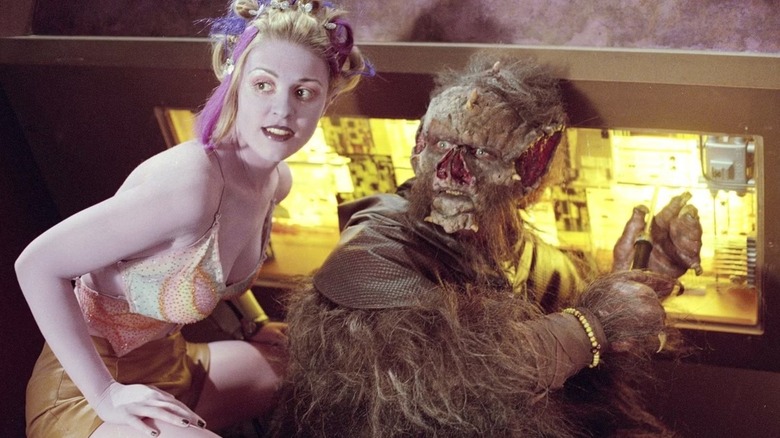
"Andromeda" follows the crew of the Andromeda Ascendant, a starship led by Captain Dylan Hunt (Kevin Sorbo). The first season follows them as they move through the galaxy as part of the Commonwealth, a group of six societies who have signed a peace treaty. This is interrupted when a group known as the Nietzscheans try to take over the Commonwealth because their planet was given to a race of parasitic aliens known as the Magog, the antagonists to the Commonwealth.
Science fiction fans love the series, highlighting how strong the writing is in the early seasons. In particular, audiences found themselves connecting with the characters. Steve B on Rotten Tomatoes calls the show "a great space opera with great characters you get attached to." However, in the two decades since "Andromeda" aired, the steep decline in the writing after its first two seasons has caused the series to be unwatchable. At the time, fans continued watching, likely hoping that the quality they had become accustomed to would return, but a key change in the creative team is responsible for the shift.
Original executive producer Robert Hewitt Wolfe was removed from the creative team because the network wanted the series to be more episodic. This occurred while filming was already underway for Season 2. Robert Engels became the new showrunner, and "Andromeda" moved from having over-arching stories to adopting an episodic format. This change up makes it difficult to watch the series now, since the writing and development that initially engaged the audience disappears halfway through.
Babylon 5
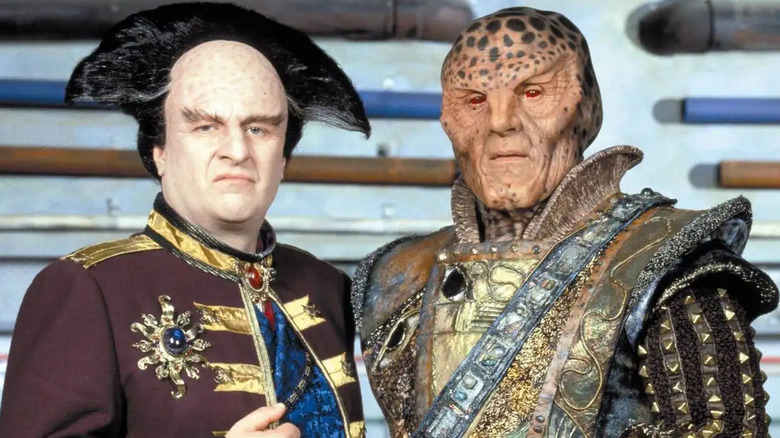
A space station is home to both aliens and humans in "Babylon 5." The series is set after a war, and the station is a place of neutrality between the Earth Alliance (the human colonies across the solar system) and the Minbari (a technologically advanced alien race). Despite their peace, other alien races and political unrest continue to test the relationship between the Earth Alliance and Minbari.
Reddit user GrexSteele calls it "one of the best multiseason shows," with a "continuing story arc." "Babylon 5" creates a tight story that was designed to be told over five seasons. However, this fell apart in Season 4 when it looked like it would be cancelled due to their network, PTEN, closing in 1997. To ensure everything the creative team planned would still happen, they overloaded the fourth season. Then, they were picked up for a Season 5 on TNT, and it meant they had little left to cover. It makes watching the show now difficult because the final season feels like filler and ruins the build up of the previous ones.
The special effects of "Babylon 5" also make it unwatchable today. When the series was released in the '90s, it was on the forefront of technology, but it wasn't considered as visually impactful as "Star Trek." In the decades since, the special effects only continue to look worse. When combined with a poor last season, it makes "Babylon 5" unwatchable.
Life on Mars
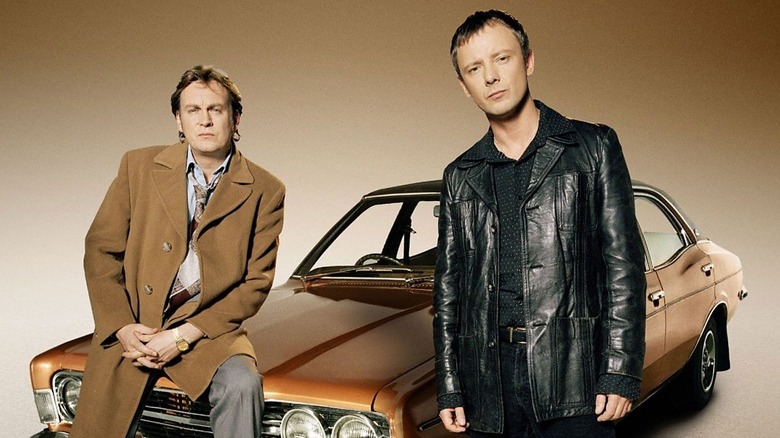
"Life on Mars" is part procedural, part science fiction, as it follows a main character that ends up thrust back in time after a car accident. Sam Tyler (John Simm) starts off in 2006, but is later thrown into 1973. He has a job and life in the '70s while it's unknown what's happening to him in his actual timeline. Not only is he solving cases for work, but he's also trying to understand what happened to him and how to move forward.
While it was remade into an American series in 2008, the original British version boasts a 100% from critics on Rotten Tomatoes. It's obviously well-regarded, but the show hasn't aged well due to the plot ultimately featuring a crooked cop in the form of Sam's boss. Gene Hunt (Philip Glenister) embodies everything audiences have come to dislike in police procedurals, leaning into racist views and regularly showing his corruption.
In a time where projects like "Brooklyn Nine-Nine" and "Blue Bloods" are being called "copaganda," "Life on Mars" would fall into that category, despite the story actually being about Sam investigating how he ended up in 1973. It's an underlying thread that's hard to ignore, and makes the show impossible to watch now.
Logan's Run
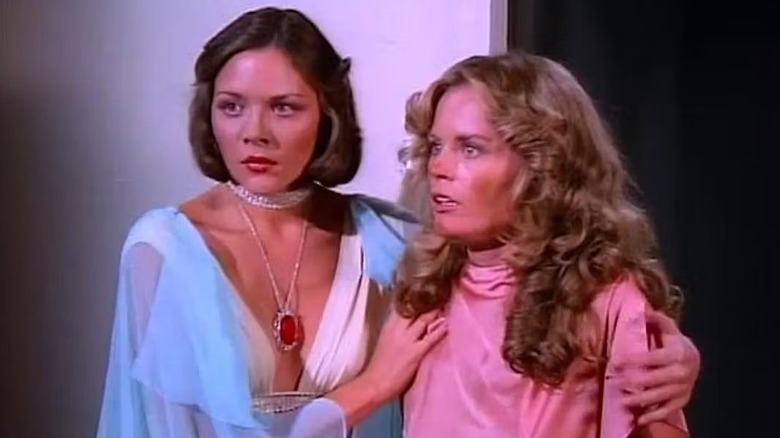
Based on the movie of the same name, "Logan's Run" features Gregory Harrison as Logan 5 and Heather Menzies as Jessica 6 as they look for the Sanctuary so they aren't killed when they turn 30. The series does diverge from the film as the two travel in a spaceship called the SolarCraft, on the run while looking through a post-apocalyptic America for their end goal.
As the premise for a movie, it works. However, despite a built-in fan base from the film and relatively strong IMDb scores for each episode, "Logan's Run" ended after only one season. Now, trying to rewatch the show is impossible because the episodic format makes it feel repetitive in a bad way. "They get chased, they get caught or close to caught, they escape. Rinse & repeat," Reddit user gchance1 writes. Is it fun to watch Logan and Jessica on their adventures? Sure, but every episode bleeds into each other, feeling the same in a way that makes it boring and hard to watch, especially because it doesn't stick to the dystopian themes initially presented.
In addition to the story format not holding up, the special effects don't either. While there was an effort to have similar effects to the movie, a television series has a different budget than a film, making it difficult to rise to the same level.
Lost in Space
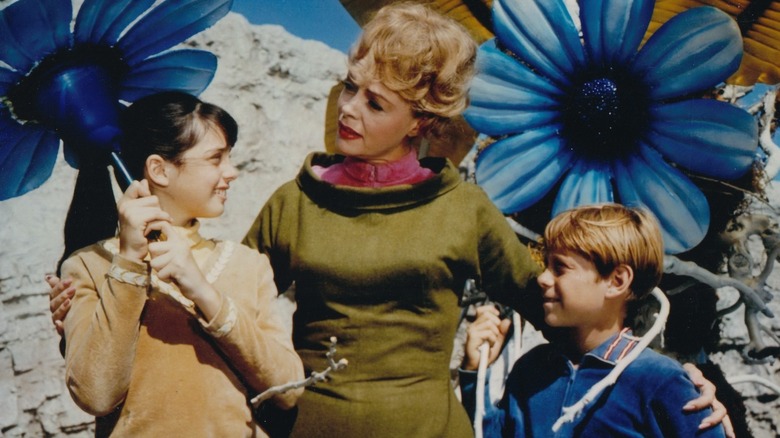
"Lost in Space" is a family science fiction series following the Robinsons from the 1960s. Set in the then-future of 1997, humans have moved into space due to overpopulation, and the Robinsons are on a spaceship meant to take them to another planet. It's a trip that will take over 5 years, and things go wrong from the start, including crashing into an alien civilization.
"Lost in Space" takes on more of a humorous tone compared to the drama often associated with the genre, but that humor is what's caused it to age poorly, since it leans more into a children's show now. Some fans are also recognizing that one of the characters comes off creepy after a rewatch. Dr. Zachary Smith and his behavior around one of the children now rubs audiences the wrong way. "Creepy touchy coward doctor, you take my impressionable son and look over there," Reddit user dullgreybathmat describes in their interpretation of the character.
At the time, the special effects of "Lost in Space" could be described as "cheesy," but now they just don't look good. When combined with the lackluster humor and the now concerning characterization of the doctor, it causes the show to be campy in an unwatchable way.
Primeval
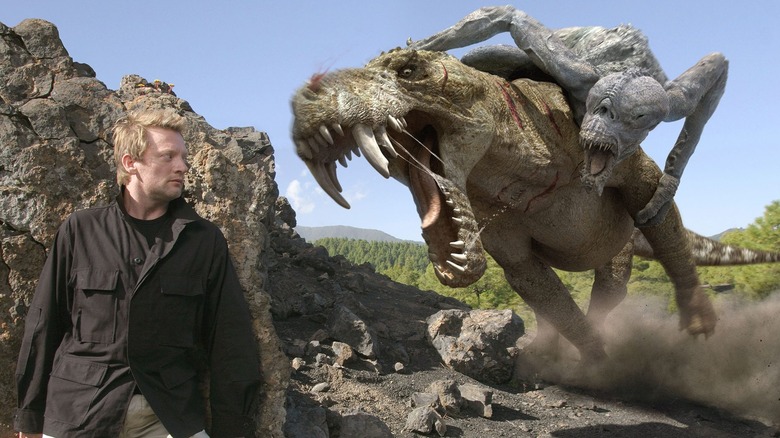
What happens when prehistoric creatures start appearing in the present thanks to anomalies with time? Scientists try to figure that out in "Primeval." Rather than taking place in space, the British series is set in England and involves time travel. Professor Nick Cutter (Douglas Henshall) teaches palaeozoology and is part of the team of scientists that realize something is amiss, helping curb the impact of dinosaurs in the present day.
The combination of time travel and dinosaurs makes for an interesting and different science fiction series, especially since it doesn't just feature the dinosaurs that appeared in "Jurassic Park." New prehistoric creatures were always popping up, forcing Professor Cutter and his team to figure out what to do. However, that all changed in the third season when Cutter was killed off, and that single change makes the show unwatchable today. It firmly changed the direction of the series for the worse, with Reddit user Boring-Pea993 writing that there was "nothing in place to really keep the show going [without] them."
In addition to the change in the writing quality, the special effects, namely the dinosaurs, in "Primeval" have not aged well. When compared to recent dinosaur media, they don't always fit into the present-day world well, with them looking more like something from a game.
Space: 1999
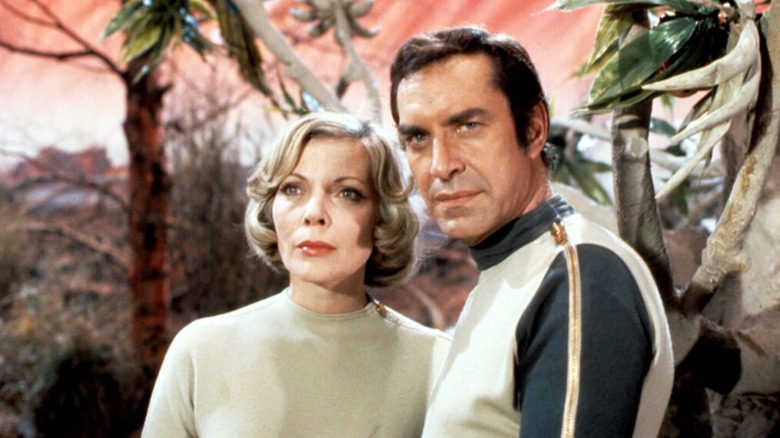
The moon is now flying through the galaxy thanks to an explosion in "Space: 1999." That isn't what's supposed to be happening, but the nuclear waste being stored on the far side of the satellite explodes, causing the moon to dislodge from its orbit. There's a human base on the surface, meaning now that the moon is effectively a ship hurtling through uncharted regions.
It's an intriguing concept, doing something new with the "lost in space" trope with a strong first season. However, this falls apart in the second season. Fans of the series acknowledge that, while they can forgive the wild premise initially, it was more difficult to overlook with the poor writing of Season 2. "The second season became the poor man's 'Star Trek,'" Reddit user NetMassimo commented.
Now, trying to rewatch "Space: 1999" is impossible, even though it's one of the best cult classic science fiction shows. You can't overlook the poor direction the plot takes in the second season, and using the moon as a vehicle crosses the line from corny to silly in a cringeworthy way. Unfortunately, better options have since come out, and it leaves this one feeling incredibly representative of its time in a way that isn't enjoyable to watch.
Stargate SG-1
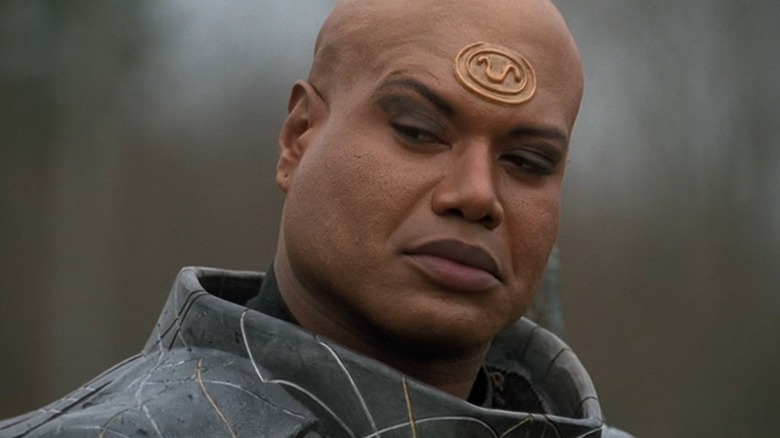
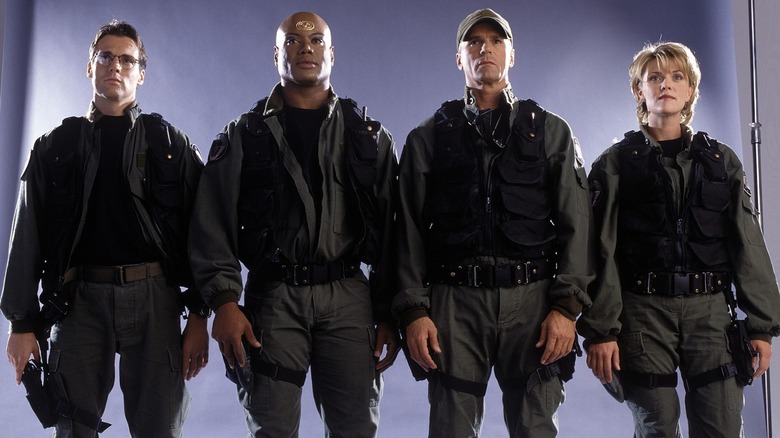
"Stargate SG-1", based on the 1994 film, follows an Earth-based military force that travels to different planets throughout the galaxy. How is this possible? They use a special alien portal called a Stargate. The military is looking for technology and trying to protect Earth from potential invaders. Several different alien foes come up over time, and there's a constant threat from the Goa'uld Empire alien species, no matter how many times the military kills their leader.
With over 200 episodes, "Stargate SG-1" should be an ideal science fiction series to binge today, especially when so few shows get more than 40 episodes across a few seasons. However, as a military sci-fi project, it's rooted heavily in a premise that is very Western-centric, leaning into the white savior trope as the teams go to different planets and show the residents the human way of life. "Overall, very poor representation by modern standards and some very unfortunately aged tropes," Reddit user seafood1471 wrote. It's something that doesn't work well today, and makes the series difficult to watch.
The special effects have also aged poorly, and the combination of outdated storylines and effects make it unwatchable. "I'd love to see them do a 4K release and try to clean up the VFX," Reddit user gogoggansgo posted.
The Tomorrow People (1973)
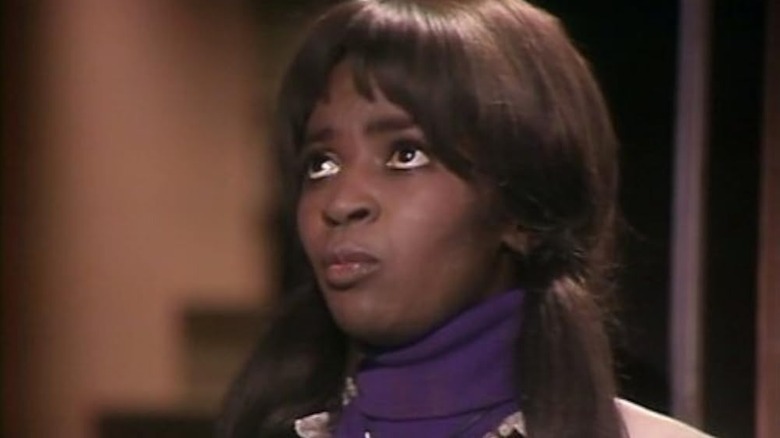
"The Tomorrow People" is about a group of teens who are considered advanced humans because they have special powers in their fight to protect Earth. The British series is geared at children, showing the teens learning about others with similar powers and fighting against various aliens, including ones who have hidden themselves in plain sight.
As a children's show, it's very representative of the time. Fans recognize that, while it was fun to watch then, it isn't now. "It was great when we were kids. Try watching it again now, though, and you'll see that time hasn't been kind to it," Reddit user captainzigzag wrote. In particular, many find the storylines themselves haven't aged well, with some considering them corny in a bad way. Reddit user Jakey0_0-9191 calls the show "cheesier than a massive block of gorgonzola!"
There are also considerations for how "The Tomorrow People" treats its female characters. They are often in more passive roles in the series compared to their male counterparts, which is disappointing and would make it a hard watch for children and teens today.
Torchwood
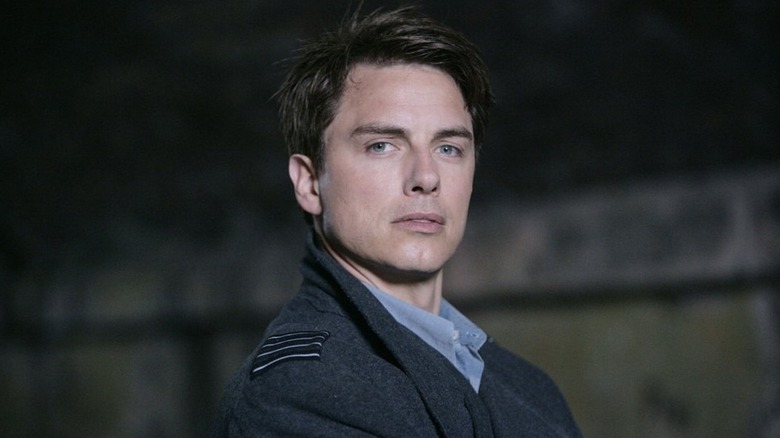
A "Doctor Who" spin-off, "Torchwood" follows the Torchwood Institute, an organization of alien hunters, and the cases they investigate. Their purpose is to keep the planet safe from alien threats, who are appearing thanks to a time rift. Over time, the hunters go from working for the organization to instead being fugitives, which changes how they do their job a bit.
John Barrowman stars as Jack Harkness, one of the characters that appears in both "Torchwood" and "Doctor Who," serving as a companion in the latter. In the spin-off, he helps fight aliens using the skills he gained as a companion. However, off-screen allegations against Barrowman have made the series unwatchable because of how it taints the story.
In 2014, one of his "Torchwood" co-stars alleged during a panel at an event that Barrowman regularly exposed himself on the set of the show. This statement was then confirmed by Barrowman himself in an interview with Doctor Who Magazine as reported by Grazia. Barrowman also exposed himself during a live BBC 1 Radio broadcast in 2008. Though the camera was covered up so the audience did not see, the network did issue an apology to audiences. Barrowman himself apologized for the incident at the time, and later made a statement in 2021 reinforcing that apology in connection to actions on the "Torchwood" set.
If you or anyone you know has been a victim of sexual assault, help is available. Visit the Rape, Abuse & Incest National Network website or contact RAINN's National Helpline at 1-800-656-HOPE (4673).