

5 Classic '60s Sci-Fi Movies That Still Look Good Today
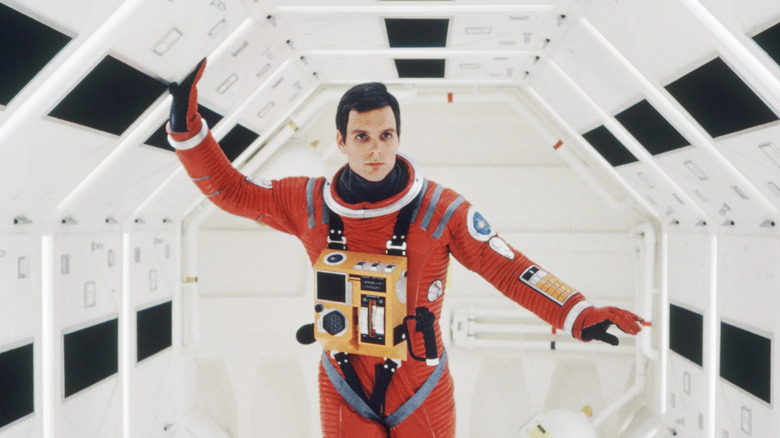
When you think of classic sci-fi, chances are your mind goes to the kitschy monster movies or campy intergalactic B-pictures which were endlessly churned out in Hollywood and beyond in the 1950s and 1960s. Many of those may still hold up as entertaining romps, but they all look like products of their era -– and in a genre all about looking forward, there's no more fatal sin than for a sci-fi movie than aging poorly.
The 1960s were a turning point for how filmmakers approached science fiction, with Hollywood studios increasingly less reluctant to fund movies which tackled the ambitious themes prevalent in sci-fi literature, and a growing number of directors internationally finding unique ways to tell expansive stories with small budgets. Rather than feeling like products of a bygone age, the following five films all have timeless qualities; and even though four were shot in striking black-and-white, their provocative ideas remain singularly unshakable today.
Many of these titles were written off by critics and audiences when they premiered, but have since aged like fine wine. Today, they are viewed by many as some of the best sci-fi movies of all time, with an enduring influence seen in new generations of filmmakers to this day.
2001: A Space Odyssey
- Cast: Keir Dullea, Gary Lockwood, William Sylvester
- Director: Stanley Kubrick
- Runtime: 149 Minutes
- Rating: G
- Where to Stream: HBO Max
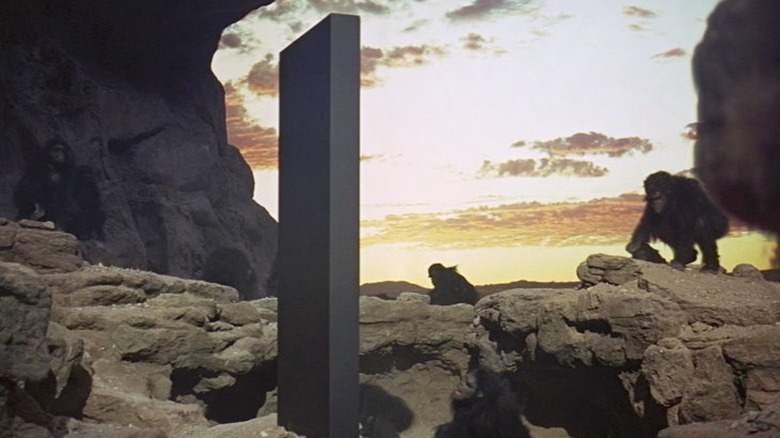
Stanley Kubrick was always ahead of his time, with everything from "The Shining" to "Eyes Wide Shut" receiving critical derision at the time of release, only to age into some of the most acclaimed films of their respective decades. This was also the case with "2001: A Space Odyssey," which despite some early supporters like Roger Ebert, confounded and bored most reviewers, and underwhelmed at the box office. It became a cult word-of-mouth sensation with stoners on its dying days in theaters, and film culture suddenly took notice of the grand masterpiece that was being written off.
Thanks to numerous restorations and re-releases, "2001: A Space Odyssey" has frequently returned to the big screen, maintaining its reputation as the most epic sci-fi of them all. This is a story which opens with the dawn of man and closes with the ascension of a new life force, spanning millions of years without hitting the two-and-a-half-hour mark, and inspiring continued debate regarding Kubrick's view of the future.
Many have claimed to be inspired by Kubrick, but it's debatable whether any have gotten close to making anything that continues to provoke conversation about everything from our future in the cosmos to the rise of artificial intelligence. By not offering any easy answers, "2001" remains ahead of the curve.
Alphaville
- Cast: Eddie Constantine, Anna Karina, Akim Tamiroff
- Director: Jean-Luc Godard
- Runtime: 99 Minutes
- Rating: Not Rated
- Where to Stream: MUBI, Hoopla
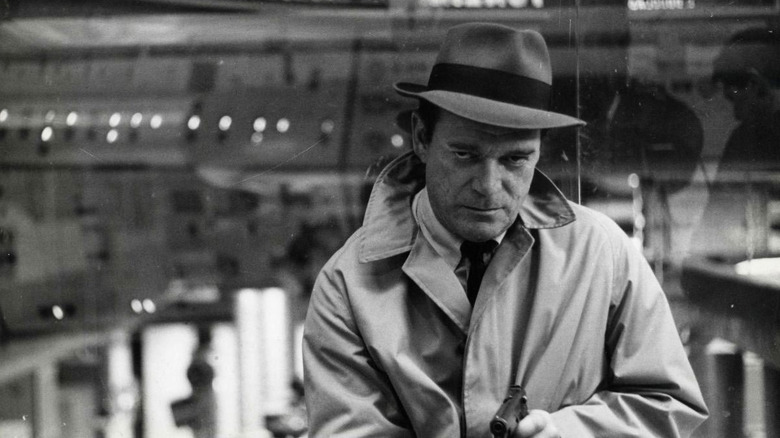
One way to ensure your depiction of a dystopian future doesn't age is to anchor it in the present as much as possible. Jean-Luc Godard didn't have a single set built for his moody sci-fi neo-noir, "Alphaville," instead using the newly constructed modernist buildings around the Parisian suburb of La Defense as his backdrop. This urban landscape was still unusual enough at the time to create the uncanny feeling of a cityscape where everything felt large and slightly off; more than 60 years later, it's aged perfectly as a depiction of an authoritarian society stuck in the past, even if it was intended as a timely commentary on the era it was produced.
Eddie Constantine here plays Lemmy Caution, a well-known literary detective he'd played prior who Godard appropriated for his own tech mystery. In his earlier film appearances, Caution was a classic hero with an optimistic worldview; in "Alphaville," he appeared worn down in his mission to destroy the creator of the sentient computer which had outlawed all displays of human emotion. It was confounding to fans of the crime series but has lingered in the cinephile consciousness in a way its predecessors haven't. The influence of this cold, unfeeling dystopia can be seen in many later sci-fi masterpieces, from "Blade Runner" to "Brazil."
The Face of Another
- Cast: Tatsuya Nakadai, Mikijiro Hira, Machiko Kyō
- Director: Hiroshi Teshigahara
- Runtime: 122 Minutes
- Rating: Not Rated
- Where to Stream: The Criterion Channel
Themes of identity and freewill have long been central to speculative sci-fi, especially with stories about artificial intelligence developing consciousness. A key film of the Japanese New Wave, director Hiroshi Teshigahara's follow-up to his Oscar nominated "Woman in the Dunes," was received less warmly upon its original release, but has grown in stature due to its exploration of those broad conceits.
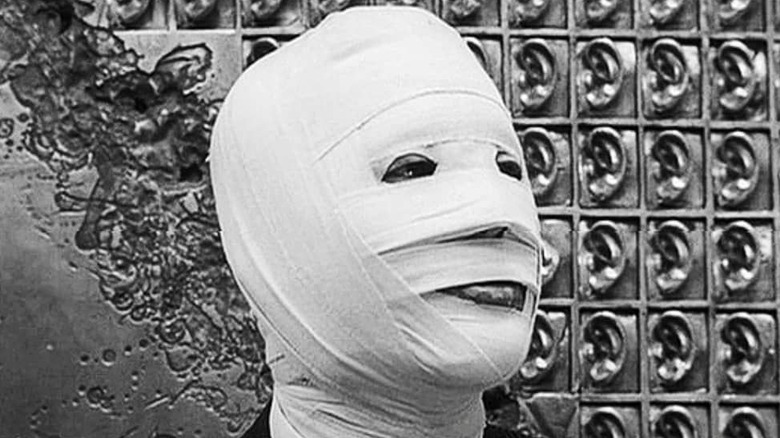
Tatsuya Nakadai, best known for his appearances in several Akira Kurosawa epics, stars as Okuyama, an engineer badly disfigured in an accident whose new appearance terrifies those around him, including his wife. He gets an experimental prosthetic mask built, but immediately begins living life under this new identity, even with his psychiatrist warning him that the procedure could significantly alter his personality. This cure lets him return to normalcy, but he takes advantage of nobody recognizing him in increasingly criminal ways, with Kōbō Abe's screenplay (adapted from his novel of the same name) interrogating whether our sense of morality is directly tied to our need to keep up appearances.
Does a person's moral compass disappear if they assume a new identity, which they could take advantage of to have no consequences be tied back to them? Like a classic "Twilight Zone" episode, its ideas are eternally prescient and remain as uncomfortable now as they were 60 years prior.
La Jetée
- Cast: Jean Négroni, Hélène Chatelain
- Director: Chris Marker
- Runtime: 29 Minutes
- Rating: Not Rated
- Where to Stream: The Criterion Channel
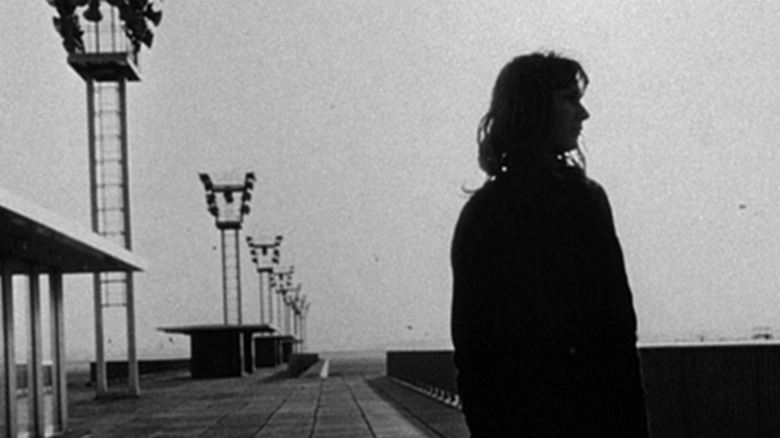
One of the most acclaimed short films of all time, and a major influence on everything from "12 Monkeys" to "Fallout,"La Jetée" holds up as an ingenious work of low-budget sci-fi, starting in the post-apocalypse and sending us hurtling through time. Comprised almost entirely of still photographs, an unseen narrator tells of an underground experiment following World War III, where scientists tasked with fixing their dystopian society use prisoners as guinea pigs to perfect time travel. What follows is an epic time loop tale coupled with a tragic romance, wrapped up in under half an hour, with no spoken dialogue and less than 10 seconds of filmed footage.
"La Jetée" is like nothing else from its era and still feels innovative to this day; a futuristic tale told in its most primitive onscreen form. It's this approach which has helped it endure, with the extensive photomontage, sparingly used score, and matter-of-fact narration creating something singularly haunting that echoes through the ages. It remains one of the most acclaimed sci-fi films of all time, returning to Sight & Sound's Top 100 Greatest Films of All Time poll at number 67 in 2022, and making the personal top 10s of contemporary filmmakers including Kogonada ("After Yang") and Kleber Mendonça Filho ("The Secret Agent").
Seconds
- Cast: Rock Hudson, Salome Jens, John Randolph
- Director: John Frankenheimer
- Runtime: 107 Minutes
- Rating: R
- Where to Stream: Pluto TV, Kanopy
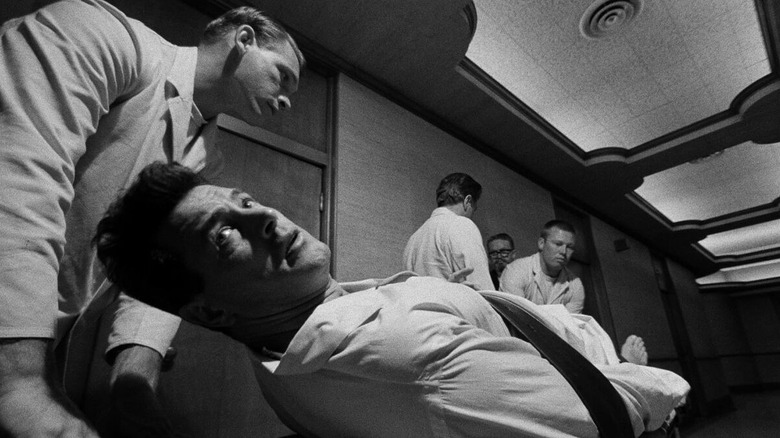
Director John Frankenheimer's paranoid thriller follows a middle-aged man looking back on his life with regret, dreaming of a chance to start all over again and fulfill the dreams he turned his back on. He hears of an underground procedure that would completely transform his body into a younger self, with his death faked so he can assume a new identity -– and is blackmailed into making the change so he doesn't think twice about looking back.
Considered the final entry in an unofficial "paranoia" trilogy by the director that began with "The Manchurian Candidate" and "Seven Days in May," Frankenheimer moved from the territory of political conspiracy movies into something far more alien. Initial reactions were hostile, with the movie premiering at Cannes to boos and largely being shrugged off by critics later that year.
Like so many of these movies, its provocative exploration of eternally relevant themes like conformity and freewill has helped it age exquisitely, its downbeat ending being a key precursor to the New Hollywood movement of the 1970s. It was ever so slightly ahead of its time, but feels timeless through modern eyes.