

5 Reasons Why Star Wars: Skeleton Crew Flopped
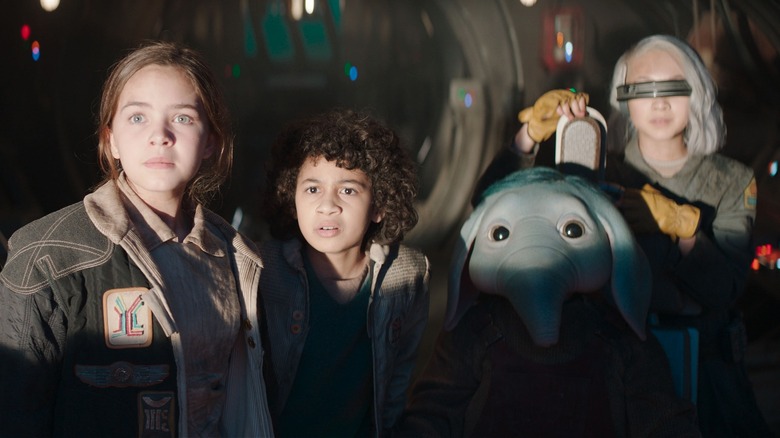
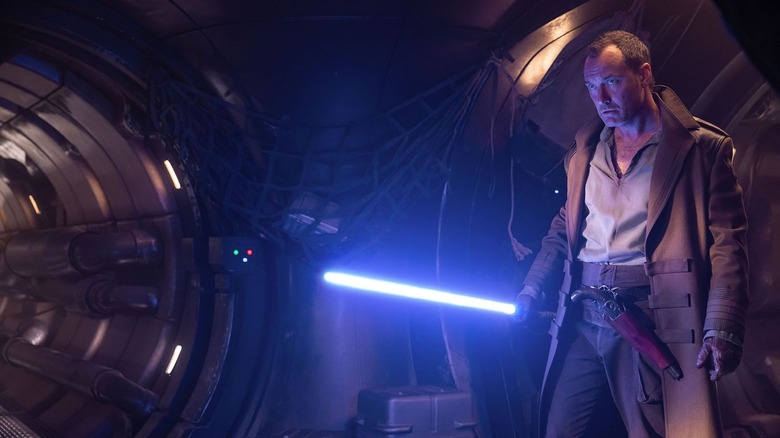
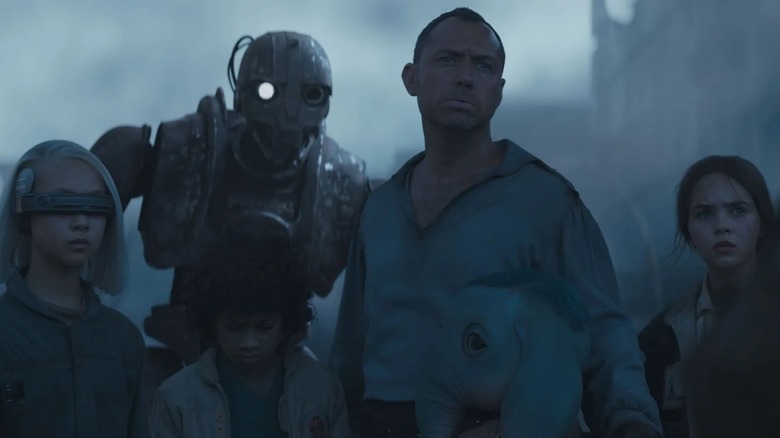
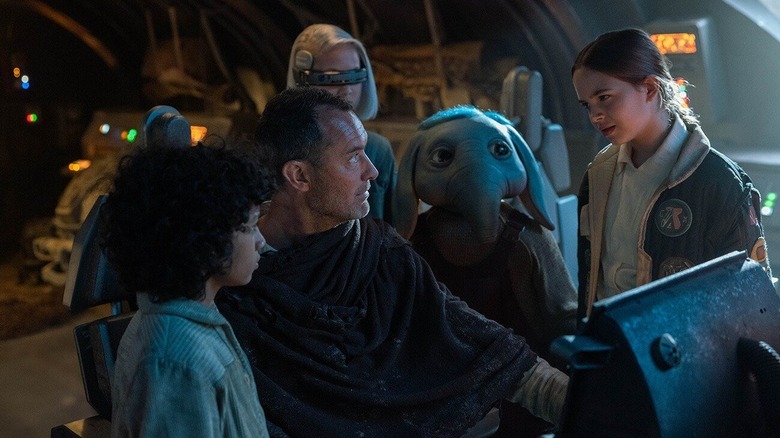
In the final weeks of 2024, five years after "The Mandalorian" brought large-scale live-action "Star Wars" storytelling to television, "Skeleton Crew" debuted on Disney+. The show follows four kids that ended up lost in this galaxy far, far away. On the run from space pirates, they require the aid of shady Force user Jod Na Nawood (Jude Law) to get home. Running for eight episodes and hailing from Jon Watts and Christopher Ford (the former of whom helmed Tom Holland's first three solo "Spider-Man" movies), the program actually received generally solid reviews from critics.
However, its viewership numbers were significantly underwhelming and it's currently unclear where, if ever, these characters and these stories might reappear again in future "Star Wars" media. Disney had to have higher expectations for this project, which ended up fizzling out despite being connected to the "Star Wars" universe. Given the success of "The Mandalorian" and other streaming programs in this franchise, what happened with "Skeleton Crew" and why did it end up flopping?
There are lots of reasons why "Skeleton Crew" went astray in its release, including it failing to stand out from other competing streaming shows, a dreadful marketing campaign, and growing dissatisfaction with "Star Wars" streaming fare (among other problems). There was plenty that went haywire here, and it all reflects the hazards of launching costly streaming shows in the mid-2020s. Not even lightsabers and familiar "Star Wars" aliens can guarantee success in this ecosystem.
Competition from too many other Amblin-style shows
In 2016, the idea of making an Amblin-style TV show (one with a whimsical tone focusing on youngsters getting into supernatural or fantastical peril) like "Stranger Things," centered on kids riding around on bikes and going on adventures, had some novelty. In the years following that program's immense virality, though, there have been tons of attempts to mimic that success — both on the big and small screen. The latest "Ghostbusters" legacy sequels, for instance, have both clearly emulated the Amblin mold more than 1984's "Ghostbusters." The 2020 animated "Jurassic World" TV show "Camp Cretaceous" also follows teenagers navigating being trapped on a dinosaur island.
In a post-"Stranger Things" world, there just isn't much novelty in pulling a "Super 8" and following a group of youngsters in over their heads in a bizarre scenario. Unfortunately, "Skeleton Crew" tried to make that very same narrative mold work in a "Star Wars" context. Given how previous Disney+ "Star Wars" shows like "Obi-Wan Kenobi" and "The Mandalorian" heavily featured child leads, this approach already had a "been there, done that" feel to it. But given the larger culture's fascination with making "Stranger Things" pastiches, it especially felt like yesterday's news.
Even with some "Star Wars" aliens and The Force showing up, there wasn't much to the premise of "Skeleton Crew" to differentiate it from a horde of other pop culture properties evoking the Amblin spirit. What was novel in 2016 couldn't propel "Skeleton Crew" to success in the mid-2020s.
The dwindling interest in Star Wars streaming shows
Disney changed the "Star Wars" universe forever by creating big budget live-action TV shows set within this domicile. Initially, the very existence of "Star Wars" shows on streaming, as well as the popularity of a certain bounty hunter and his little green sidekick, was enough to propel Disney+'s "Star Wars" programs to massive viewership numbers. This was especially apparent for the second season of "The Mandalorian," which was an absolute behemoth in its weekly viewership. As late as 2022, shows like "Obi-Wan Kenobi" were still crushing it with gargantuan viewership numbers. However, starting in 2023, things began to shift for these programs in terms of success.
One of Disney's "Star Wars" decisions that damaged the franchise forever was making way too many of these streaming shows at once. This not only diluted the value of the property, but also ensured there wasn't enough quality control in place to prevent a creative misfire like "The Book of Boba Fett." Unsurprisingly, people soon grew weary of streaming "Star Wars" shows that weren't "Andor" Season 2. Once 2023 rolled around, even programs like the third "Mandalorian" season weren't quite delivering ratings on par with early 2020s "Star Wars" shows. If Mando couldn't avoid audiences becoming fatigued with these streaming shows, a program like "Skeleton Crew" — focused entirely on new characters — didn't have a chance.
Perhaps "Skeleton Crew" would've underwhelmed even in the best of times. However, increasing audience apathy for "Star Wars" streaming shows made it near impossible for it to excel.
Awkward marketing tactics
When "Star Wars: Episode I — The Phantom Menace" hit theaters in 1999, the feature's marketing campaign was nothing short of gargantuan. As one of the movies from 1999 that completely changed Hollywood forever, "The Phantom Menace" debuting was a worldwide event. That's the kind of pomp and circumstance that has often greeted the imminent arrival of any new "Star Wars" movie. Disney kept this tradition alive for the Sequel Trilogy features, though it was going to be harder to constantly deliver that kind of promotional blitzkrieg when "Star Wars" began delivering multiple streaming shows per year. After all, the specialness underpinning "The Phantom Menace" and its marketing would be missing with so many seasons of "Star Wars" storytelling hitting streaming.
"Skeleton Crew" epitomized how far the "Star Wars" marketing machine had fallen off. Once set for a late 2023 debut, the program eventually hit Disney+ a year later than anticipated. That awkward delay already made it difficult to get anticipation and promotional tactics aligned for the project. Once "Skeleton Crew" was imminent, the marketing was still largely silent. There were no crossover promotional campaigns with McDonald's, like fellow Disney+ show "Loki" had for its second season. Only a single Lego set based on the show's characters existed.
Because of this quiet marketing approach, most people probably didn't even know "Skeleton Crew" existed, let alone got deeply invested in its episodes. Without the kind of inescapable marketing that used to be customary for new "Star Wars" projects, "Skeleton Crew" slipped through the cracks.
Looking a bit too much like other Star Wars shows
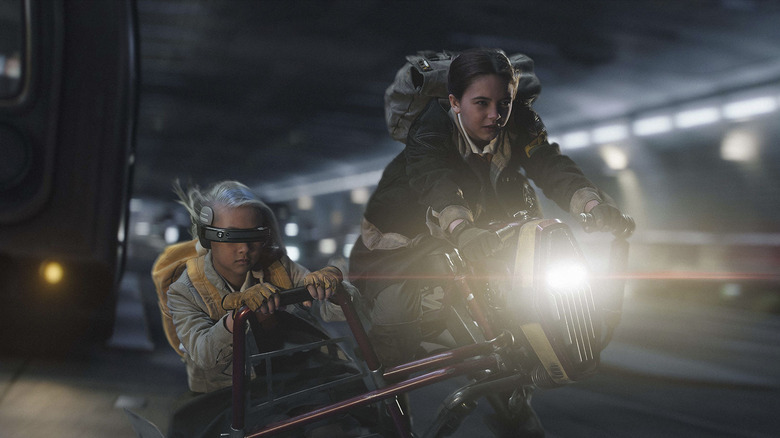
Presumably, the notion behind differentiating "Skeleton Crew" from every other "Star Wars" show was that it would focus on adolescent leads. In execution, though, that wasn't quite enough to make it stand apart in a meaningful fashion. After all, "The Mandalorian" also focuses heavily on baby Grogu. "Obi-Wan Kenobi," meanwhile, surprised viewers by significantly involving an adolescent version of Leia. There have been tons of kids in the new "Star Wars" shows, so zeroing in on four of them for a bunch of new cosmic adventures wasn't exactly a promise of unprecedented, must-see storytelling.
More urgently, though, the program also dabbled in the seedy underworld side of "Star Wars" that the streaming shows have really reveled in. From "The Mandalorian" to "The Book of Boba Fett," bounty hunters and crime lords have been prominent fixtures of these small-screen productions. A pirate from the former show even temporarily appeared in "Skeleton Crew," a sign of just how much overlap there was between the villainous characters of these programs. If you'd already had your fill of morally questionable "Star Wars" scumbags from prior streaming shows, "Skeleton Crew" emphasizing space pirates was unlikely to win you over.
Given just how much Disney+ content that "Star Wars" has delivered, "Skeleton Crew" and its familiar criminal underground trappings made it indistinguishable from its brethren. Not even centering the story on four child leads could counteract that problem.
Uncertainty over further seasons before it even debuted
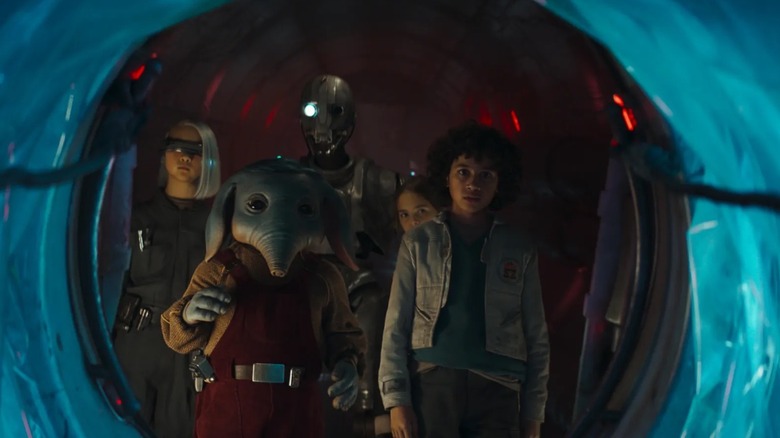
Part of the appeal of television shows is that they provide characters you can check in on weekly, like friends or family members. General audiences love when the fictional inhabitants of shows like "The X-Files" or "The Office" feel as familiar as real people over the course of dozens — or even hundreds — of episodes. In the modern world, though, many streaming productions have opted for shorter seasons or have even become shows with hiatuses between seasons that lasted two years or more. For producers and streaming executives, this is an inevitable byproduct of launching shows that are so much bigger than a typical 2005 NBC program. But for viewers, it can feel antithetical to the very core of television storytelling.
Pre-release "Skeleton Crew" buzz ended up diluted because of worrisome signs signaling the show wasn't long for this Earth. Months before its debut, Jude Law openly noted he wasn't sure if a second season would ever materialize since, thanks to its delayed launch, the main kid actors had grown up so much. As the show actually aired, any news or commentary about its Season 2 chances were grim. It became clear "Skeleton Crew" would be one of those sci-fi shows with only one season, and it grew harder to get audiences invested in the production.
Why tune in if "Skeleton Crew" was destined for the dustbin? People want shows with longevity, not programs seemingly doomed before they even premiere.