

5 Marvel Movies That Aged Better Than Anyone Expected
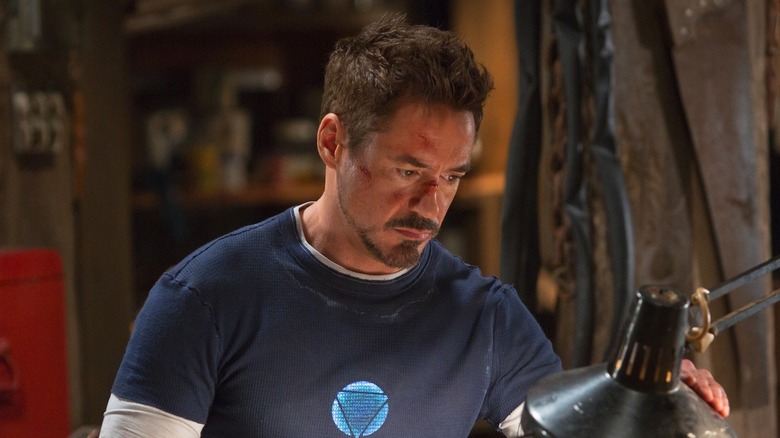
The biggest Marvel Cinematic Universe movies of all time reflect just how massive projects based on Marvel Comics characters are. That's true even for Marvel adaptations made outside of the MCU, as the Sam Raimi "Spider-Man" or "Logan" movies can attest. However, immediate financial success doesn't guarantee long-term cultural relevancy. Several Marvel moneymakers have gone on to eventually languish in relative obscurity or even develop more negative long-term reputations. Breaking the bank does not automatically create an artistic masterpiece, even with the power of Tony Stark on your side.
Still, there have been enough Marvel movie adaptations at this point that some of these titles have gone in the opposite direction artistically. These are the Marvel films that have ended up aging very well since their divisive debuts. Five especially vibrant examples (some of which reside in the MCU, some of which don't) confirm that today's controversial superhero movie can evolve into something more laudable tomorrow. Some of these titles ended up aging well because of their unexpected relevance to modern political events, while others pursued creative aesthetics that stand out as welcome changes of pace from the default norms of 2020s superhero fare.
Whatever's led to their more nuanced reputation today, the evolution of these five Marvel movies that aged super well is fascinating to behold. Sometimes, taking risks and upsetting audiences (at first) can pay off big time. That's as impressive as any blockbuster MCU box office haul.
Hulk (2003)
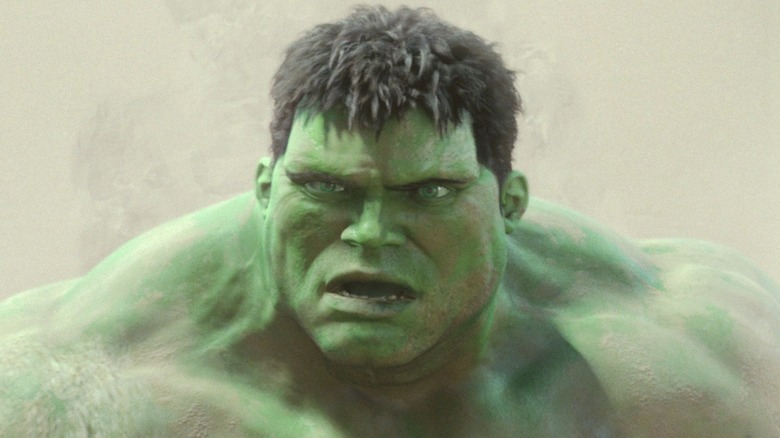
When "Hulk" entered theaters in June 2003, Marvel superhero films were on a massive upswing. "Spider-Man 2" and "X2: X-Men United" had redefined how big these titles could get at the box office and gotten the general public invested in these once-niche characters. Then came Ang Lee's "Hulk," a live-action adaptation of one of the most famous Marvel characters, with all the ingredients of a massive hit to keep this positive superhero movie momentum going. Unfortunately, the film's historically steep second weekend drop indicated that audiences weren't enthusiastic about this meditative and visually stylized take on the Hulk.
Initially, the artistic reputation of "Hulk" was defined by perceptions that it didn't deliver enough action and was too mopey for its own good. Decades later, its bold artistic choices have garnered greater appreciation. Sure, the title character's subpar CG animation and character design choices have aged about as well as milk. But the film's laudable creative priorities have endured given how many modern superhero movies only default to action. In an era that has seen titles like "Black Adam" and "Ant-Man and the Wasp: Quantumania" crammed with hollow CG skirmishes, the focus in "Hulk" on generational trauma and raw Nick Nolte acting is a breath of fresh air.
Plus the Marvel Cinematic Universe eventually delivered a new version of the Hulk that's always punching things, so "Hulk" can now stand out as a welcome alternate to the titular lead's current cinematic persona rather than the creative pariah it was in 2003.
Spider-Man 3
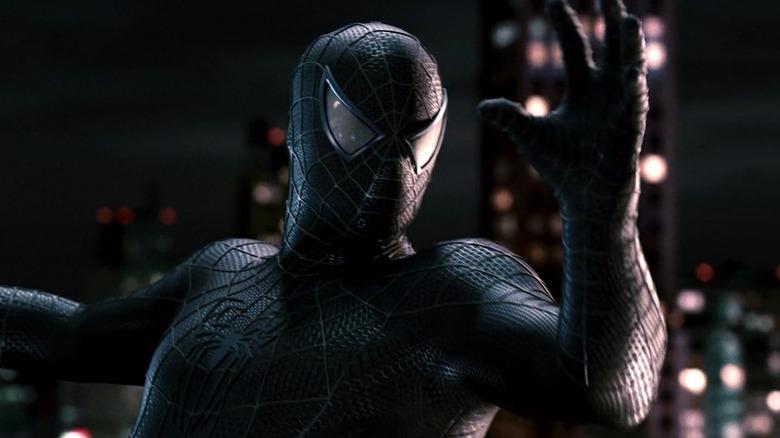
The "Spider-Man 3" scene that fans agree makes no sense is just the tip of the iceberg for the elements of this Sam Raimi directorial effort that have constantly drawn ire from moviegoers. The superhero movie that almost ruined Topher Grace's career, "Spider-Man 3" was torn between too many disparate creative instincts and didn't offer enough room for its array of characters to breathe. Plus some shortcomings, like the film's flippant treatment of Kirsten Dunst's Mary Jane Watson (particularly in not giving Peter Parker's physical abuse of her the proper gravitas), are really just egregious.
Still, in the years since its premiere, "Spider-Man 3" has garnered its share of defenders. Some of that can be chalked up to people who were kids when "Spider-Man 3" came out growing up and praising the movie online. However, there are also impressive bursts of filmmaking scattered throughout "Spider-Man 3" that put it significantly above other superhero titles. Everything with Thomas Haden Church's Flint Marko/Sandman especially is mournful and deeply moving. Meanwhile, Venom is awkwardly shoehorned into the story, but Topher Grace and his line deliveries (particularly the way he says "and...humiliated!" in a church pew) deserve more love.
Somewhere within this disjointed mess and its clumsiest sequences (like a monologue from Harry Osborn's inexplicably knowledgeable butler) are displays of craftsmanship that don't appear every day in the American blockbuster movie landscape. Perhaps it's time we all took a moment to "dig on this" when it comes to the better qualities of "Spider-Man 3."
Iron Man 3
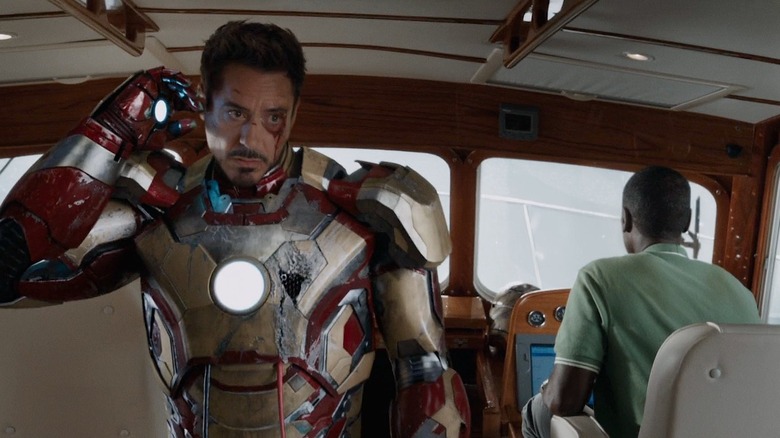
The moment "Iron Man 3" dropped into theaters, comic book geeks everywhere began hating on its decision to skip a classic comic book version of Iron Man's most famous foe, The Mandarin. Instead, the character was revealed to be a fake-out created by American businessman Aldrich Killian (Guy Pearce) and played by British actor Trevor Slattery (Ben Kingsley). A handful of people praised this change from the get-go, but for the most part, rage and fury consumed the internet over "Iron Man 3" daring to subvert a racist stereotype from the comics.
Once the dust settled on this Marvel movie moment that stunned audiences, however, audiences have come around to the film's deviations from the comics. For one thing, Slattery's subsequent appearances in additional MCU media like "Shang-Chi and the Legend of the Ten Rings" and especially "Wonder Man" have turned him into a fan-favorite character. Plus, Tony Leung's approach to playing an incarnation of The Mandarin in "Shang-Chi" ensured that Slattery and something approximating the character from the comics can exist in the same franchise.
The willingness in "Iron Man 3" to explicitly reference religion (via a small Oklahoma town's explanation for why some local veterans exploded) and provide social commentary on Americans "creating" foreign villains have also aged well. Subsequent MCU movies haven't waded into such weighty territory, which makes these themes a welcome sight in "Iron Man 3."
Avengers: Age of Ultron
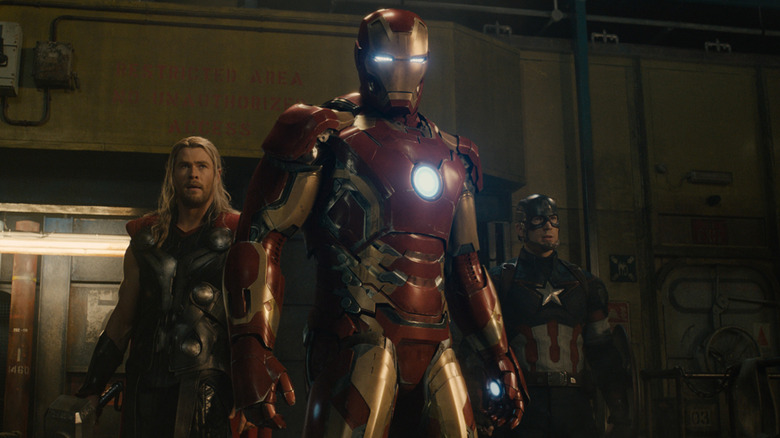
What really happened behind the scenes of the weird, messy "Avengers: Age of Ultron," particularly the chaos stemming from disagreements between writer-director Joss Whedon and Marvel brass, produced an incredibly crowded movie that also suffered from a strangely lopsided tone. Scenes that needed more tension and gravity were undercut by extraneous jokes, while other stretches of the runtime needing more levity were instead too downbeat. Throw in its poor handling of characters like Thor and Black Widow and it's clear "Age of Ultron" isn't nearly the film it could be. Still, that doesn't mean there aren't compelling elements here that have aged surprisingly well.
James Spader's Ultron, the titular villain of the piece, has especially become a relevant supervillain for the 2020s. In an age where generative A.I. and other A.I. products are being shoved down people's throats and adversely impacting the world, it makes sense that something like Ultron would be an apocalyptic threat requiring the Avengers to assemble. This character (beyond being a great vessel for Spader's silky-smooth voice) is a cautionary tale about technology gone awry and human beings (in this case, Tony Stark) trying to control what they shouldn't. Such concepts are even more essential today than they were in May 2015, when "Age of Ultron" invaded multiplexes.
Incidental relevancy doesn't erase the movie's flaws, but it does lend extra depth to a bedraggled project that often tripped on its own ambitions.
Punisher: War Zone
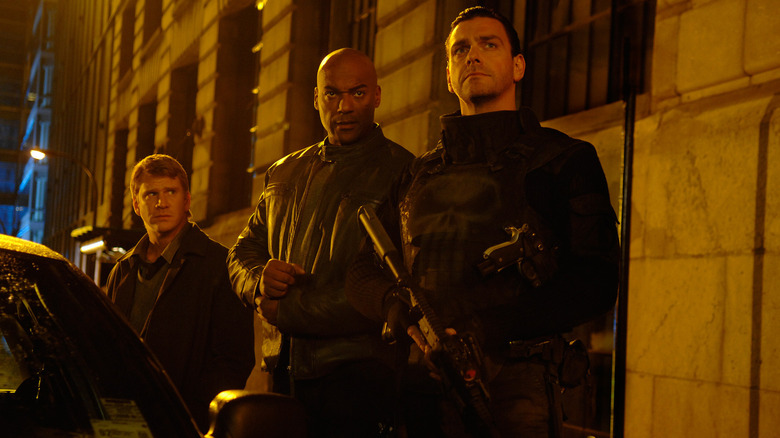
Back in 2008, "Punisher: War Zone" was a weird anomaly that was largely dismissed by critics and audiences alike. Save for 2004's "The Punisher" and the "Blade" features, movie adaptations of Marvel Comics characters were PG-13 by default. In contrast, "War Zone" came sauntering into theaters with not just an R rating but extremely brutal violence. Even the primary villain, Jigsaw (Dominic West), walked around with graphically grisly scars littered across his face. In this era of superhero cinema, director Lexi Alexander's grimy and vicious vision was perceived as a bizarre fluke.
Since then, however, R ratings and graphic violence have become way more common for Marvel movies. Disney's own "Deadpool and Wolverine" blew everyone away at the box office even while earning an R rating for its raunchy jokes and extreme gore. Meanwhile, titles like "Logan" or even DC projects such as "The Suicide Squad" and "Birds of Prey" have also embraced grisly deaths and quantities of blood that can't be shown in PG-13 confines. In a post-"Deadpool" world, the idea of a superhero movie being R-rated is no longer a ludicrous concept. It's even one that gets studio executives salivating over the thought of making some of that "Logan" money.
Paving the way for such projects was "Punisher: War Zone." This tremendous box office flop's level of violence is now common in the Marvel Cinematic Universe. "War Zone" feels downright ahead of its time in merging Marvel characters with extreme bloodshed. As usual, Frank Castle doesn't miss.