

10 Best Movies Of The 2020s (So Far), According To Metacritic
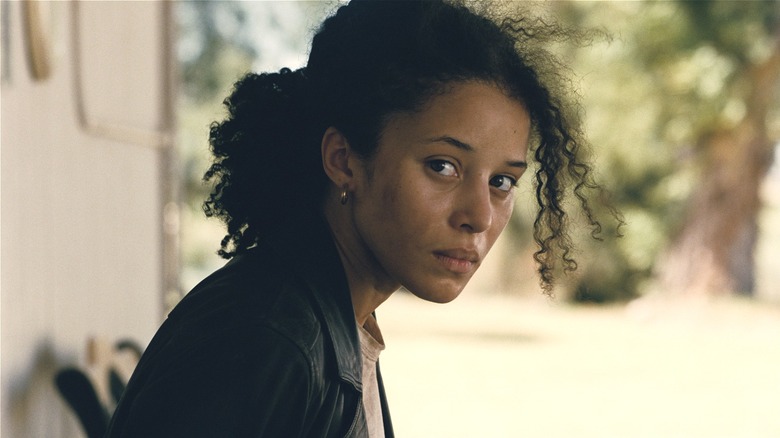
The 1970s movie scene was defined by breaking all the rules. The 1990s movie scene was defined by its groundbreaking visual effects. So far, the 2020s has been defined by vulnerability. Thanks to external problems like COVID-19 shutting down theaters, the dominance of streaming, and 2023's dual labor strikes, never before has theatrical cinema contended with so many obstacles at once. For much of this decade, the medium of film has been fighting for its very existence.
Thankfully, 2026 has seen the domestic box office rebound and a surge of renewed optimism. It doesn't hurt that this decade has, in spite of so many challenges, still delivered a treasure trove of outstanding motion pictures. To truly grasp the masterpieces the 2020s have delivered, just look at the 10 best movies of the 2020s so far according to Metacritic. The highest-rated films on this site come from all over the globe and reflect varied creative instincts. Some are magnificent examples of slow cinema. Others are great pieces of spectacle filmmaking packed with laughs and action. And then there are those that reckon with weighty topics like historical genocides with finesse.
Whatever qualities informed these modern classics, these 10 movies (ranked below from lowest Metacritic score to highest) reflect that nothing can keep good filmmakers down. If these ten acclaimed titles could exist in the 2020s, then sublime cinema can exist in any era.
10. Inside the Yellow Cocoon Shell
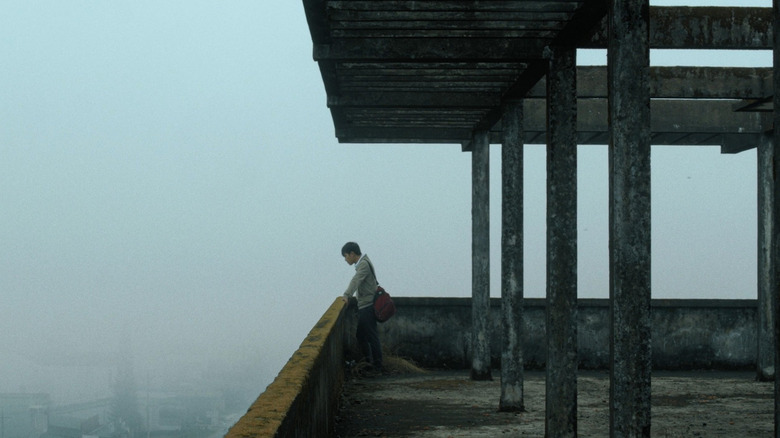
There's a level of visual precision to writer/director Phạm Thiên Ân's "Inside the Yellow Cocoon Shell" that's staggering to witness. The film, firmly rooted in the tradition of slow cinema, is largely told through lengthy, unwavering images that force the viewer to sit and marinate in what's happening on screen. Oftentimes this means observing simple activities, like a forlorn man standing in a doorway or interactions between people on a distant road. Cinematographer Đinh Duy Hưng delivers outstanding work here, crafting images that must've taken forever to realize.
These visuals service a melancholy story concerning Thiện (Lê Phong Vũ), who is forced to return home after his sister-in-law's tragic demise. Once back in a more rural setting, he decides to find his older brother. The randomness of death and the vacancies created by absent loved ones quietly hover over the proceedings with potency. "Inside the Yellow Cocoon Shell's" visual aesthetic ensures that atmosphere is never hampered. The expansiveness of its imagery, meanwhile, accentuates how all encompassing these emotions are. Anguish is as towering as any beast, reflected by the movie's emphasis on unbroken wide shots.
"Inside the Yellow Cocoon Shell's" massive 182-minute runtime and unorthodox style may make it impenetrable for many. For those willing to dive into its audacious artistry, though, it becomes easy to see why "Cocoon Shell" scored an impressive 94 Metascore.
9. Collective
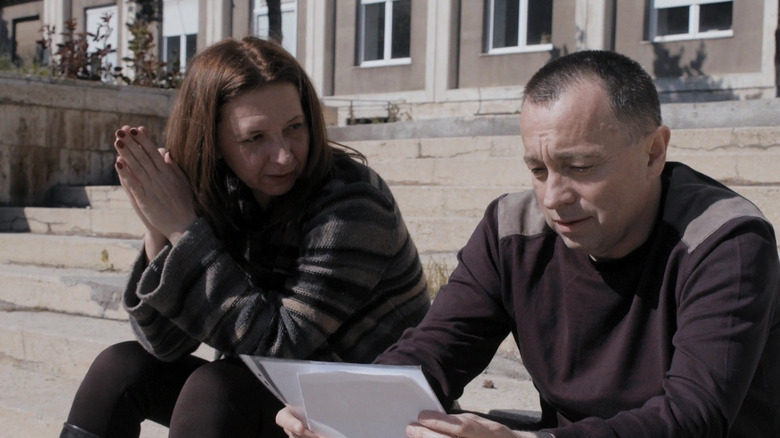
The people who attended that Romanian club on that fateful night were just looking to dance and feel joy. Instead, they were ensnared in a nightclub fire that left dozens dead and over 140 injured. In the wake of that terrifying event, a larger conspiracy surrounding Romania's healthcare ecosystem begins to materialize. Journalists at the Gazeta Sporturilor publication take notice and start investigating. "Collective" is a documentary chronicling their exploits, which consist of normal people confronting towering corruption and indifference to human suffering.
With a 95 Metascore, "Collective's" immediacy is impressive. Director Alexander Nanau makes viewers feel like they're there in the room, capturing the events as they unfold in real time as opposed to talking head interviews. These events aren't unfurling on another continent, but rather before your very eyes. Nanau is also unflinching in his depiction of how frustrating and overwhelming systemic corruption is. These journalists continue uncovering examples of government officials shrugging off healthcare inefficiencies and demonizing anyone who speaks out. That latter element is hauntingly portrayed here, accentuating the tension lingering over the journalists.
Harrowing is the optimal word to describe "Collective." Watching it is an overwhelming experience and one that never forgets the human cost of all those patients minimized by a corrupt system. That doesn't make for easy viewing, but it does make for one of the decade's most impressively gut-wrenching motion pictures.
8. Rocks
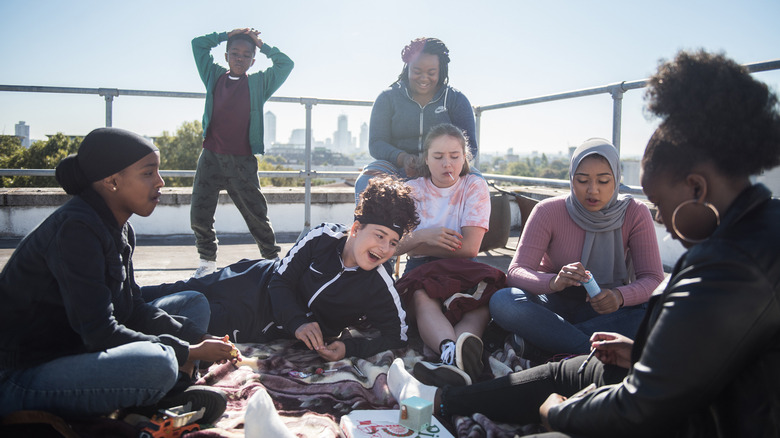
"Rocks" is one of many indie releases upended by the COVID-19 pandemic. Premiering at the 2019 Toronto International Film Festival, a typical release trajectory would've seen the British indie eventually get a limited big screen run the following summer. Instead, theaters were shut down for most of 2020 and "Rocks" debuted on the small screen in the U.S. in February 2021 with no fanfare. Unfortunately, the feature (as of this writing) isn't even available virtually in the U.S. anymore.
What a dreadful outcome for "Rocks," which notched universal acclaim, including a 95 Metascore, and several major award nominations and wins for a reason. The film concerns Rocks (Bukky Bakray) and her struggles balancing being the caretaker of her younger brother (D'angelou Osei Kissiedu) and leading a normal teenage life. Director Sarah Gavron and screenwriters Theresa Ikoko and Claire Wilson deftly alternate between the amusing, heartbreaking, authentically messy, and every emotion in between, crafting an intricate narrative populated by equally complex characters.
There's also a compelling level of immediate realism to "Rocks." Gavron makes viewers feel like they're a fly on the wall observing naturalistic conversations unspooling in real time. "Rocks" isn't just a great movie. It's also a heartbreaking example of superb films that got lost in the chaos of the decade's earliest years.
7. Aftersun
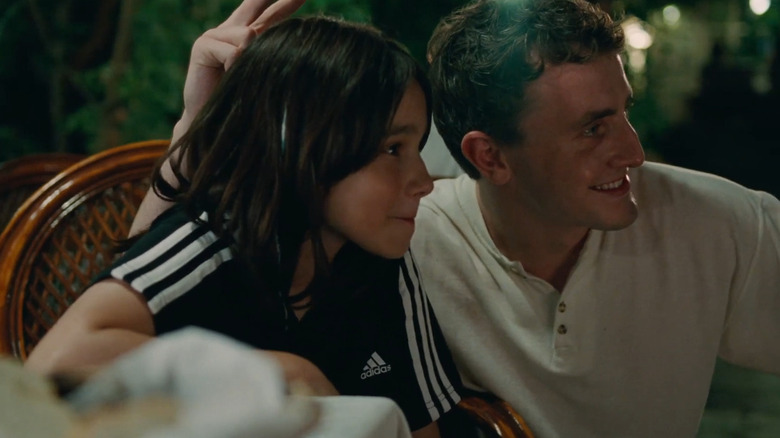
We will never fully understand our parents. The people who brought us into this world and occupy so much of our lives are also, in many respects, strangers. This brutal reality is reflected in "Aftersun," the feature directorial debut of Charlotte Wells. In it, youngster Sophie (Frankie Corio) and her father Calum (Paul Mescal) spend the weekend at a hotel. Being a child of divorce, this is Sophie's big opportunity to bond and make memories with her father. Unfortunately, the weekend is anything but idyllic as Calum's torment and internalized anguish creeps into the proceedings.
"Aftersun" is an aching production. Its atmosphere radiates subdued pain, all communicated through evocative imagery. A shot of Callum and Sophie sitting in different, wall-separated spaces of a hotel room is a phenomenal example, capturing how distant these two are. Meanwhile, the digressions to adult Sophie (Celia Rowlson-Hall), now with a child and home videos of her adolescence, demonstrate narrative chutzpah. Through these segments, Wells emphasizes how our relationships with our parents linger deep into the future. We will spend our whole lives parsing out small clues as to who these figures were.
"Aftersun" is destined to leave any moviegoer reeling, as testified by its 95 Metascore. Everything from its two central performances to a closing sequence set to Queen's "Under Pressure" accentuates a shattering aesthetic that's impossible to shake.
6. Do Not Expect Too Much From the End of the World
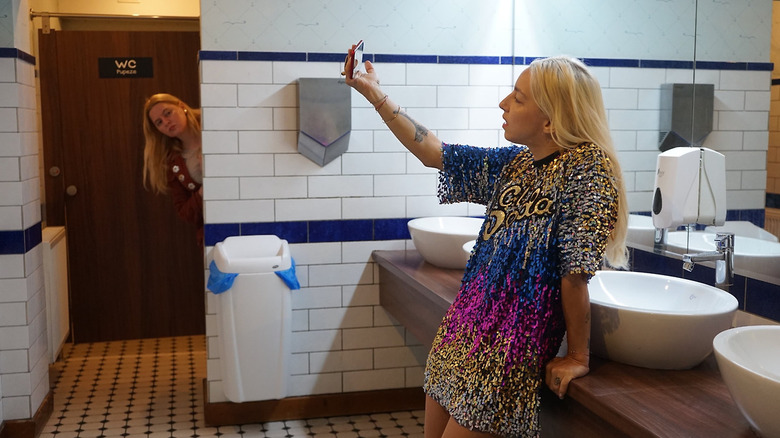
Any movie from director Radu Jude is bound to be one of the best dark comedy movies you've never seen. His incredible works take aim at distinctly modern woes relevant to both Jade's home country of Romania and modern society writ large. Arguably his crowning achievement is his 2024 title "Do Not Expect Too Much From the End of the World." Many of Jude's movies have secured critical acclaim, but "End of the World" scored especially rave reviews and a stellar 95 Metascore.
This bleak comedy follows a production assistant interviewing folks for the toxic corporation she works for. All the while, Jude captures horrors of late stage capitalism, namely indifference to disabled folks and people harmed by corporate actions. The visual instincts of the production, meanwhile, are excitingly varied and precise. Monochromatic renders of 2020s life are coupled with cutaways to segments from a 1980's Romanian film, for example. Meanwhile, "End of the World's" final sequence is one long single take executed with astonishing finesse.
It's a wonder to witness how many visual styles Jude puts into one feature. It's equally impressive to see the bleak punchlines reflect the world's twisted status quo. You'll laugh a lot while watching "Do Not Expect Too Much From the End of the World," but you'll also be bowled over by its searingly relevant social commentary.
5. Kill Bill: The Whole Bloody Affair
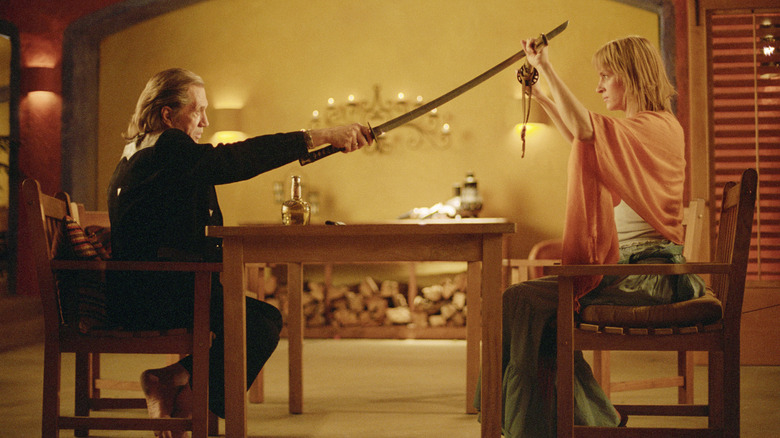
Among the things you might not know about the "Kill Bill" movies is that they were originally planned as a single 2003 motion picture. Unfortunately, studio executives intervened and forced the film to come out as two halves released in 2003 and 2004 respectively. Finally, after many years, writer/director Quentin Tarantino's original vision made it to the big screen as "Kill Bill: The Whole Bloody Affair." Some were not super enamored with some of Quentin Tarantino's "Kill Bill: The Whole Bloody Affair" changes, namely a terrible post-credits Fortnite short.
However, aside from those tweaks, the general redemption to "The Whole Bloody Affair" was outright euphoria. Two already strong movies (especially the masterpiece that is "Kill Bill: Volume 2") function even better experienced simultaneously. Witnessed as one extended piece, The Bride's (Uma Thurman) journey feels extra impactful. Plus, watching as one massive movie lets viewers soak in how much craftsmanship and detail was put into this endeavor.
With this new restored cut, "Kill Bill: The Whole Bloody Affair" didn't just realize Tarantino's original creative fusion. It also gives the film the distinction of being the only acclaimed 2020s movie on Metacritc, with a 95 Metascore, to originate from the mid-2000s.
4. One Battle After Another
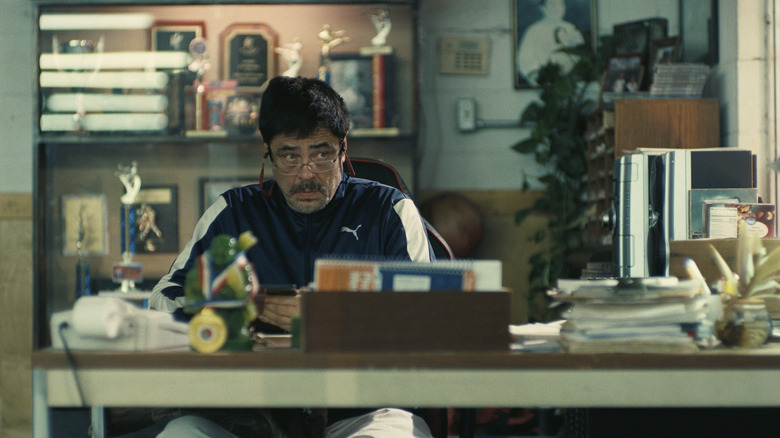
Paul Thomas Anderson's biggest film in scope yet, "One Battle After Another" is a dark comedy about one generation's torment being passed on to the next. It's also about how revolution festers no matter how arduous society is. One could also see it as a phenomenal acting showcase for artists like Leonardo DiCaprio, Benicio del Toro, and Chase Infiniti, among many others. Like all of his works, "One Battle After Another" see's Anderson pack a lot tonally and aesthetically into a single feature.
Rather than registering as overcrowded, "One Battle After Another" resonates as a full cinematic feast. Endlessly propulsive, there isn't an ounce of fat here, nor does amateurishness radiate off its visuals, with a magnificent use of VistaVision cameras and other filmmaking tools. Anderson's long-standing gift for comedy is also exquisitely realized. Rarely have those chops been so perfectly executed as they are in DiCapro's schlubby performance as Bob Ferguson. Infiniti, meanwhile, is the transfixing emotional anchor of the entire film, making it all the more impressive that this is her feature-length debut.
Such all-time great performances are littered throughout "One Battle After Another." as is sensational imagery (like an ingenious climactic use of rolling hills). In going big, Paul Thomas Anderson reached new levels of artistic triumphs, and a 95 Metascore at that.
3. Small Axe: Lovers Rock
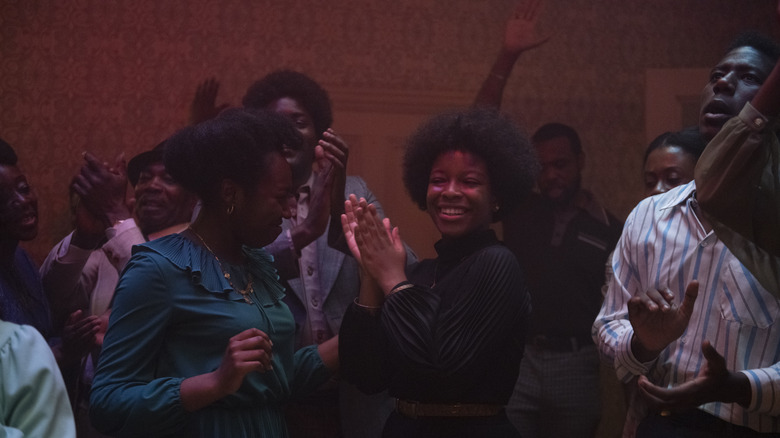
Award season favorites like "Shame" and "12 Years a Slave" established Steve McQueen's prowess as a director, and his genius continued into the next decade with his five-part "Small Axe" anthology. Each feature-length installment chronicles different aspects of 20th century London society while also exploring varying genres. "Mangrove," for example, was a courtroom drama, while "Education" was a grounded domestic affair. Then there's the magnum opus of this exercise, and the highest rated entry on Metcritic with a 95 Metascore, "Lovers Rock."
For 68 minutes, McQueen focuses on a house party populated by people like Martha (Amarah-Jae St. Aubyn) and Patty (Shaniqua Okwok). Everyone at this gathering is Black and must grapple with being "othered" and ostracized on a daily basis. But in this space, they are safe and entrenched in community. All they have to worry about is enjoying good company and music.
McQueen, so famous for his works about intensity and human suffering, here weaves a magnificent transportive vibe. The power of a good melody and dancing to take you away are vividly felt. Deeply sensual, heartfelt, and powerful, "Lovers Rock" is a wondrous creation.
2. Summer of Soul
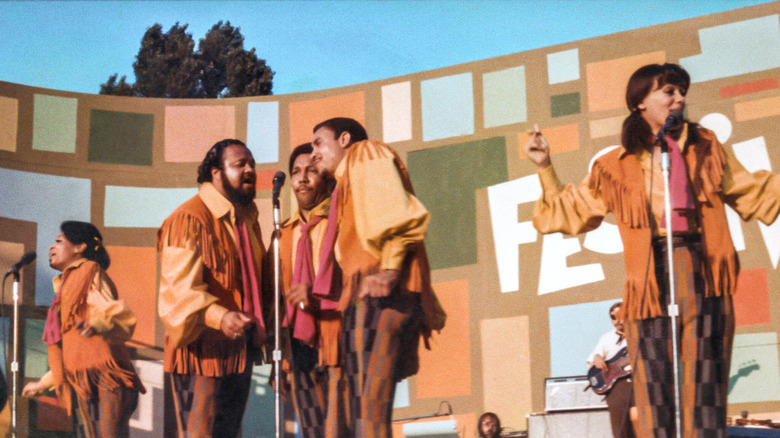
The 2020s has become overwhelmed with often surface-level documentaries about movie stars and other celebrities, from Melania Trump to Lorne Michaels to Eddie Murphy. Questlove's documentary efforts in this era, meanwhile, have reinforced the flatness of these features simply by being so much better in comparison. His films focus on recognizable artists, but also treat them as human beings and have a lot more on their mind than just hagiography.
These virtues were unforgettably displayed in his 2021 masterpiece "Summer of Soul." Boasting a 96 Metascore, this doesn't rehash historical events people are familiar with, but rather shines a spotlight on the 1969 Harlem Cultural Festival. This musical event faded into obscurity thanks to performance footage from the function never airing. "Summer of Soul" rectifies this by letting viewers witness a string of electric concert performances from legends like Stevie Wonder, Nina Simone, and Sly and the Family Stone.
To boot, Questlove pairs this rare archival imagery with newly recorded interviews with many of the participating singers. This includes a profoundly moving segment where members of the 5th Dimension get emotional watching their performance. The toe-tapping artistry of "Summer of Soul" proves documentaries focused on celebrities need not be shallow exercises.
1. Quo Vadis, Aida?
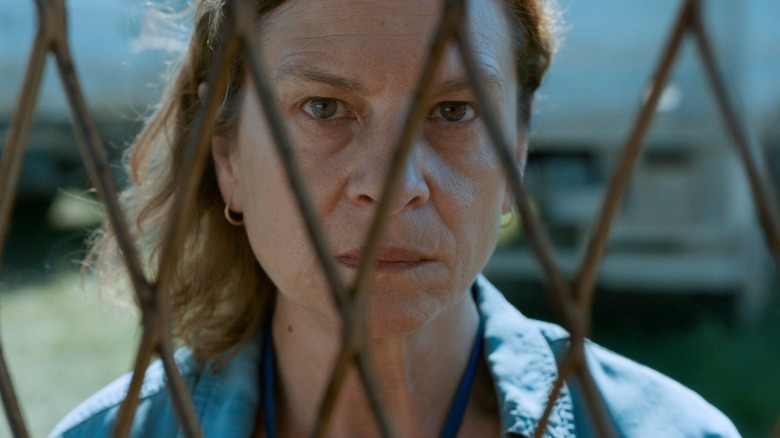
Crowds. That is something writer/director Jasmila Žbanić emphasizes throughout "Quo Vadis, Aida?" The film follows translator and former teacher Aida Selmanagić (Jasna Đuričić). She and her family are determined to reach safety during the July 1995 Srebrenica massacre. Throughout the runtime, they are surrounded by other civilians also desperate for protection. People occupying every inch of the frame chillingly reinforce the magnitude of this genocide. That reality lingers as Selmanagić alternates between her familial duties and working as a translator.
The tension "Quo Vadis, Aida?" conveys is so suffocating that it's sometimes unbearable. That's a tremendous compliment, especially since Žbanić doesn't achieve that tension through reducing the characters to blood-drenched vessels for on-screen physical torment. Instead, Selmanagić and her family and neighbors register as human beings. Such humanity is inevitable when dealing with a towering lead performance as exceptional as Jasna Đuričić's. She's utterly magnificent and captures your attention, even when she's just one face in a sea of people.
With a towering 97 Metascore, "Quo Vadis, Aida?" brings viewers to the ground floor of a genocide in progress. Its specific communication of these horrors is staggering. Whether in its use of crowds, precise blocking, or its lead performance, "Quo Vadis, Aida?" astonishes.