

10 Best Movies Released During The 1960s
The 1960s were a time of upheaval. That was true for American society, where increased protests and rebellion transpired against elements like the Vietnam War or segregation. However, the film industry itself was going through plenty of tremendous changes as well in this era. As the old studio system perished in the 60s, new techniques for crafting movies, not to mention new kinds of American cinema, would have to be created. Meanwhile, legendary directors like Martin Scorsese, Elaine May, Charles Burnett, and Steven Spielberg (among many others) were gearing up to deliver works in the following decade that would forever change cinema as the world knew it.
In the middle of all this era's chaos, though, the global film scene still delivered plenty of excellent motion pictures throughout the 1960s. In fact, several of the best movies of all time were released during this particular chapter in the world's history. These films came from all over the planet and inhabited an excitingly diverse array of genres. Some were kooky comedies that embraced surrealism. Others were grim meditations on the worst recurring traits in humanity. Still others were toe-tapping musicals full of talking animals.
Sublime cinema can look like anything. The top 10 movies of the 1960s (ranked below from "least best" to greatest) vibrantly reflected this reality across all kinds of aesthetics and creative ambitions. In the middle of this decade's various changes and uncertainties, superb artistry thrived. These films exemplify that astonishing reality.
The Jungle Book
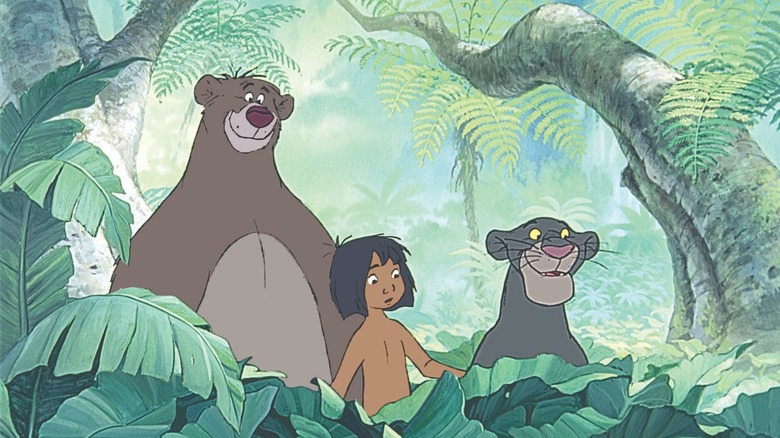
1967's Disney feature "The Jungle Book" is certainly significantly lighter and more mainstream-friendly than nearly everything else on this list. However, don't let that reality cloud how this project (widely seen as Walt Disney's swan song after he passed away in 1966) remains an incredibly fun take of Rudyard Kipling's original text. Director Wolfgang Reitherman and company transformed this somber yarn into a swinging hangout comedy, a chillaxed contrast to the grandiose sensibilities defining earlier Walt Disney Animation Studios titles like "Snow White and the Seven Dwarfs" and especially "Sleeping Beauty."
That approach means there's plenty of time for audiences to marinate in the delightful critter characters, including Baloo (Phil Harris), snobby tiger adversary Shere Khan (George Sanders), and hypnotizing snake Kaa (Sterling Holloway), among many others. It's endless fun just spending time with these characters and seeing how the Disney animators inject vibrant personalities into four-legged or slithering animals. Shere Khan, for instance, is rife with aloof physicality reinforcing his snootiness.
There's also nary a misfire in the unforgettable tunes, which inspire toe tapping whether you're hearing them for the first or hundredth time. Even the xerography animation technique used for "The Jungle Book" is part of its charms, as it inspired loosey-goosey line work reflecting the laidback lifestyle of Baloo. It's hard not to succumb to the endless array of delights of "The Jungle Book." Any movie that give the world "The Bear Necessities" has more than earned its masterpiece status.
Psycho
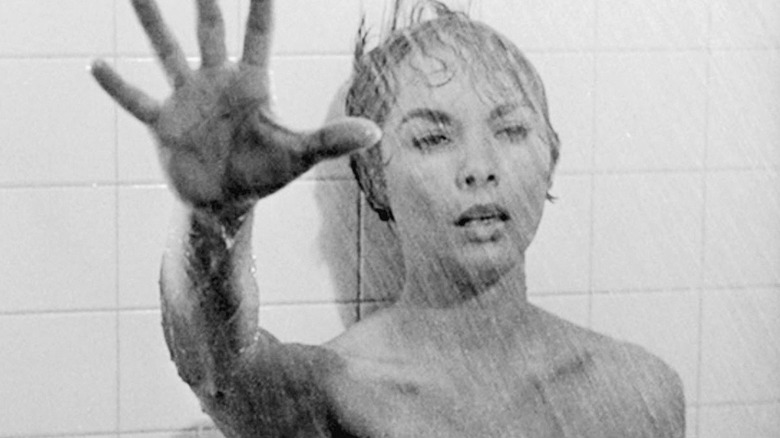
Alfred Hitchcock's 1960 feature "Psycho" has been widely parodied in the pop culture landscape. That famous shower scene has especially been lampooned in everything from "The Simpsons" to "Looney Tunes: Back in Action." Meanwhile, even the silliest productions like FilmCow's 2014 film "Welcome to the C.I.A." have referenced "Psycho" lines like "we all go a little mad sometimes." The sheer scope of this feature's artistic influence is nothing short of staggering. Even with so many pastiches existing, none have diluted the artistic might of "Psycho," and the motion picture remains a chilling exercise.
Much of that comes from the film's structure, which eases viewers into one plotline about a woman thief on the run before jarringly (and violently) grinding that perspective to a halt. Meanwhile, Anthony Perkins as Norman Bates remains one of the great American movie performances. He's just so riveting anytime he's on-screen, and this actor is persistently skillfully at exuding an ominous aura in the subtlest ways. It's also impressive how well Hitchcock (by 1960, an old pro at executing engrossing thrillers) unfurls suspense in any of the film's most riveting sequences. There's such precision and craftsmanship in the tense atmosphere even in seemingly simple scenes.
Beneath all the "Psycho" sequels, that Gus van Sant remake, or the pop culture parodies is the original "Psycho" film, which remains a tremendous achievement in suspense filmmaking. Watching today, it still feels as shocking and spine-tingling as it must've been in 1960. Quality artistry has a habit of enduring like that.
Z
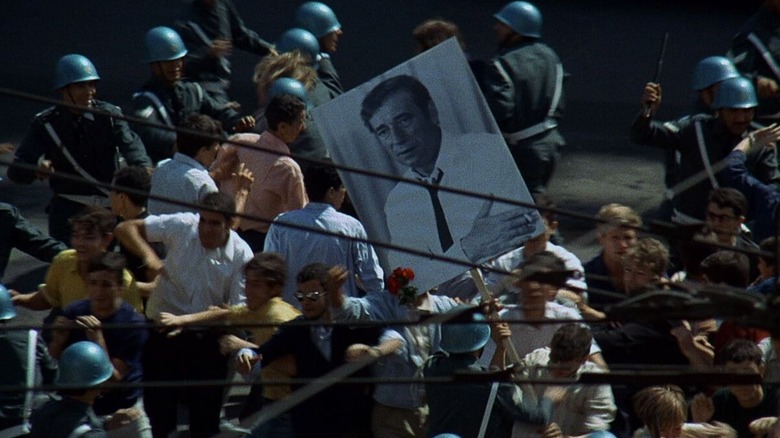
Among the rare few foreign language films ever nominated for the best picture Oscar, 1969's "Z" is a film firmly rooted in the chaotic civil rights struggles and government-sanctioned violence that defined the global political scene of the 1960s. Here, writer/director Costa-Gavras (who penned the script with Jorge Semprun) zeroes specifically on the turmoil that unfolded after the assassination of Greece politician Grigoris Lambrakis. In this film, the equivalent to Lambrakis is The Deputy, a leftist who was seemingly killed by a random drunk driver. Quickly, though, suspicions blossom that he may have been murdered under darker circumstances. What is the truth and who are the real culprits underneath all the bloodshed?
"Z" is a story of unbridled mayhem and uncertainty, qualities enhanced by the engrossing filmmaking, especially the precisely executed edits. Whenever there's depictions of violence on-screen, the rawness and brutality of the mayhem comes through tenfold. You can feel the impact of lives lost deep in the pit of your stomach. There's also a captivating fire in the belly of this production that's absolutely engrossing. "Similarities between the characters and events and real life are not a coincidence" declares opening on-screen text, a bold tossing of the gauntlet that guarantees viewers are in for a searing experience.
From beginning to devastating end, "Z" registers as extraordinary filmmaking. Achingly relevant and still visually distinctive 60 years after it first hit the silver screen, this Costa-Gavras directorial effort masterfully confronts reality rather than evading it. No wonder even the Academy Awards noticed its accomplishments.
Daisies
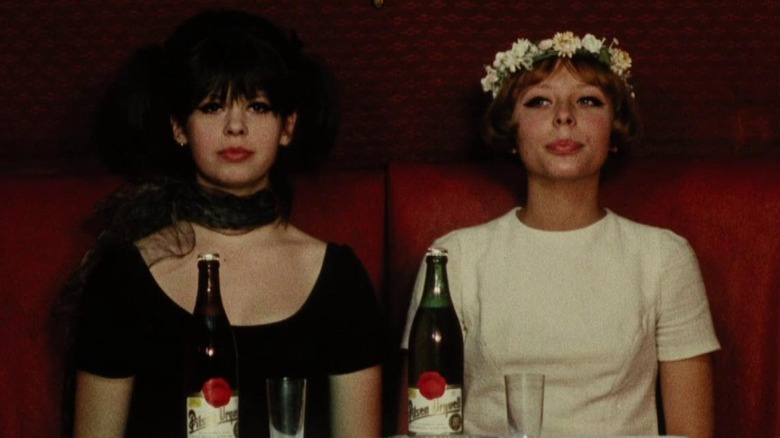
Today, loopy comedy shows and movies full of messy people, disorienting editing, and surrealistic visuals are somewhat common thanks to the popularity of productions like "The Eric André Show." However, these modern projects owe more than a tip of the hat to one of the creators of this comedic mold, the avant-garde yukfest "Daisies." One of the greatest comedy movies of all time, "Daisies" follows Marie I (Jitka Cerhová) and Marie II (Ivana Karbanová). They live a carefree life not beholden by schedules or obligations to others. They just mess around and get into whatever antics they think sound interesting.
Filmmaker Vera Chytilová chronicles the pair engaging in exercises like dancing in the streets and playing tricks on older men with lots of money to spare; anything's possible with these two. Both women happily throw societal conventions to the wind for how they are "supposed" to behave, which is reflected potently in the filmmaking of "Daisies." Chytilová also eschews conventional tactics here, specifically in regards to how normal narrative films operate. This is not a motion picture guided by standard storytelling impulses and it's all the better for it.
Being so oddball and endlessly inventive visually ensures "Daisies" produces tons of belly laughs, especially through the pervasively committed performances of its two lead actors. Though made in 1966, the avant-garde humor in "Daisies" is still fresh today and clearly influencing the best modern trippy comedies.
The Great Escape
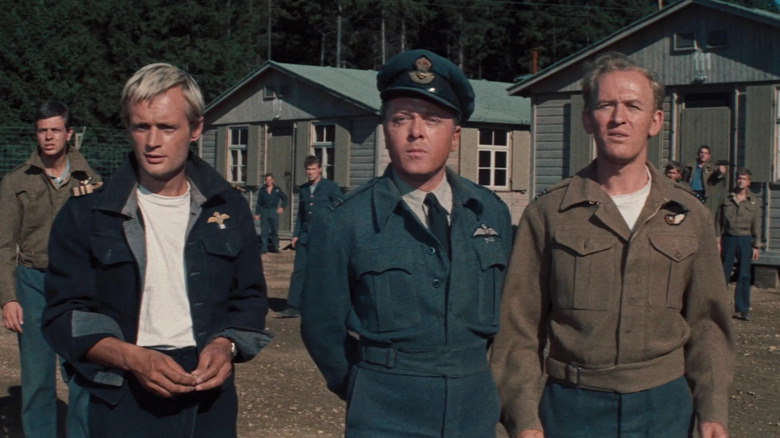
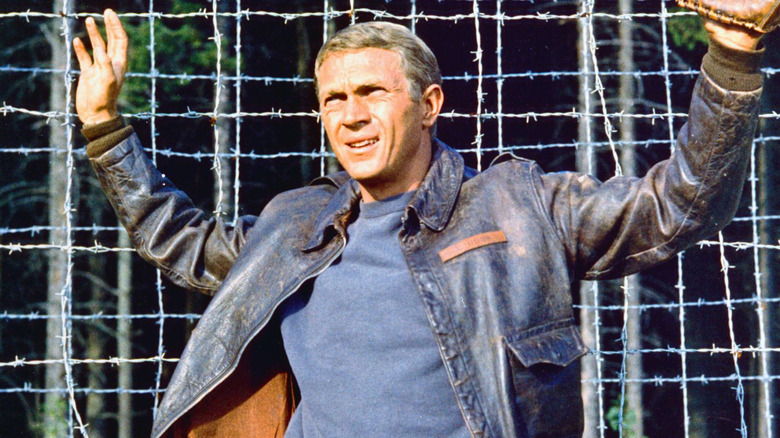
Everybody wants control over their own lives. Few feel that urge as passionately as the Allied soldiers captured behind enemy lines that serve as the centerpiece of "The Great Escape." These characters, including Captain Virgil Hilts (Steve McQueen), Robert Hendley (James Garner), Roger Bartlett (Richard Attenborough) and Colin Blythe (Donald Pleasence), are plotting a grand escape from the Nazis that are keeping them locked up. As they're scheming, it quickly becomes apparent that director John Sturges can make this movie enthralling just by zeroing in on the main characters' interactions with one another.
Their chummy rapport and deeply involving individual personalities are so well handled by the sublime cast (Pleasence especially is a vulnerable scene-stealer). With such captivating characters, 1963's "The Great Escape" has no problem delivering all-time great suspense sequences surrounding these figures trying to break out. When there's engaging human beings at the center of these schemes, how can one not become engrossed? Plus, these and other "Great Escape" scenes materialize through precisely crafted directing and editing.
"The Great Escape" makes every second of its 172-minute runtime flutter by like a breeze thanks to its top-to-bottom perfect cast and exquisite visual sensibilities. Its dramatic stakes (Allied soldiers caught as POW's) are inherently absorbing, but they'd be nothing if the execution was rotten. Like the best breakout plans, though, "The Great Escape" has been thoughtfully realized from top to bottom. More than 60 years later, it remains an electrifying thriller unlike any other.
Woman in the Dunes
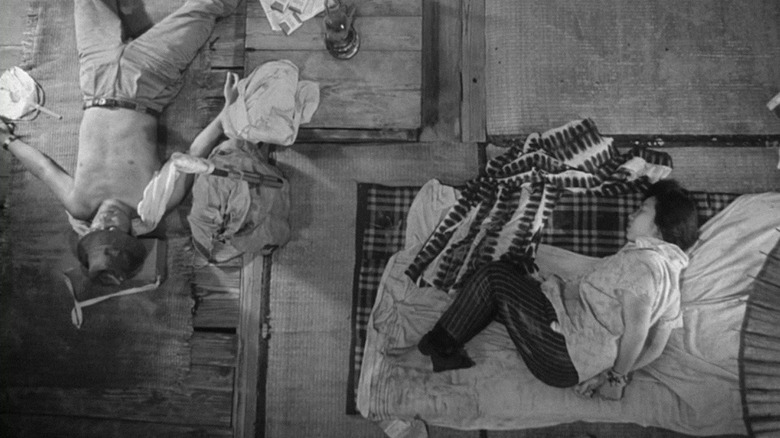
Some of the scariest movies of all time wring frights out of extreme blood and physical torment. They elicit screams from audience members by producing geysers of carnage that would make Peter Jackson or Quentin Tarantino proud. Many great movies, though, produce chilling atmospheres through more subdued means. These are the films that put viewers on edge even without mountains of corpses or disembodied limbs by their side. Hiroshi Teshigahara's 1964 masterpiece "Woman in the Dunes" is no horror movie, but it follows this principle to a tee. It instills an unshakeable sense of unease in the viewer with a subdued atmosphere.
The story of a man becoming trapped in a sandy pit, far away from civilization, is also the saga of a human being losing their mind and growing accustomed to unthinkable circumstances. What horrors do we normalize when they're our unshakeable everyday reality? That is the horrifying crux of "Woman in the Dunes," which Teshigahara explores to unnerving yet absorbing effect. Part of how he creates that chilling ambiance is through a visual motif consisting of extreme close-ups on human bodies. He puts the camera so frighteningly close to cheeks, fingertips, and backs. It's an unforgettably distinctive extension of how the two central captives of this movie are constantly close together.
The haunting images and atmosphere of "Woman in the Dunes" (both so perfectly executed by Teshigahara) are impossible to shake, yet equally impossible to resist.
Yojimbo
Every Akira Kurosawa movie has some artistic merit to it, often to a tremendous degree. That's what happens when you're one of the greatest filmmakers to ever walk the Earth. Kurosawa imbued his projects with performances, blocking, and impactful atmospheres (among many other virtues) that remind viewers why they fell in love with movies in the first place. That creative hot streak extends to Kurosawa's 1960s output, which consists of just five films, but what five films. Between "The Bad Sleep Well," "High and Low," and "Sanjuro," these are titles that would be the peak of any other artist's filmography.
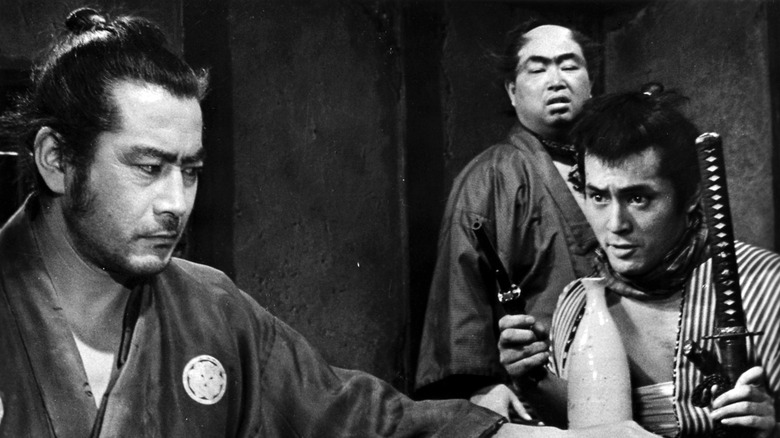
Perhaps the greatest of his 60s output (and, by proxy, one of the best 60s movies from any artist) is 1961's "Yojimbo." This jidaigeki motion picture set in the Edo period follows Toshiro Mifune as a fallen samurai who stumbles into a war between dueling crime lords. As these criminals attempt to hire Mifune's character, Yojimbo gradually begins pitting these gangsters against each other. The script for this title is razor-sharp and it never gets old seeing how this shrewd samurai one-ups his unwitting adversaries. The exceptional writing also extends to how even the most fleetingly-seen supporting players here come off as richly developed people.
There's no better anchor for this project than Mifune, who exudes simultaneous weariness and assuredness with captivating believability. "Yojimbo" is one of Kurosawa's most wall-to-wall entertaining movies, right down to the title delivering one of the all-time great final lines in the history of cinema.
Harakiri
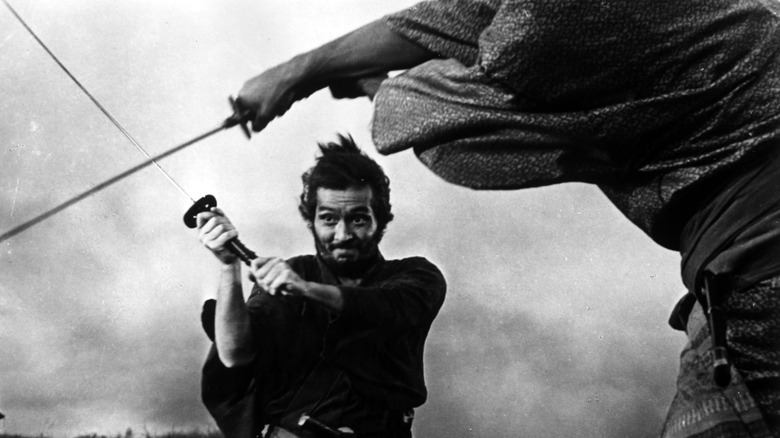
Who do we consider heroes? Who do we consider villains? What is cowardice and actually heroism? It's easy to embrace the surface-level definition of those terms and concepts. Features like 1962's "Harakiri," though, implore viewers to challenge the societal status quo and look deeper. Ironically, such a vividly relevant concept occupies a film set during Japan's Edo period. Here, Tsugumo Hanshirō (Tatsuya Nakadai) requests to commit seppuku in a lavish palace controlled by the wealthy Li Clan. Once inside, the owners of this domicile and then Hanshirō unfurl stories about the past.
It's best to go into "Harakiri" as blind as can be, but rest assured, screenwriter Shinobu Hashimoto and director Masaki Kobayashi deliver something extraordinary for audiences. Needless to say, though, this project does end up transforming into a parable about how class influences how one views the rest of the world. Some have enough money to be removed from the brutalities of reality, while others are forced to endure and recognize the nuances of everyday existence. "Harakiri's" reinforcements of that reality, particularly in the most aching moments of Hanshirō's story, are shattering. His cries of "I'm so selfish! I never even would have thought of that!" about a fallen friend's cleverness that others would perceive as shameful cowardice is especially devastating.
Easily one of the 13 best Japanese movies of all time, "Harakiri" is an extraordinary work right down to how superbly various hues contrast each other in its monochromatic imagery. Few movies reach "Harakiri's" level of quality and thoughtfulness.
Cléo from 5 to 7
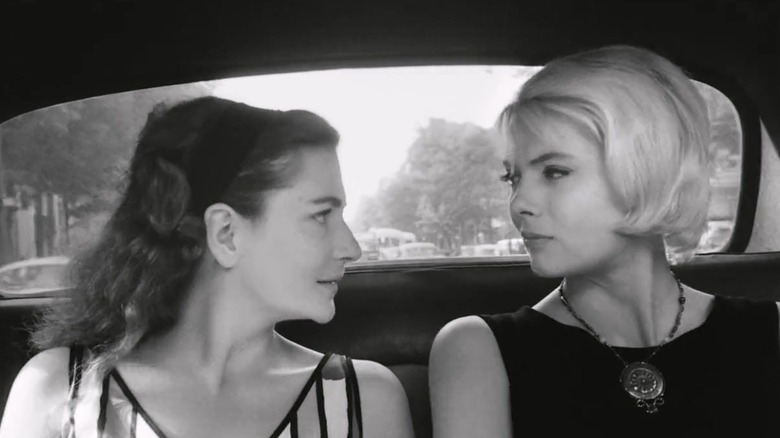
Director Agnes Varda always saw the potential in ordinary lives to anchor entire features. That was the entire crux of her endearing 2017 road trip movie "Faces Places." Her film "The Gleaners & I," meanwhile, heavily emphasized the plight of crop collectors and other everyday souls. This trait doesn't just exist in her documentaries; it's also pervasive in her outstanding narrative features, including 1962's "Cléo from 5 to 7." This motion picture chronicles just 90 minutes in the life of Cléo (Corrine Marchand), whose waiting on imminent test results that will confirm whether or not she has cancer.
Varda confidently focuses "Cléo from 5 to 7" on just a series of intimate exchange between Cléo and other enjoyable characters. Who needs endless narrative propulsion or overwhelming explosions when you have Corrine Marchand's extraordinary lead performance or scenes involving a deluge of adorable kittens? That deeply intimate gaze allows this feature to deliver extraordinarily insightful and memorable sequences like a segment where Cléo sings "Sans toi", with the performance eventually taking place against a haunting black void.
This evocative emptiness seemingly represents the terrifyingly uncertain future surrounding everything Cléo does on this fateful day. This is one of many unforgettable scenes scattered throughout "Cléo from 5 to 7" vividly and distinctively capturing recognizable vulnerabilities. We all get scared. We all feel alone and petrified of what's to come. Thank goodness an artistic legend like Agnes Varda so exquisitely realized those emotions and everyday lives through cinema.
The Battle of Algiers
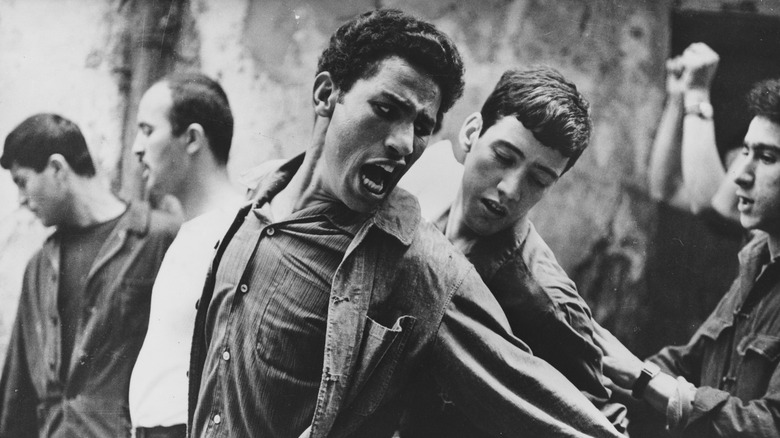
There's a good reason Bob Ferguson (Leonardo DiCaprio) from "One Battle After Another" was so stoked to see 1966's "The Battle of Algiers" playing on TV. This Gillo Pontecorvo directorial effort is a masterwork chronicling the conflict between Algerian citizens and French colonizers. The former side of this war is framed through many different proletariat eyes, including Petit Omar (Mohamed Ben Kassen) and Ali la Pointe (Brahim Haggiag), who has become the leader of the Algerian Front de Libération Nationale. Meanwhile, Colonel Mathieu (Jean Martin) is one of the prominent French characters tying to quell local rebellion.
The start of the Algerian War (1954) was barely more than a decade old when 1966's "Battle of Algiers" began shooting. The raw immediacy of making something so ripped from the headlines is still palpable eons after "Algiers" hit theaters. Pontecorvo and company realize the cycles of brutality on display with such immense power. The human cost of every building destroyed or bullet fired is tremendously tangible. There's also such eerie reality to Pontecorvo's depiction of these historical events. "Battle of Algiers" doesn't feel like a caricatured vision of the past, but rather grisly history unfolding before our every eyes.
Boldly jumping across so many different perspectives across "The Battle of Algiers," meanwhile, works wonders in solidifying the immense scope of this conflict. Ennio Morricone and Pontecorvo's iconic and towering score similarly accentuates the significance of everything happening on-screen. No wonder Ferguson was so excited to stumble onto this cinematic achievement.