

10 Expensive TV Shows That Nobody Talks About Anymore
Typically, television has been considered a low-budget, smaller-scale realm compared to movies. However, TV networks and streamers can spend a pretty penny on a program when they want. And it can pay off, as some of the most expensive TV show productions of all time such as "Stranger Things," "The Mandalorian," and "1923" have attracted audiences in droves. In those cases, the grand scopes and immense spectacle work like gangbusters, servicing compelling characters people want to spend hours with.
However, not every costly TV show becomes a mega-hit that dominates the cultural zeitgeist. This is just as true for pre-2015 shows produced for broadcast networks as it is for productions trying to grab people's attention in a landscape with hundreds of competing TV programs. These notably forgotten expensive TV shows have become cautionary tales for studio executives and showrunners on how all the money in the world can't erase viewer apathy.
These ten programs raked up massive budgets for many reasons, including expansive visual effects work, unexpected production difficulties, and attempts to mimic other successful expensive TV shows, among other factors. Whatever led to their legendarily towering price tags, these series have now become largely forgotten by the general public while cheaper shows like "Heated Rivalry" dominate the airwaves. Let these ten shows remind everyone that storytelling, not the bags of money at one's disposal, is what really rivets couch potatoes.
Secret Invasion
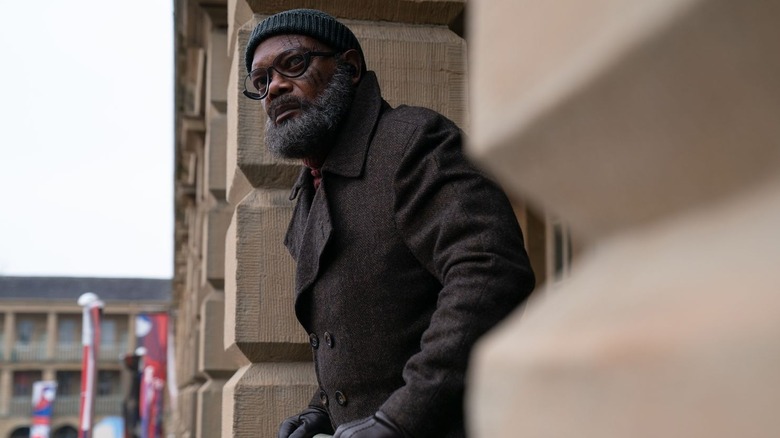
Initially, Marvel Studios made its Disney+ shows much like their movies. These would be big budget affairs relying on a single director (rather than swapping out different helmers for each episode) and eschewed showrunners. Productions like "The Falcon and the Winter Soldier" boasted of functioning more like six-hour long movies rather than episodic television. This flawed approach to producing TV was eventually jettisoned for more traditional creative methods. Before all that, though, was the artistic cataclysm that was "Secret Invasion."
On paper, a solo Nick Fury show centered on shape-shifting Skrulls infiltrating Earth should've been easy as pie to execute well. In reality, though, "Secret Invasion" had a massively troubled production that included extensive reshoots, resulting in a $212 million budget, a massive sum for any small-screen program. Even amongst MCU shows, "Secret Invasion" was pricey, costing substantially more than the $150 million budgeted "Falcon and the Winter Soldier." Even "Loki's" second season, which was full of elaborate sets and sci-fi elements, cost $176 million.
Worse, all that money was spent on a project that didn't move the needle for Marvel geeks. In fact, "Secret Invasion's" viewership numbers signaled Marvel fans' dwindling interest in the franchise's streaming ambitions. Everything about the gloomy and forgettable "Secret Invasion" was a miscalculation, including how much cash was burned on it. No wonder Marvel radically changed how it approached TV production.
Citadel
In their post-"Avengers: Endgame" pursuits, writer/directors Anthony and Joe Russo have developed a fascination for espionage adventures. Specifically, the duo seems hellbent on removing all the sex, glossy colors, or fun from these genres. "Extraction's" Tyler Rake is a mopey guy wandering from one drably colored set piece to the next, butchering people with nary a flicker of chemistry. "The Gray Man" was even more devoid of personality.
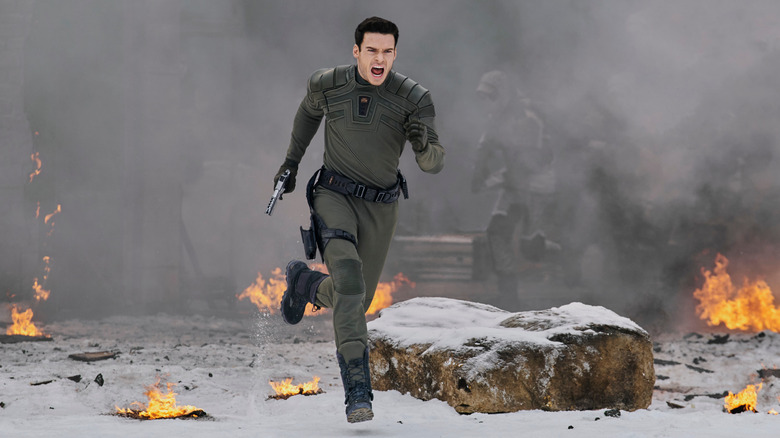
Then there was their big 2023 spy TV show "Citadel" for Amazon Prime Video. This project, headlined by Richard Madden and Priyanka Chopra Jonas, was supposed to be the start of a new franchise for Amazon that spanned multiple languages and countries. Before all those spin-offs, though, there was the original "Citadel," which went through an onslaught of creative overhauls during production. Spy projects, even ones made for streaming, aren't cheap, and having to stop and restart "Citadel's" first season led its budget to skyrocket.
Eventually, all six episodes of the inaugural "Citadel" season cost $300 million. That averages out to $50 million an episode, a budget that many cable shows would kill to have for an entire season of 13 episodes. After all those behind-the-scenes struggles, "Citadel" didn't even register with viewers. The show failed to leave enough of a mark to resonate as a flop. A second season is on the way, but it's unclear what fanbase will be tuning in.
Vinyl
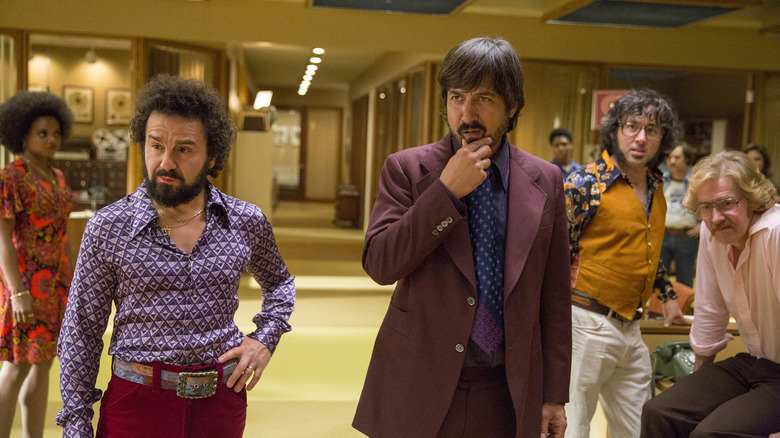
Many expensive but forgotten TV shows are pricey projects rooted in large-scale pre-existing intellectual properties. Perhaps it was inevitable such series, even if they eventually languished in obscurity, were costly given all the visual effects work deployed. The 2016 HBO show "Vinyl," meanwhile, was a different story. Following New York-based American Century Records navigating the evolving music scene circa. 1973, this was a grounded endeavor focused solely on human beings, not alternate dimensions or otherworldly visitors.
Despite that, "Vinyl," which counted Mick Jagger and Martin Scorsese among its four creators, had a pilot episode that cost $30 million. For comparison, the previous Scorsese/HBO collaboration, "Boardwalk Empire," had a pilot that cost $18 million. The whole first season racked up a $100 million budget, meaning it would've needed to become an instantaneous "Sopranos" level phenomenon to justify its costs.
Instead, "Vinyl" failed to gain any traction with viewers, and its ratings proved tremendously disappointing. To add insult to injury, "Vinyl" eventually became another in a long line of TV shows that were abruptly canceled after being renewed. Despite its buzzy cast that included Juno Temple and then-future "Boys" star Jack Quaid, "Vinyl" has failed to even amass a cult following in the years since. For whatever reason, this trip to American music's past is now a footnote in the history of its prolific creators.
See
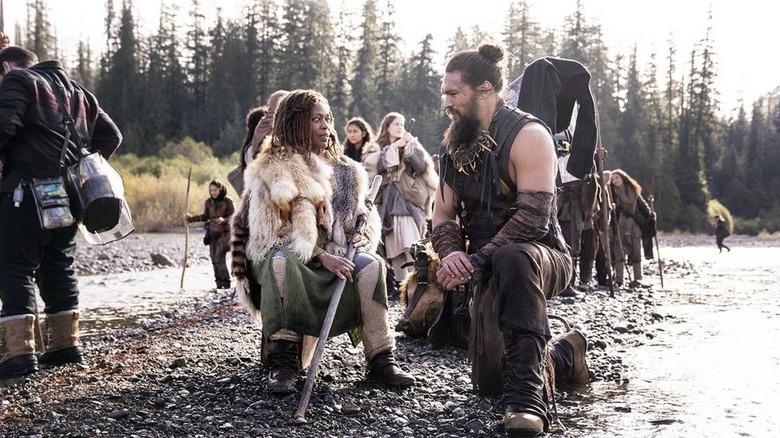
TV networks and streamers can find success in unexpected places. In summer 2016, for instance, Netflix launched the incredibly "The Get Down from "Great Gatsby" helmer Baz Luhrmann. Sadly, it didn't prove anywhere near as popular as that year's other big Netflix show from the then-unknown Duffer Brothers, "Stranger Things."
Apple TV experienced a similar phenomenon in its first year of existence. One of the platform's original shows on its launch, "See" a high-concept series exploring a future version of Earth where everyone is blind. Each episode cost $15 million to make, a stunning sum for a show that got poor reviews and no tangible fanbase. Nine months after "See's" first installment dropped, the infinitely smaller comedy "Ted Lasso" hit Apple TV and became a feel-good phenomenon.
It's easy to see why Apple TV executives threw so much cash at "See," a gritty medieval-adjacent (albeit one set in the future) starring a "Game of Thrones" veteran. The possibility of the nascent streamer scoring its own equivalent to Westeros was too enticing to pass on. However, "See's" exorbitant budgets couldn't rectify its uninteresting characters. No wonder the cheaper "Ted Lasso" surpassed "See" as Apple TV's must-watch show. Even Momoa helped further obscure "See," overshadowing it with his subsequent, better-reviewed Apple series, "Chief of War."
Now and Again
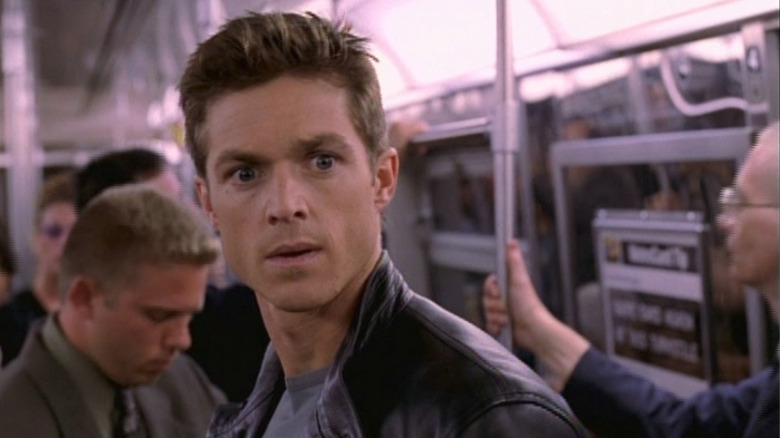
It's no surprise that a deluge of costly shows were launched in the peak TV era, when countless cash-ridden streaming platforms were trying to get off the ground. But back in the dominant days of broadcast television, there were still inexplicably pricey programs that faded into obscurity. That included the 1999-2000 CBS program "Now and Again." This quasi-spiritual precursor to the movie "Source Code" followed Michael Wiseman (Eric Close), a normal husband and father who, after being killed, gets his brain put into a body designed for spying. Now he's torn between the demands of his U.S. government bosses and a desire to return to his suburban life.
This elaborate program got strong reviews from critics, who praised "Now and Again's" zippy atmosphere and memorable performances. Even though all the pieces had been laid for a follow-up season, "Now and Again" was cancelled after only 22 episodes. The exorbitant costs of $2.4 million an episode just didn't make the program feasible, especially when audiences gravitated towards more grounded fare like "Friends" and "Judging Amy."
While "Now and Again" retains its share of fans, its lack of availability on streaming has faded it from the larger cultural conversation. The show debuting just before a wave of more beloved sci-fi network shows like "Lost" similarly sealed its doom. At least it was ahead of the curve as a one-season show with a staggering price tag.
Terminator: The Sarah Connor Chronicles
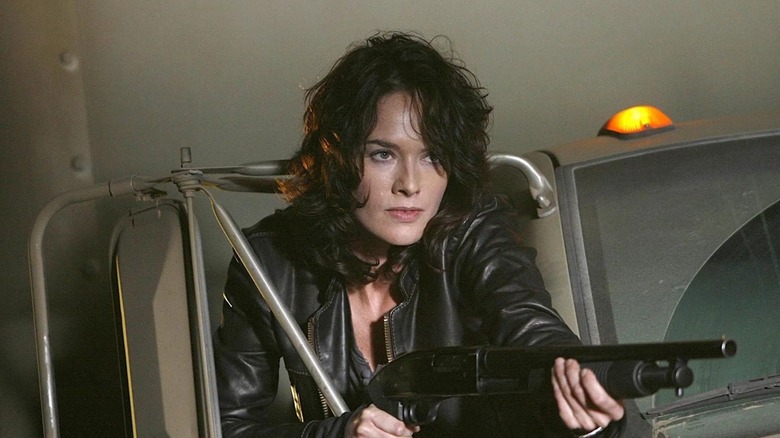
Along with a barrage of movies, the complicated "Terminator" franchise timeline also includes "Terminator: The Sarah Connor Chronicles," which ran for two seasons on Fox from 2008 to 2009. The program followed Sarah Connor's (Lena Headey) life with her son John (Thomas Dekker) after the events of "Terminator 2: Judgement Day." Said life, unsurprisingly, involves Sarah Connor fighting back against time-traveling robots.
A "Terminator" show, even one made for broadcast television producing 22 episodes a season, couldn't be made for peanuts. Each of Season 1's nine episodes had an average budget of $2.65 million, requiring "Sarah Connor Chronicles" to hit the ground running with tremendous viewership. While its very first episode was a behemoth in terms of ratings, audiences quickly tuned out this program by the time its second season began.
Fox cited these figures and the budget for "The Sarah Connor Chronicles" as the principal reason its journey ended after two seasons. Since its demise, "Sarah Connor Chronicles" has failed to secure much of a sizable cult following, possibly because the "Terminator" brand is so tainted at this point. Titles like "Terminator: Genisys" were so poor that it's dissuaded people from watching 31 hours of the franchise's network television efforts. Costly TV-level spectacle can't erase dwindling audience loyalty.
Terra Nova
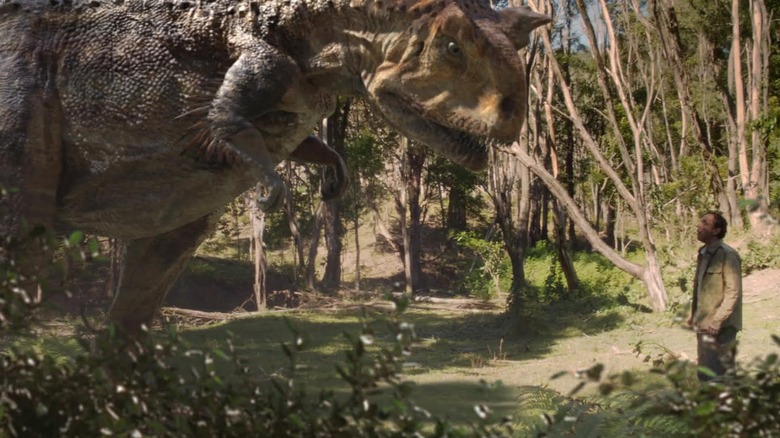
The 2011 Fox show "Terra Nova" wore its blockbuster aspirations on its sleeve. Being a program that involved dinosaurs and executive producer Steven Spielberg, the show's creators clearly wanted to recapture some of that "Jurassic Park" magic. Meanwhile, having Stephen Lang in the main cast as a tough authority figure echoed his role in "Avatar," which had just become the biggest movie of all time. If "Terra Nova" scored even a fraction of "Jurassic Park" and "Avatar's" success, Fox executives would've been over the moon.
The show's budget ended up being $4 million an episode, a major investment that set the bar high for "Terra Nova." By 2012, the series was dead in the water and would not be returning for another season. Despite the promise of CG dinosaurs and other sources of glossy spectacle, "Terra Nova" failed to make itself stand out from other similarly ambitious sci-fi shows.
"Terra Nova's" nosedive into obscurity has been further hastened by it featuring one of the most frustrating cliffhangers in a cancelled TV show. Ending the "Terra Nova" universe on such a sour, open-ended note couldn't have been good for its long-term reputation. Massive budgets can buy CG dinos, but not loyal fans.
Jupiter's Legacy
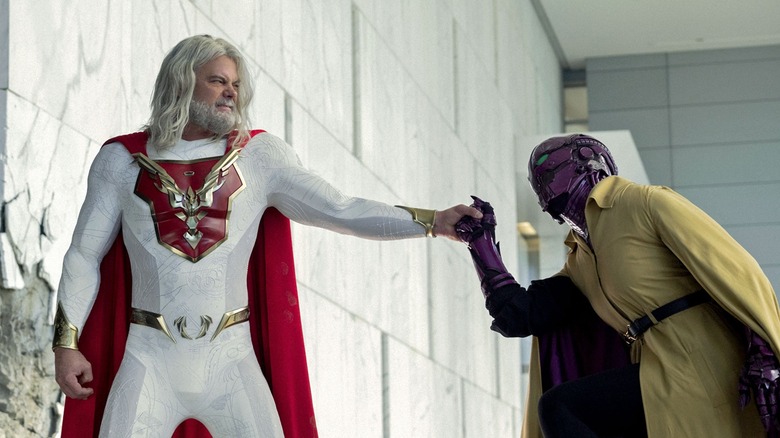
Long before Netflix made a run at buying Warner Bros., the streamer's very first foray into acquiring media entities was purchasing Mark Millar's comic book shingle Millarworld. Considering his original comics like "Wanted," "Kick-Ass," and "Kingsman" had spawned successful movie adaptations, Netflix clearly hoped it could house similarly lucrative enterprises. The first of these was "Jupiter's Legacy," a 2021 show starring Josh Duhamel, Leslie Bibb, and Matt Lanter following multiple generations of superheroes.
As Marvel's TV exploits have demonstrated, shows about costumed crime-fighters rarely come cheap. "Jupiter's Legacy," though, had its budget spiked by pre-production problems and heavy reshoots. Eventually, its budget reached just south of $200 million, an excessively hefty sum for an eight-episode long season based on obscure comic book characters.
Worse, the show didn't have any of the anarchic energy nor wish-fulfillment storylines (wherein normal people become superspies or assassins) of past Millar adaptations. Instead, it was a mopey slog that scored dreadful reviews. Nobody was interested in this tremendous let-down, which was unsurprisingly canned after a solitary season. In the years since, there's been no demand for its revival. That's unsurprising given how many other superhero shows exist. Nearly a decade after the acquisition, it's clear Netflix didn't get much of anything out of purchasing Millarworld, outside of this costly boondoggle.
Y: The Last Man
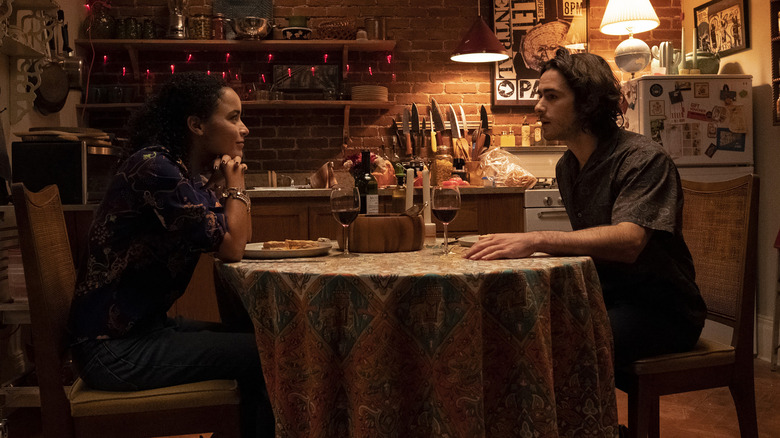
The TV adaptation of the graphic novel "Y: The Last Man" saw a long troubled road to existence. First announced in 2015, it would be another three years before FX commissioned a pilot. Even after getting picked up, "Y: The Last Man" faced many subsequent hurdles, including losing its initial showrunner and COVID-19-induced filming delays. This endless chaos culminated in "Y: The Last Man" dropping onto FX on Hulu in September 2021.
Though it was later reported that this elaborate post-apocalypse show (which featured a CG monkey as one of its main characters) had come in a smidge under its $8.5 million-per-episode price tag, the program was still an immense financial undertaking. When it came time to renew or cancel, FX opted to eschew shelling out another $3 million to keep the cast under contract and just end "Y: The Last Man."
Reviews for "Y: The Last Man" were generally positive, but in the years since its demise, there hasn't been any surge in interest for this project. That can be chalked up to the surplus of pricey modern shows set in post-apocalyptic landscapes, including "The Walking Dead" and "The Last of Us." "Y: The Last Man" spent so much time getting off the ground only to fall back down and secure a tragically minimized cultural reputation.
Carnival Row
When Amazon Prime Video began airing original programming, the platform had more HBO-style ambitions of housing prestige television. By the end of the 2010s, though, the streamer was embracing more immediately profitable fare like "Jack Ryan" and "The Boys." These programs paved the way for Amazon's default genre slate today that consists of "Fallout," "Invincible," and "Young Sherlock."
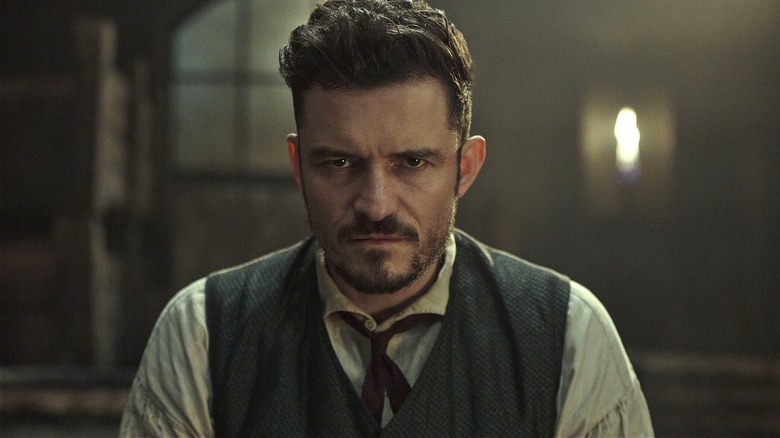
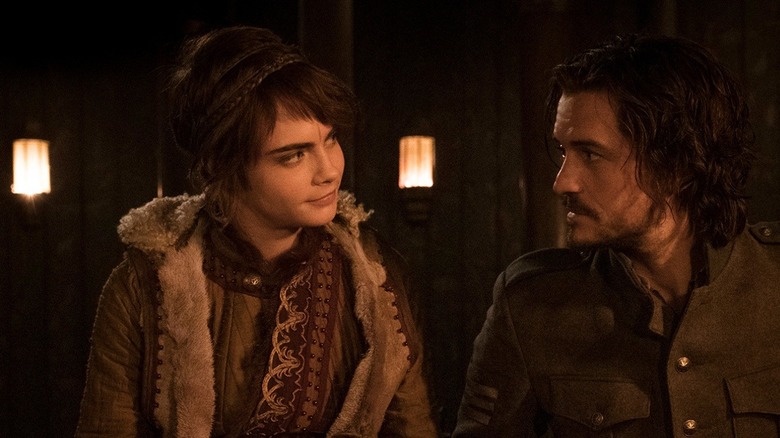
Kicking off this trend was "Carnival Row," a 2019 fantasy program that went the "Zootopia" and "Bright" route of using non-humans as stand-ins for real-world marginalized people. Specifically, mythical creatures like fairies and fauns represented oppressed immigrants. Only inspector Rycroft "Philo" Philostrate (Orlando Bloom) can solve a string of murders centered on these fantastical individuals.
The first "Carnival Row" season tallied up an immense budget, an inevitable outcome for a show starring Bloom, Cara Delevingne, and all kinds of pricey visual effects. Amazon had high hopes, as seen by "Carnival Row" getting renewed for another season a month before its series premiere. Tremendous confidence and massive budgets, though, didn't make "Carnival Row" must-see television. The show scored mixed reviews and died out after two seasons. Since its conclusion, "Carnival Row" has vanished, being overshadowed by the streamer's many other big-budget fantasy shows that it ironically paved the road for.