

Hoppers Review: Pixar's Wildest Comedy In Years Has Real Bite
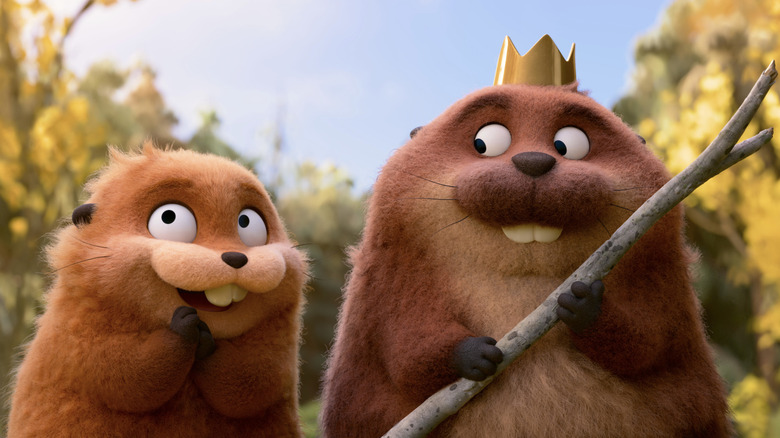
- Emotionally resonant because it doesn't water down its environmental message for young audiences
- Mabel is one of the more complex protagonists in Pixar history.
- Earns its moving ending like only the best Pixar movies can
- Shares some of the lazy tendencies of DreamWorks or Illumination movies
Is it time that we accepted that the vintage era of Pixar is over and there's no renaissance for the studio in sight? Each new Pixar release is saddled with the burden of living up to the improbably high standards of their golden era, a period I would argue culminated with 2010's emotionally rousing "Toy Story 3," although the subsequent high points of "Inside Out" and "Coco" did fool many (including me!) into thinking they remained at the peak of their powers when they weren't stuck in sequel land. This decade, only "Turning Red" has felt like it could stand toe-to-toe with the peaks of the Pixar back catalogue, but that alone wasn't enough to change assumptions that the glory days were behind us; that it got dumped on streaming at the very last minute didn't help.
There are bold new voices from the next generation of animators at the studio, but it's hard to argue they're being afforded the space to develop when they're likely to get thrown on random franchise assignments, or tasked with retooling somebody else's personal project (as "Turning Red" director Domee Shi was with last year's far-better-than-its-reputation "Elio"). It's not an environment conducive to producing a new masterpiece, which is why it's time to recalibrate expectations and start viewing each risk-averse sequel or extensively focus-grouped original in the same light as a DreamWorks or Illumination feature.
"Hoppers" has all the cuddly animals and distractingly out-of-place pop culture gags for the adults as those studios regularly include, but it also feels more creatively inspired when working from the same toolbox. If Pixar is now just as formulaic as its Hollywood animation peers, then director Daniel Chong's film is a reminder that a stereotypical crowd-pleaser from this studio is made with enough emotional sincerity and visual inspiration to never feel like cheap product fallen off the factory line.
Hoppers is like a better version of Avatar
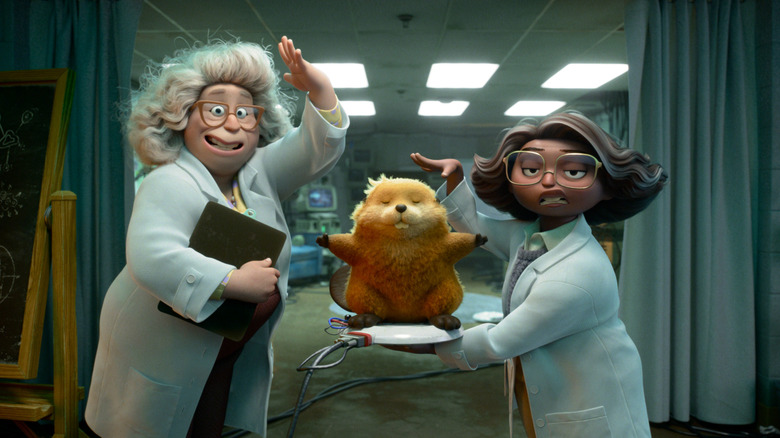
Early rumors that an environmental message had been removed from "Hoppers" are squashed almost immediately. Mabel (Piper Curda) is a budding young activist, desperate to save the glade in her small town that Mayor Jerry (Jon Hamm) is demolishing to make way for a new highway. As a child, she had serious anger issues, and her now-departed grandmother discovered that the best solution was for her to spend time among nature; in the years since, she has singlehandedly devoted her life to it, and now even skips college classes to try keep city planning officials off the land that wildlife has long since left. One night, she sees a beaver walking there and follows it, trying to get it to reinhabit the glade and stop it getting destroyed, but gets more than she bargained for when it toddles back to her college and she realizes that it's a lifelike robot one of her tutors (Kathy Najimy) body-swapped with.
Sensing the chance to save the environment through transferring her consciousness into this robotic avatar, she rushes past her professors, transforms into a beaver, and embarks on a journey further into the wilds to find out where all the animals have gone. The screenplay by Jesse Andrews doesn't hide the fact that this basic premise coupled with the environmental message sounds like "Avatar," and calls it out directly — the key difference is that you don't have to pore over increasingly inexplicable lore (like in "Avatar: Fire and Ash," which Looper also reviewed) to understand the emotional stakes at play. The moral about protecting the natural habitats of wildlife is front and center from the film's opening scenes, not watered down or hidden behind allegory as the earlier behind-the-scenes reports suggested.
If anything, it's even more direct than the thematically similar "Wall-E" on this front, which hid behind intergalactic sci-fi and dystopian tropes — don't worry reader, I still think that's a better movie than this — rather than place the immediate threat in the here-and-now. Neither film comes off as preachy, understanding the emotional intelligence of their young audiences to explore this topic with nuance, even as the message couldn't be blunter.
There's a happy ending through the tears
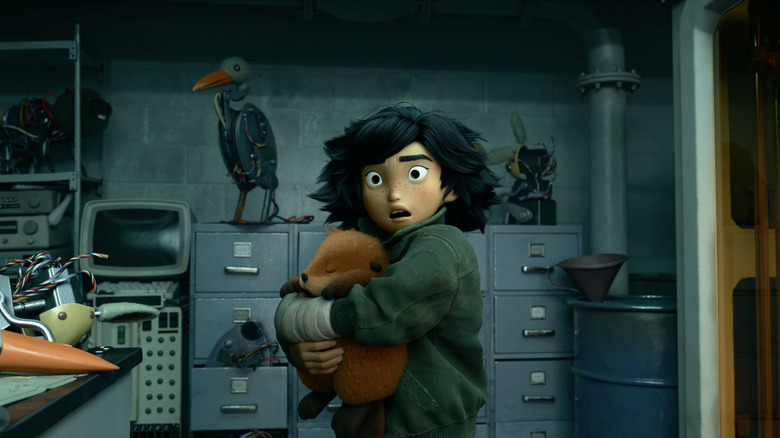
The "Avatar" comparisons continue with Jon Hamm's mayor character representing a less sinister but equally destructive Quaritch figure, equally determined to bulldoze over the land for short-term capital gain. All art is political, of course, but I suspect the filmmakers would argue that it's far more humanitarian so they don't rattle cages — either way, it's a nice touch that it's impossible to work out which political party he's a representative of, with both blue and red colors dominating everything from his dress sense to his campaign logo. It's a less realistic touch that the overarching message is about finding the good in those with opposing views and working together to fix things, although I don't think idealism necessarily means the film is naive to the challenges the young generation watching this is going to face. This is a movie that earns its happy ending and keeps its triumphs small-scale, grounded with the characters; it doesn't pretend that it can change the world, but maybe one little corner of it at a time. It's the kind of sophisticated-for-children message that harks back to Pixar's golden age — some signs of the magic are still there.
Mabel is one of the more challenging protagonists Pixar has ever built a story around, with her activism being born from a childhood full of anger issues nobody in her life knew how to handle, and still regularly bubble up. Young people are angrier than ever about the state of the world, but it's still a shock to see that depicted in a film for audiences even younger still, without watering down one of the key sources of that anger to make it palatable. Once again, it's surprising that there were reports the movie had its message watered down, if not removed altogether; it not only wants to inspire a new generation of environmental activists, but aims to meet them at their emotional states, intuitive about their anger and helplessness that nothing positive can be done. It's a wish-fulfillment fantasy, yes, but it's also an escapist comedy set among a whole host of animal kingdom eccentrics. The laughs and the unexpected friendship Mabel develops with beaver King George (Bobby Moynihan) exist to help make the film feel less of a bitter pill to swallow, rather than temper a volatile emotional state so it becomes four quadrant friendly.
The fact that "Hoppers" also features cartoon animals dancing to Eddie Money, and cringe-inducing jokes for the parents like a bird saying "flock around and find out," is a sign that this comes at an interesting moment for Pixar. The lazy screenwriting tendencies of rival animation studios are growing ever more present in their movies, but the emotional sincerity still easily wins out here. It's hardly vintage Pixar, but in its best moments, it resonated with me like only the greatest of them have.
"Hoppers" lands in theaters on March 6.