

10 Controversial TV Plot Twists That Made Fans Stop Watching
A good TV show needs a strong plot twist from time to time in order to shake things up. TV writers are at pains to keep audiences guessing, but not every twist that's dreamt up is bound to be gold. A good twist can make an average TV show become one of the all-time greats. A bad, predictable, or downright silly twist, on the other hand, can turn a beloved series into a TV show people regret watching.
For every controversial twist fans never stop talking about, there's another half dozen disastrous episodes that nearly sunk the entire series. The twists we've gathered here run the gamut from the plainly awful to the painfully predictable. They didn't necessarily ruin their series. Some of the shows we'll discuss survived their terrible twist and went on to have amazing runs. Others didn't fare so well, and now when fans look back all they talk about is the awful plot twist that soured their favorite series. Regardless of how things turned out in the end, all of these are shows that lost some viewers by swinging for the fences with a plot twist that absolutely no one wanted.
Glen's death whiplash ruined The Walking Dead
Early in its run, "The Walking Dead" established that no character is safe in its version of the zombie apocalypse. In the first few seasons, the show killed off a new character seemingly every week, and that atmosphere of tension and danger was a big part of its appeal. So the show's writers may have been surprised, then, when one character death in particular caused ratings to plummet.
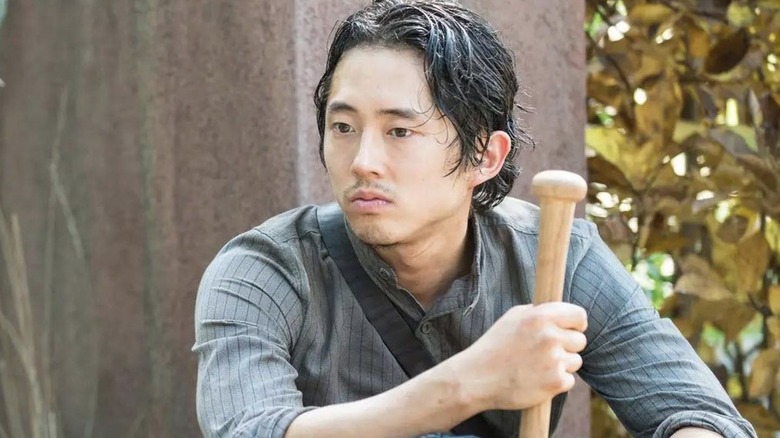
More than 17 million people tuned in to watch "The Walking Dead" Season 7 premiere "The Day Will Come When You Won't Be." In the episode, Negan (Jeffrey Dean Morgan) reveals himself to our survivors and violently takes control of the group. Negan cemented his position as chief madman in the apocalypse by killing Abraham (Michael Cudlitz) and Glen (Steven Yeun) with his trusty baseball bat Lucille.
Fans were horrified, and many of them felt like Glen's brutal death was gratuitous and ruined their enjoyment of the show as a whole. It didn't help that in Season 6, Glen apparently "died" in a horde of walkers, only for the show to reveal a few episodes later that he'd survived the attack in an utterly unbelievable way by hiding under a dumpster. Glen's real death was one twist too many, and not long after "The Walking Dead" had its viewership drop down to Season 3 levels, with just over 10 million people tuning in to watch. Glen's death wasn't the end of the show, but it was the end of the road for many of the series' fans.
Maria Hill was wasted in Secret Invasion
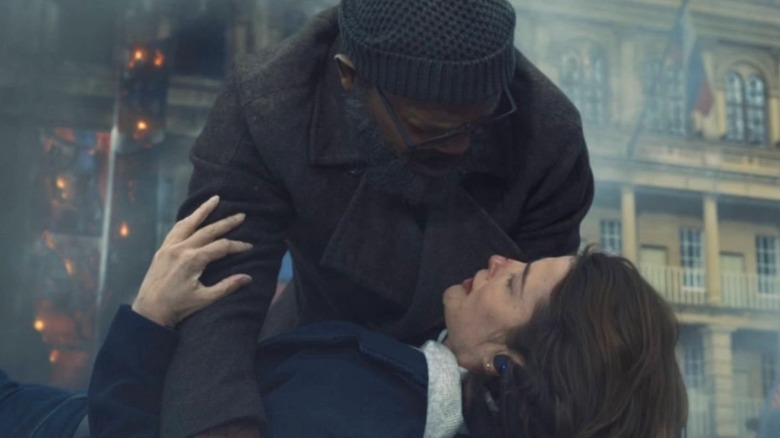
The Marvel Cinematic Universe is so jam–packed with different characters that not everyone gets their proper chance to shine. S.H.I.E.L.D. Maria Hill (Cobie Smulders) was part of the MCU since 2012's "The Avengers," but she's always been a background player. Fans have seen Maria at Nick Fury's (Samuel Jackson) side time and time again, but the MCU movies never got around to explaining why exactly she seemed to be Fury's right-hand agent.
Enter "Secret Invasion," a Disney+ series about Fury combating Skrulls that have infiltrated human society. "Secret Invasion" is a popular storyline from the comics, and fans were excited to finally get a close look at how Fury and his top agent work together. Unfortunately, that's not what happened at all. The show killed Agent Hill in the very first episode in a genuinely shocking twist that ultimately served next to no purpose in the show's overall plot.
"Maria's death is a classic example of fridging and it's so frustrating to see it blatantly done in 2023," wrote one frustrated fan on Reddit. Her death ups the stakes for Fury in the show, but fans didn't think that was worth sacrificing one of the MCU's most underused characters. The twist convinced fans that "Secret Invasion" was prioritizing big surprises over strong storytelling, and they weren't impressed. Judging by the disappointing reviews of "Secret Invasion" and the show's 43% audience score on Rotten Tomatoes, the rest of the episodes did nothing to change that initial impression.
The Flash's Doctor Alchemy wasn't really mysterious
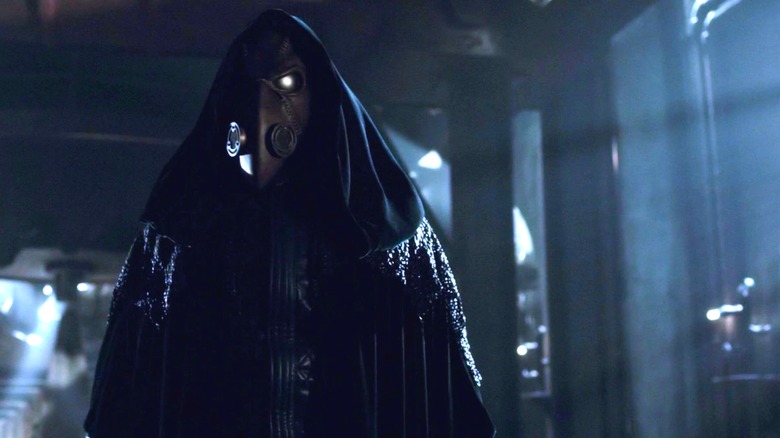
Comic book fans love a surprise villain reveal — as long as it's actually surprising. The third season of The CW's "The Flash" series brought in Tom Felton as crime scene investigator Julian Albert, and at the exact same time the show introduced a mysterious masked villain known as Doctor Alchemy. It didn't take fans much effort to put the pieces together for themselves. Comic book readers already knew that Julian Albert was Doctor Alchemy, and even regular TV viewers didn't have a hard time imagining that the series hired Felton to play a major villain.
The writing was on the wall, but that didn't stop the show from dragging out its big reveal for half a season. Executive producer Greg Berlanti even hyped up the reveal, telling fans that they'd have to wait until the mid-season finale to discover who was hiding behind Doctor Alchemy's mask. Everyone saw the twist coming, and it played out in a completely predictable way that felt, to many fans, an awful lot like the surprise villain reveals that were featured in the previous two seasons. Diehard fans of "The Flash" have expressed some confusion about why people hated the show's Doctor Alchemy reveal so much, but when a show bashes you over the head with an obvious twist after seven hours of TV, it's no surprise that some people are going to be miffed about the way things played out.
Luke Cage needed more Cottonmouth
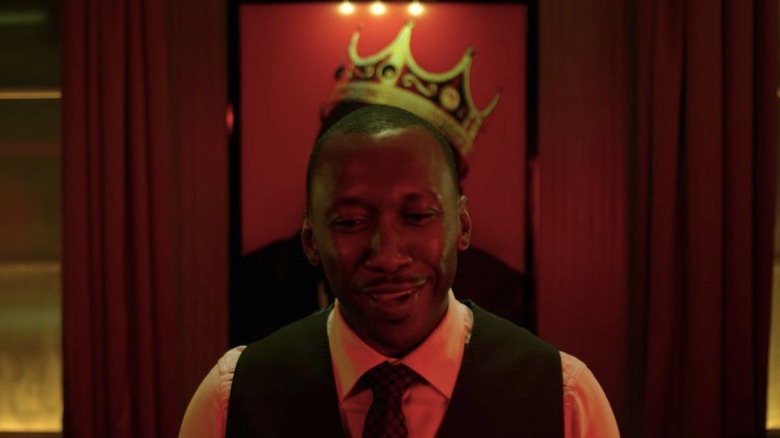
Netflix's "Luke Cage" follows its titular superhero (Mike Colter) as he comes into his own and begins working as Harlem's defender. The first season of the show introduced Mahershala Ali as the steely-nerved villain Cottonmouth, and fans fell in love with the character. Cottonmouth is a ruthless killer who seems like the perfect foil for Luke, but then in the seventh episode of the season, he's unceremoniously killed in a surprise twist.
Years later fans still talk about how the quality of "Luke Cage" Season 1 drops off dramatically after Cottonmouth's death. After his quick exit from the show, a new main villain named Diamondback (Erik LaRay Harvey) is revealed, and fans generally hated the way the last few episodes play out. Sadly, this is an example of a time when a plot twist was basically forced on the writers of a TV show. Series creator Cheo Hodari Coker later explained on Twitter that Ali was only available to film 7 episodes of the show, and the team decided that they wanted him in the season badly enough to work around that schedule restriction. Does that completely logical explanation for Cottonmouth's sudden death make the back third of "Luke Cage" Season 1 any less disappointing? No, but the truth does make it ever so slightly easier to forgive the show's fumble on a rewatch.
Did Family Guy really need a dramatic twist?
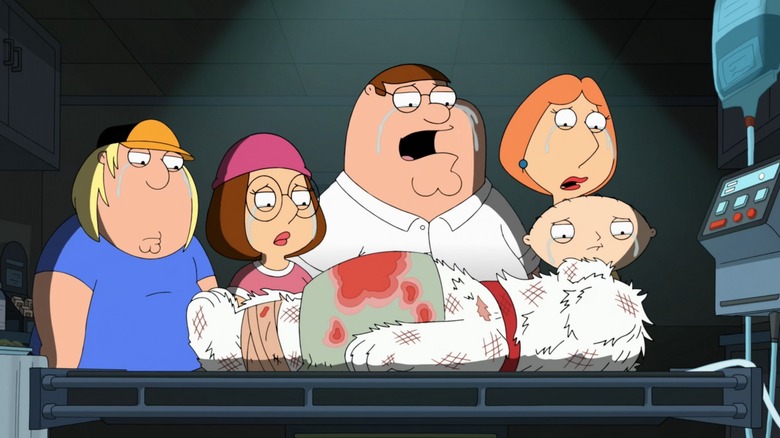
Most people don't think of "Family Guy" as the type of show that has genuine plot twists, and the show's most famous twist proves that's for good reason. In Season 12, the show tried to take a surprising and dramatic approach with one of its most beloved characters, Brian (Seth MacFarlane). In the episode "Brian Dies," well, the family dog kicks the bucket. Brian's death was surprisingly emotional, and the show really presented the entire situation as though it was going to represent a permanent change for the series moving forward.
Two episodes later, thanks to some time travel shenanigans, Brian was back to life and playing his standard "Family Guy" role. Fans hadn't been happy about his death, but they were particularly upset to discover that the entire plot had been a fake-out. Many felt cheated and played by the show, which might explain why the Season 12 finale was the first in the series' history to pull in fewer than four million viewers. Of course, the disappointing Brian storyline wasn't the death knell of the series, but years later it's still remembered as one of the lowest points in "Family Guy."
The Mad Queen was a letdown for Game of Thrones
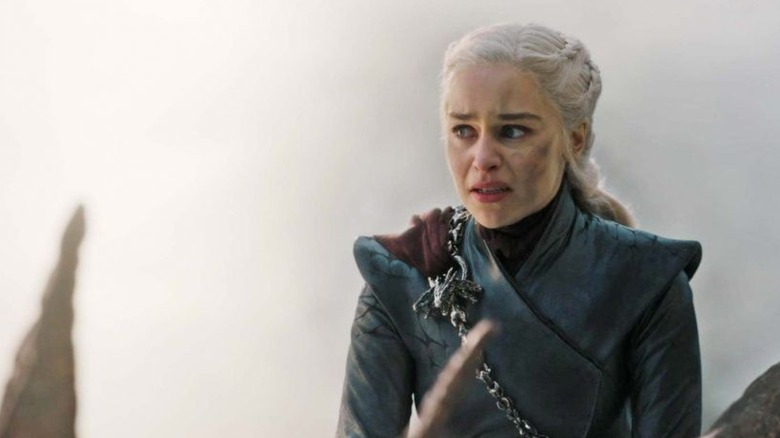
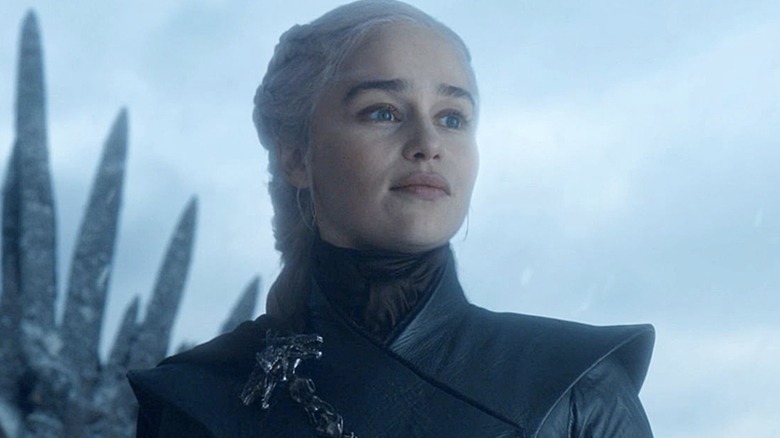
"Game of Thrones" Season 8 has essentially become shorthand for disastrous TV storytelling. The season is filled with problems, from poor pacing to unearned character moments to bafflingly dark lighting. Fans of the show could probably spend hours discussing everything they hate about Season 8, but the Daenerys twist that plays out in the second-to-last episode "The Bells" is particularly galling.
Here, Daenerys (Emilia Clarke) finally becomes the Mad Queen and goes on a violent rampage for the ages, burning King's Landing to the ground. The series had hinted at Daenerys's turn, but, like many other plot points in Season 8, the actual moment comes across as rushed and only half-formed. Longtime viewers felt like Daenerys's attack didn't actually feel earned. She'd experienced so much tragedy in her life, and the events leading up to "The Bells" didn't really justify why she'd now, after so many years, suddenly become an overwhelmingly violent attacker. What should have been one of the most shocking and heartbreaking moments of the entire series felt utterly hollow. The fact that this disappointing twist leads directly into the much-maligned series finale just makes the Mad Queen moment even more infuriating in retrospect.
Morgan shouldn't have been the Intersect in Chuck
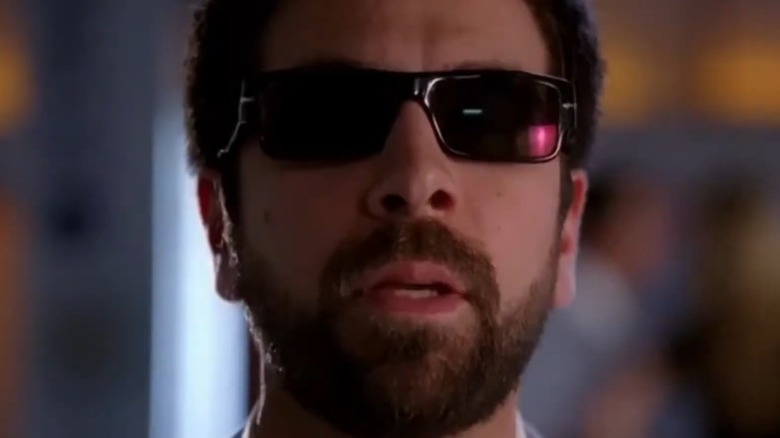
NBC's "Chuck" basically spent its entire on-air existence fighting for its life. The show was never a ratings boon for the network, but thanks to a dedicated group of fans, "Chuck" managed to cling to life for five seasons. The series follows its titular character (Zachary Levi) who's an average guy working as customer tech support for a big box store called Buy More. One day Chuck gets an email from his old college friend who's secretly become a spy, and the email essentially zaps a government computer called the Intersect into Chuck's brain. Chuck's life is completely upended, but over the course of several seasons, he ends up coming into his own as a spy.
Season 4 of "Chuck" ended with a massive twist when Chuck's best friend Morgan (Joshua Gomez) got a new version of the Intersect zapped into his brain. Fans weren't excited about one of the show's main comic relief characters becoming a computer-powered spy, and their disappointment showed in the next season's ratings. The Season 5 premiere had 50% fewer viewers tune in compared to the start of Season 4, and viewers continued to abandon the season as it went on. "Chuck" ended after that fifth season, but for many fans the Morgan twist caused the show to go out on a sour note.
Cordelia had a disgusting romance plot in Angel
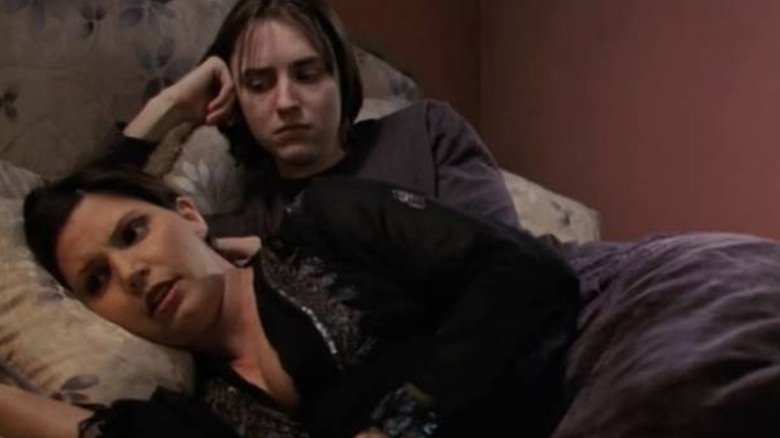
"Angel" is a "Buffy the Vampire Slayer" spinoff that fans of the Buffyverse deeply love. The series expands on several beloved characters from the main series like Angel (David Boreanaz), Cordelia (Charisma Carpenter), and Wesley (Alexis Denisof), while also introducing countless new faces and exploring the lore of the overall franchise. There's no shortage of great moments in "Angel," but there's also one particularly unsettling plotline in Season 4 that fans can't stand.
In a massive twist, Season 4 reveals that Angel has a son named Connor (Vincent Kartheiser) who was stolen and raised in Quor'toth, a hell dimension. When Connor returns to Earth, chaos ensues, but the situation gets even stranger when Cordelia becomes possessed. She and Connor have a romantic relationship, and fans simply couldn't stand a storyline where Angel's best friend sleeps with his son.
Decades later people still talk online about the fan outcry over the Cordelia/Connor relationship. Some fans quit the season then and there, and they missed out on what's widely considered to be a great finale. Luckily, the icky relationship didn't last into season five. "Angel" managed to recover and achieved its best-ever ratings before being suddenly canceled, creating one of the most frustrating TV cliffhangers of all time.
The Dallas dream season lost some fans
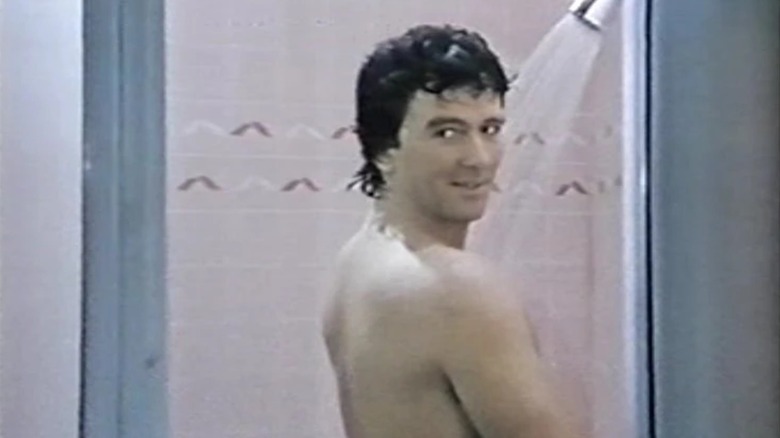
Bad twists can be gross, ridiculous, or just plain predictable, but there's only one awful TV twist — that we know of — that undid an entire season's worth of television. We're talking about the "Dallas" dream season. "Dallas" is a soap opera that follows the Ewing family in Texas, and at the end of Season 8 Bobby Ewing (Patrick Duffy) dies after being run over with a car. Season 9 picks up with the family mourning Bobby, and a full 31 episodes of soap opera misadventures play out before the show unveils one of the wildest twists in TV history.
Pam (Victoria Principal), Bobby's main love interest who was utterly devastated after his death, wakes up one morning to find Bobby alive and well in her shower. This isn't a normal case of soap opera resurrection, though. It turns out that the entire 9th season of "Dallas," and the Season 8 finale featuring Bobby's death, was just a dream Pam was having. Now that she's woken up, the show can get back to "normal," and that's exactly what it does in Season 10.
Online fans of "Dallas" still scratch their heads about the dream season. For many people, the move completely ruined the show, and it left them feeling like the writers had just been pulling a prank by making them watch 31 technically fake episodes. Others appreciate the boldness of the move, even if they agree that it doesn't make much sense from a storytelling perspective.
Debra's confession was the beginning of the end for Dexter
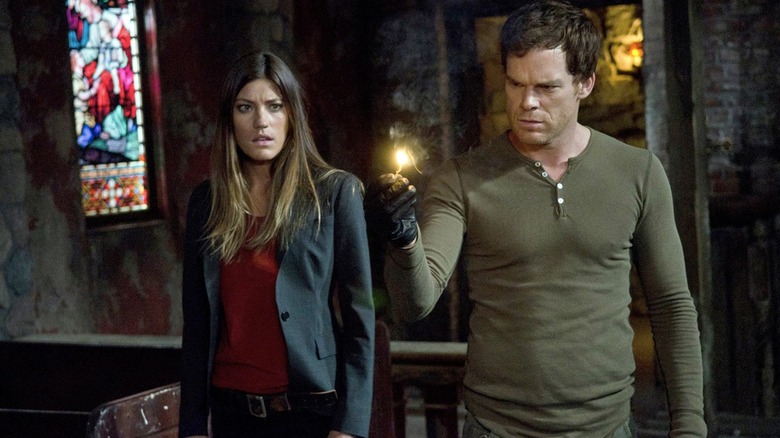
Michael C. Hall plays the eponymous serial killer in "Dexter," and for years fans were hooked on his morally questionable pursuit of brutally murdering other killers. Today, fans don't look back on the show so kindly, partly because "Dexter" has one of the worst series finales of all time, but also because the show made some seriously sketchy decisions leading up to its disappointing ending. One disturbing twist in particular should have been a sign to fans that "Dexter" wasn't moving in a positive direction.
At the end of Season 6, Debra (Jennifer Carpenter) confesses her love to Dexter, who's her adopted brother. The two of them were raised by the same father, and to this day fans are grossed out by the decision to have a romance develop between the two. Some fans think the love subplot is just a poor justification for why Deb doesn't turn her brother in for being a killer, and others think it was a move the writers came up with purely to shock the show's audience. Either way, the Deb/Dexter relationship is one of the grossest parts of the show, and for many people it was a clear sign that "Dexter" was on its way to a low-quality conclusion.