

10 Movies That Were Box Office Hits Despite Terrible Reviews
Ask anyone who follows box office minutiae for a living, and they'll tell you that dollars and quality do not align. The best movies artistically typically don't connect with or get marketed toward the general population. Meanwhile, many of the world's biggest box office movies failed to get glowing marks from film critics and even some moviegoers. Sometimes, glowing reviews help certain films get seen by otherwise non-committed viewers, such as adult dramas released during award season. Many times, though, other factors compel what motion pictures become box office juggernauts.
Ten particular movies stand out as sublime examples of what happens when bad reviews happen to massive hits. Despite garnering horrible responses from critics, they still excelled at the box office for a variety of reasons. Perhaps they were connected to an unbeatable brand name. Maybe they were anchored by a movie star people trusted more than their local newspaper critics. Other times, the undeniable allure of big screen spectacle was enough to get butts in seats.
Whatever happened, these movies had no trouble cleaning up at the box office. What they lacked in critical praise, they more than made up for in the gobs of cash they procured at movie theaters everywhere.
Transformers: Age of Extinction
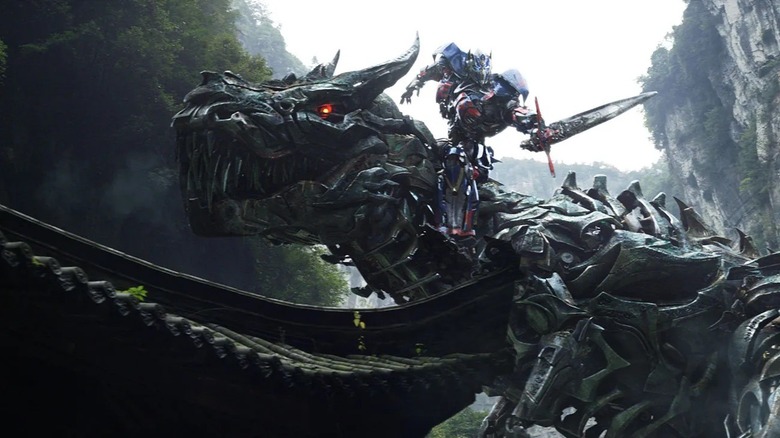
Michael Bay's "Transformers" movies were never critical darlings, but at least the first 2007 installment got more positive than negative reviews. Since then, however, every Bay-helmed "Transformers" movie has been lambasted by critics. That was particularly true for the 2014 outing "Transformers: Age of Extinction," which fused Mark Wahlberg and robotic dinosaurs into the maximalist world of this franchise. While many "Age of Extinction" shortcomings weren't unique among "Transformers" movies, certain flaws made this adventure especially egregious.
For one, there was the infamous "Romeo & Juliet law" scene that was unspeakably uncomfortable to watch. Then there was the deluge of product placement scattered throughout, not to mention its drably colored reimagining of the Dinobots. None of that was enough to ward off moviegoers hankering for some robot action, though. "Age of Extinction" hit an incredible $1.1 billion at the worldwide box office, making it the biggest movie of 2014 globally. The film prospered especially well in China, representing 2010's Hollywood's love affair with the country.
After "Age of Extinction," the "Transformers" saga's box office trajectory entered a downward spiral that it's never emerged from, no matter how many new creative directions — and better reviews — these titles have received. For one final moment in 2014, though, "Age of Extinction" saw the "Transformers" franchise flourish financially while enraging professional critics.
Jurassic World Dominion
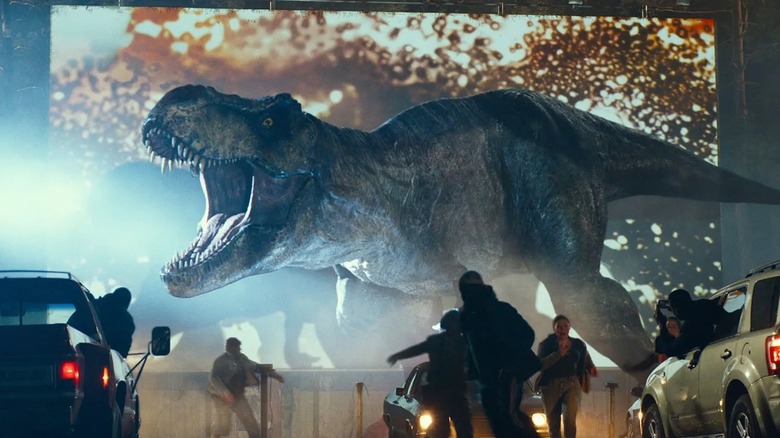
Having Steven Spielberg's name attached to 1993's "Jurassic Park" suggested a level of prestige to this Michael Crichton novel adaptation that separated it from other blockbuster titles at the time. Spielberg's prowess as a storyteller and showman made "Jurassic Park" a historic hit, though it also set a high artistic standard that none of its sequels (even the one helmed by Spielberg) have come close to matching. However, even the most passionate "The Lost World: Jurassic Park" haters would undoubtedly welcome it with open arms instead of revisiting 2022's "Jurassic World Dominion," which exemplified just how far this brand name had strayed from the quality of the initial installment.
Critics gave a barrage of thumbs-downs to "Dominion," particularly regarding its overcrowded script, which was stuffed with way too many characters. Who wants an excess of humans and subplots about locust-oriented conspiracies when we could be watching dinosaurs? Excessive callbacks to earlier "Jurassic Park" movies and limp performances from actors like Chris Pratt also garnered criticism.
However, summer audiences turned up in formidable numbers for "Dominion" despite its toxic critical reception. Grossing $1.004 billion worldwide, this was the third consecutive "Jurassic World" entry to crack the $1+ billion mark globally. It was an impressive financial feat for a film whose reputation among critics was the polar opposite of the one "Jurassic Park" cultivated.
How the Grinch Stole Christmas
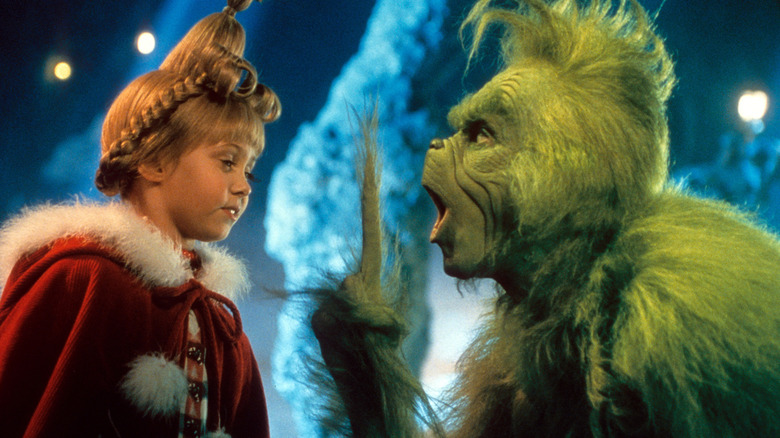
For 2000's "How the Grinch Stole Christmas" adaptation, Dr. Seuss whimsy merged with bizarre adult humor, cynicism, and extremely padded storytelling. A once simple children's book became a haven for a barrage of dreadful creative decisions, guided by cynical marketing impulses rather than a dedication to realizing yuletide joy. Only Jim Carrey's energetic lead performance and impressive makeup work really shone here. It's no wonder critics weren't fond of "The Grinch," which has since been dubbed by many as one of the worst Christmas movies ever.
Even with many reviewers declaring it as pleasant as sitting next to a seasick crocodile, a whole generation grew up with Carrey's Grinch being their de facto version of the character. Today, the film's dedicated fanbase doesn't consider any holiday season complete without revisiting "How the Grinch Stole Christmas." Even back in 2000, though, audiences were far more enamored with "The Grinch" than critics. The movie grossed a mammoth $260 million domestically in its initial theatrical release. That made it not only profitable but also the biggest movie of the year in North America.
One man's trash is another man's treasure. For "How the Grinch Stole Christmas," what critics saw as a disaster became a (deeply lucrative) holiday delight for the general public.
The Twilight Saga: New Moon
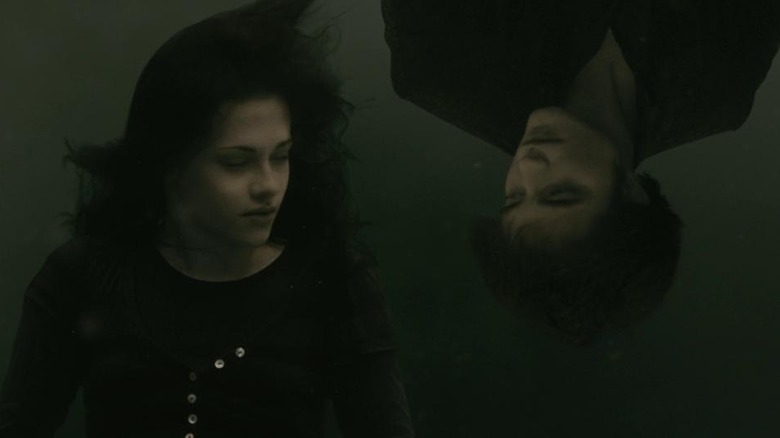
In November 2008, the "Twilight" movies took off as a cultural force. A year after the initial "Twilight" shattered all box office expectations, "The Twilight Saga: New Moon" debuted to the biggest November opening weekend ever domestically. Eventually, this vampire drama made a little over $290 million in North America, a once unthinkable sum for a "Twilight" movie. "New Moon" showed how massive the fanbase for Bella (Kristen Stewart) and Edward's (Robert Pattinson) adventures had become, paving the road for further $280+ million domestic "Twilight" cumes to come.
While the year-long gap between "Twilight" and "New Moon" helped expand its standing amongst the general public, the latter actually performed considerably worse critically. Reviewers were frustrated over this entry's lack of melodramatic vigor or bolder visual sensibilities compared to the original "Twilight," being traded out for ceaseless moping and uninspired imagery. Focusing so much on Taylor Lautner's lackluster performance also received disdain.
None of these marks deterred "Twilight" fans from either seeing "New Moon" in droves or growing substantially. This franchise was a barreling locomotive that nothing could stop. Dismal reviews from critics certainly didn't capsize "New Moon's" enormously impressive box office feats.
Die Another Day
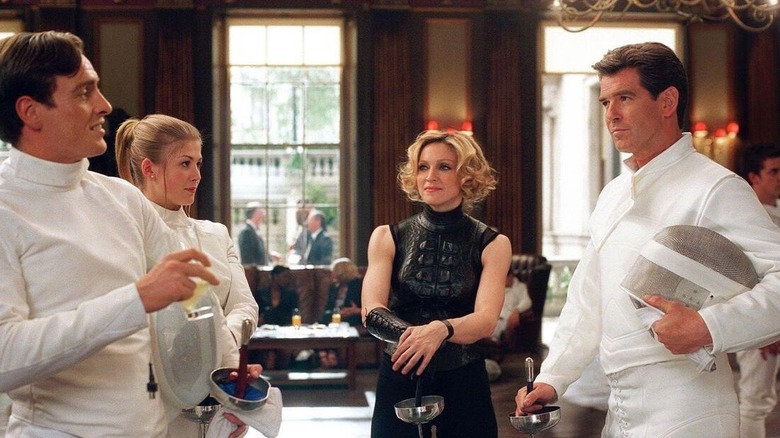
Every James Bond movie, from the worst to the best, has its ardent followers. Even entries initially seen as "derailing" the saga eventually find moviegoers who groove to their ambitions. There are surely fans of "Die Another Day," Pierce Brosnan's final turn as 007, out there. However, it received tepid marks among critics. This particular adventure took Bond too far into the realm of the outlandish, while indulging in fake-looking CG spectacle. It didn't help that there weren't any especially memorable foes or action sequences to make these defects more digestible.
Years later, "Die Another Day's" reputation had, if anything, grown worse as its visual effects work became more dated and Daniel Craig's subsequent 007 adventures overshadowed it. However, unfavorable marks didn't keep "Die Another Day" from reaching impressive heights at the box office. The film's $431.94 million worldwide cume was the biggest ever Bond movies at the time. That's extra impressive given that the "Die Another Day" late 2002 launchpad put it directly in the path of "The Lord of the Rings: The Two Towers." Thankfully, there turned out to be enough room for both sequels in 2002's holiday season.
With that, Brosnan's tenure as James Bond ended on a high financial note, though far from a perfect one in terms of critical reception.
Wild Hogs

Unless the idea of William H. Macy getting into coffee house shenanigans following a computer mishearing sounds entertaining to you, then you'll almost certainly forget everything about 2007's "Wild Hogs." This Macy, Tim Allen, Martin Lawrence, and John Travolta comedy was about middle-aged angst and surface-level gags ripped straight out of a tepid sitcom. The plot went nowhere special nor did any of the performances.
Critics, understandably, weren't fans of this slipshod enterprise. Resorting to tired gay panic jokes or broad slapstick inspired a film that just wasn't very funny. A boatload of talent (including Ray Liotta as an adversary) was wasted on something lacking any pulse or creativity. Despite the rampant disdain from critics, though, "Wild Hogs" had a very memorable box office run.
In its domestic run alone, "Wild Hogs" grossed a massive $168.21 million. Doing more than four times its North American opening weekend, "Hogs" was a leggy feature that clearly benefited from exceptional audience word-of-mouth. Becoming 2007's 13th biggest movie in North America, audiences chose to rev up with "Wild Hogs" despite its critical contempt. All that money spent on a movie that faded so quickly into obscurity.
Daddy's Home
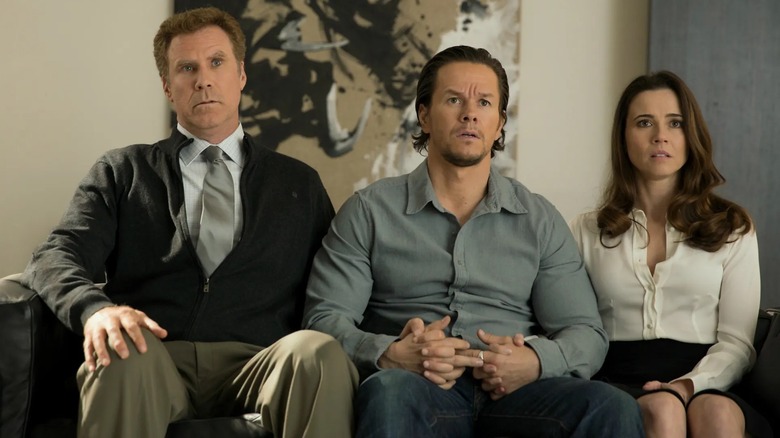
There's nothing more awkward than a terrible comedy. Just sit through the worst comedy movies ever made and try not to cringe over the horrendous jokes and phoned-in performances. Subpar dramas can take on unintentional camp entertainment, but something like "Meet Dave" never evolves into anything tolerable. "Daddy's Home" exemplifies just how miserable bad comedies can get. Will Ferrell's best movies reflect his immense talent, but none of that could salvage this particular 2015 dud.
Critics were united in despising this atrocious comedy, particularly for its delivery of the most predictable gags imaginable. The flat cinematography and weird pacing were also constant sources of criticism. However, "Daddy's Home" turned into a mammoth box office hit with a domestic cume exceeding $150 million. This PG-13 yukfest turned out to be perfect counter-programming for families over that year's holiday season. If you didn't want to see "Star Wars: The Force Awakens," this comedy grounded in suburbia could satisfy.
"Daddy's Home" didn't tickle the funny-bones of many critics, but its financial success shows that the general public felt differently. Sometimes, even the most unbearable comedies get the last laugh at the box office.
Camelot
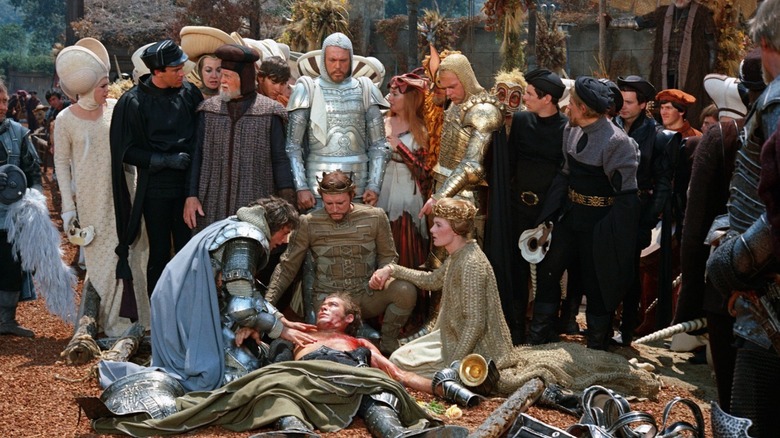
The third biggest movie ever made in North America, when adjusting for inflation, is 1965's "The Sound of Music." Julie Andrews's other defining 1960s musical, "Mary Poppins," is also among the 30 biggest movies ever domestically when inflation is accounted for. These and other lavish '60s era musicals like "West Side Story" and "My Fair Lady" show how lucrative the genre was in this decade. Studios were quick to try replicating this box office success, which is where 1967's "Camelot" comes into play.
This film adaptation of the popular stage musical boasted extravagant period-era garbs and musical numbers to lure audiences. That was enough to make it a hit and among the top grossers of 1967. However, that couldn't shield "Camelot" from critical derision. Even at the time, the film was perceived as a bloated snooze representing all the ills of late '60s musicals (see also: "Doctor Dolittle"). None of the performances garnered much applause and the camerawork lacked distinctive flourishes that could've livened things up. Its massive runtime only reinforced the film's listless qualities. In other words, this project was the antithesis of all the joys found in the best musical movies of all time.
Soon, "Camelot" and similarly lengthy musicals were ditched by Hollywood for new forms of spectacle. Before the genre died out, though, "Camelot" briefly became box office royalty, albeit while also securing reviews fit for a pauper.
Casino Royale
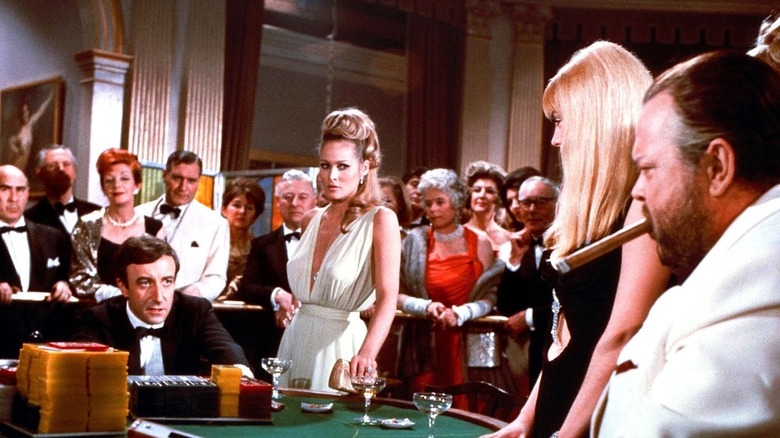
1965 was plagued by "Bondmania," as the James Bond films and characters were at their height of their popularity. With features like "Thunderball" crushing it at the box office, it was inevitable that others would try scooting in on this cinematic space. Enter "Casino Royale." A weird rights issue allowed producer Charles K. Feldman to make a film adaptation of Ian Fleming's 007 story "Casino Royale" totally separate from the massively popular Sean Connery Bond movies.
"Casino Royale" ended up being a farcical comedy full of various well-known actors playing the mantle of "James Bond." Rampant silliness and celebrity cameos were the name of the game here. The result was a tremendous financial success that demonstrated how much allure anything with the Bond name had. Critics, however, savaged the parody, deeming it utter torture to sit through. A barrage of forced gags running for 131 minutes, "Casino Royale" overstayed its welcome (not to mention used up all the potential of having multiple play James Bond) real fast, while its crowded nature meant few of the famous faces left an impression.
Luckily for the folks financing this weird endeavor, there was enough love in the air for 007 to make "Casino Royale" profitable. There's good reason, though, why more talk about the Daniel Craig adaptation of this story.
Five Nights at Freddy's
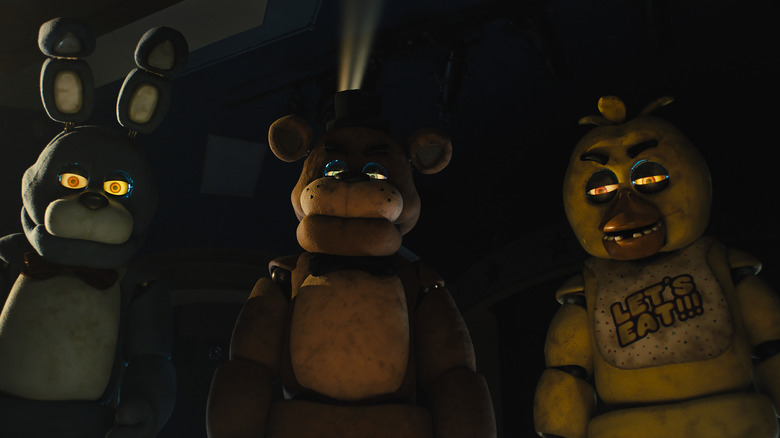
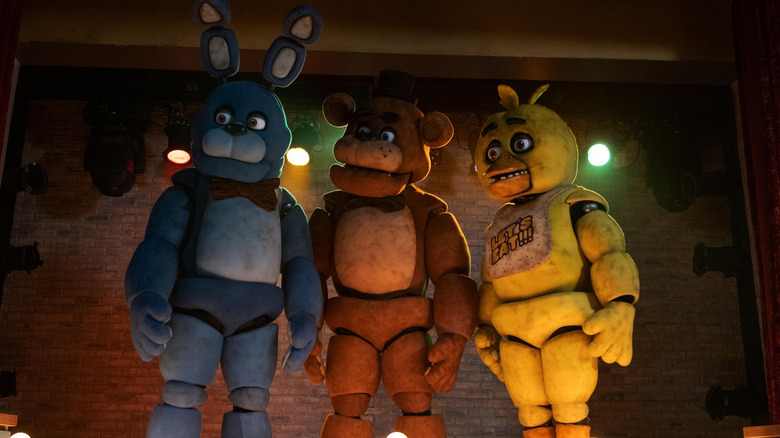
As a video game, "Five Nights at Freddy's" has terrified players and YouTubers for years. As a movie, "Five Nights at Freddy's" left film critics bored and unimpressed. A general criticism was that the film failed as a horror title. Awkward editing to keep "Freddy's" in a PG-13 box and a dearth of creative frights wasted all potential for spine-tingling mayhem.
Many were also puzzled as to why the film focused so heavily on its generic new human cast instead of the animatronic figures people came to see. In terms of critical reception, this Emma Tammi directorial effort was a bust. Audiences, though, ate up everything "Five Nights at Freddy's" had to offer to the tune of over $290 million worldwide. A spectacular hit on a $20 million budget, "Freddy's" clearly struck a chord with moviegoers, especially younger audiences. Releasing this horror production just before Halloween was a stroke of genius that literally paid off.
As an exercise in making money off a familiar video game brand, "Five Nights at Freddy's" was a massive success. Per professional critics, though, this enterprise suffered way more in terms of its artistic merit.