

5 Sci-Fi Box Office Bombs That Eventually Got Sequels
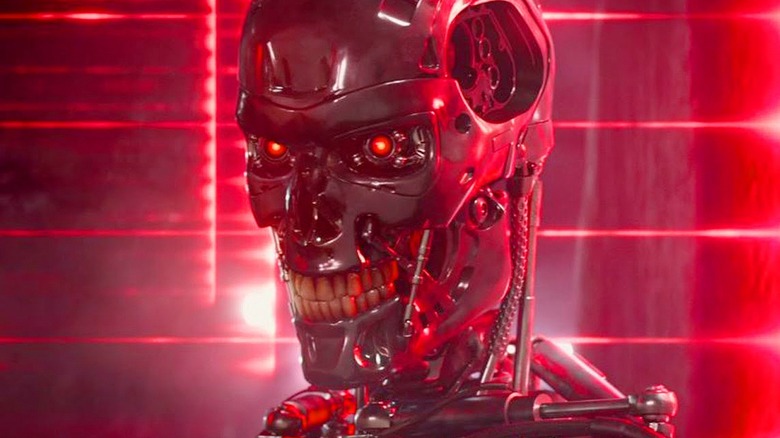
Sci-fi films often spawn lucrative franchises. What is the Marvel Cinematic Universe if not a collection of sci-fi features where Norse Gods are reimagined as aliens using dimensional portals? Then there's the "Avatar"films that keep sweeping up audiences into otherworldly adventures involving assorted Na'vi factions. Then there's Star Wars, which keeps producing new movies and TV shows set on assorted goofy planets. There have been massive sci-fi bombs throughout cinema history, but the most influential sci-fi film franchises make it clear why studios keep pursuing this genre — it's the money, sonny.
That would also help explain why studios keep giving sequels to certain sci-fi box flops. While financial failures in other genres spell doom, several sci-fi motion pictures have struck out financially only to later receive sequels — even decades later. While this may sound like a strange phenomenon, there's five notable examples of sci-fi box office flops inexplicably garnering sequels. These features reflect, among other things, how initial box office numbers don't tell a whole story. Sometimes titles spawn enough of a cult following to make a sequel sound like a rational maneuver.
Others amongst these five movies, though, merely reflect greediness and a desire to wring all possible loose change out of brand names. Above all else, these five sci-fi flops that spawned sequels capture this genre's potent power. Even box office duds can be deemed "successes" when sci-fi can make an easy buck.
Blade Runner
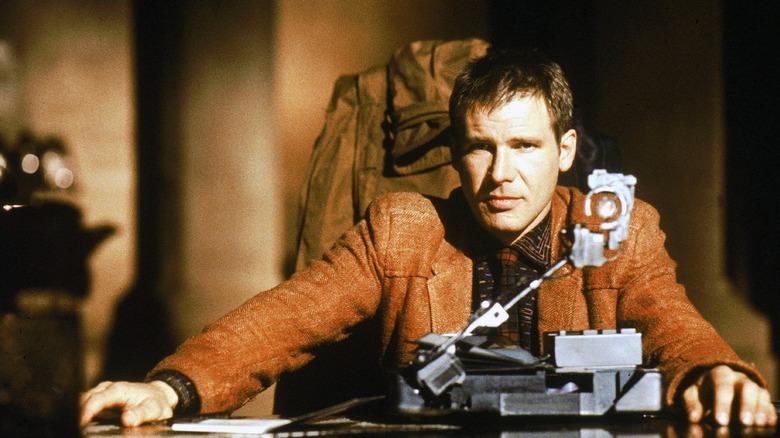
Today, "Blade Runner" is considered one of the best sci-fi movies of all time. Its visual aesthetic and approach to realizing a dystopian world has proven influential on generations of subsequent sci-fi media. So much beloved art wouldn't exist without "Blade Runner." All of that makes it bizarre to remember that "Blade Runner" was a box office nonstarter when it opened in 1982. Its initial domestic run of just $27.5 million didn't come close to recouping its $28 million budget. To boot, it was vastly overshadowed that year by other, more accessible sci-fi features, like "E.T."
The grim world of "Blade Runner" has proven irresistible, but initially, this production was just too bleak and lacking in spectacle for audiences to get a grasp on. Opening in a summer where there were no shortage of choices for sci-fi entertainment didn't help either. Over time, "Blade Runner" proved far more impactful than other, more profitable titles from 1982. "Blade Runner" even managed to become beloved enough to inspire something that nobody in 1982 thought would ever exist. Decades after its debut, a sequel materialized in the form of 2017's "Blade Runner 2049," which followed a new Replicant lead played by Ryan Gosling.
Ironically, despite the expanded "Blade Runner" fandom, "Blade Runner 2049" flopped at the box office. The decades and styles will change, but "Blade Runner" films just can't quite click with mainstream audiences enough to turn a profit.
The Thing

Part of the untold truth of John Carpenter's "The Thing" is that the film's initial failure hit its director hard. Carpenter would later recall that it was the misfire that most impacted him, given how many vile responses the motion picture received. In a year where triumphant crowdpleaser movies like "E.T." and "Rocky III" reigned supreme at the box office, "The Thing" unflinchingly demonstrating men turning on each other in times of extreme crisis was not what mainstream audiences craved. People were not ready in 1982 for something this grim and bleak. Plus, all the gory body horror further turned folks off.
While "The Thing" initially flopped at the box office, it, like its titular alien beastie, transformed over time into something new. It didn't take long for "The Thing" to rightfully become hailed as a masterpiece. Everything, from the phenomenal ensemble cast, to the masterful practical effects, to the harrowing atmosphere, have grown esteemed in the years since its release. That initial cold shoulder thawed enough for Universal to eventually deliver a prequel with 2011's "The Thing." Unfortunately, it also bombed, and has since become mostly known for how it ditched impressive practical effects work for CG replacements in post-production.
Still, inspiring any kind of follow-up speaks to how much "The Thing" has had its reputation restored since its premiere. Early plans are brewing for Universal and Blumhouse to further exploit this once persona non grata horror film with another "Thing" movie.
R.I.P.D.

While other studios have abandoned the direct-to-video movie, Universal Pictures and its 1440 Entertainment division keep on chugging, producing follow-ups to Universal projects like "Half Baked," "Dragonheart," "Tremors," and more. A Universal movie doesn't have to break the bank or even turn a profit to warrant a 1440 sequel. Just ask the infamous 2013 cataclysm "47 Ronin," which spawned the 2022 sequel "Blade of the 47 Ronin." Another example of this willingness to turn everything into a franchise was a direct-to-video sequel to the ignominious "R.I.P.D."
This Ryan Reynolds and Jeff Bridges comedy was about dead people fighting evil spirits looking to take over the living world. It was stupid and rife with unpleasant character designs, not to mention excessively noisy comedy. Nobody was clamoring for more, but writer/director Paul Leyden gave the world "R.I.P.D. 2: Rise of the Damned" anyway, which followed a pair of new R.I.P.D. agents (played by Jeffrey Donovon and Penelope Mitchell) in a Western saga involving undead baddies. "Rise of the Damned" hasn't exactly left a mighty big impression on pop culture since it debuted and, in purely cynical terms, it's hard to imagine the "R.I.P.D." brand name being beloved enough to gain even casual moviegoing-at-home interest.
Terminator: Genisys
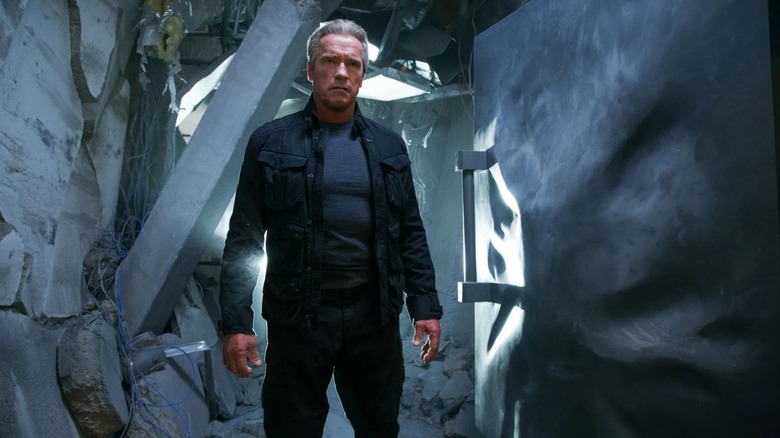
In 1991, all other movies bowed to "Terminator 2: Judgement Day" at the domestic box office. James Cameron's work was a mammoth box office sensation and forever changed the visual effects landscape. What once looked like an unstoppable brand name, though, became far more fraught in the 21st century. In 2009, "Terminator: Salvation" came in behind 22 titles at the domestic box office, including "Paul Blart: Mall Cop" and "The Proposal." That already signaled people were growing weary of "Terminator" movies, but Hollywood persisted in exploiting the brand. Six years after "Salvation," Paramount and Skydance dropped "Terminator: Genisys" as yet another attempt to recreate the "Judgement Day" box office phenomenon.
The result was an embarrassing box office performer that only managed to reach $432 million worldwide because of unexpectedly massive business in China. Domestically, the title grossed just $89.7 million, making it the first "Terminator" sequel to miss the $100 million mark in North America. This sum put "Genisys" behind "Planes," "Madea Goes to Jail," and "Kindergarten Cop" (among other significantly cheaper titles) domestically. The once mighty "Terminator" brand name had been brought down to Earth. Despite these financial struggles and clear signs of audience apathy, Skydance pressed forward. "Genisys" then inspired "Terminator: Dark Fate," which became an incredible failure at the box office. What an immense fall from "Judgement Day."
Highlander
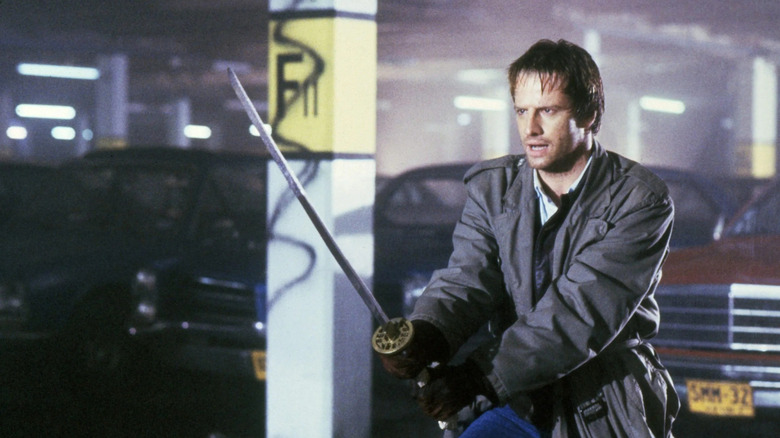
The "Highlander" saga just won't die, with the franchise spawning multiple movies and even multiple TV shows. A costly reboot from Amazon/United Artists is on the way courtesy of "John Wick" director Chad Stahelski with a cast that includes Henry Cavill, Karen Gillan, Dave Bautista, and Russell Crowe. This is despite the fact that the original 1986 "Highlander," the one that started it all, was a box office crash. Other films that spawn long-term franchises at least have one mega-hit that kicked off the mythology. Not so for "Highlander," which started life with a March 1986 installment that cost $16 million to make and made $12.9 million worldwide. Basic math indicates this production was unprofitable.
The five year gap between "Highlander" and "Highlander II: The Quickening" suggests people behind-the-scenes weren't scrambling to get "Highlander II" off the ground. The original "Highlander" did, after becoming a box office failure, turn into a home video success. "Highlander" was the bee's knees of many a video rental store, which helped get further "Highlander" adventures realized. Still, even with strong VHS numbers, it's bizarre to remember all the "Highlander" movies and TV shows stem from a box office flop.
The fact that no other "Highlander" movie has ever cracked $15+ million worldwide further suggests there's an innate barrier preventing the "Highlander" brand name from taking off with moviegoers. Good luck to the forthcoming reboot, then, which will need all the luck it can in evading a box office legacy started by the initial "Highlander." Perhaps there really can be only one.