

5 Reasons Why Star Trek: Discovery Flopped
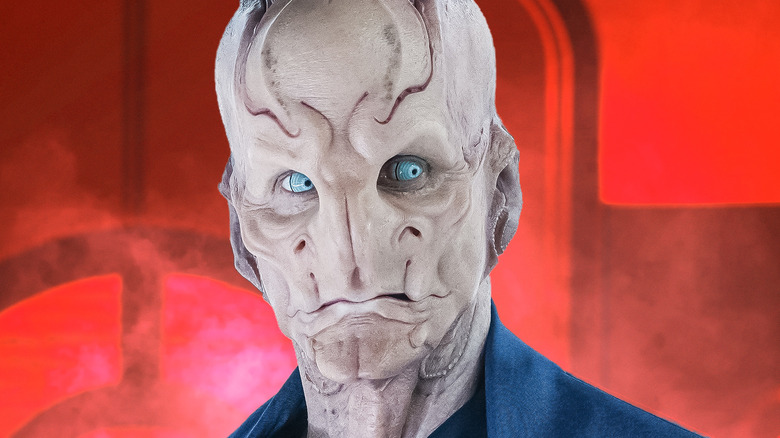
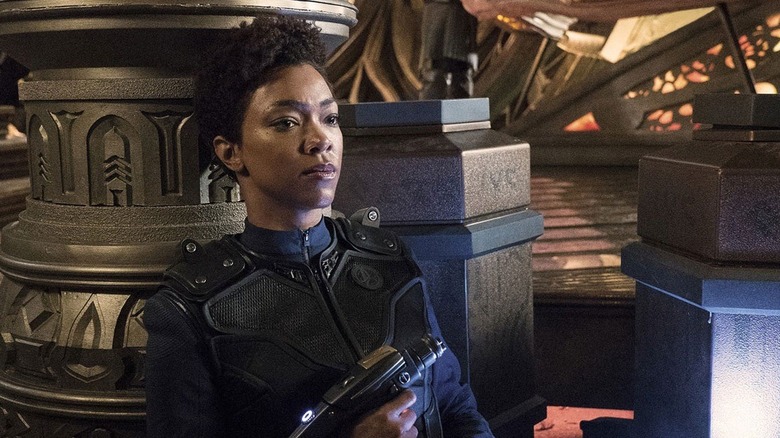
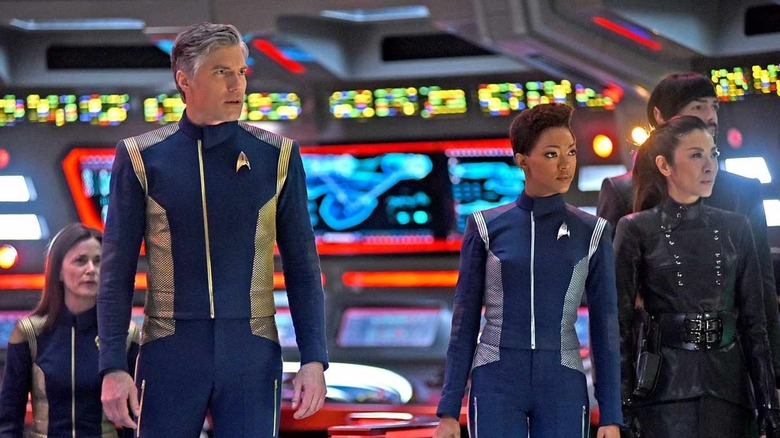
The modern age of new "Star Trek" TV shows began with the 2017 program "Star Trek: Discovery." The first new series in the franchise in 12 years, the show followed the exploits of Michael Burnham (Sonequa Martin-Green) and her cohorts aboard the USS Discovery both a decade earlier than the original series and 900 years into the future.
Over the show's five seasons, Burnham graduated to the role of Captain while a slew of notable guest stars (including Anson Mount debuting as Captain Pike before anchoring "Star Trek: Strange New Worlds") walked through the corridors of the Discovery. Delivering a stellar 65 episodes (an impressive sum for a costly streaming show), "Discovery," like any "Star Trek" show, has garnered its own dedicated fanbase and even permeated other franchise productions like "Star Trek: Lower Decks."
Still, "Star Trek: Discovery" wasn't quite the resounding success that Paramount+ (and its predecessor, CBS All Access) would have wanted, especially compared to past "Star Trek" TV shows that absolutely dominated pop culture. Several reasons underpin why "Discovery" – which generally got positive reviews and featured beloved performers like Doug Jones — never took off as a major hit, many of them reflecting the pragmatic reasons that often doom TV programs. Elements far beyond the control of anyone actually working on "Discovery," like a crowded TV landscape or airing on a less than ideal streaming platform, proved fatal to the show.
Exploring these and other problems that "Discovery" contended with make it clear why this kick-off to a new era of "Star Trek" storytelling wasn't the ratings juggernaut its producers yearned for.
It was stuck on CBS All Access/Paramount+

Everyone starts somewhere. Before it was Paramount+, the home of beloved TV programs like "Among Us" or "Taylor Sheridan Show Where Old Men Yell At Young People #34," this streamer started life as CBS All Access. In 2017, the platform began hosting its own original TV shows to compete with the likes of Netflix, Hulu, and Prime Video. After "The Good Fight," "Star Trek: Discovery" was the second and significantly more high-profile of the streamer's endeavors. While prior "Star Trek" shows aired on NBC, UPN, or various syndication networks, "Discovery" was locked behind a monthly fee on a premium streaming platform.
A year after "Discovery" began airing its first season, it was reported that CBS All Access had only 2.5 million subscribers. That meant few people even had the opportunity or ability to watch the critical start of the "Star Trek: Discovery" timeline. There was only so much reach this show could have, given where it was playing. By the time the streamer changed its name to Paramount+ and began rapidly expanding its subscriber base, "Discovery" was already winding down and being upstaged by other, newer "Star Trek" programs like "Strange New Worlds."
"Star Trek: Discovery" was a historic moment for the franchise in that it brought the saga's TV exploits to streaming for the first time. However, being in this landscape so early innately limited its reach, while benefiting future "Star Trek" shows launching on a more robust Paramount+ platform.
There was competition from other Star Trek shows
The 90s were one of the more prosperous eras of "Star Trek" in terms of cultural relevancy, with multiple "Star Trek" TV shows airing on television simultaneously for the first time in history. Not only did "Deep Space Nine" begin airing its first two seasons before "The Next Generation" finally wrapped up its run, but "Deep Space Nine" and "Voyager" would later share the airwaves throughout most of their respective runs. After "Discovery" established that "Star Trek" streaming shows could exist without either shattering the Earth or incurring the wrath of Trekkies, moves were quickly made to get a slew of new productions going.
Thus, starting with its third season, "Discovery" shared space on Paramount+ and in the cultural conciousness with projects like "Picard," "Lower Decks," and "Strange New Worlds." It's one thing to have two "Star Trek" shows simultaneously running. Having a whole quartet of programs blasting off meant not all of them could have the same amount of success. "Discovery" ended up getting both overshadowed by its successor programs (which often involved famous pre-existing characters like Pike or Picard rather than the newbies anchoring "Discovery") and simply crowded out in a packed programming landscape.
Put simply, greatly ballooning a release strategy that worked fine in the '90s for the streaming era of Peak TV didn't help "Discovery" resonate as something special for audiences.
The storytelling shifted drastically between seasons
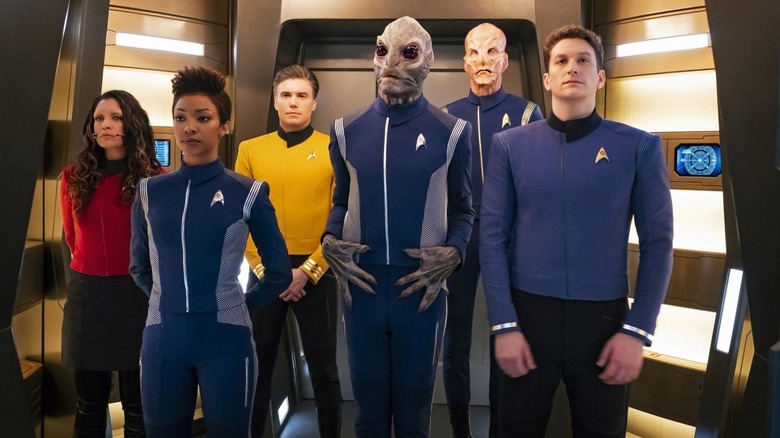
All five seasons of "Star Trek: Discovery" were each given drastic new storylines that immediately upended the program's status quo. This was especially apparent when Season 3 suddenly thrust the crew 900 years into the future. The next season saw the program's tone head towards grimmer territory, while the final season reverted back to a zippier aesthetic. If you stumbled onto one of these episodes at random, it'd be hard to get a sense of the standard character dynamics and atmospheric impulses driving show.
Granted, offering up standalone aesthetics and storylines for specific seasons of a long-running genre TV show wasn't exclusive to "Discovery" (among others, "Agents of S.H.I.E.L.D." indulged in this across its entire timeline), but this creative decision undoubtedly hindered the series. "Star Trek" can already come off as impenetrable to the general public; throwing in big changes — like suddenly changing the show's entire backdrop and setting — couldn't have made it any easier for viewers to suddenly join in on the fun midway through its run.
The drastic tonal shifts between seasons, meanwhile, made it hard for new viewers to tell if "Discovery" was right for them, especially when more tonally consistent sci-fi shows like "The Expanse" were out there. Variety is the spice of life, but it may have been key to "Discovery" having limited viewership.
It's innately difficult to focus on new characters
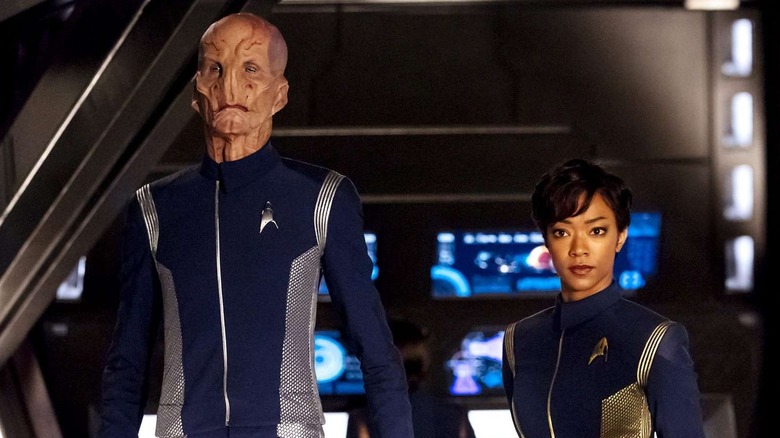
The cast of "Star Trek: Discovery" was wisely populated with new characters rather than solely focusing on pre-existing icons. This franchise can't just rely on Kirk, Picard, and Worf (among others) to carry the entire saga. New faces need to be introduced, especially ones belonging to all walks of life and marginalized identities. Unfortunately, focusing on characters for which people didn't already own action figures or posters presented a strong marketing challenge. Without any recognizable pre-existing figures to hinge on, "Discovery" could have ended up looking like just another sci-fi show.
It's also not like these new leads had much of a chance to become a new generation's equivalent to Data or Uhura. Given the limited reach of "Discovery" compared to past "Star Trek" shows that aired on more accessible networks and platforms, there just wasn't much of an opportunity for Captain Michael Burnham, Saru (Doug Jones), and Adira Tal (Blu del Barrio), among others, to develop their own passionate fanbases. "Star Trek: Discovery" struggled to assemble a crew that could fill the void left by icons of the franchise like Benjamin Sisko or Kathryn Janeway.
The producers' eventual focus on famous pre-existing characters in other new "Star Trek" shows only made it even harder for "Discovery" and its new contributions to the canon to stand out.
Launching in a crowded streaming landscape was challenging
"Star Trek: Discovery" launched in September 2017 just as every studio, streamer, and network was ramping up how many TV shows they produced:in 2017, 487 scripted shows made it onto the airwaves. With streaming services offering a plethora of new "channels" to air TV shows on, and those services desperately needing any kind of programming, there was an avalanche of series for people to choose from. From 2018 to 2022, the annual number of shows airing would never dip below 490, and that statistic would even balloon to 600 in 2022 when new streamers Disney+, HBO Max, Peacock, and Apple TV were in their peak operating mode of quantity over quality.
All these numbers don't just paint a portrait of how the streaming rush inspired a staggering increase in the amount of American TV shows out there. They also confirm why "Star Trek: Discovery" failed to catch on. The program faced a lot of competition even before Disney+ and Apple TV launched in late 2019, with numerous shows going under during this era.
Not even the "Star Trek" brand name could help "Discovery" stand out in a marketplace where quietly vanishing into obscurity was more common than becoming the next "Stranger Things." The "anything goes" streaming ethos ensured that "Discovery" existed in the first place, but it also produced a suffocatingly busy marketplace that sealed its doom.