

5 Best Sitcoms Of The 2010s, Ranked
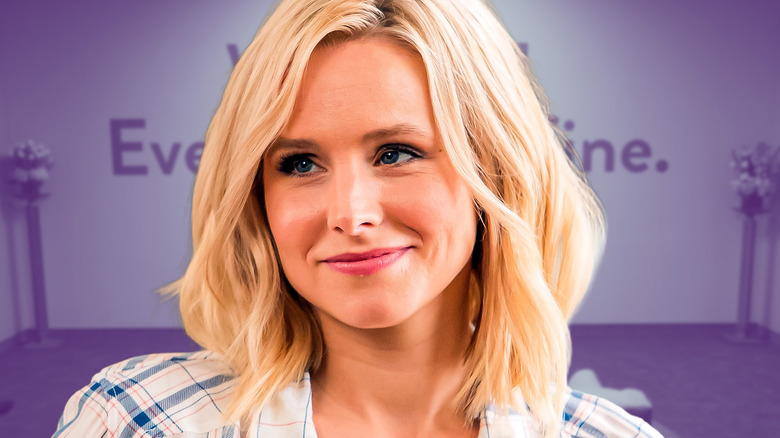
Were the 2010s the last decade that the sitcom felt like a water cooler event? With the end of shows like "The Office," "How I Met Your Mother" and "The Big Bang Theory," no record-breaking comedies emerged in their wake. The most acclaimed sitcoms weren't ones that pulled in big viewing figures — for a while, we didn't even know which platforms were streaming some of them. Workplace sitcoms and mockumentaries may have been all the range as the decade began, but by the close, the tastes of comedy fans had grown far more idiosyncratic; the most conventional of the series we've included below aired on HBO and features enough profanity to make most viewers reach for the remote.
To narrow down titles for this list, we've only included live-action, American sitcoms, which premiered either during or after 2010, or during the TV season beginning in September 2009. This means for example that "Parks and Recreation" missed the cut, as it was a midseason premiere in April 2009. We had to be brutal to narrow down our picks to five, and to avoid repetition we also passed on including multiple shows from the same creator — this was especially a challenge considering that Michael Schur dominated network comedy throughout the decade.
These are our personal picks — but they are shows that we feel best reflected the changing face of the genre throughout the decade.
5. Unbreakable Kimmy Schmidt
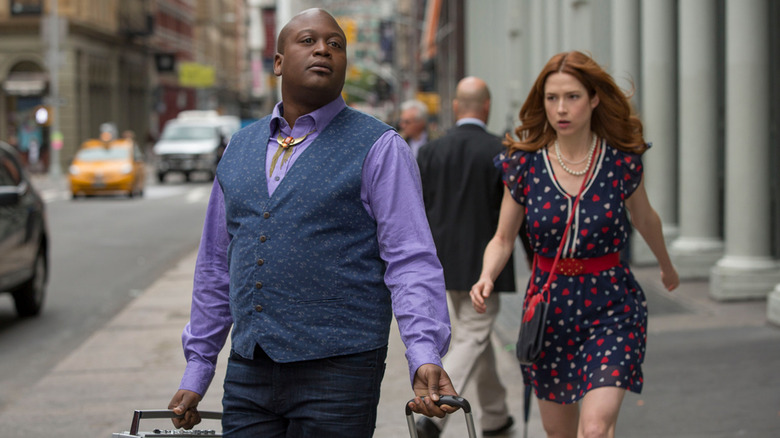
Directly following "30 Rock," one of the defining sitcoms of the previous decade, Tina Fey and her regular collaborator Robert Carlock planned to return to NBC with "Unbreakable Kimmy Schmidt," only for the Peacock network to drop the first season from its schedule and sell it to Netflix instead. It was an unusual start for a show that originated when an NBC executive told the pair to develop a starring vehicle for Ellie Kemper, but you can understand why the network got cold feet. Even with more surreal sitcoms on its airwaves than in the Must-See TV era, the adventures of an eternally optimistic young woman newly rescued from an underground doomsday cult was never going to be an easy sell.
Those who weren't put off by the blackly comic high concept were rewarded with a series that effortlessly picked up the baton from "30 Rock" with its gag-a-second pace, ensemble of delusional and eccentric characters (including a returning Jane Krakowski), and delightfully odd satirical storylines. What distinguished "Unbreakable Kimmy Schmidt" from simply being a tonal retread of the previous series was the title character herself, the kind of unquestionably positive character better suited to a less spiky sitcom like "Parks and Recreation."
Kimmy's naive view of the modern world, frozen since eighth grade due to her kidnapping, made her the hopeful character we needed on our screens when faced with the many real-world horrors of the 2010s. Kemper's spirited performance helped transform the bitter comedy style of Fey and Carlock into the most unlikely of comfort shows.
4. The Good Place
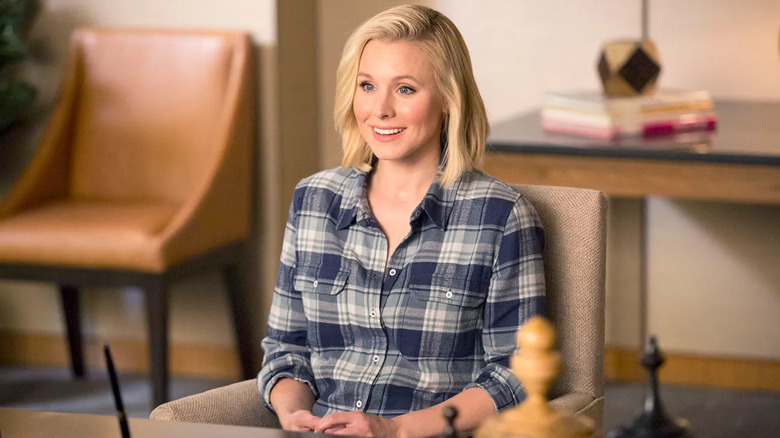
In retrospect, we should have all seen one of the best TV twists of the last decade coming from a mile off. It's a testament to how well creator Michael Schur — the workplace sitcom king, thanks to his work on "The Office," "Parks and Recreation," and "Brooklyn Nine-Nine" — grounded his most over-the-top concept that we never once considered it, until he sprang his surprise in the Season 1 finale of "The Good Place."
Led by Kristen Bell's career-best performance as Eleanor Shellstrop, a selfish woman who has been falsely admitted to a heaven-like afterlife due to a case of mistaken identity, "The Good Place" challenged assumptions that Schur's shows prioritized character likability over laughs, boldly featuring four characters you'd hate to get stuck in an elevator with as his core ensemble.
They learned moral lessons along the way, but Schur didn't let them off the hook too easily, keeping the question of whether they deserve to be in The Good Place or have just learned to navigate it up in the air. Refreshingly, he also kept his characters messy as we warmed to them, not sanding down their rougher edges for the sake of creating a more palatable network sitcom.
Subsequent seasons kept flipping the script on the formula, finding new ways to trap the characters within a quietly sinister afterlife overseen by the malevolent architect Michael (Ted Danson). With each episode title being a chapter number, all four seasons now add up to a single epic story, each season seeming radically different from the last when separated from the rest of the series. This is why it has aged into Schur's finest sitcom despite stiff competition; it's an ambitious reinvention of his workplace formula that pays off handsomely and hilariously.
3. Girls
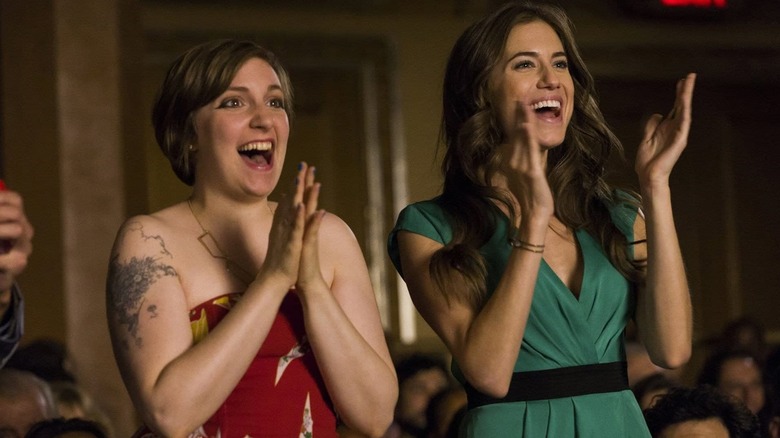
If you weren't on social media in 2012, you probably can't fathom the extent to which Lena Dunham's HBO series became a pop culture lightning rod. Depicting the lives of four upper-middle-class white girls slumming it in New York, led by aspiring writer and all-round trainwreck Hannah Horvath (Dunham), it opened endless debates about class privilege, race, and the graphic depiction of sex, fueling new fires with seemingly every episode.
What got lost beneath the discourse was just how funny the Judd Apatow-produced series was, stripping the glamour away from the "Sex and the City" formula and replacing it with some of the most gasp-inducing cringe comedy ever put on TV screens. Taboo-breaking sexual dialogue sat uneasily next to the characters' constant embarrassments when trying to secure work (although, in Hannah's case, those wounds were all self-inflicted), making for the rare sitcom where you might be hiding from the screen more than watching it.
Part of that is because Dunham's series is the best-observed account of millennial life we've seen — and is all the more painful for it. From degrading situationships to the string of unpaid work placements post college, there's a reason it chimed with a generation who would otherwise never see themselves in characters so difficult to warm to. Credit also goes to the perfectly cast ensemble Dunham put together, with Allison Williams, Zosia Mamet and Jemima Kirk alongside the creator herself all giving performances so lived-in, it's easy to understand why many thought Dunham was her character. This was also our first introduction to Adam Driver, whose offbeat on-off boyfriend was so compelling that movie stardom was inevitable.
2. Veep
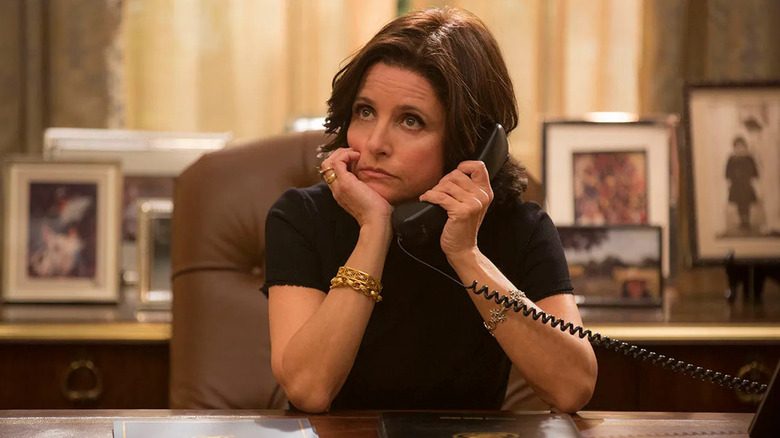
After the success of his BBC sitcom "The Thick of It," a cringe comedy centered around the political nobodies in an overlooked government department, creator Armando Iannucci set his sights across the Atlantic for his HBO follow-up.
Set in the office of Vice President Selina Meyer (played in an Emmy-dominating performance by Julia Louis-Dreyfus), "Veep" follows her team's efforts to make a major impact in a largely ceremonial role that even the President doesn't care to stay updated with. She's a singularly untalented and uninspiring politician who will sell out her few principles if it means keeping her job, and the show succeeds in taking this recipe for political satire and finding new ways to twist it so that it never runs out of steam.
Later seasons grapple with Selina's White House aspirations and the less attractive reality of the Oval Office, never jumping the shark even as it makes its lead character the most powerful person in the world. "Veep" effectively turns the corridors of power into a more approachable workplace sitcom, filled with all the egos, backstabbing and poorly thought-through plans relatable to anybody in the workforce: the only difference is that these are the people making the decisions affecting our lives.
It's political satire that you don't need to pick up a newspaper to appreciate; if you've ever felt disenfranchised with your representatives in Washington, you'll recognize the clueless characters left in charge here.
1. Community
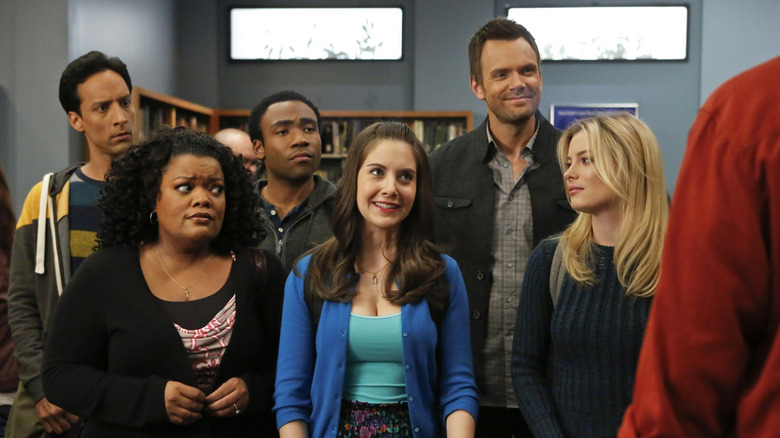
Even with the "gas leak year" of the underwhelming Season 4 (which some fans just gave up on) in consideration, few sitcoms reached the same heights as "Community" at the peak of its powers; few have even equaled the underseen sixth season that premiered to no fanfare on a now-defunct streaming service.
Starting life as a relatively straightforward campus sitcom about the various outcasts at Greendale Community College, creator Dan Harmon and his team of writers gradually heightened the surrealism as socially awkward pop culture obsessive Abed (Danny Pudi) became a clear breakout character. A show that was filled with familiar tropes like a will-they-won't-they romance between Jeff (Joel McHale) and Britta (Gillian Jacobs) soon became a meta-commentary on sitcom conventions themselves, and by the second season, "Community" threw out the format almost entirely to parody a different genre or cultural niche in detail every week.
There were multiple paintball action parodies (as sincere in their affection for the genre as "Hot Fuzz"), elaborate spoofs of everything from conspiracy thrillers to cinema verité documentaries, and ambitious one-offs including a stop-motion Christmas special. The series never caught on with the Emmys but quickly found a devoted cult fanbase that saved it from cancellation several times over.
Now, several episodes — such as Season 3 standout "Remedial Chaos Theory" — are reliably included in lists of the best sitcom episodes of all time, and its nerdy approach to genre parodies can be felt in many great sitcoms that have followed. We may never get the much-promised "Community" movie, but we should be thankful that we got six seasons of such a joyously weird, uncynically heartfelt show to begin with.