

5 Best Horror Movies Of The 2000s, Ranked
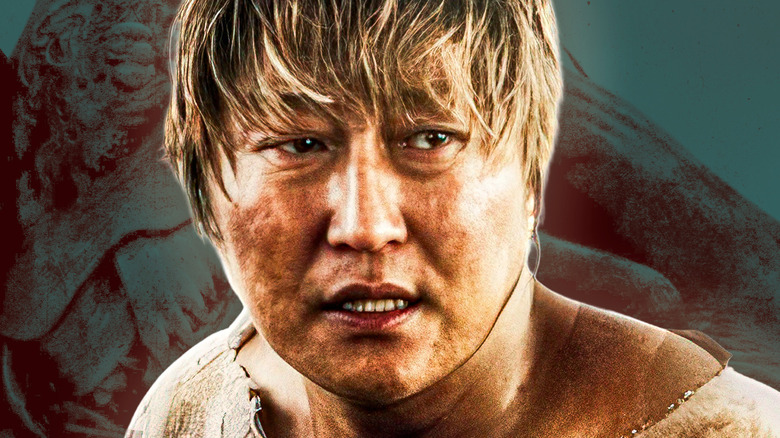
The 2000s were "the best of times" and "the worst of times" for horror fans. On the one hand, new developments in digital camerawork have allowed more people to create horror titles than ever while also opening up fresh visual possibilities for the genre. "28 Days Later" is the best example of the latter phenomenon. Meanwhile, a bevy of new franchises, like "Saw" and "Final Destination," ensured that the horror genre wouldn't rely solely on brand names established in the '70s and '80s forever. The 2000s were also a decade where American horror was dominated by tepid remakes of 20th-century horror titles, like the dismal "Friday the 13th" and "The Hills Have Eyes" updates.
This was also the decade when the torture horror genre was inescapable in multiplexes, which often reduced the genre to watching women screaming in pain in poorly lit, grimy rooms. The ups were great in this era, but the downs were also incredibly frustrating. Still, the former types of movies have endured as the go-to reference points for the first decade of 21st-century horror filmmaking. The five best horror movies of the 2000s (ranked below from "least best" to greatest based on the author's subjective opinions) capture the eclectic and unique creative visions that this decade could house at its best.
These five films were often unlike anything else people had ever seen in horror. Decades after their respective debuts, the five best 2000s horror titles remain singular achievements, inspiring nightmares forever.
5. Thirst
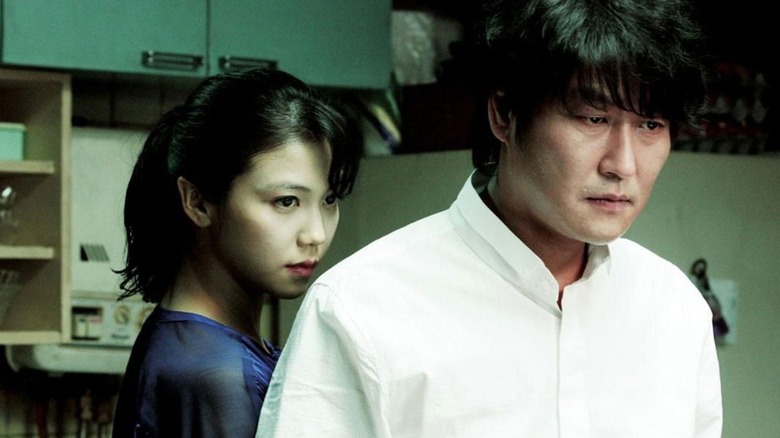
If you've seen the ending of his 2003 film, "Oldboy," then you know filmmaker Park Chan-wook never leaves anything on the table. This auteur is a sensational genius at crafting movies that go for broke and leave audiences in awe at the audacity they just witnessed. Titles like "No Other Choice" and "The Handmaiden," to name two of his greatest works, excel because of this trait. Another Park Chan-wook feature that immensely benefits from this director's bravura is his 2009 title, "Thirst." This production is a vampire movie as only the mind behind "Decision to Leave" could realize it. Needless to say, the result is infinitely superior to the five worst vampire movies of all time.
"Thirst" concerns Priest Sang-hyeon (Song Kang-ho), who volunteers for an experiment to develop a vaccine against a deadly virus. When the experiment goes wrong, he needs a blood transfusion to save his life — and realizes soon after that he now has an insatiable hunger for blood. This man of God is turning into a vampire, and he's also developing a crush on his childhood friend's wife, Tae-ju (Kim Ok-vin). To satisfy both his new cravings and his fresh romance, Sang-hyeon will need to start taking lives. The always excellent actor Song Kang-ho is fantastic at capturing Sang-hyeon slowly but surely succumbing to his vampire ways.
Just as an acting exercise for its leading man alone, "Thirst" is outstanding. However, the film also flourishes in its shocking bursts of violence, Sang-hyeon and Tae-ju's sensual tension, and the unpredictability of Chan-wook and Jeong Seo-kyeong's script. All the great horror movies keep you constantly guessing where they'll go next. "Thirst" certainly succeeds in that regard.
4. Let the Right One In
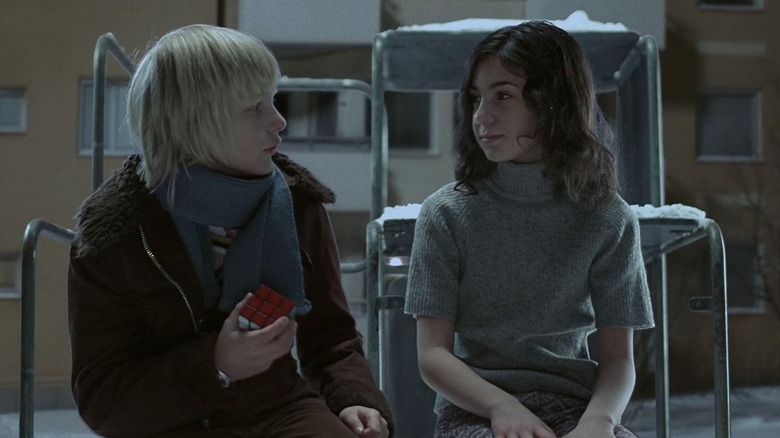
Everyone's got that one childhood friendship that changed everything. Unfortunately for the lonely lead character of "Let the Right One In," Oskar (Kåre Hedebrant), that friendship came via the strange new girl, Eli (Lina Leandersson). The two initially bond over living in the same apartment complex and both being misfits. It turns out, though, Eli is an ancient being, a vampire who feasts on human blood. Now Oskar is being drawn into her world, which is caked in the corpses of innocent people. Oskar desperately wants a friend. But securing that "friendship" with Eli means immersing himself in a grisly realm.
Snow-covered horror, as 2026 titles like "Resident Evil" can attest, is a fascinating cinematic domain. Juxtaposing the bright white snow with streaks of blood or grueling carnage creates a compelling and eerie dissonance. Director Tomas Alfredson and cinematographer Hoyte van Hoytema (the latter famous for his later collaborations with Christopher Nolan) use that juxtaposition to create deeply memorable images and imbue "Let the Right One In" with an idiosyncratic atmosphere. The snowy backdrops innately lend a bittersweet vibe to this chilling (no pun intended) story of a young boy realizing the friend he's long wanted is something terrifying.
Their sharp visual sensibilities ensure that "Let the Right One In" is rife with unforgettable camerawork, while the atmosphere is realized in a top-notch fashion. The horrors of both youth and vampire stories fascinatingly collide in this melancholy production.
3. The Host
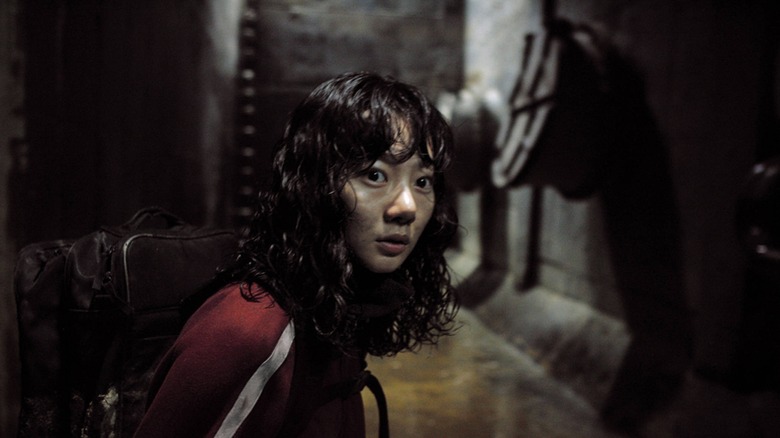
When ranking Bong Joon-ho's various movies, something that immediately becomes apparent is how excellent this director is at fusing weightier commentary with deeply and immediately entertaining material. You get profound ruminations on classism, environmental decay, and capitalism rendering bodies disposable. However, Joon-ho's works also provide divine surface-level joys like Robert Pattinson going full-tilt wild, tremendously humorous bursts of dark comedy, or a gigantic pig-like creature causing chaos to the tune of a John Denver ditty. 2006's "The Host" is yet another example of Bong Joon-ho delicately balancing the thoughtful and applause-inducing to glorious effect.
In this story, the Han River (thanks to the actions of the U.S. military) produces a monster that begins gobbling up people. This monster soon snags Park Hyun-seo (Go Ah-sung), which inspires her father, the persistent underdog Park Gang-du (Song Kang-ho), to embark on a quest to rescue her. The thrills and spectacle ingrained into the best monster movies of all time are found in abundance here. However, there's also so much more going on than just a CG beastie causing mayhem, like all the tiny character details (like how Gang-du saves up to buy his daughter a better cell phone) or the terrifically realized tension-driven sequences where Hyun-seo tries escaping this creature's home.
In these intimate details and scenes, Bong Joon-ho never forgets the compelling human beings enduring these terrifying circumstances. "The Host" frightens and transfixes while displaying this director's trademark level of craftsmanship.
2. Jennifer's Body
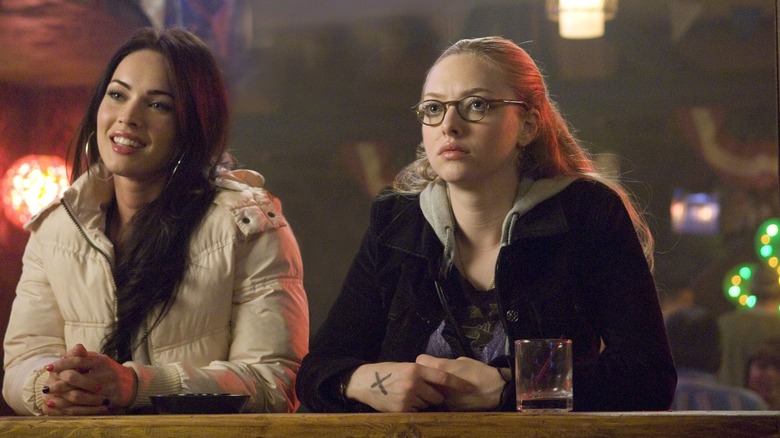
When critics first got a good look at "Jennifer's Body," the initial response was intense derision. The film was lambasted for supposedly stiff acting, failing to deliver scares, and countless other perceived flaws. In the process, "Jennifer's Body" became the poster child for 2000s movies where critics got it all wrong. This Karyn Kusama directorial effort, about high schooler Anita "Needy" Lesnicki (Amanda Seyfried) witnessing her friend Jennifer Check (Megan Fox) possessed by a man-eating demon, was an inspired treat chock-full of dark comedy and social commentary that was deeply ahead of the curve.
The latter element is especially apparent in one of the most unnerving "Jennifer's Body" sequences, showing Jennifer being sacrificed by the all-male band Low Shoulder. While many of the grisliest scenes of a demonic Jennifer chowing down on dudes have been filmed in a heightened manner, Kusama leans on tight close-ups, Fox's aching performance, and even occasionally eschews a score to accentuate the raw cruelty being perpetuated. Like "Obsession" 17 years later, "Jennifer's Body" knows that men believing they innately own and control a woman's body are more terrifying than any over-the-top horror movie fantasy creature.
This chilling scene alone is enough to make "Jennifer's Body" one of the decade's greatest works. However, Kusama and screenwriter Diablo Cody deliver so much more here, including fun, vicious deaths and one of Seyfried's most compelling characters. Critics circa 2009 didn't have a clue, considering how much they ignored the excellent "Jennifer's Body."
1. American Psycho
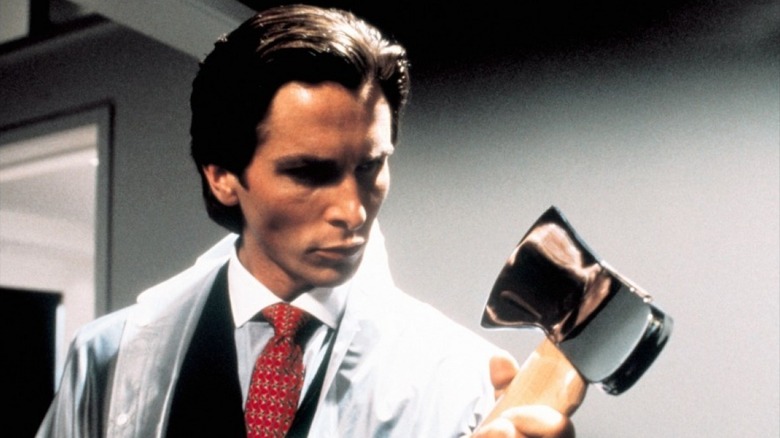
Before he was Batman or scoring Academy Award nominations for his radical physical transformations, Christian Bale was Patrick Bateman in director Mary Harron's adaptation of "American Psycho." Bateman's a ritzy New York City guy with all the trappings of a traditional playboy, though he secretly murders people at night. He's juggling two very disparate personalities, with his trademark intensity coming through in both corners of his psyche. One of the best things from "American Psycho" is its suggestion that, even when he isn't plunging axes into people's bodies or putting decapitated heads in his fridge, Patrick Bateman is an appalling monster.
His excessive wealth and exploitative job that rewards apathy towards other human beings already make him a gruesome figure. Murdering people just makes it even more apparent how Patrick Bateman's existence is built on the misery of others. Harron's "American Psycho" gets chilling material out of this reality as well as its execution of the most blood-soaked scenes. The very frank depiction of Bateman's grisliest actions against a sparkling white apartment is immensely unnerving. Meanwhile, the complicated tone ("American Psycho" is a dark comedy full of uproarious moments) accentuates the title's unpredictable aesthetic.
One is never sure if either a laugh or a gasp-inducing slaying is about to materialize on the screen. Bale's unhinged lead performance goes a long way to making sure that ambiance is properly realized. "American Psycho" is an incredibly evocative and nightmare-inducing exercise about a monster that could only happen in America.