

5 Sci-Fi Movie Franchises That Should Have Ended In The 2000s
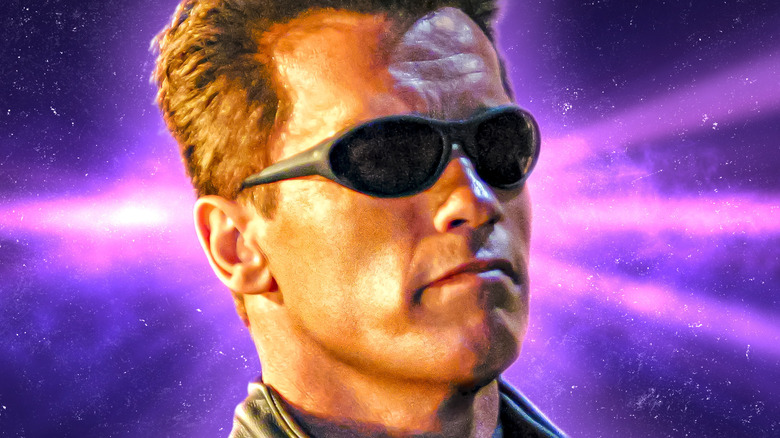
Once it became clear that Y2K wasn't going to destroy the world, the human race settled into exploring the first decade of the 21st century on its own terms. The 2000s were full of eventful developments, but for film geeks, it was an especially compelling era. There were many rewatchable movies from this decade, as well as many major tentpoles that became the biggest summer movies of the 2000s. Several of these productions belonged to the sci-fi genre, which flourished thanks to both advances in visual effects and a new generation of directors raised on the wonders of "Star Wars."
Titles like "A.I. Artificial Intelligence," "Avatar," and the Sam Raimi "Spider-Man" trilogy are still reverberating throughout pop culture and drumming up new fans. However, not all was good for this genre. Looking back, some sci-fi brand names should've clearly stopped during this decade. These five sci-fi movie franchises that should've ended in the 2000s have become cautionary tales in the modern world. Some should've remained one-off movies that debuted in this decade. Others should've halted their followup efforts after their first failed 21st century sequel.
Whatever their woes, it's easy to look back and say that these five brand names needed to stop their creative machinations long before 2010 (the year we made contact) rolled around.
Terminator
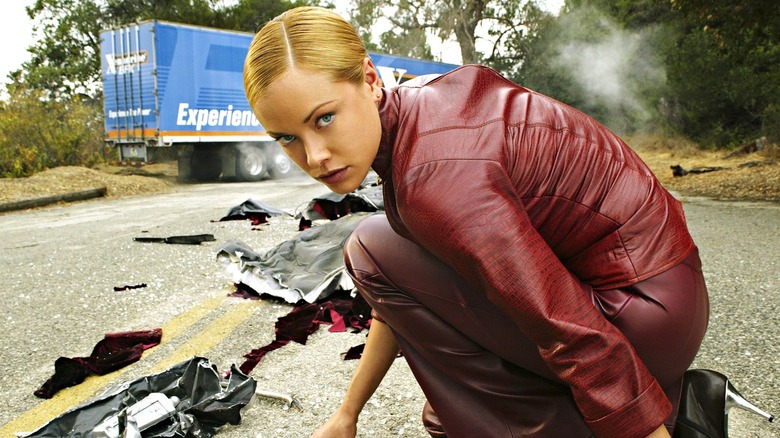
There's a glorious alternate timeline where the first two Terminator movies remained the only Terminator movies. In that timeline, however, the legacy of "Terminator 2: Judgment Day" is that it just made record-shattering gobs of money. There was no way Hollywood was going to ignore the siren call of further exploiting the brand name. Still, if the film industry had seen the quality of the 21st century's inaugural Terminator installment, "Terminator 3: Rise of the Machines," so many embarrassing developments for the saga could've been avoided.
2009's "Terminator: Salvation," for example, was an obvious attempt to mimic the "gritty reboot" mold of "Casino Royale" and "Batman Begins." While the first two Terminator movies set the standard for what action blockbusters, "Salvation" sweatily imitated other box office hits. Then there's the reason Christian Bale regrets doing "Terminator: Salvation;" his viral on-set outbursts that further tarnished the "Terminator" saga. Six years after the "Salvation" boondoggle, "Terminator: Genisys" arrived and further sullied the once prestigious brand name.
In 2003, "Terminator 3: Rise of the Machines" was an anomaly as a subpar Terminator movie. In the years that followed, it would quickly have other companions in this regard. Hollywood should've stopped making Terminator sequels at the first sign of creative trouble. Plus, the downbeat "Rise of the Machines" was the perfect capper for this franchise.
Men in Black
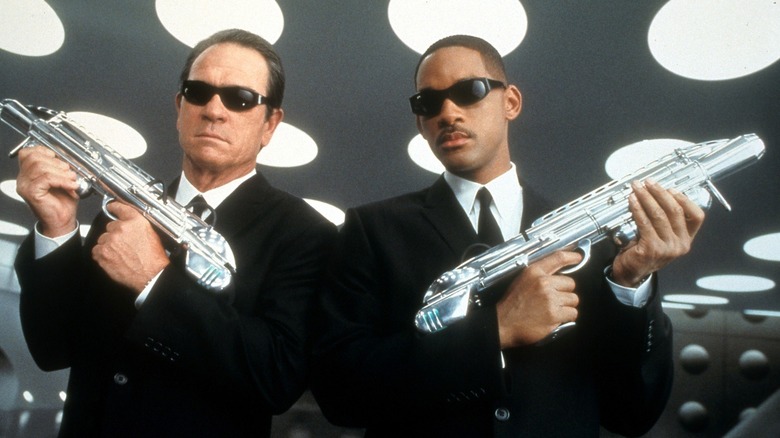
1997's "Men in Black" was a major moneymaker that helped further solidify Will Smith as a movie star for the ages. Then came the 2002 sequel, "Men in Black II." For anyone ranking the "Men in Black" movies from worst to best, "Men in Black II" will inevitably be at the bottom of the list. A handful of choice gags can't disguise this haphazardly scripted endeavor, which spent too much time trying to resurrect the first movie's status quo. Forgettable baddies and too much CGI additionally reinforced that the original's wit was long gone.
Surprisingly, the Men in Black saga wasn't entirely washed. 2012's "Men in Black 3" wasn't bad, especially in its third act, which featured some decent emotional beats that likely inspired the entire time travel conceit. Still, it's a rough road getting there, and its weak first act reaffirmed that this universe didn't have much longevity. Then came 2019's "Men in Black International," a tedious spin-off that had no energy or idiosyncratic personality.
Worst of all, it established that Men in Black movies no longer needed to be anchored by Will Smith or Tommy Lee Jones. Now this franchise can go on "forever," a terrifying prospect. "MIB3" should, unfortunately, get sacrificed so that no "Men in Black" follow-ups get made after that first lackluster sequel.
Alien
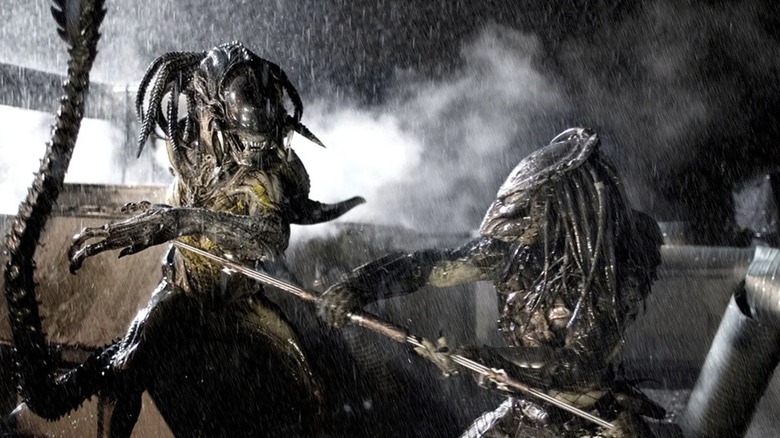
Years before writing "Batman v Superman: Dawn of Justice," screenwriter David S. Goyer declared that the very concept of centering a movie around Batman and Superman fighting was a bad idea. "'Batman vs. Superman' is where you go when you admit to yourself that you've exhausted all possibilities," Goyer told The Los Angeles Times in 2005. Such a phenomenon seems to have unfortunately plagued the Alien movies. Ever since 2004's "Alien vs. Predator," this franchise has struggled to regain its footing. Once the Xenomorph species was plopped into a gimmicky feature where they duked it out with another 20th Century Fox sci-fi/horror icon, the Alien movies finally lost their luster.
"Alien vs. Predator" has its schlocky charms, but it's also the movie that reduced its titular beasts to colliding action figures rather than compelling entities. Since then, the standalone Alien movies have seemingly admitted that there's no new ground to cover, becoming obsessed with recreating old entries. After "Prometheus" kept the creature hidden until the final scene, "Alien: Covenant" brought the Xenomorph back in full for loads of derivative carnage. "Alien: Romulus," meanwhile, had characters dropping phrases like "get away from her" in an attempt to make it 1986 again.
However, the damage was already done. Recreating the past wasn't enough to restore the Xenomorph's scariness. After "Alien vs. Predator," the Alien saga should've been mercifully shelved.
Lilo & Stitch
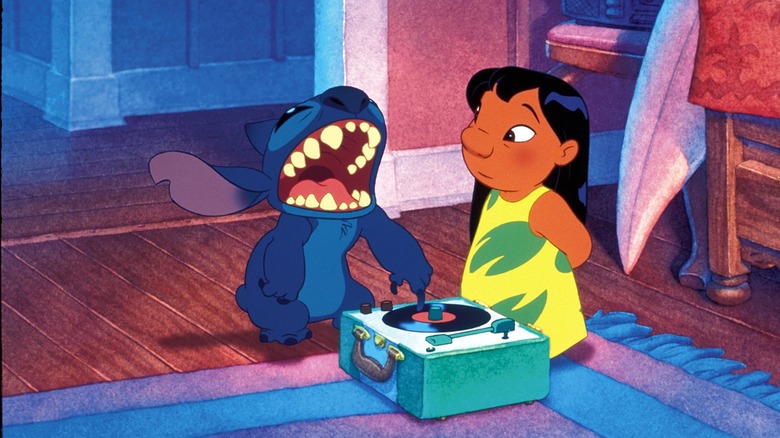
In 2002, "Lilo & Stitch" wasn't just a box office hit. It was tremendously lucrative in an era where Disney wasn't releasing many homegrown animated moneymakers (most of its biggest 2000s hits were Pixar Animation Studios releases). Thus, with the Mouse House unable to milk the "Dinosaur" or "Brother Bear" brand names, all attention went towards wringing every possible penny out of "Lilo & Stitch." Not only did a TV series shortly follow the film's debut, but a trio of direct-to-video sequels further fleshed out this world. The original Chris Sanders and Dean DeBlois directorial effort became the springboard for an entire sci-fi/comedy mythology.
Right away, the level of quality in titles like "Stitch! The Movie" and "Leroy & Stitch" were significantly lower than the original's tender tone and watercolor painted backgrounds. Unfortunately, things have only gotten worse with 2025's live-action "Lilo & Stitch" remake, ensuring once beloved figures like Pleakley were now realized with hideous "realistic" CGI. Soon, this remake will be followed up with a sequel that promises to bring Stitch's love interest, Angel, to the big screen. The mind reels at how terrifying she'll look.
In the name of stopping nightmare-inducing character designs, any further post-2007 "Lilo & Stitch" movies shouldn't exist. This series already had too many sequels in the 2000s. The live-action remakes are just rubbing salt into those wounds.
Jurassic Park III
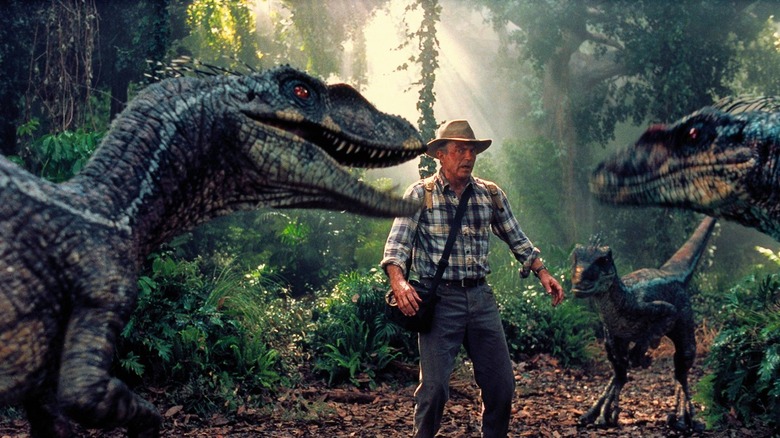
"Your scientists were so preoccupied with whether they could, they didn't stop to think if they should." That iconic Dr. Ian Malcolm (Jeff Goldblum) line from the original "Jurassic Park" about the scientists who resurrected the dinosaurs might as well be about the folks who keep green-lighting and making further "Jurassic Park" sequels. As anyone whose ranked every "Jurassic Park" and "World" movie knows, the initial 1993 film stands heads and shoulders above everything it spawned. Even before the 21st century rolled around, "The Lost World: Jurassic Park" was already proving that more entries was a really bad idea.
However, if its sequel exploits had been halted with 2001's "Jurassic Park III," the world would've been spared so much pain. "Jurassic Park III" is a messy film with some bone-headed writing decisions (like that awkward nothing of a finale), but at least it runs only 90 minutes, has some fun performances, and delivers plenty of dino mayhem. On the other hand, the subsequent Jurassic World movies were excruciatingly boring and tediously paced exercises. Installments like "Jurassic World Dominion" make you long for the very worst "Jurassic Park III" scenes.
"Jurassic Park" sequels should never have existed in the first place, point blank. However, at least if this initiative had ended with "Jurassic Park III," this saga's various creative nadirs and Chris Pratt's yawn-worthy turns as Owen Grady could've been avoided.