

Top 5 Most Accurate Music Biopics, Ranked
When it comes to making a good biopic, no filmmaker should ever let the truth get in the way of a good story. This is how icons become near-mythical legends on the big screen, even if the process of writing a crowd-pleasing blockbuster in this vein means angering diehard fans and purists, who will quickly lose count of the incorrect details about the timeline of an artist's career. It's why films like "Bohemian Rhapsody" and "Michael" have been huge hits with audiences while being despised by critics — there's no attention to detail when it comes to authentically recounting their rise to fame, but they hit the broad beats of their life stories and play all the greatest hits. So, at least casual fans will leave satisfied.
Some biopics stay closer to the truth than others, but you'll struggle to find any that don't go a little bit Hollywood in their repackaging of a true story. We certainly struggled when researching these films, as even the music biopics most regularly cited as the most accurate have their fair share of falsehoods, with several articles and fan forum pages dedicated to fact-checking every small detail. None of the films below present the whole truth, but they are the ones which are most often celebrated by fans of the artists depicted for getting the majority of the details right. Our ranking isn't based on the quality of each movie, but how accurate they are when held up to scrutiny, from most to least falsehoods onscreen.
If this has you hungry for more music biopics — and you don't care whether they get the facts straight — then head over here for our picks for the five best and worst in the genre.
5. Straight Outta Compton
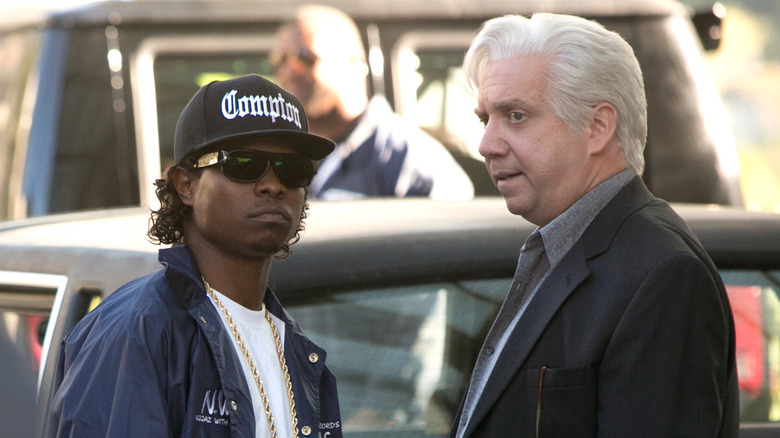
If we were ranking based on quality, believe us that "Straight Outta Compton" would be higher. But, of the biopics routinely cited online as being the most historically accurate, this film is the one which fudges the most facts. However, this raucous biopic of N.W.A still captures the spirit of the hip-hop trailblazers, with the liberties it does take being ones that makes their pre-stardom years more exciting, in line with their hardened rap personas. For example, it's true that a pre-fame Dr. Dre (Corey Hawkins) was jailed and had his bail paid by Eazy-E (Jason Mitchell); does it matter that, in reality, he was behind bars for not paying parking tickets instead of getting in a fight?
The film's focus on the group's legal battles with both the cops and their manager Jerry Heller (Paul Giamatti) means that the intensity of both struggles has been heightened for dramatic effect. For a notoriously controversial group, it's the punchy approach any biopic needed to take. Released in the summer of 2015, when racially motivated police brutality had returned to the headlines, it felt less like a 1980s and '90s period piece than a film speaking to the current moment, perfectly reflecting why N.W.A's music has remained relevant to this day.
It should be noted that some crucial facts were omitted from "Straight Outta Compton," with founding member Arabian Prince ignored almost entirely (and only appearing when the "Straight Outta Compton" cover is shown momentarily). There are also zero references to Dre's various recorded physical assaults on women. His abusive relationship with singer Michel'le Toussaint is given a single passing reference, and his infamous attack on journalist Dee Barnes is missing entirely, despite being in an earlier version of the script. They hardly come across as angels, but there's an even darker story waiting to be told.
4. Coal Miner's Daughter
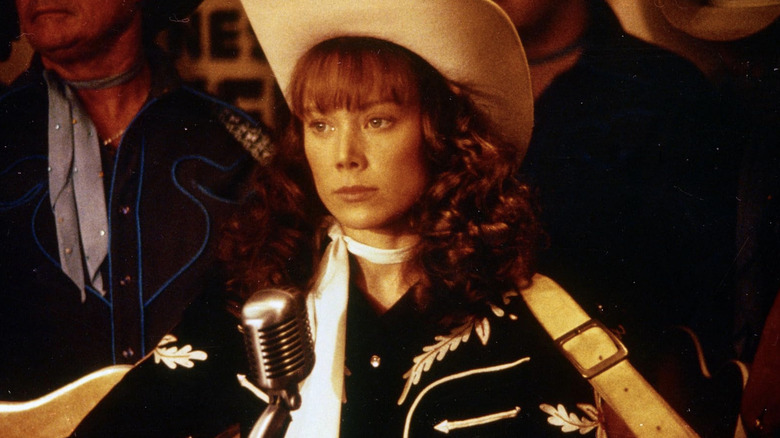
Adapted from Loretta Lynn's 1976 memoir, "Coal Miner's Daughter" is a biopic of the Kentucky country legend, portrayed by Sissy Spacek in an Oscar-winning performance. This film kept its dramatic stakes small, focusing on the strained relationship between Loretta and husband Doolittle (Tommy Lee Jones) as she rose from teenage bride to Nashville fame. It's one of the earlier films to establish what we now consider a Hollywood biopic formula, but the first half that focuses on Lynn's domestic life follows the beats of her autobiography faithfully. Even as she becomes a major star, befriending Patsy Cline and playing sold-out concerts, the movie remains singularly devoted to the troubled relationship drama, perfectly balancing the intimacy of her home life with her time in the spotlight.
It should be noted that, in 2012, it was revealed that Lynn had lied about her own origin story; she hadn't married Doolittle at the age of 13, but at 15, which would have been legal in Kentucky. At the time the film was produced, however, her status as a far younger child bride was the recorded fact, which reaffirms the film's commitment to realistically, unromantically portraying her younger years. It was an authentic account of her origin story as she had told it, depicted with all the grit associated with the characters in her songs. Even with that disclaimer, it's still essential viewing for country music fans, heavily following the less-than-glamorous beats of Lynn's best-selling memoir.
3. Walk the Line
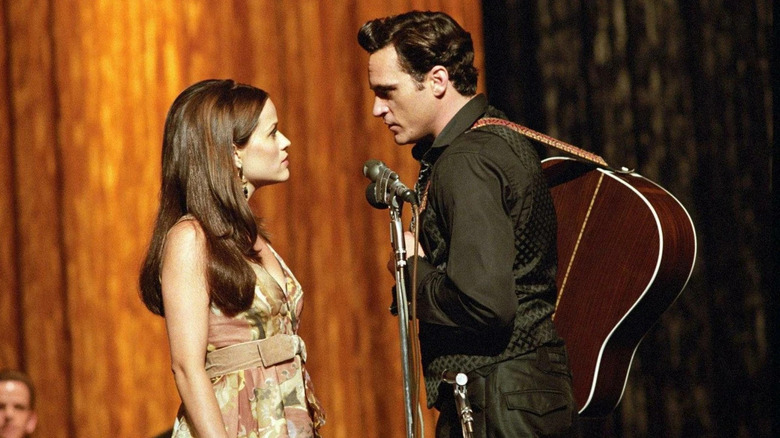
Even though "Walk the Line" is more responsible than any other film for hammering the biopic clichés directly parodied in "Walk Hard: The Dewey Cox Story," it stays far closer to the truth than you'd expect — with a sprinkle of Hollywood Magic to heighten the drama. It's not the only music biopic to chronicle a star's battle with addiction as they edge closer towards the spotlight, but Joaquin Phoenix's Oscar-nominated performance maintains the Man in Black's mystique in a way that overcomes any genre cliché, ensuring he still feels like a singular icon even when given the mainstream movie treatment. By pitting Reese Witherspoon's June Carter as more of a dual protagonist than a mere love interest, "Walk the Line" has long been celebrated as a more authentic relationship drama than anything else in the genre.
There was some minor concern (especially from Cash's children) that the movie unfairly portrays his first wife Vivian (Ginnifer Goodwin), a depiction which was thankfully corrected in an acclaimed 2020 HBO documentary, "My Darling Vivian." However, a more comprehensive account of that relationship quite frankly needed a film of its own to be done justice. As "Walk the Line" tells the story about the sparks that flew between Johnny and June, a marriage which lasted until her death a few months before her husband's in 2003, it's a great account of the pressures that fame can have on a relationship between two people in the spotlight and the challenges that present in a creative partnership. Phoenix and Witherspoon have excellent chemistry as the two country icons, which has only helped the movie maintain a consistent reputation amongst fans for doing justice to its subjects without sugar coating their whirlwind lives.
2. Love & Mercy
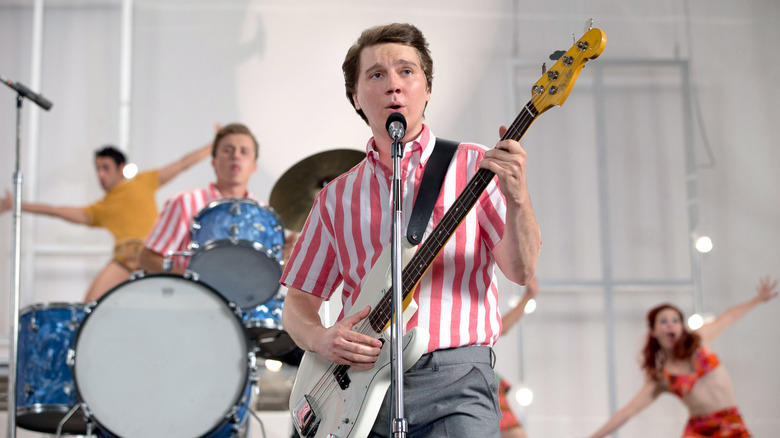
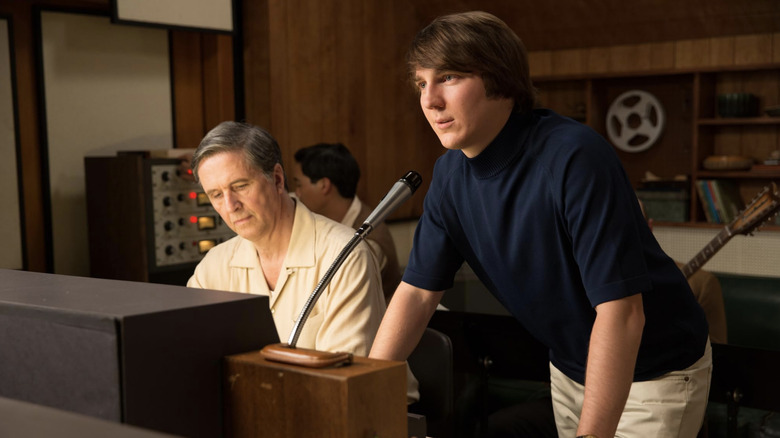
Living musicians giving their approval to depictions of their lives usually means the film offers a clean, sanitized approach to covering their story. That wasn't the case with director Bill Pohlad's account of two crucial moments in Brian Wilson's life in "Love & Mercy," where the Beach Boy is played by Paul Dano and John Cusack. Wilson praised both performances, which surprised Dano as he was initially concerned that the depiction of Wilson's mental health battles would upset the star. Instead, it helped him find it easier to appreciate how much research Pohlad and screenwriters Oren Moverman and Michael Lerner had invested into his project. The way the recreations of Wilson's most experimental compositions sounded was just as crucial to get right as the finer details of his life.
With the film skipping the 1970s, plenty of details about the singer's life during the intervening years are only referenced instead of being depicted, such as the reported few years he spent bedridden. However, in addition to those associated with the band themselves (with the noted exception of the curmudgeonly Mike Love, who called the movie "a fairy tale" to Best Classic Bands), rock historians who have covered Wilson's career have attested to the periods being depicted with a surprising attention to detail. Peter Ames Carlin, author of Wilson biography "Catch a Wave," noted that the only inaccuracy worth mentioning was who broke the news that Wilson's coercive manager had written himself into the star's will. It's otherwise as faithful an account as the music biopic genre has ever delivered.
1. Control
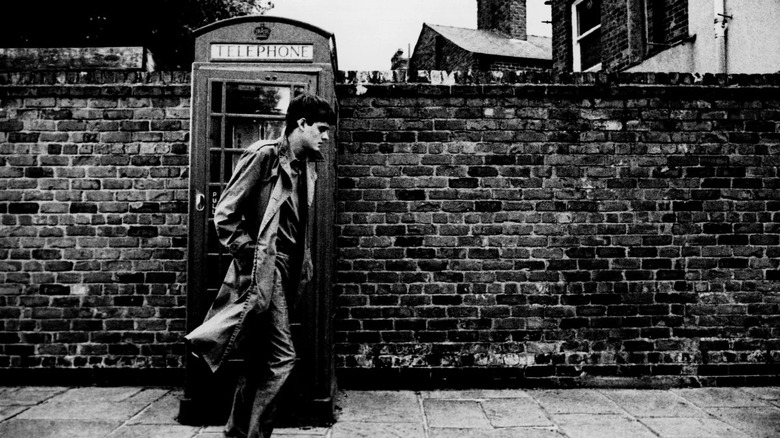
Following its premiere at the 2007 Cannes Film Festival, Joy Division's former drummer Stephen Morris told NME that, while he loved "Control," "None of it is true really. It's sort of true, but you have to take liberties when you're making a film because the truth is too boring." It's the exact thing producers hope a musician won't say when they're promoting a movie based on the life of their former bandmate. "Control" tells the story of Ian Curtis (Sam Riley), the vocalist for the influential Salford post-punk band Joy Division.
Despite Morris' comments, his bandmate Peter Hook responded to a fan during a Reddit AMA and explained that "Control" was "TOO accurate." "I [recognized] my [ex-bandmates] very well in the film. Anton [Corbijn] knew us very well and schooled the actors religiously to capture all of our little quirks. It was a great film."
"Control" is the directorial debut of the Dutch photographer, who first moved to the U.K. in the late 1970s and shot several covers for NME and The Face of rock icons — including Joy Division, who he spent a significant amount of time with on the road. With the film faithfully adapted from "Touching from a Distance," the memoir by Curtis' widow Deborah, it frequently feels like Corbijn's black-and-white portraits come to life, starkly refusing to romanticize the band's glory days or water down any of Curtis' self-destructive tendencies. This is as good as a rock biopic as we've ever got, and it feels the least Hollywood of the bunch.