

5 Best Gangster Movies Nobody Talks About Anymore
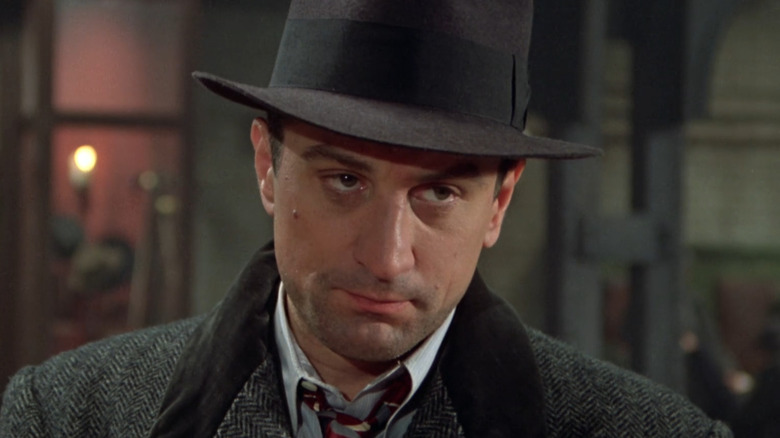
Whether it's a more classic Italian Mafia tale, or a look at the kingpins who rule over inner city neighborhoods, or all the violent sauce in between, the gangster movie can take on many forms. It's one of those genres that never seems to fall out of favor, with a steady stream of gangster movies being released at all times. As such, there are a number of underrated gangster movies you need to watch that get lost in the shuffle because they aren't directed by Martin Scorsese, don't star Al Pacino, and maybe didn't get showered with Oscar nominations.
Like many genres that have been as prolific as gangster movies, there are gems that don't even get brought up in the big discussions about underrated entries. For one reason or another, they keep falling through the cracks as time goes on, and don't seem to have any staying power in the pop culture conversation. We feel these are the five most egregiously forgotten gangster movies, though well received in their day, and as good as many of the others that consistently make it onto the lists of either the best or most underrated.
American Me
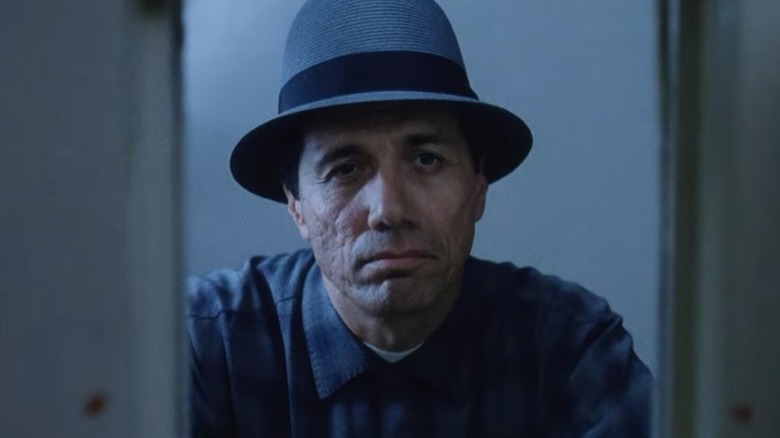
Despite being a gangster movie and not a docudrama, "American Me" is based on the real life Mexican crime boss Rodolfo Cadena. In fact, associates of Cadena weren't thrilled about how his fictional counterpart Montoya Santana (Edward James Olmos, who also produced and directed) was portrayed in the film — two of the consultants hired on the movie were later murdered due to their involvement in the flick. Not many gangster movies earn the ire of real life gangsters, and certainly not to the point of lethal retribution. That alone should earn "American Me" some street cred, as it were.
As for the plot of "American Me," it depicts three decades of Mexican gang history in the Los Angeles era, beginning in the 1940s and ending in the '70s. At the center of the story is Montoya Santana, who starts a gang as a teenager and is quickly put into prison. Still, Santana becomes a powerful leader behind bars, proving that locking someone up doesn't necessarily limit their influence. If anything, it made Santana that much more dangerous, especially for his fellow inmates.
While "American Me" itself hasn't had the staying power it deserves, Olmos's adeptness at playing powerful but stoic characters lived on in another way. His "Miami Vice" character inspired Giancarlo Esposito's Gus Fring, the terrifyingly calm villain of crime drama "Breaking Bad." As Lieutenant Martin Castillo, Olmos's character from that show, Olmos brought the same chill to the fore. Esposito did a short stint on "Miami Vice," putting him in the right place to pick up Fring's infamous attitude from the master himself.
South Central
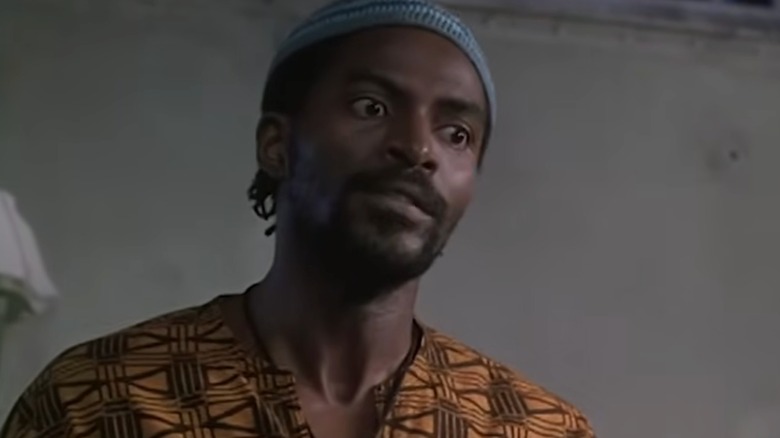
The rise of the so-called "hood film" as a genre can be pinpointed to the late '80s and early '90s, representing a new era for inner city gangster movies — ones that depicted the experiences of Black Americans forced to endure the difficulties inherent to impoverished areas in a grittier and more authentic way than had ever been done before. The era produced a number of classics, including "Boyz n the Hood," "Menace II Society," "New Jack City," "Do the Right Thing," and "Juice." There are also some great hood film classics that get overlooked when looking back on the genre's golden era, with one of the most glaring omissions being 1992's "South Central."
This film stars Glenn Plummer as Bobby Johnson, who is attempting to leave his past behind him upon completion of a 10-year prison sentence for the crimes he committed as a gang member. However, while he was locked up, his son Jimmie (Christian Coleman) sought out the same refuge in gang life that his father found. Bobby has to attempt to get his son on the right path before it's too late, which is complicated by how much power in the gang Jimmie has earned, and the fact that the gangs were Jimmie's "family" in the absence of his father.
"South Central" earned raves at the time for Plummer's performance, as well for writer/director Stephen Milburn Anderson, who was named in the same class as Quentin Tarantino as some of the most promising new filmmakers of 1992.
A Prophet
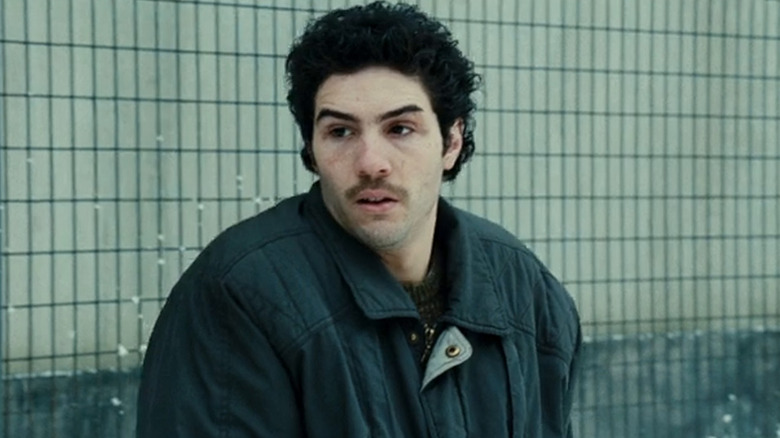
The most recent entry on this list, and one of only five near-perfect 2010s movies according to Metacritic, "A Prophet" didn't earn the flowers it deserved upon release — at least in the U.S. — in part because it's French and never got a huge marketing push for its limited theatrical release in the States. But if critics are to be believed, it's actually the best movie on this list, with an impressive 96% Certified Fresh on Rotten Tomatoes that none of the other films get close to.
"A Prophet" follows a young Muslim man named Malik El Djebena (Tahar Rahim), who is held in a French prison at just 19-years-old. With no allies and other struggles at his back — such as not being able to read — that put him at a disadvantage in his new surroundings, Malik has no choice but to take up Corsican crime boss César Luciani (Niels Arestrup) on his offer to make Malik one of his errand boys. Malik quickly becomes one of César's best enforcers, but it also means he becomes a major target for César's enemies.
"A Prophet" was nominated for a best foreign language film Oscar and Golden Globe, and took home a BAFTA win for best film not in the English language. Considering its competition for that BAFTA included "Let the Right One In," "Coco Before Chanel," and "Broken Embraces," that win is inherently high praise indeed for "A Prophet."
Once Upon a Time in America
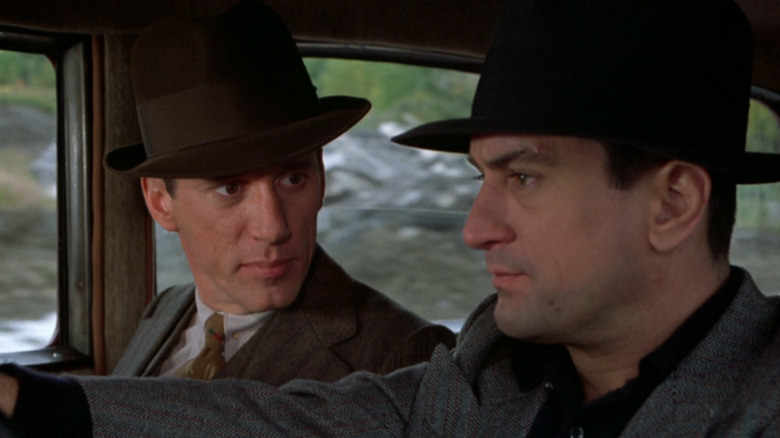
Filmmaker Sergio Leone easily cemented his place as one of the greatest filmmakers of all time despite only making seven movies. He has three entries on the Letterboxd list of best Westerns of all time – "For a Few Dollars More," "Once Upon a Time in the West," and "The Good, the Bad, and the Ugly" — which was the genre he worked in for most of his career. However, for his final film, Leone took a swing at a gangster epic called "Once Upon a Time in America," serving as the completion of his "Once Upon A Time" meta trilogy.
Starring gangster movie mainstays Robert De Niro and Joe Pesci — and easily one of Pesci's best movies — "Once Upon a Time in America" is told through flashbacks as former crime boss David "Noodles" Aaronson (De Niro) reflects on his upbringing in the Jewish slums of New York City, growing up to become a bootlegger and Mafia kingpin. James Woods plays David's longtime associate, Max, in a performance that earned the actor some of the biggest raves of his career.
While currently sitting at a strong 86% Certified Fresh on Rotten Tomatoes, the initial release of "Once Upon a Time in America" was marred by studio meddling that resulted in a condensed and inferior cut of the film as its theatrical introduction in the U.S. The superior original cut convinced even the biggest detractors of the movie's actual greatness, but the damage had been done, and what should've been a universally celebrated release of a masterpiece was given an unfairly complicated legacy that it never fully recovered from.
State of Grace
If you tried to release a gangster movie in 1990, and that movie wasn't "Goodfellas," you were setting yourself up for failure. Had "State of Grace" released just one year earlier (or later), it might have joined the gangster movie holy pantheon — at least in terms of underrated entries. But as it stands, it was immediately overpowered by one of the all time greats. In fact, the movie's most enduring legacy is the fact that it's the production where future couple Sean Penn and Robin Wright first met. The majority of times "State of Grace" was mentioned over the ensuing 20 years or so was in relation to that fact.
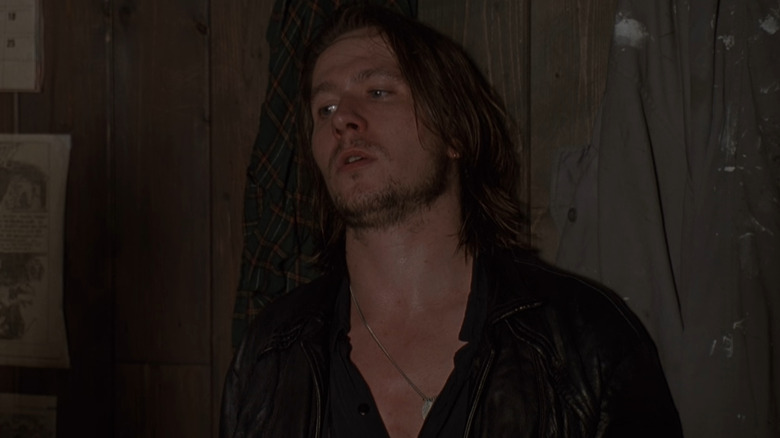
"State of Grace" stars Penn as Terry Noonan, a former troublemaker who is now a detective working undercover in his old neighborhood. His main target is crime boss Frankie Flannery (Ed Harris), but the mission is complicated by the fact that Frankie's younger brother (Gary Oldman, pictured) is one of Terry's old buddies, and his younger sister (Wright) is Terry's former flame. The conflicts of interest are many, and it results in an already complex and dangerous assignment becoming an extremely volatile situation.
While it lands almost dead center on our list of every Gary Oldman movie ranked worst to best, that is still high praise for "State of Grace." Oldman has made a lot of great movies. And, as he is wont to do, Oldman disappears into the role of unhinged criminal Jackie Flannery, stealing every scene in the best possible way.