

5 Most Disturbing Horror Movies Of The 1980s, Ranked
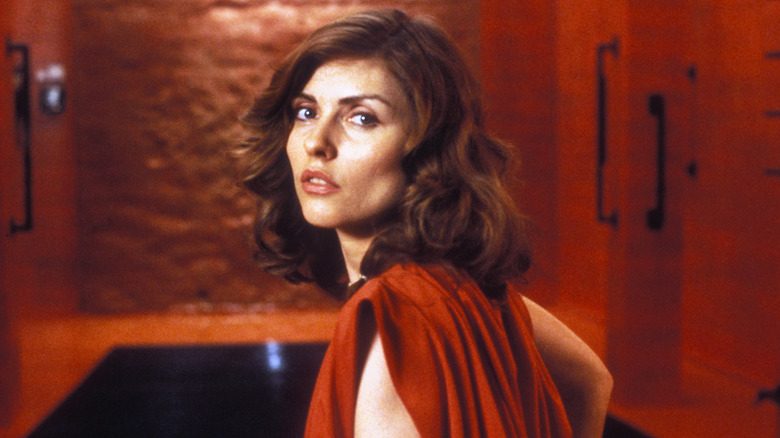
As any horror fan knows, the 1980s were a fantastic decade for the genre. It was, after all, the Golden Age of slasher films; the decade where frightening villains like Jason Voorhees, Michael Myers, and Freddy Krueger became cultural forces to be reckoned with. There were endless franchises springing up everywhere you looked. There were films that followed trends, while some decided to make their own.
While plenty of '80s slashers were scary in their own right, the decade was also full of horror films that aimed not just to scare, but to disturb. New forms of distribution meant more provocative movies could find an audience, and advances in filmmaking technology made movies cheaper to make than ever before. Directors began trying to find new ways of telling old stories, and attempting to make their mark on the industry by creating something so shocking and unsettling that viewers would never forget it.
Some of the films on the list below are classics that made a huge impact on pop culture, but others were underground hits. It's hard to recommend films like these sometimes, because you have to be in the mood to watch something upsetting. If you're sure that you're brave enough to want to be disturbed, these horror movies are your best bet.
5. The Evil Dead
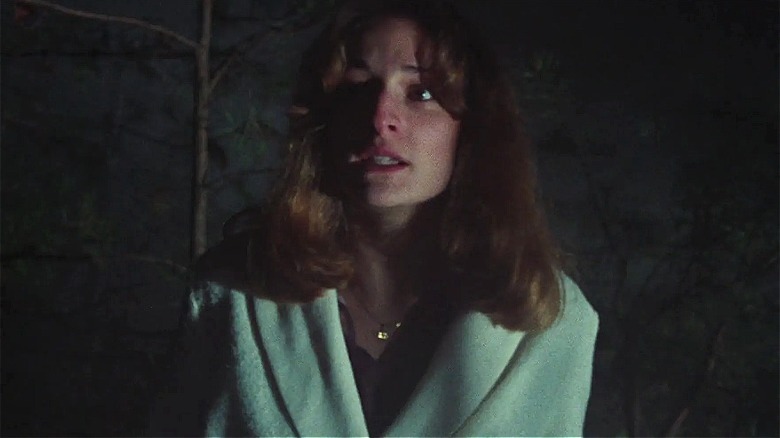
In 1981, Sam Raimi proved that anyone with some friends, a killer idea, and access to a camera could make a classic horror film. "The Evil Dead" was Raimi's debut feature-length film, following a group of friends who head out to a cabin in the woods for a weekend of fun. Instead, they find an evil book lurking in the basement of the cabin; and after reading aloud some words they should've left alone, the friends are set upon by demonic forces seeking to tear them limb from limb. Bizarre things happened on the set of "Evil Dead," too, which likely lent the movie a sense of legitimacy.
The "Evil Dead" franchise would go on to have quite the sense of humor, including a more overtly funny sequel and a third installment that switches genres and becomes a time-traveling historical comedy. That first movie, though, is downright sickening. Ellen Sandweiss plays Cheryl, the younger sister of Bruce Campbell's soon-to-be-iconic character Ash. When Cheryl heads out into the woods late at night, she is attacked and sexually assaulted by an evil tree, which sends slithering vines whipping her way.
Raimi's camera, too, seems to slither over the forest floor. This movie is full of eerie angles and startling shots that seem like they come from the point of view of the evil itself. Add that to some seriously sickening special effects makeup and gruesomely cruel kills, and "Evil Dead" more than earns its place in horror history.
4. Hellraiser
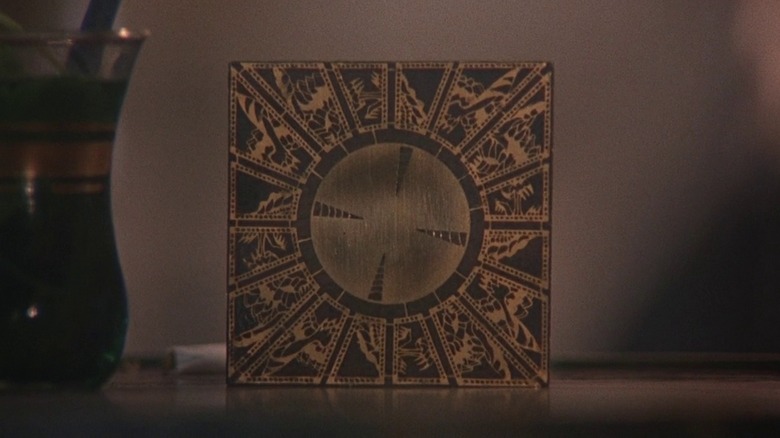
Like "The Evil Dead," the 1987 film "Hellraiser" would go on to spawn a cross-media franchise that took several detours into silly territory. That first movie, though, is a beast all its own; it's a horror film that seems to be crafted out of the raw psychological material that powers nightmares.
It's hard to describe the plot of "Hellraiser" without getting too in the weeds, because the movie is barely interested in explaining the horrific logic that powers its plot. There's a puzzle box called the Lament Configuration; and when it's opened, it unleashes a trio of sadistic beings from Hell, known as Cenobites. The Hell Priest (Doug Bradley) would come to be known as Pinhead, and his entire backstory would be explained, parodied, and referenced countless times in the decades that followed. In that first movie, however, he's just a strange, unsettling creature who loves to flay the skin of his victims.
"Hellraiser" is all about the fine line between pleasure and pain, and the ecstatic release of embracing anguish. This is a movie all about bodies and the things they are capable of... and all the ways they can be taken apart. At one point, Pinhead wheezes, "We have such sights to show you." He's promising a trip to an underworld filled with unimaginable suffering, and the way he delivers it is as if he's offering to take a kid on a trip to a candy store. It's chilling and enticing in equal measure, impossible to look away from.
3. Videodrome
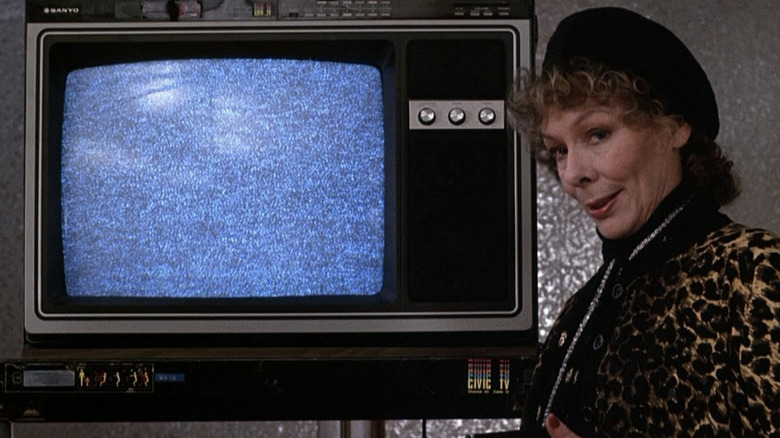
David Cronenberg's film "Videodrome" came out in 1983, but it correctly predicted many of the concerns people would face in the decades to come. Max Renn (James Woods), a man who runs a television station, stumbles upon a strange signal. As he investigates what might be causing his televisions to go on the fritz, he is led down a dangerous path — one that promises to pull him into a world of hybrid humans who live on the edge, thriving on the line between technology and humanity.
It may seem silly to see people afraid of what too much television was doing to their bodies; after all, we have far more insidious technology to concern ourselves with these days. But as you watch "Videodrome," it gets under your skin, and you'll be increasingly grateful that we don't mean that literally. This is one of the darkest sci-fi films of all time. Cronenberg's practical effects are grotesque — and grotesquely sexual — in a way that still shocks and disturbs, melding things like televisions and handguns with human bodies.
Many '80s horror movies featured lines that became iconic, but the most famous line from "Videodrome" still stands as a warning. "Long live the new flesh!" crow the proponents of this horrific new technology, and it's exactly the kind of skin-crawling proclamation you can still imagine coming out of the mouth of someone like Elon Musk.
2. Maniac
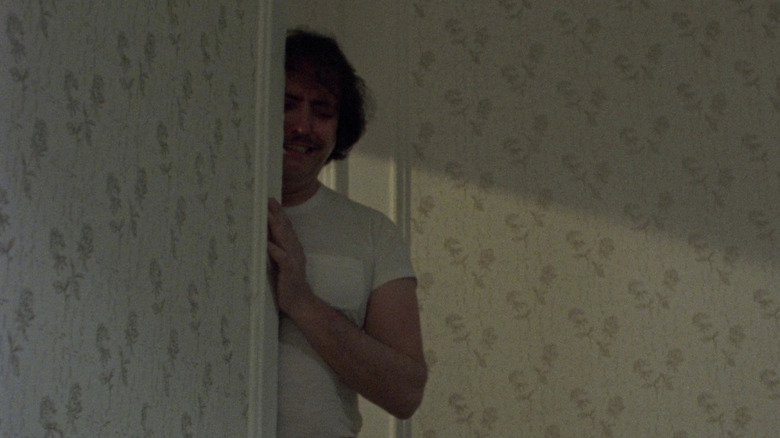
Horror ruled the box office in the 1980s, but it was also a decade full of low-budget experimentation, giving certain filmmakers free reign to comment on the society of the time in a way most major studios weren't willing to touch. William Lustig was one such filmmaker, a grimy exploitation director who pumped out scuzzy flicks about the seedy underbelly of city-dwelling life in that decade.
He kicked off the 1980s with "Maniac," a movie about a madman (Joe Spinell) with a penchant for mannequins who wear the trophies he collects when he scalps women. The film features some surprisingly beautiful photography of a crime-ridden New York at night, its scenes taking place in deserted subway stations, on neon-lit sidewalks, and along fog-choked waterfronts. Mostly, though, this is a gritty, gross-out gorefest that sends sheets of blood cascading down throats, across foreheads, and seemingly down the camera lens itself.
Lustig also loved to make use of the best practical horror effects available to him on his budget, and "Maniac" features a few such sequences that more than justify its placement on this list. One scene involves a car windshield, a glimpse of a face seen in the foggy night, and a rifle. Horror would never be the same.
1. Henry: Portrait of a Serial Killer
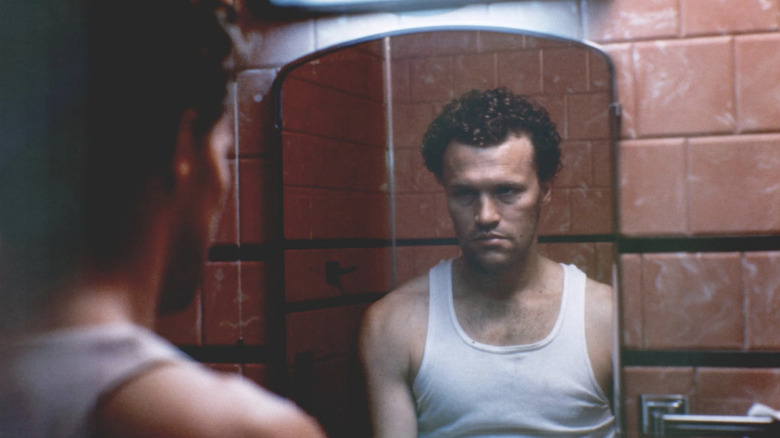
Many would agree that most of the movies on this list influenced the genre in one way or another, but "Henry: Portrait of a Serial Killer" is a movie that deserves far more credit than it gets. After all, it's one of the best serial killer movies of all time. Loosely based on the crimes of Henry Lee Lucas, the film follows Henry (Michael Rooker), a man who, simply put, has something inside his soul that has gone rotten.
He's charismatic, but sometimes the mask drops, and Rooker makes Henry into one of the most chilling villains in cinematic history. This is a stark, matter-of-fact portrayal of a serial killer's life, buoyed by Rooker's physical, yet deeply internalized performance. When Henry gets that particular look on his face — often shot in close-up, his prominent brow casting his eyes in semi-shadow — you can't help but feel like you're witnessing true evil.
In "Henry," evil doesn't look like the gross, screaming, demonically possessed body of your kid sister. It doesn't look like a demon from hell with pins sticking out of his skull, or a creepy gun that melds itself to someone's hand. It simply looks like a man. Henry is the sort of guy who you might meet at work or at a bar, and by the time you realize the violence he's capable of, it's already too late. This is the most disturbing horror film of the decade because it's easily the most realistic.