

5 TV Shows From The '80s That Would Never Get Made Today
The media of the 1980s had a signature magic that Hollywood is still trying to recreate to this day. Indeed, it's safe to say that '80s nostalgia has been milked to the last drop in the last decade or so, between "Stranger Things," "Wonder Woman 1984," "The Goldbergs," "GLOW," "Cobra Kai," and countless other TV shows released within the last 10 to 15 years. That's also not counting the modernized reboots of beloved '80s series like "Dynasty" and "Full House."
The impeccable vibes of the '80s can be attributed to its flamboyancy; in media, this translated to industry creatives willing to take bigger risks. Many of the successful shows of the decade featured unconventional leads or approaches — teenagers had increased importance in film and sitcoms; science fiction and fantasy became mainstream; and puppet-centered media was strangely common. While the energy of the 1980s has been revived in countless modern shows, there are a handful from the decade that were purely of their time. For one reason or another, the following five TV shows would never get made today, but that makes them all the more unique in TV history.
Pee-Wee's Playhouse
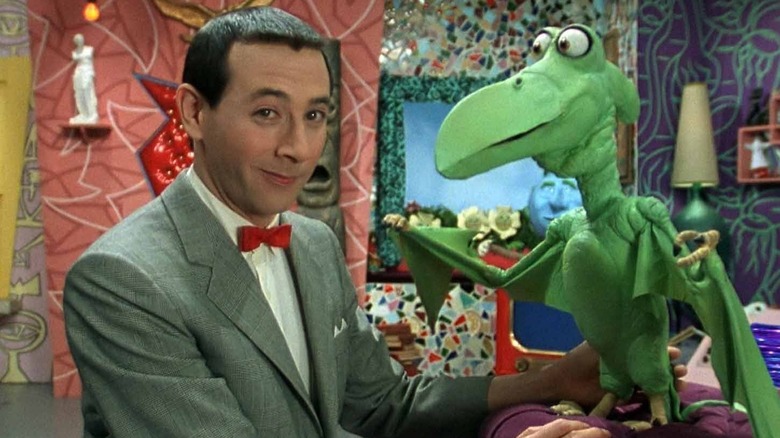
"Pee-Wee's Playhouse" is at the top of the list of most memorable outputs of the 1980s. Starring the late Paul Reubens as Pee-Wee Herman, the show was broadcast on Saturday mornings on CBS in the second half of the decade. It featured a colorful "playhouse" set with talking objects, animated shorts, green screen segments, and live-action comedy skits geared toward children. If you've seen any episode of "Pee-Wee," it's apparent why this show could not be made today: It's too weird by our current standards of live-action children's television. Of course, the show's weirdness is part of its charm; it was so imaginative for the time that even adults enjoyed it.
However, since around the turn of the millennium, children's television centered on a single human character has waned. "Pee-Wee," "The Big Comfy Couch," "Reading Rainbow," and other shows with adults speaking and acting directly to children are no longer seen as valuable on TV. Perhaps in response to this shift, internet creators have started their own YouTube channels for kids' content, such as Ms. Rachel and Danny Go. The closest approximation to Pee-Wee Herman today is probably Blippi, a similarly bow-tied childlike adult.
But the production value involved with "Pee-Wee's Playhouse" is what makes it unrepeatable today; in one episode, you could see green screen, 2D animation, claymation, and puppetry in addition to colorful costumes. Networks today are not going to put that level of creative investment into a single kids' TV show.
ALF
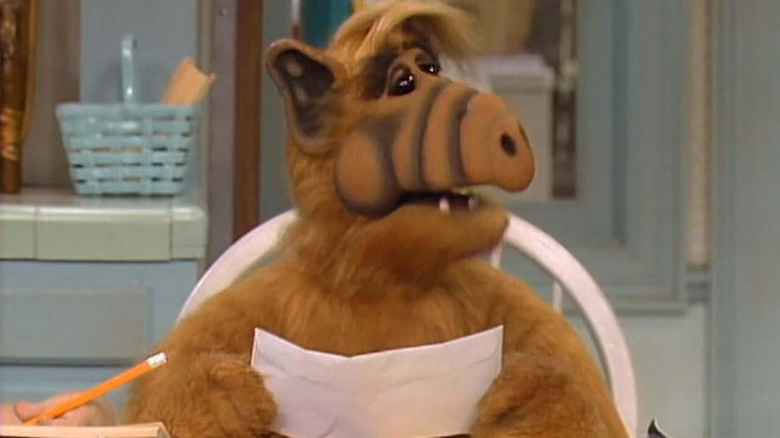
"ALF" was a sitcom that ran for four seasons from 1986 to 1990. The title of the series was actually an acronym for "Alien Life Form," a reference to the show's premise: the crash-landing of Gordon Shumway from space into the lives of the Tanner family. Gordon was brown and furry with a snout, so not exactly easy on the eyes. The series was a very '80s twist on the sitcom "fish out of water" trope, utilizing the growing popularity of science fiction and Muppets media.
Even though the Muppets themselves remain culturally relevant (particularly Miss Piggy), puppet-centered media outside of the occasional Muppets appearance has gone just about extinct. Networks no longer have interest in puppets as legitimate storytelling devices. With the advent of CGI, showrunners would rather animate a more realistic version of Gordon. To the modern eye, a puppet as a main character would come across as cheap.
Furthermore, the television landscape of today would not be hospitable to a premise this flimsy. For the time, "ALF" was doing something different, but in the years since, media has had far more interesting takes on human interactions with extraterrestrial life.
Bosom Buddies
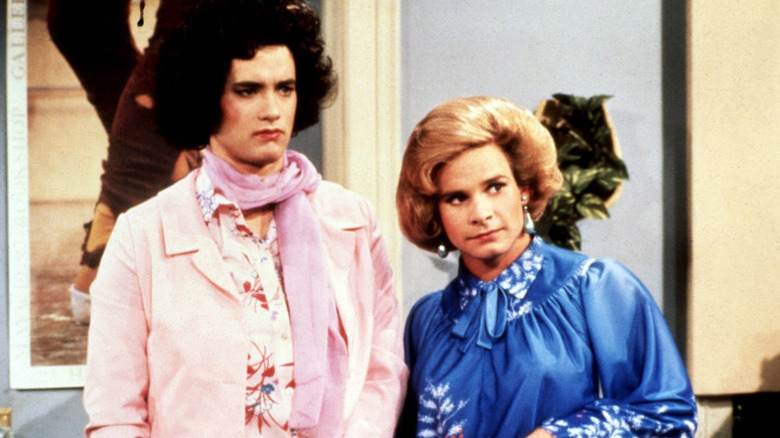
There are various reasons "Bosom Buddies" would never get made today. For those unfamiliar with Tom Hanks' breakout TV series, "Bosom Buddies" starred Hanks and Peter Scolari as two roommates who posed as women in order to live in a low-rent, female-only hotel. Essentially, the two actors were in drag as a joke for much of the first season. In the current social and political climate, it's evident why this series would likely face controversy today. Even for the '80s, the series barely managed a second season based on the premise, which is why they shifted away from the drag aspects in season two.
Looking more closely, though, the risk involved in having two presumably straight and cis male actors dress as women for a laugh still has the potential to upset. Here, impersonating women was meant to be funny — the voices, mannerisms, and attitudes of Kip (Hanks) and Henry's (Scolari) female personas were played as caricatures. This juxtaposition of barely disguised masculine features with an exaggerated female demeanor was funny to audiences in the '80s and '90s. Today, it could read as tone deaf to cis and trans women alike.
Plus, drag culture is now mainstream. People can go to a drag show in real life to see an earnest interpretation of femininity laced with comedy that is reverent rather than mocking. The idea of drag itself is no longer a joke as it was in the past, so "Bosom Buddies" wouldn't land as funny today.
Small Wonder
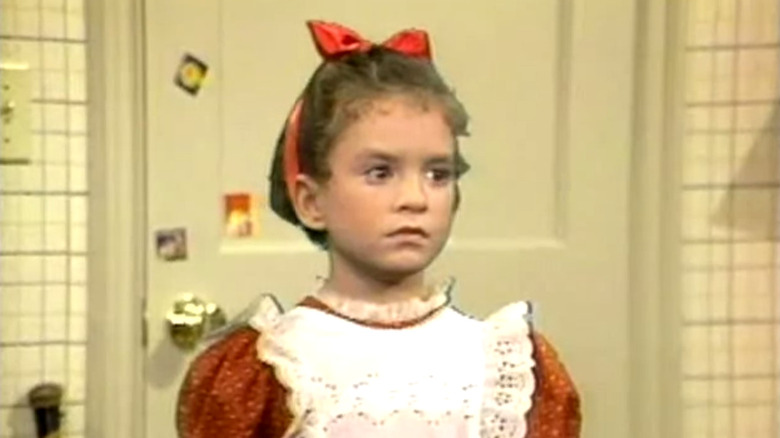
"Small Wonder" has the same problem that "ALF" and "Bosom Buddies" do when considering if it could work today — the show relied too heavily on a kooky premise that is no longer kooky by today's standards. The series was about a child android named Vicki (Tiffany Brissette) created by a father for his robotics company. He brings Vicki to live with him, his wife, and his young son to adjust to human life. The comedy of the show stemmed from Vicki's robotic mannerisms as the family's son, Jamie (Jerry Supiran), teaches her about being a human kid. Unfortunately, the writing and acting of "Small Wonder" left a lot to be desired. Arguably more than the boring premise, the wooden acting from the cast does not make an inspiring case for any sort of revival.
There's also the positioning of the series as a sitcom. Even within the '80s decade, with "Terminator," human-like robots have typically been depicted negatively, or at the very least, as an affront to human society. A modern comparison to "Small Wonder" is the horror movie "M3GAN." Though M3GAN was created as an emotional support companion, the film never fails to position her existence as unsettling. Now, with the ubiquity of AI, American audiences would be hesitant to embrace a robot child sitcom like "Small Wonder."
The Golden Girls
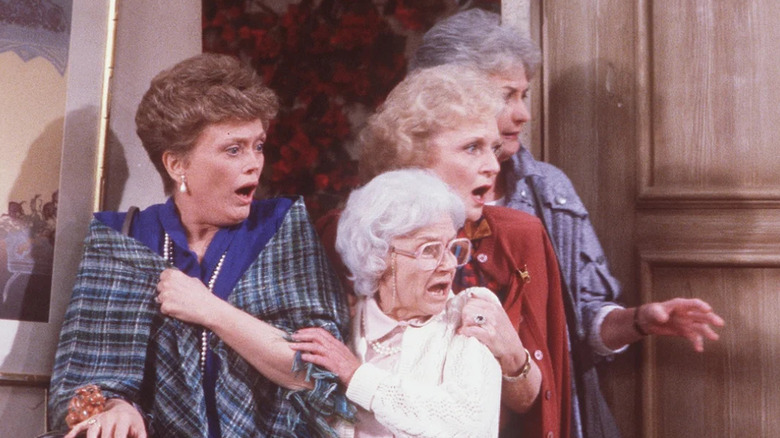
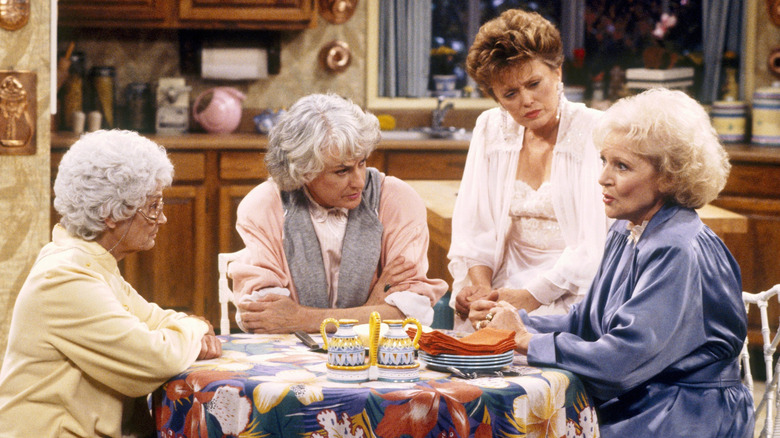
A show about four single middle-aged and senior women living together and supporting one another through aging, romance, and a changing world. A series that never shied away from these women as sexual beings. Maybe we'll have another "Golden Girls" one day, but that day is certainly not today.
It has long been the case that women in Hollywood have an "expiration date," a point at which they are demoted to supporting characters of mothers, aunts, and grandmothers in favor of actresses under 40. Michelle Yeoh said as much when accepting her best actress Oscar for "Everything Everywhere All At Once" in 2023, pleading to her female peers to never let anyone tell them they are "past their prime." While recently there has been some modest improvement in the average age of best actress nominees, women are still cast far less in starring roles past the age of 40 compared to men. The caliber of actresses over 40 is certainly there; when thinking about potential candidates for "The Golden Girls" of today, there's a plethora of talent available. However, the issue comes in featuring not one but four older women as leads in the same show.
When older actresses are cast in projects, they are typically tokenized, meaning there are no other older female actresses with equal importance to the project. Casting four middle-aged or older women in a sitcom together would demand that the series tackle issues of aging, which Hollywood only seems to want in small doses. For that reason, "The Golden Girls" is a delightful unicorn in TV history.