

5 Reasons Why Marvel's Secret Invasion Series Flopped
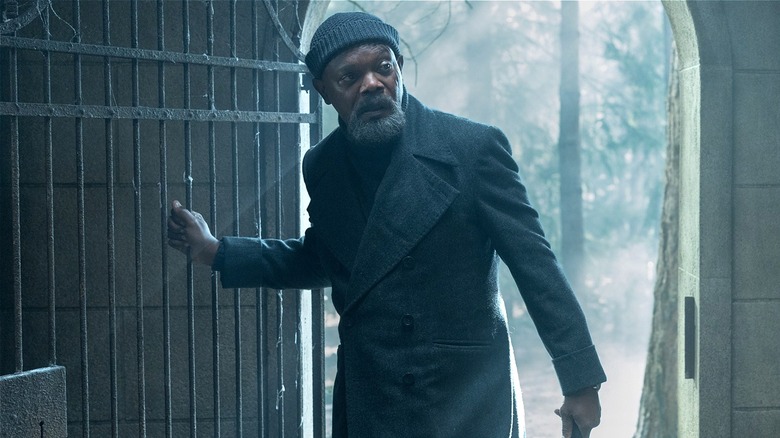
Just as "Iron Man" and "The Avengers" were the smash hits so unforgettable that they forever changed Marvel Studios, "Secret Invasion" was the company flop that inspired a drastic overhaul on how it approached streaming television. After "Secret Invasion" garnered dreadful viewership numbers, terrible critical reception, and came in so severely over budget, Marvel Studios knew it was time for some changes. Allegedly, the show's woes were a major impetus behind Marvel creating a greater barrier between its theatrical movies and streaming series as well as embracing lower-budget TV productions. This sci-fi espionage boondoggle even forced Marvel to finally implement showrunners into its streaming projects.
Years later, "Secret Invasion" clearly inspired a new era of Marvel television storytelling. Meanwhile, the lack of references to its story and characters in additional MCU media suggests it's destined to languish in obscurity. While even "Thor: The Dark World" got to factor into "Avengers: Endgame," "Secret Invasion" is the MCU's big, embarrassing failure. But how did that happen? How did a show starring Samuel L. Jackson as Nick Fury fighting Skrulls go so haywire? There are several major reasons why "Secret Invasion" was such a disaster, including its poor timing, an inability to stand out amongst other spy shows, and, of course, the general artistry of the show itself.
When a TV show goes sideways as severely as "Secret Invasion," there's never just one reason behind the failure. The five biggest reasons behind the grisly fate of the series reflect the turmoil that plagued the MCU's most adversely impactful production.
Arriving during blossoming MCU backlash
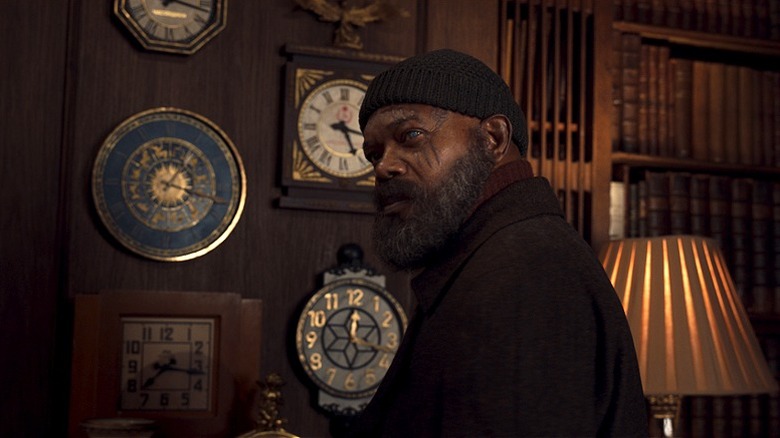
Across the first three phases of the Marvel Cinematic Universe, this franchise kept on getting consistently great marks from audiences. Across all but one of its first 23 movies ("Thor" being the lone exception among this crop), nearly every single MCU titles scored either some variation of an A from CinemaScore. Yet that reputation began to curdle in the 2020s. Ramping up the amount of small screen and big screen MCU programming, not to mention intersecting those two forms of storytelling to such a severe degree, got people exhausted of this saga really quickly.
In early 2023, that backlash began to reach fever pitch as "Ant-Man and the Wasp: Quantumania" got terrible reviews and was a rare MCU sequel to miss a box office target of $500+ million worldwide. This promise of "a new dynasty" for the franchise instead left people wanting to write off the whole MCU experiment. "Secret Invasion" dropped four months after "Quantumania" and undoubtedly suffered because of this timing. Here was a show promising a darker tone that would already be a challenge to get people invested in.
It also brought together a slew of supporting characters from various MCU properties. This show required a lot of pre-viewing homework, which only compounded how weary everyone was growing of bloated MCU fare. "Secret Invasion" didn't just suffer from those negative perceptions; it exacerbated them to new heights.
Suffering from truly terrible reviews
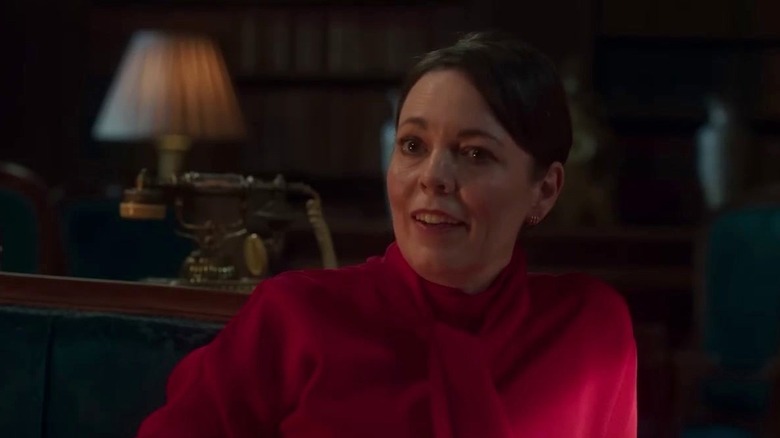
As soon as "Secret Invasion" debuted, all the internet chatter surrounding the show centered on its hideous-looking opening credits sequence produced by generative A.I. If anyone Googled the name of this show, they'd suddenly see a barrage of news reports and social media posts about how much contempt this sequence generated. This was just the tip of the iceberg in terms of negativity consuming "Secret Invasion." The general critical reception to this production made it one of the worst Marvel TV shows ever, with critics taking umbrage with everything from "Secret Invasion's" default color palette to the performances of its cast.
Most harmfully, though, there was derision pointed at how uninvolving the show was. There weren't even surface-level thrills here to keep people interested from one episode to the next. Additionally, the reception only grew more toxic as the season progressed, with the infamous season finale, "Home," scoring especially abysmal reviews. The decision to wrap up a moody spy show with a CG-drenched fight was considered a staggeringly miscalculated move, only accentuating the pervasive complaints surrounding "Secret Invasion."
2023 was chock full of acclaimed streaming and premium cable TV shows. There was no shortage of superior options people could experience instead of testing their patience on "Secret Invasion," including other Marvel-branded endeavors. With these atrocious reviews, "Secret Invasion" solidified its immensely disposable status. Heck, that A.I. opening sequence alone was enough to ward off potential viewers.
Going grounded made Secret Invasion look like any other spy show
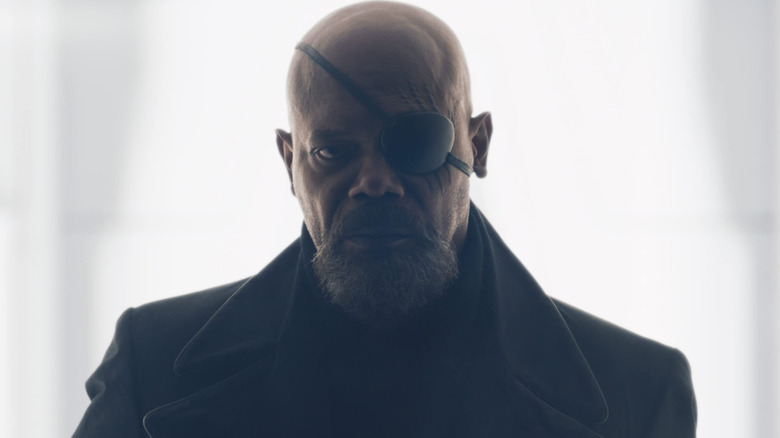
The 10 best spy shows streaming on Netflix are just some of the many glorious examples of espionage-focused programs that make spy-based storytelling so popular on television. Just in the modern world alone, productions like "Slow Horses" and "The Americans" have made this domain extremely popular and critically lauded. People can't get enough of tense spy TV shows, a status quo that would seemingly suggest immediate success for "Secret Invasion." After all, this series centered Nick Fury working in the shadows to prevent a grisly collision between Skrulls and humans.
Whereas the 13 best TV shows like "Slow Horses" offer up weighty storytelling with all that snooping around and deceitful treachery, "Secret Invasion" was an overwhelmingly shallow show in comparison. Apparently beholden to not doing anything too transgressive or politically risky that could upset tie-in deals with Funko or the Disney theme parks, the grim atmosphere of the series was built on minimal specific political or thematic concepts. It was just a bunch of characters glaring and scowling in drably colored tableaus. That reality not only inspired "Secret Invasion's" dismal critical reception — It also instantly rendered the series an also-ran in the crowded spy TV show landscape.
Why spend time waiting for anything good to happen on "Secret Invasion" when there are so many other spy shows out there to scratch your espionage storytelling itch? This Marvel program couldn't compete with the shows it was trying so hard to emulate.
Debuting against too many other sci-fi MCU productions
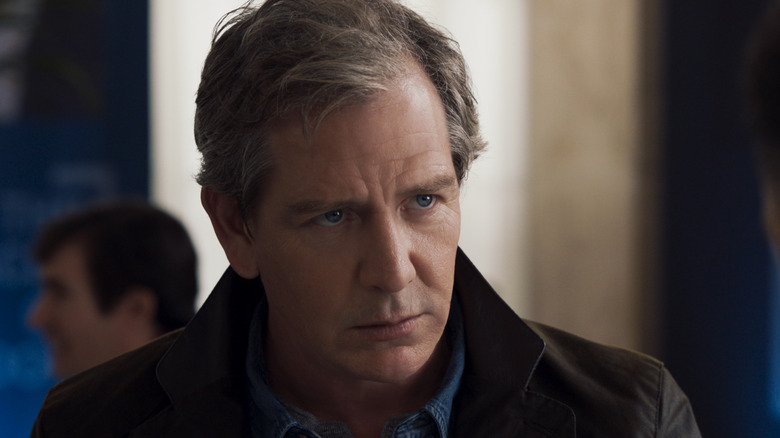
Once upon a time, Marvel Studios was quite good at making sure it didn't release the same kind of movie multiple times in the same year. In 2014, for instance, the spy action film "Captain America: The Winter Soldier" bowed four months before the wacky sci-fi comedy "Guardians of the Galaxy." The following year, the grimmer action blow-out "Avengers: Age of Ultron" premiered the same summer as the family-friendly yukfest "Ant-Man." Once the company was dropping four movies and four live-action streaming shows in a single year, though, it became harder to make sure each project had their own idiosyncratic ambiance.
Thus, Phases Four and Five of the MCU were almost exclusively focused on sci-fi projects. "Secret Invasion's" story of shape-shifting aliens infiltrating the human world came out just a month after "Guardians of the Galaxy Vol. 3" and only a few months after "Quantumania's" cosmic exploits. Meanwhile, the previous year had delivered sci-fi streaming shows like "She-Hulk: Attorney at Law." Aliens and science experiments gone haywire were suddenly all over the place. The days of "Spider-Man: Homecoming" offering an aesthetic distinctly different from "Thor: Ragnarok" were long gone.
Taking a look at Looper's list of the 107 best sci-fi movies of all time illustrates the grand potential for storytelling within the genre. However, "Secret Invasion's" specific brand of MCU sci-fi artistry couldn't stand out from the company's deluge of other genre-adjacent projects. Betraying the MCU's previous scheduling mandate meant "Secret Invasion" just wasn't special enough to become appointment viewing for anyone.
Secret Invasion coincided with the end of Peak TV
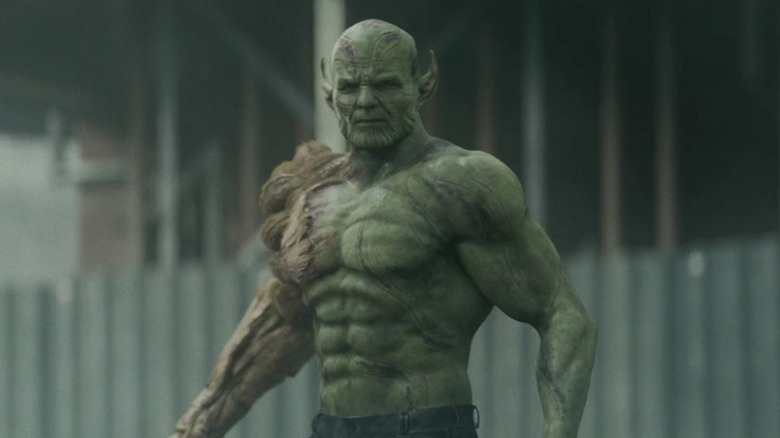
In hindsight, 2023 was when Peak TV finally came crashing down. This was the year where networks and streamers ordered significantly fewer new shows than they had just two years earlier, representing a sea change that had pundits declaring the end of a decade-long push toward a glut of scripted content. Meanwhile, streamers like Disney+ began removing shows like "Willow" from their platforms to secure tax write-offs. Major streaming shows like "Carnival Row," "Star Trek: Picard," "American Born Chinese," and Jon Stewart's Apple TV+ program, among many others, got the axe during this period as streaming platforms tightened their belts. In the emergent status quo, a new streaming show with a massive budget was no longer special; on the contrary, it seemed more like anathema.
TV trend observers began noticing how audiences were growing apathetic towards new shows due to how streamers were showing little interest in cultivating series or even making them accessible. Into this tumultuous year launched "Secret Invasion." A limited-run show that didn't promise years and years of further storytelling, the bloated "Secret Invasion" seemed to encapsulate all the problems associated with the worst Peak TV programs. As people grew frustrated with staying subscribed to streaming services for overhyped TV shows that turned out to be terrible, there was no room for a production like "Secret Invasion" to establish its footing.
2023 was a year of change and transition for the American television industry. In hindsight, that opened the door for streamers to take chances on more traditional programs like "The Pitt." However, it also meant "Secret Invasion" debuted at the absolutely worst possible moment.