

5 Comedy Movie Flops That Changed The Genre Forever
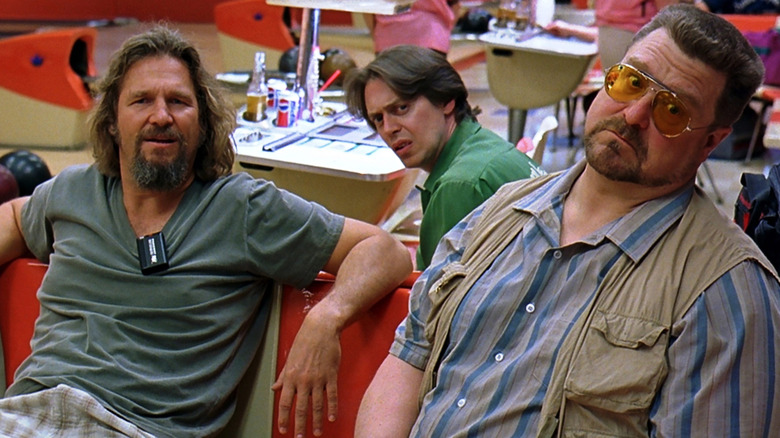
Many of the most beloved comedy films in history didn't premiere to packed houses, nor did they have people rolling in the aisles when they first arrived in cineplexes. From "This is Spinal Tap" and "Heathers" to "Zoolander" and "Scott Pilgrim Vs the World," the modern era of Hollywood comedy has arguably been shaped more by films that underperformed upon their initial release than ones that struck a chord right out of the gate.
It feels strange to look back on any of these titles and call them "flops" due to how apparent their influence has been on the genre, but none of them received their flowers from audiences at the moment they premiered. There are several examples of comedy flops that transformed the landscape forever, but when looking at the state of the genre in the past 20 years, it's the following five that have shaped modern comedy the most.
The Producers
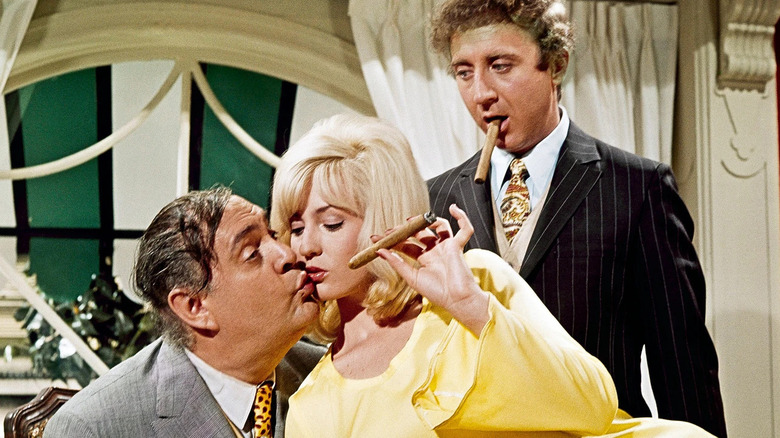
Mel Brooks initially envisioned his feature directorial debut "The Producers" as a novel, but he soon realized that his unique brand of humor was more visual. He decided to turn it into a screenplay and the project was quickly deemed toxic by the major Hollywood studios: Nobody wanted to touch a film about two producers creating a play about Adolf Hitler. Brooks, who had only directed one play prior to the project, agreed to make it himself to keep the costs down for indie studio Embassy Pictures, and all signs immediately pointed towards a disaster.
The critics were sharply divided. The initial limited release underwhelmed, and it was only the intervention of Peter Sellers — who took out full page ads in Variety, according to a DVD making-of documentary — that helped it gradually grow into something of a success, albeit one that still lost the studio considerable money. Brooks actually won the Oscar for best original screenplay, but even that didn't seem to help; this wasn't an acceptable political satire like "The Great Dictator" or "Dr Strangelove," but a film which wanted to confront taboos by playing to the lowest common denominator.
Today, "The Producers" doesn't play like the seismic shock it was, largely because it opened the door for Brooks — and newcomer Gene Wilder — to continue facing down social taboos closer to home with later collaborations, including "Blazing Saddles." That was a film even more extreme in its parody of racism, and far more groundbreaking in its scatological humor. It wouldn't have been possible if Brooks' debut film hadn't broken new ground for what was acceptable to laugh at in a Hollywood comedy.
Last Action Hero
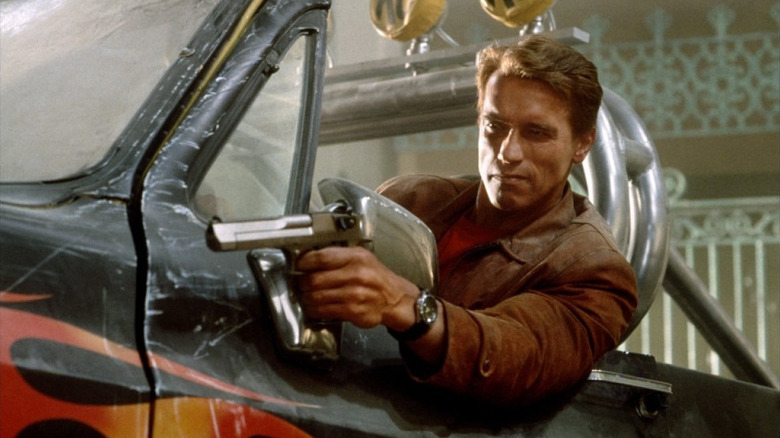
Following its release, the failure of "Last Action Hero" was pinned entirely on the success of "Jurassic Park," which opened a week earlier and was proving to be the big action-adventure spectacle of summer 1993. Dig a little deeper, and there were more obvious signs pointing to a disappointment; this satire of action movies started life as a Zak Penn and Adam Leff script inspired by "The Simpsons" and "The Purple Rose of Cairo" before studio tinkering set in.
Shane Black and John McTiernan were hired, making this parody indistinguishable from the real thing, and the studio were aiming for a PG-13 rating, softening the violent spectacle Arnold Schwarzenegger fans would be turning out for. The continuing success of parody movies like "Hot Shots!" showed there was an appetite for movies that could skewer the conventions of the ridiculous genre, but "Last Action Hero" didn't take the same joke-a-minute approach — its send-up of action movie stereotypes sat next to a genuinely earnest storyline ripped straight out of one.
Calling "Last Action Hero" ahead of its time is inaccurate (if the release date had been pushed back just a little bit, all signs suggest it could have been a hit) but it's only in recent years that it's been viewed as more than just a flop. This is largely because its approach to parody – simultaneously dissecting over-the-top genre clichés whilst sincerely embracing them at their silliest — has become increasingly normalized. The film helped set the stage for the meta parodies of Edgar Wright (in particular "Hot Fuzz") and would go on to be felt in the fourth-wall breaking superhero antics of "Deadpool."
The Big Lebowski
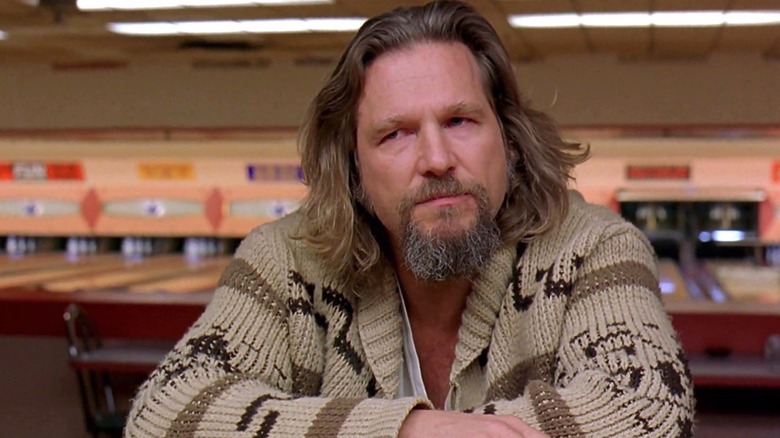
The most profitable of the films on this list upon initial release, "The Big Lebowski" was still greeted with bafflement by most critics, who were disappointed that the Coen Brothers had made a lowbrow stoner comedy in the wake of their first Oscar success with "Fargo." That the movie would grow in stature to become one of the most beloved cult films ever should have been no surprise to long-term followers of the directors, but that within years it would have inspired annual festivals for thousands of fans in several cities and even its own religion (Dudeism) would have caught everybody off guard. What looked like another "The Hudsucker Proxy" style folly gradually wound up being their most culturally resonant movie.
The film's most long-lasting influence might be one that has slipped under the radar for most people, as one of the 21st Century's biggest breakout comedy stars has labelled it his biggest influence. On a recent episode of podcast "Blank Check with Griffin and David," Seth Rogen discussed at length how the movie was formative to him and writing partner Evan Goldberg, with "Superbad" featuring various overt homages and "Pineapple Express" following the same offbeat, unexpectedly violent approach to stoner comedy. In ways the Coens could never have imagined, their shaggy-dog noir pastiche proved foundational as Rogen's brand of comedy conquered Hollywood.
Office Space
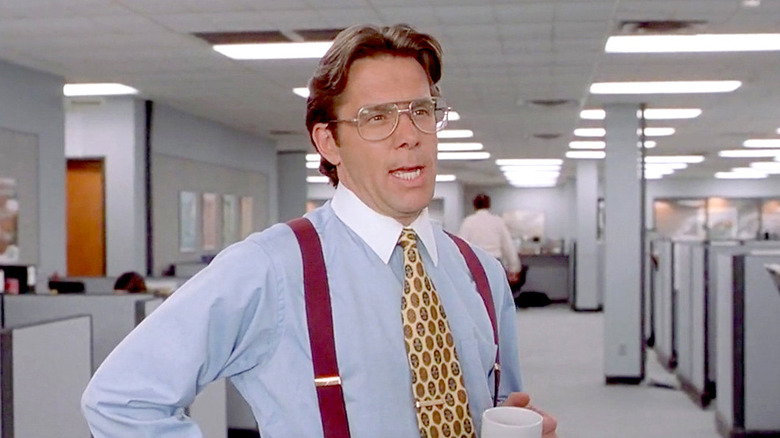
Some films on this list were ahead of their time, but others arrived right on schedule — in the same year as "Fight Club" and "The Matrix," a far more down-to-Earth tale about the soul-sucking nature of office work should have dominated the zeitgeist. Unfortunately, Mike Judge's "Office Space" didn't connect in theaters, even though it's influence could very quickly be felt in unlikely places; how many other box office disappointments could inspire stationary companies to stock a bright red stapler due to sheer fan demand?
Of all the films on this list, "Office Space" has remained the most relevant. Its satire of corporate middle management still hits just as hard at a time when you'll be hard pressed to find a boss who really cares about work-life balance as much as they claim to. Somewhat ironically considering that the film that inspired countless jaded Gen X'ers to quit their jobs, the biggest lasting impact for Judge's film is that sowed the seeds for the workplace comedy boom.
Upon its release in 2001, the first series of the BBC's "The Office" was widely compared to Judge's film (the director was even approached to helm the pilot of the U.S. remake), sharing the same cynicism about mind-numbing cubicle work. More office-set shows like "Workaholics" and "Corporate" followed, and workplaces became the dominant sitcom setting, with the likes of "Parks and Recreation," which was being produced alongside the U.S. version of "The Office," and "Superstore" becoming hits.
Freddy Got Fingered
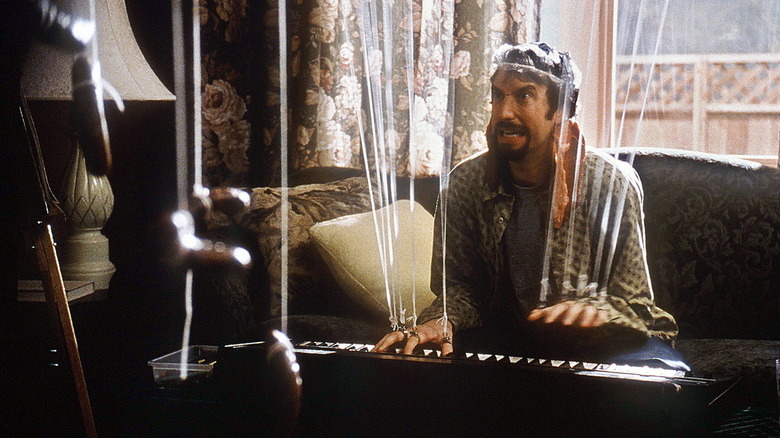
Tom Green was influential from the moment he first appeared on U.S. TV screens, with the Canadian comedian's eponymous MTV series being one of the formative inspirations for the "Jackass" crew. His influence on the big screen would take a lot longer to become apparent, as the major flop "Freddy Got Fingered" essentially ruined Green's career; Roger Ebert even handed it a rare zero-star review before it swept the Razzies. The tide hasn't swung too far back in its favor, either — The Guardian's film critic Peter Bradshaw still labelled it the worst film he'd ever seen as recently as 2017. It's easy to understand why it would take longer for an abrasive, anti-comedy about a screaming manchild who makes false sexual assault allegations about his father to find an audience; it's far from an easy sell.
However, if you tuned into late night cable TV at any point from the mid 2000s-onwards, you'd begin to see disturbingly surreal, often nihilistically dark comedies cut from the same cloth as "Freddy Got Fingered," with Comedy Central's "Wonder Showzen" and the Adult Swim programming block on Cartoon Network shaped from the same shocking comic sensibility. It's a brand of comedy that now feels almost normal thanks to the likes of Eric André and Tim Robinson (the latter played rage-fueled men far closer in spirit to Green than a more affable manchild such as Adam Sandler in his sketch show "I Think You Should Leave"). The "Freddy Got Fingered" blueprint can also be seen in movies like Will Ferrell and John C. Reilly's "Step Brothers," which is widely considered to be a cult classic.
If you or anyone you know has been a victim of sexual assault, help is available. Visit the Rape, Abuse & Incest National Network website or contact RAINN's National Helpline at 1-800-656-HOPE (4673).