

Quentin Tarantino's Rambo Pitch Makes The Stallone Prequel Look Like A Mistake
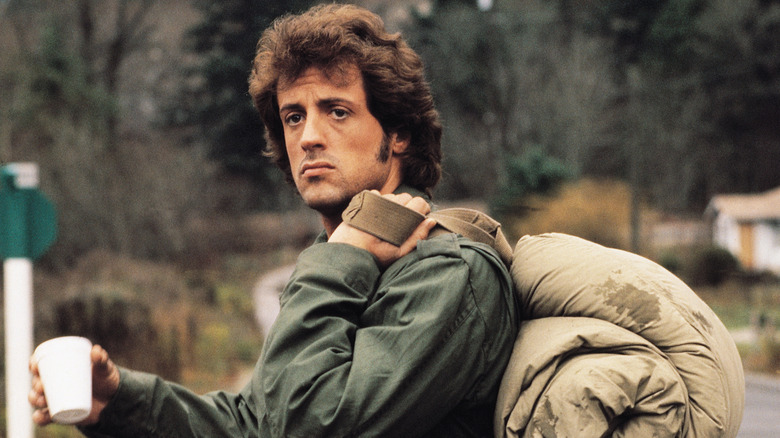
Sly Stallone is at it again. And in this instance, "it" is the "Rambo" franchise, which is getting yet another installment — this time a prequel titled "John Rambo" — from Lionsgate, with the man himself working as an executive producer. For those who haven't heard of the project before ... no, the 79-year-old Stallone is not reprising the role he's played in five prior "Rambo" movies nor pretending to be a baby-faced version of himself. Instead, the titular role will be played by young star Noah Centineo, portraying a version of the character that predates 1982's "First Blood." "There's more to the story," Stallone said in a brief announcement video on Instagram. "I couldn't be more excited."
However, while some fans will be excited about the film — and Stallone's involvement — it's a letdown when it comes to this property's potential. The prequel promises to offer more of the same, and a new "Rambo" film could be so much more interesting, if only the filmmakers listened to Quentin Tarantino.
Tarantino, you ask? Yes – some years back, he offered an alternative vision for the future of the franchise, pitching a full-on remake of "First Blood" that would stick more strictly to the original novel by David Morrell. Tarantino even had a cast in mind, and while the acclaimed director's "Rambo" movie was never much more than an interesting idea, it reveals some of the potential pitfalls that the upcoming "John Rambo" prequel may face: namely, that the Stallone-produced "origin story" for the character of John Rambo must still be a Vietnam movie, after all, and while director Jalmari Helander has earned a strong reputation in the genre of violent, vengeful action movies, the subject matter for a more traditional "Rambo" prequel in 2026 is more questionable.
Tarantino's Rambo pitch, starring Adam Driver, makes more sense than a prequel
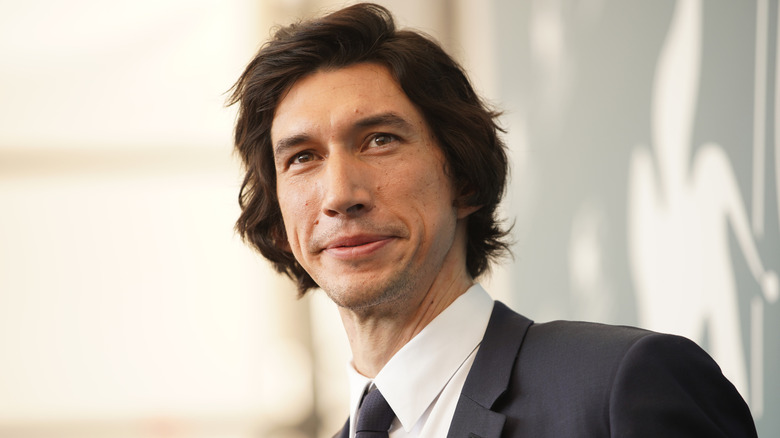
Yes, we're all tired of remakes, but aren't we just as tired of prequels? In an interview on the Big Picture podcast in 2021, Quentin Tarantino gave his pitch for a new adaptation of David Morrell's "First Blood" novel, which even included a proposed cast: Adam Driver as Rambo, and Kurt Russell as Wilfred Teasle, the Kentucky police chief who hunts him through the mountains outside his town. "If I just wanted to make a good movie, that I know would be good, I would take David Morrell's novel for 'First Blood,' and do the novel. Not the movie that was made of 'First Blood.'"
In the book, the point of view shifts between Rambo and Teasle as dual protagonists, both of whom die at the end of the book. Sam Trautman, Rambo's former Green Beret commander who acts more fatherly toward the disaffected soldier in the films, is the one who ultimately kills Rambo in the novel, after Rambo shoots Teasle dead.
In the interview, it's clear that this is more of a basic project in Tarantino's mind — the kind of project that would be relatively simple for a skilled filmmaker to pull off and satisfy audiences. But it also speaks to what's actually interesting about Rambo as a character. "First Blood" remains the only truly great "Rambo" film because it is far more interested in the damage of war than it is in its own protagonist's skill or severity. Violence is a curse in both the first film and the novel, not something you cheer for.
Stallone's Rambo prequel idea is full of landmines
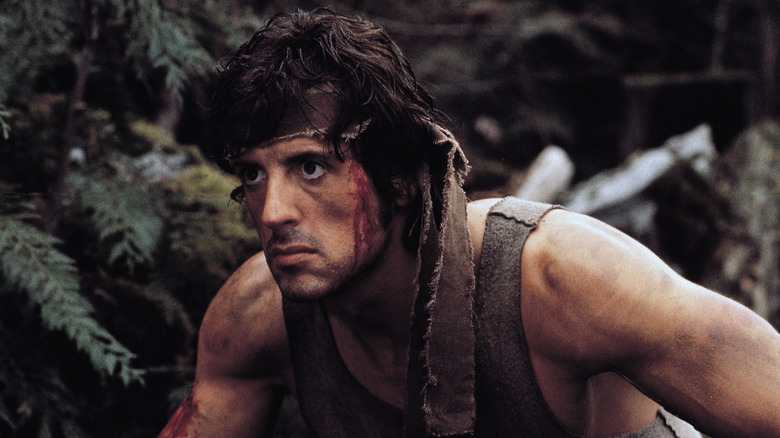
There are good Vietnam War movies, and there are bad Vietnam War movies, but there are very few new Vietnam war movies. It's a specific subgenre born out of the moment when the entirety of American politics was caught up in a moment of military invasion, which, unlike previous examples, turned into a huge disaster shown to every American citizen through the modern mass media ecosystem. Whether you viewed the war as a great American sin, or merely as a tragedy, the culture took decades unpacking it.
But the thing about Rambo is that he's an action hero now, and he has been for most of his 44-year cinematic history. The nuance and messiness that made "First Blood" so successful — and which, in the right modern director's hands, could make another adaptation successful again — is much harder to attach to a story set within the actual Vietnam War. The mass devastation wrought by a prolonged American military occupation is well documented at this point, and even in a sympathetic view of the soldiers who fought that war, there is very little territory left to chart — especially from a lead protagonist who's better known these days for big muscles than he is for PTSD.
In an age when the Department of Defense has been renamed the Department of War, and when the American Military is once again being leveraged for vague reasons against other states, the premise of a "Rambo" prequel movie is a dicey one. Quentin Tarantino's vision of a "First Blood" remake that focuses more on the lingering harm of war, rather than the war itself, just would make more sense and be far more relevant to the contemporary landscape.
The Rambo prequel could still work, but it's an uphill battle
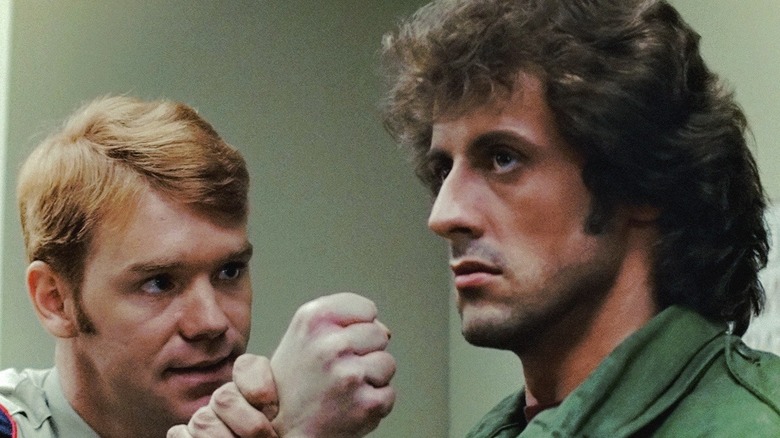
Despite a questionable production angle and the effects of one franchise being stretched too thin, there is still hope for "John Rambo." Noah Centineo is a capable young actor, and more importantly, director Jalmari Helander has cut his teeth on some of the most celebrated "one man army" films of the modern era in "Sisu" and "Sisu: Road to Revenge."
The difference, of course, is that those are movies about killing German Nazis in and around World War II. It's the kind of war story with a clear villain and a clear hero, even though the violence may still be extreme on both sides. No matter your politics, Vietnam is not World War II. There is no room for a stand-up-and-clap action moment for Rambo when he's in that particular conflict.
Fighting hateful police officers in an America that left him destitute? That's an easier pill to swallow in 2026. The story of veterans being sent off to war for reasons they don't even fully understand, then returning home and being utterly abandoned by the government that scarred them, is sadly no less relevant now than it was in 1972, when "First Blood" was published, or in 1982, when the movie came out. In a year when healthcare subsidies and Veterans Affairs staffing have both been slashed, all while more American missiles are being pumped into a foreign country, there's plenty to be said about our own domestic relationship with violence, but far less to be said about a killing machine in Vietnam. There's arguably still a place for a new "Rambo" movie in the 2020s, but it's Quentin Tarantino's more contemplative vision that would work — not an action-focused prequel to a series that's drifted quite far from its original intentions.